
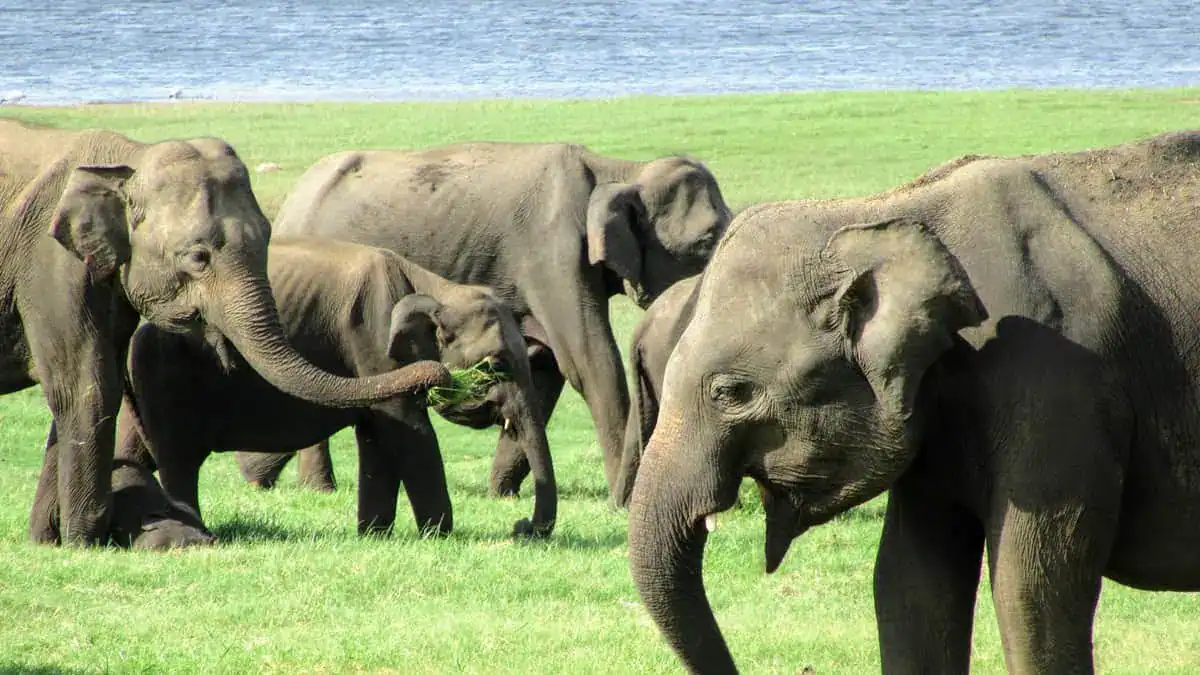

Kaudulla National Park offers one of the best nature & wildlife experiences in Sri Lanka. You see large elephant herds, open landscapes, and fewer safari vehicles compared to other parks. If you want a calm and rewarding wildlife safari, Kaudulla National Park should be high on your list. The park gives you space, clear views, and real encounters with wildlife.
What Is Kaudulla National Park
Kaudulla National Park sits in the North Central Province of Sri Lanka. The government declared the park in 2002. The goal was to protect wildlife corridors, especially those used by elephants in Sri Lanka.
The park surrounds the Kaudulla Tank, an ancient reservoir built by King Mahasen. This tank still supports the ecosystem. Water levels change with the seasons. During dry months, animals gather around the tank. It provides clear, frequent sightings.
Kaudulla National Park is located in Sri Lanka’s dry zone. The land stays flat in many areas. It helps you spot animals at a distance. The mix of grassland, forest, and water creates strong biodiversity.
Why Kaudulla National Park Holds Special Status
Kaudulla National Park plays a key role in elephant conservation. The park connects with Minneriya National Park and Wasgamuwa National Park. These parks create a large habitat network.
Elephants move between these parks based on the availability of water and food. This movement forms a seasonal pattern. When water dries in one area, elephants shift to another. Kaudulla becomes a main gathering point during certain months.
This movement leads to large gatherings of elephants. You can see dozens or even hundreds of elephants in one area. It makes Kaudulla one of the best places in Asia to observe wild Asian elephants.
The park also supports long-term conservation goals. Protecting these migration routes helps reduce human-animal conflict. It also supports stable elephant populations.
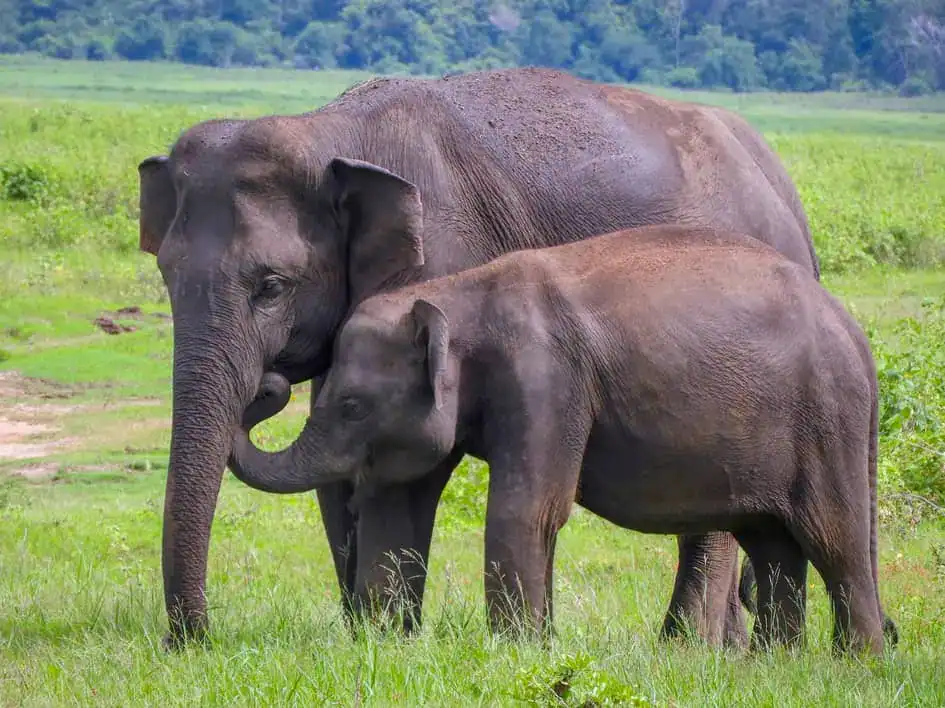
Unconditional Love (Photo by Taif Rahaman on Unsplash)
Recognition and Tourism Appeal
Sri Lanka attracts wildlife travellers from across the world. Kaudulla National Park strengthens this appeal. Travel guides and safari experts often recommend Kaudulla for elephant sightings.
Many visitors choose Kaudulla over busier parks. Yala National Park draws large crowds due to leopard sightings. Kaudulla offers a quieter setting. You spend more time observing animals and less time waiting behind other vehicles.
Tourism authorities in Sri Lanka promote the Cultural Triangle as a key travel region. Kaudulla sits within this region. This location increases visitor access. Many travellers combine wildlife safaris with cultural visits.
The park appeals to photographers, families, and solo travellers. You get strong wildlife encounters without heavy traffic.
Location and Geography
Kaudulla National Park lies close to key towns in central Sri Lanka. The park sits near Habarana and Polonnaruwa.
The region lies within the dry zone. Rainfall stays seasonal. It affects water levels in the reservoir and nearby land.
The park includes several types of terrain:
- Open grasslands near the tank
- Scrub forests across dry areas
- Wetlands along water edges
The Kaudulla Tank remains the central feature. This reservoir attracts wildlife year-round. During dry periods, the water shrinks. It creates large open spaces where animals gather.
Size of the Park
Kaudulla National Park covers about 6,900 hectares. This size gives animals enough space to roam and feed.
The mix of land and water supports many species. The park’s design helps maintain ecological balance. You see both grazing animals and predators within this area.
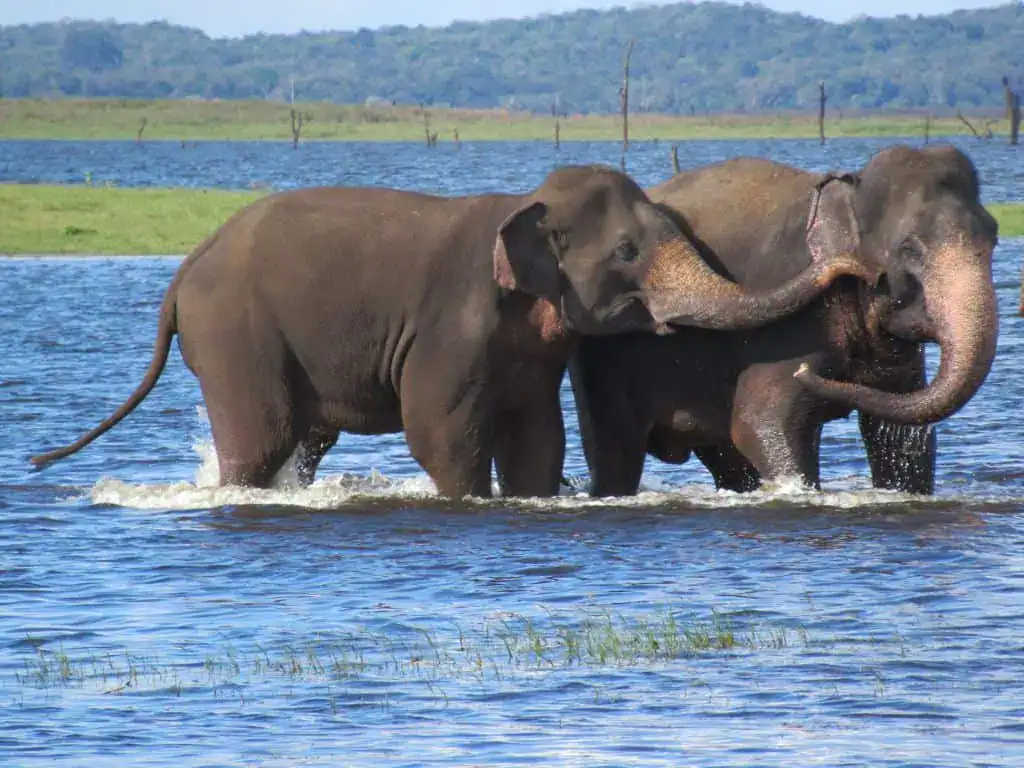
Elephants in the Kaudulla Tank (Photo: David Stanley, CC BY 2.0)
Main Entrances and Access
The main entrance to Kaudulla National Park sits near Habarana. Most safari jeeps enter through this point.
You need a licensed safari jeep to access the park. Private vehicles do not operate inside without special approval. This system helps control traffic and protect wildlife.
Local drivers know the best routes inside the park. They track animal movement and adjust the safari route as it progresses.
Pre-Booking Safaris
Booking your safari in advance improves your experience. Hotels and tour operators near Habarana and Sigiriya offer safari packages.
You choose between morning and afternoon safaris. Each session lasts about three to four hours.
Afternoon safaris often give better elephant sightings. During this time, elephants move towards the tank to drink and feed.
Peak travel months bring higher demand. Advance booking helps secure your spot and avoid last-minute issues.
You can book wildlife park permits online through the official Wildlife Park Permits Reservation eService.
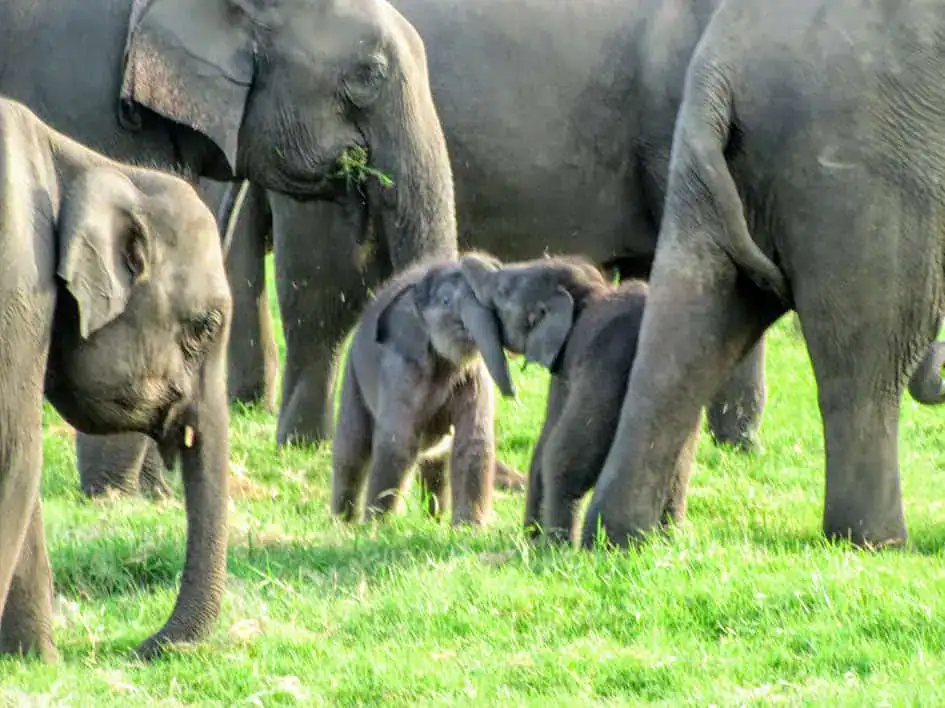
Babies Playing (Photo: Amanda, CC BY 2.0)
How to Reach Kaudulla National Park and How to Move Around
How to Reach the Park
You can reach Kaudulla National Park from several major locations:
- From Colombo, the drive takes about 5 hours.
- From Sigiriya Rock Fortress or Dambulla Cave Temple, the park sits about one hour away.
- From Polonnaruwa, the drive takes around one hour.
Public transport connects Colombo with Habarana and nearby towns. You can take a train or a bus. From there, you arrange a taxi or safari jeep.
Many hotels also arrange transport for guests.
We recommend reading about transport in Sri Lanka.
How Movement Works Inside the Park
You explore Kaudulla National Park by safari jeep. It remains the only practical way to move inside.
Drivers follow marked tracks. They adjust routes based on animal sightings. Communication between drivers helps locate elephants and other wildlife.
You stay inside the vehicle at all times. It ensures safety for both visitors and animals.
The pace stays slow. Drivers stop often to allow observation and photography.
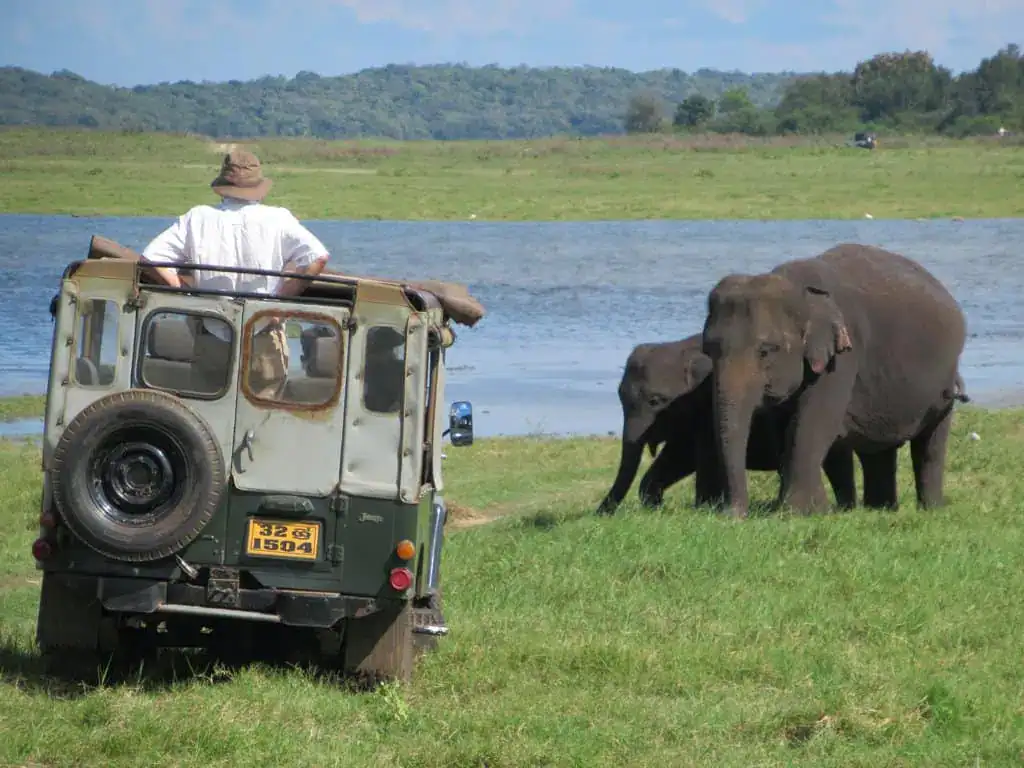
A Safari Jeep – Kaudulla National Park (Photo: David Stanley, CC BY 2.0)
Nature, Flora, and Fauna
Kaudulla National Park supports a wide range of life. The mix of grassland, forest, and water creates strong habitats.
Trees and Plant Life
The park features dry zone vegetation. Common trees include palu, weera, and kumbuk. These trees survive in low rainfall conditions.
Grasslands grow thick during the rainy season. These areas attract herbivores such as deer and elephants.
Wetlands near the tank support aquatic plants. These plants provide food for birds and smaller animals.
Seasonal changes affect plant growth. Dry months reduce greenery, while rainy months bring fresh vegetation.
Mammals
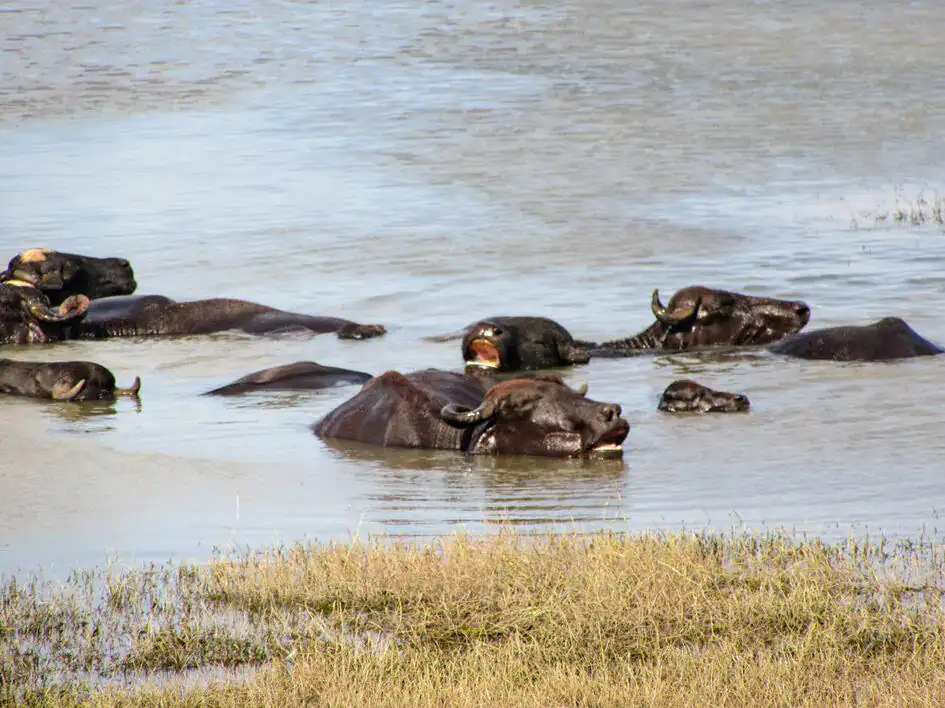
Water Buffalo – Kaudulla National Park (Photo: Amanda, CC BY 2.0)
Kaudulla National Park stands out for its elephant population. You often see large herds near the tank during the dry season.
Elephants gather in groups of varying sizes. Some herds include young calves. Watching these groups offers some of the best wildlife moments.
Other mammals in the park include:
- Sri Lankan sambar deer
- Axis deer
- Wild boar
- Sloth bear, though sightings remain rare.
- Sri Lankan leopard, seen less often compared to the Yala National Park.
These animals move across different habitats within the park.
Birds
Kaudulla National Park attracts birdwatchers because it is home to more than 150 bird species.
You often see:
- Painted storks
- Spot-billed pelicans
- Grey herons
- Egrets
- Eagles and hawks
Migratory birds arrive during certain months. It adds seasonal variety. Wetland areas near the tank provide strong habitat for birds.
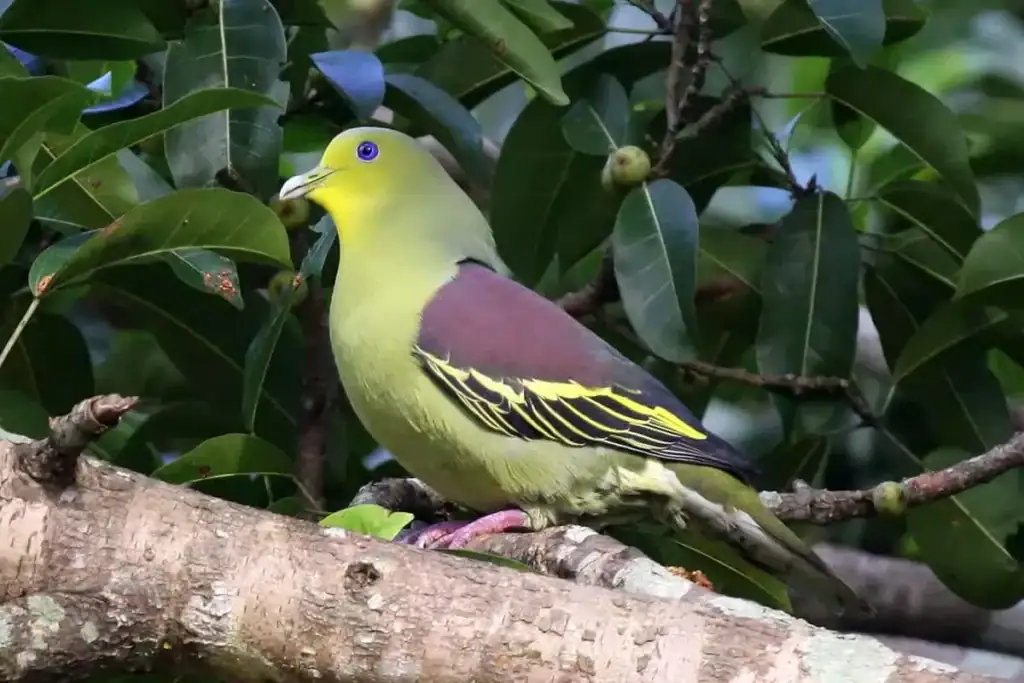
Pompadour Green Pigeon – Kaudulla National Park (Photo: Thimindu, CC BY-SA 3.0)
Reptiles and Amphibians
The park supports several reptile species. You may see:
- Water monitors near water edges
- Mugger crocodiles resting along the tank
- Snakes such as pythons and cobras
Amphibians appear more often during wet periods. These include frogs that thrive in seasonal water pools.
Invertebrates
Invertebrates play a key role in the ecosystem. You find many insect species across the park.
Butterflies stand out during certain seasons. Their presence adds colour and movement to the landscape. These species support pollination and food chains.
Best Time to Visit and Why
The best time to visit Kaudulla National Park runs from July to October. During this period, water levels drop in nearby regions. Elephants move towards the Kaudulla Tank.
You see large gatherings in open areas. It improves the visibility and increases your chances of sightings.
Outside this period, the park still offers wildlife encounters. Animal movement depends on rainfall patterns. Some years shift the peak season slightly.
It is recommended to read about the weather and the best time to visit Sri Lanka.
Current Weather & Weather Forecast in Kaudulla National Park
Weather and Conditions
Kaudulla National Park remains warm year-round. Temperatures remain between 25°C and 35°C.
The park’s dry season runs from May through September. This period offers the best safari conditions. Roads stay accessible, and wildlife gathers near water.
Rainy months bring green landscapes. Water spreads across the park. Animals move further apart, which affects sightings.
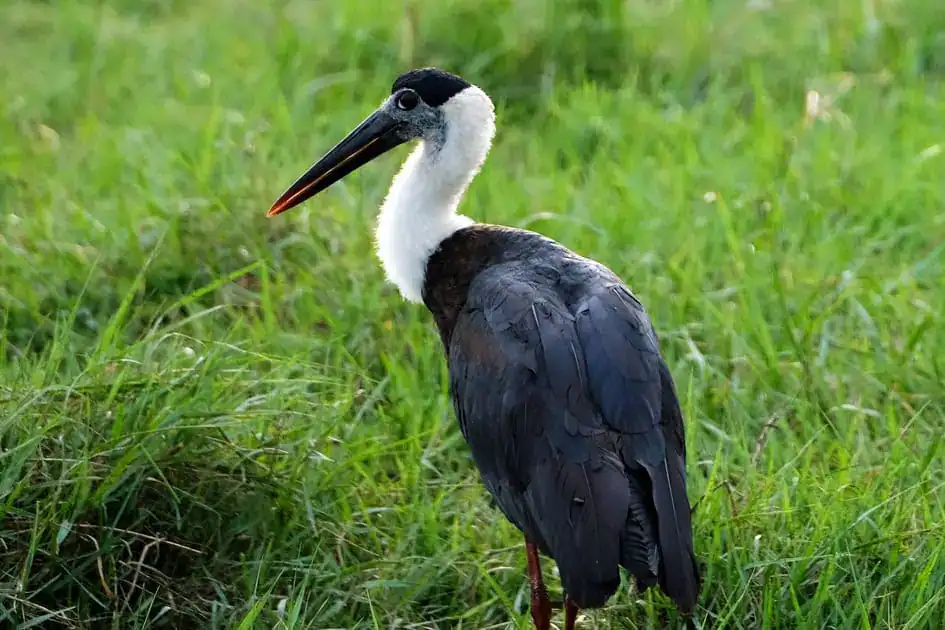
Woolly Necked Stork in Kaudulla (Photo: DammikaD, CC BY-SA 4.0)
Who Will Enjoy Kaudulla National Park Most
Kaudulla National Park suits travellers who want a focused wildlife experience.
You will enjoy the park if you prefer:
- Close elephant encounters
- Quiet safari settings
- Open landscapes for photography
- Birdwatching opportunities
Families find the park manageable and safe with proper guidance. Photographers enjoy clear sightlines. Solo travellers enjoy the calm pace.
Preparing for Your Safari
Preparation shapes your experience at Kaudulla National Park. Plan your visit with care.
Choose a reliable safari operator. Confirm your booking in advance. Check the weather before your trip.
Arrive on time for your safari session. Late arrivals reduce your chances of seeing wildlife.
Listen to your guide. Their knowledge improves your experience.
What to Bring for Your Safari
Bring simple and practical items. Focus on comfort and safety:
- Light clothing in neutral colours
- Hat and sunglasses
- Sunscreen
- Drinking water
- A camera with a zoom lens
- Binoculars for birdwatching
Avoid bright colours. These may disturb animals. Keep your belongings secure during the ride.
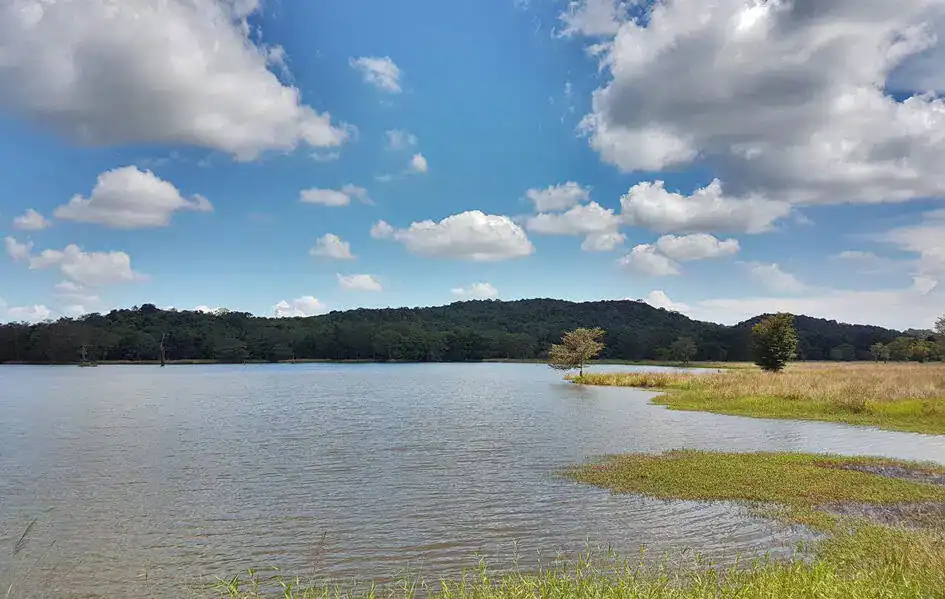
Kaudulla Tank (Photo: KR Chrutti, CC BY-SA 4.0)
Nearby Attractions
Kaudulla National Park sits in the heart of Sri Lanka’s Cultural Triangle. This region offers a rare mix of wildlife and history within easy reach. You can build a rich itinerary without long drives.
Start with Sigiriya Rock Fortress. This site rises high above the plains. You climb stone steps to reach the summit. The view at the top shows forests, lakes, and villages. Early-morning visits help you avoid the heat and crowds.
Next, visit Polonnaruwa Ancient City. This site shows Sri Lanka’s medieval past. You see temples & religious landmarks, statues, and royal buildings. The Gal Vihara stands out for its large rock-carved Buddha statues.
Dambulla Cave Temple offers a different experience. You walk through caves filled with paintings and statues. The site sits on a hill, so expect a short climb.
You also find Minneriya National Park nearby. This park shares the same elephant population as Kaudulla. Some travellers visit both parks to compare experiences.
These attractions sit within one to two hours of Kaudulla National Park. You can plan day trips with ease and keep your schedule simple.
Simple and Easy Plans That Work
A clear plan helps you get the most from your visit. You do not need a packed schedule.
Day 1
Arrive in Habarana or Sigiriya. Check into your hotel. Rest after your journey. Take a short walk or enjoy the hotel surroundings.
Day 2
Start early and visit Sigiriya Rock Fortress. Return to your hotel for lunch and rest. Head out for an afternoon safari at Kaudulla National Park. This timing increases your chances of seeing elephants near water.
Day 3
Visit the ancient city of Polonnaruwa in the morning. Spend time exploring ruins and learning about history. Return in the afternoon or continue to your next destination.
This plan gives a balance of wildlife and culture. You avoid rushing and keep travel time to a minimum.
Facilities Inside Kaudulla National Park
Kaudulla National Park keeps facilities basic. It supports conservation and protects wildlife.
Inside the park, you find:
- Marked jeep tracks
- Ranger posts
- Limited rest areas
You do not find restaurants or shops. Carry water and small snacks before entering.
Toilets remain limited and basic. Plan before your safari begins.
The park focuses on preserving the natural environment. It means fewer built structures and more untouched land.
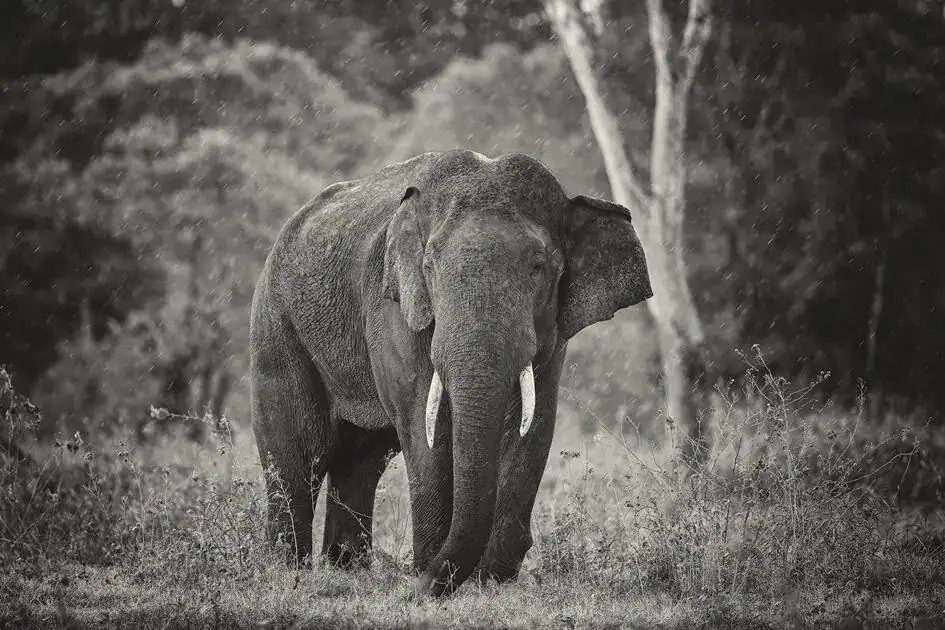
A Tusker – Kaudulla (Photo: Rohit Varma, CC BY-SA 2.0)
Accommodation and Dining Near Kaudulla National Park
You find many accommodation options near Kaudulla National Park. Most visitors stay in Habarana, Sigiriya, or Polonnaruwa.
Accommodation types include:
- Eco lodges set within nature
- Boutique hotels with modern design
- Mid-range hotels with standard facilities
- Budget guesthouses and homestays
Eco lodges attract travellers who want quiet surroundings. Boutique hotels offer comfort and style. Guesthouses provide simple and affordable stays.
Dining options focus on Sri Lankan cuisine. Rice and curry meals remain common. You often get fresh vegetables, lentils, fish, and chicken dishes.
Many hotels also offer Western food. It helps travellers who prefer familiar meals.
Some hotels arrange packed meals for safari trips. Ask your hotel in advance if you plan a long day.
Wildlife Bungalows and Nights Inside the Park
Accommodation inside Kaudulla National Park is limited. The Department of Wildlife Conservation manages a few bungalows across Sri Lanka’s national parks.
Access to these sites requires special permits. Availability remains low. Booking often needs advance planning.
Most visitors stay outside the park. It gives more comfort and easier access to services.
Night safaris do not operate in Kaudulla National Park. This rule protects animals and reduces disturbance. Wildlife remains active after dark, without human pressure.
Best Places, Activities, and Experiences
Kaudulla National Park focuses on safari experiences. Each visit brings different sightings depending on the season and time of day.
Top experiences include:
- Watching large elephant herds gather near the tank.
- Observing young elephants playing in shallow water.
- Spotting birds along wetland edges.
- Seeing crocodiles resting near the reservoir.
- Enjoying wide sunset views across grasslands.
The tank area often becomes the main viewing zone. During peak months, multiple herds appear within the same area.
Birdwatching remains strong throughout the year. Early morning drives offer calm conditions and active bird life.
Each safari feels different. Drivers adjust routes based on recent sightings. It keeps each trip fresh and unpredictable.
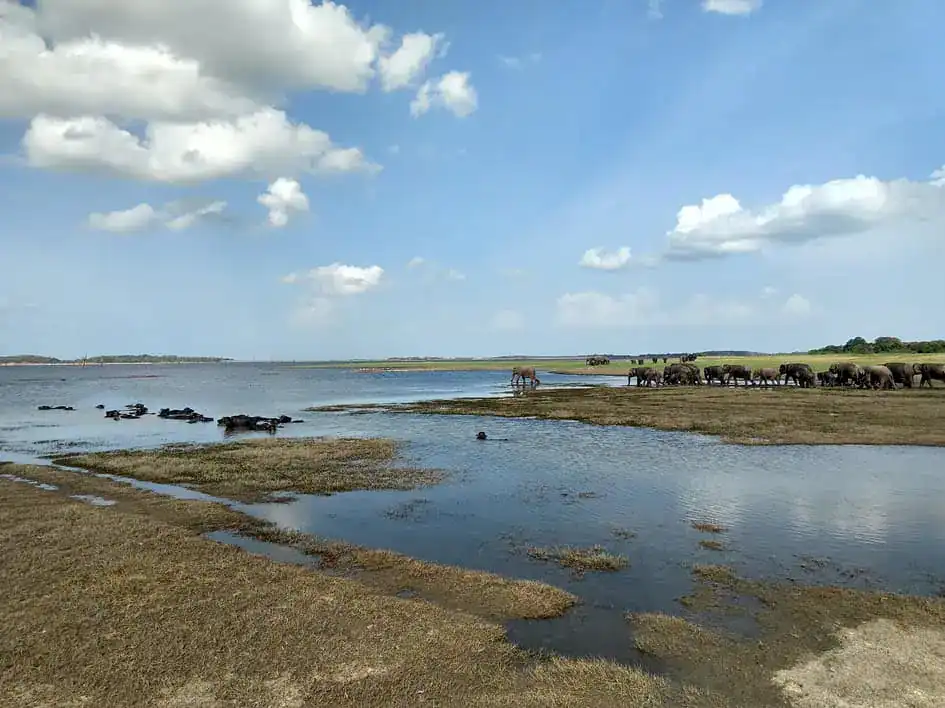
Kaudulla Tank and Elephants (Photo: Amanda, CC BY 2.0)
Special Tips
A few simple choices improve your safari at Kaudulla National Park:
- Choose an experienced driver with local knowledge.
- Visit from July to October for the best elephant sightings.
- Book your safari in advance during peak travel months.
- Avoid weekends if you prefer fewer vehicles.
- Start your safari on time to maximise viewing.
Listen to your guide. They understand animal behaviour and park conditions.
Stay patient. Wildlife sightings depend on movement and timing.
Photography Tips
Kaudulla National Park provides strong conditions for photography. Open land helps you frame clear shots.
Follow these tips for better results:
- Use a zoom lens of at least 200mm.
- Keep your camera ready at all times.
- Shoot during early morning or late afternoon light.
- Focus on eye-level shots for a stronger impact.
- Use fast shutter speeds for moving animals.
- Keep your body steady inside the jeep.
Avoid flash photography. This disturbs animals.
Ask your driver to position the jeep for better angles. Good positioning improves composition.
Do Not Miss
Some moments define your visit to Kaudulla National Park:
- Large elephant gatherings near the reservoir.
- Calves staying close to their mothers.
- Elephants crossing open grasslands.
- Birds flying low across the water at sunset.
- Quiet moments where you observe animals without noise.
These scenes capture the essence of the park.

Wild Elephants in Kaudulla National Park (Photo: David Stanley, CC BY 2.0)
Dos and Don’ts
Follow these simple rules to protect wildlife and ensure safety.
Dos:
- Stay inside the jeep at all times.
- Listen to your guide.
- Keep noise low.
- Respect animal space.
- Carry your waste out of the park.
Don’ts:
- Do not feed animals.
- Do not stand up in the jeep.
- Do not block animal paths.
- Do not use flash photography.
- Do not litter.
These actions help maintain the park’s natural balance.
Handling Animal Encounters
Animal encounters in Kaudulla National Park feel close. Elephants often move near vehicles.
If elephants approach:
- Stay seated and calm.
- Keep silent.
- Avoid sudden movement.
Your driver understands how to respond. Follow their instructions at all times.
Do not try to attract animals for photos. It creates stress for wildlife.
Keep a safe distance. It protects both you and the animals.
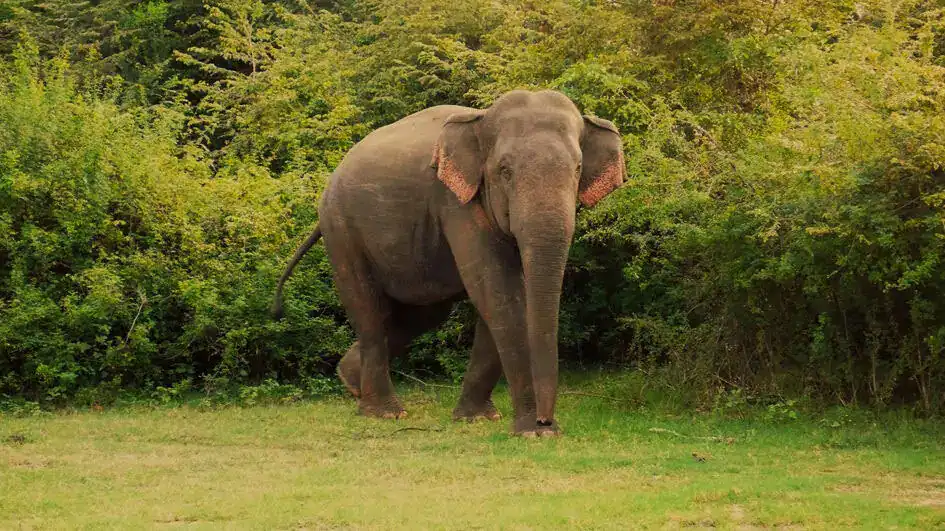
A Roaming Elephant – Kaudulla (Photo: Robert Montaña, PDM 1.0)
Visitor Guide and Safety
Kaudulla National Park remains safe when you follow the rules and guidance.
Key safety tips include:
- Enter only with licensed safari vehicles.
- Follow park opening and closing times.
- Keep a distance from animals.
- Carry enough water for the safari.
- Protect yourself from sun exposure.
Emergency services remain limited inside the park. Preparation helps avoid problems.
Inform your hotel or guide about your safari plan. It adds an extra layer of safety.
Responsible Tourism and Sustainability
Responsible tourism plays a major role in protecting Kaudulla National Park. Your actions have a direct impact on the environment.
Follow these practices:
- Reduce plastic use during your trip.
- Carry reusable water bottles.
- Support local guides and businesses.
- Respect wildlife and keep a distance.
- Avoid crowding animals with vehicles.
Sri Lanka promotes sustainable tourism across its national parks. Kaudulla benefits from this approach.
Supporting responsible travel helps protect wildlife for future visitors.
New to Sri Lanka? So, read our complete Sri Lanka travel guide and find the best itineraries for your travel season.
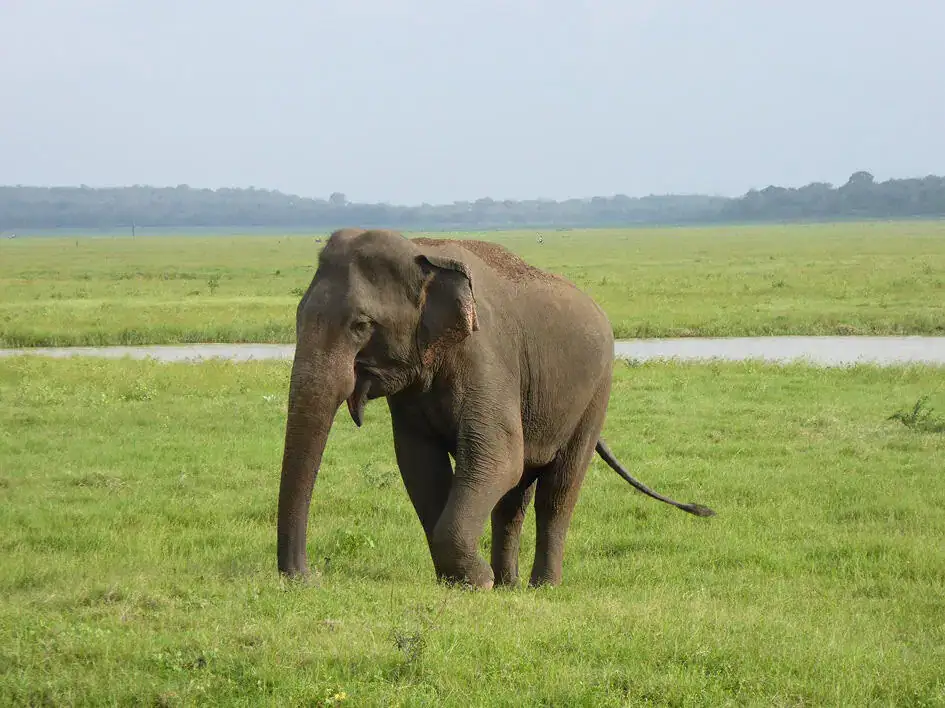
Alone, Lonely Loner (Photo: psychoslave, CC BY-SA 4.0)
Final Thoughts
Kaudulla National Park stands as one of the best places in Sri Lanka to see wild elephants in large numbers. The park offers open landscapes, calm safari conditions, and strong wildlife encounters. You experience nature without heavy crowds.
The park’s location within the Cultural Triangle adds more value to your trip. You can explore ancient cities, temples, and landmarks within a short distance.
Plan your visit during the dry season for the best results. Choose a trusted safari operator. Prepare well and respect park rules.
Kaudulla National Park rewards travellers who value patience, observation, and simple experiences in nature.
Sources and References:
- Sri Lanka Tourism Development Authority, Official statistics, tourism reports, and destination data on visitor trends and national parks.
- Sri Lanka Tourism, Destination guides, travel insights, and official information on Kaudulla National Park and the Cultural Triangle.
- Department of Wildlife Conservation, Sri Lanka, Official information on Kaudulla National Park, biodiversity, conservation efforts, and park regulations.
- International Union for Conservation of Nature, Research and conservation data related to Asian elephants and protected ecosystems.
- World Wildlife Fund, Information on elephant conservation, habitat protection, and biodiversity in Sri Lanka.
- UNESCO World Heritage Centre, Background on nearby Cultural Triangle sites such as Sigiriya and Polonnaruwa.
- Lonely Planet, Travel insights, visitor tips, and regional context for Sri Lanka and its national parks.
- Tripadvisor, Visitor reviews, ratings, and first-hand traveller experiences of Kaudulla safaris.
- Rough Guides, Regional travel recommendations and contextual information about Sri Lanka’s wildlife parks.
- National Geographic, Articles and features on wildlife tourism, elephant gatherings, and Sri Lanka’s ecosystems.
- BBC Travel, Editorial content on Sri Lanka’s wildlife destinations and responsible tourism.
- Asian Elephant Specialist Group, Scientific insights into elephant migration patterns and conservation in South Asia.
Featured image: Elephants in Kaudulla National Park (Photo: Amanda, CC BY 2.0)

I am a Sri Lankan medical doctor who spends my free time travelling, exploring new destinations, and documenting the beauty of the island I call home. I have journeyed across almost every corner of Sri Lanka with my wife and daughter — from wildlife parks and misty mountains to ancient cities, deep forests, rugged landscapes, and quiet beaches.
Travel is not just a hobby for me — it’s a way of life. I love nature, enjoy road trips, and find joy in wildlife photography. I also read widely about tourism, travel trends, and destination culture. Through my writing, I aim to help travellers experience Sri Lanka through real stories, meaningful insights, and honest recommendations — the same way I explore it with my own family.