

You want warm beaches, rich culture, nature & wildlife, and food that costs less than a coffee in Europe. You also want to keep your travel budget under control. Budget travel in Sri Lanka answers both needs. This island offers a rare mix of low daily costs and high-value experiences. You move from misty hills to golden beaches in a few hours. You eat fresh meals for a few dollars. You meet locals who welcome you into their homes. This guide shows how to travel in Sri Lanka on a tight budget without cutting the best parts of your trip.
Sri Lanka has seen strong growth in tourism. The Sri Lanka Tourism Development Authority’s data shows a recent rise in budget travel and backpacking in Sri Lanka. You will find more hostels, cheap transport, and low-cost food options across the island. It creates a strong base for backpackers who want value without stress.
Why Sri Lanka Suits Budget Travellers
Sri Lanka works well for budget travel due to its size and diversity. You travel short distances and still see a wide range of places. You save both time and money.
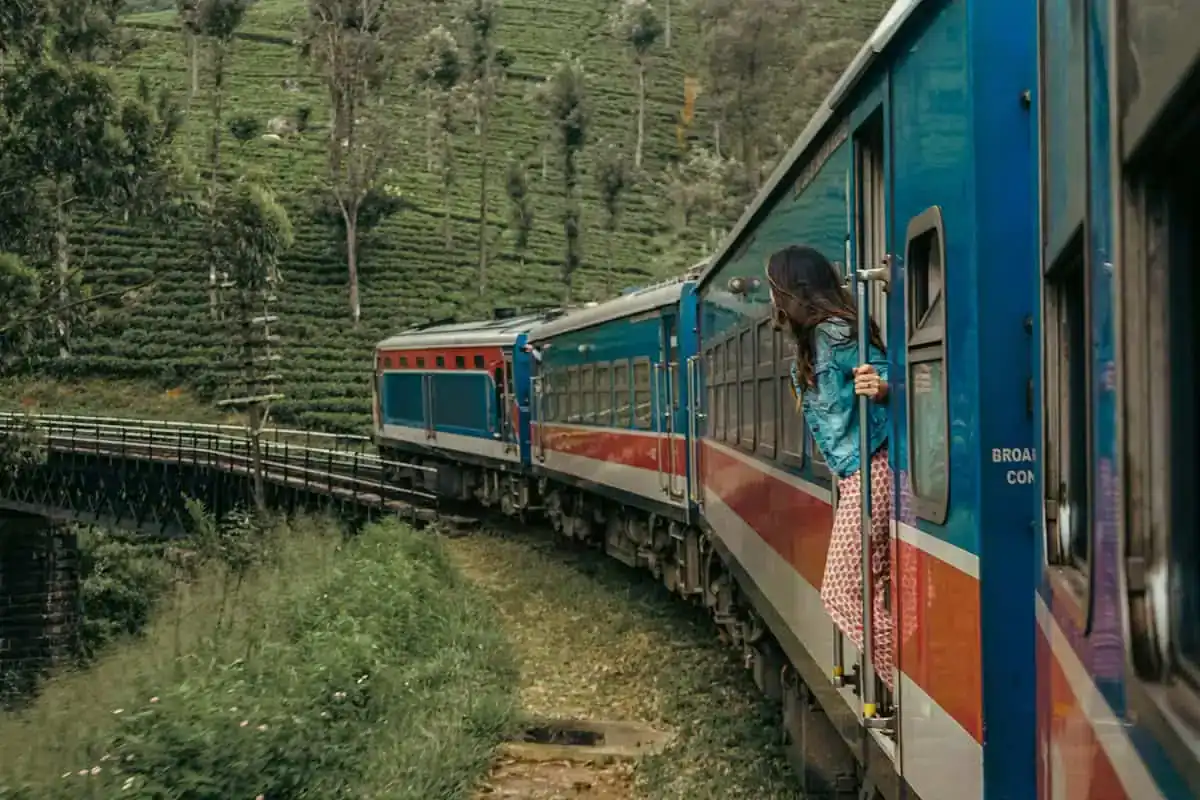
You find beaches in the South, tea hills in the centre, and ancient cities in the North and East. You avoid long flights or costly internal travel. A train ride from Kandy to Ella costs a few dollars and offers views that match any luxury trip.
The local economy supports small businesses. Family guesthouses, street food stalls, and local buses dominate daily life. These options cost less and give you a closer look at real Sri Lanka.
Tourism is a significant part of the economy. Therefore, Sri Lanka targets tourism growth by providing better services while keeping prices competitive to attract more travellers.
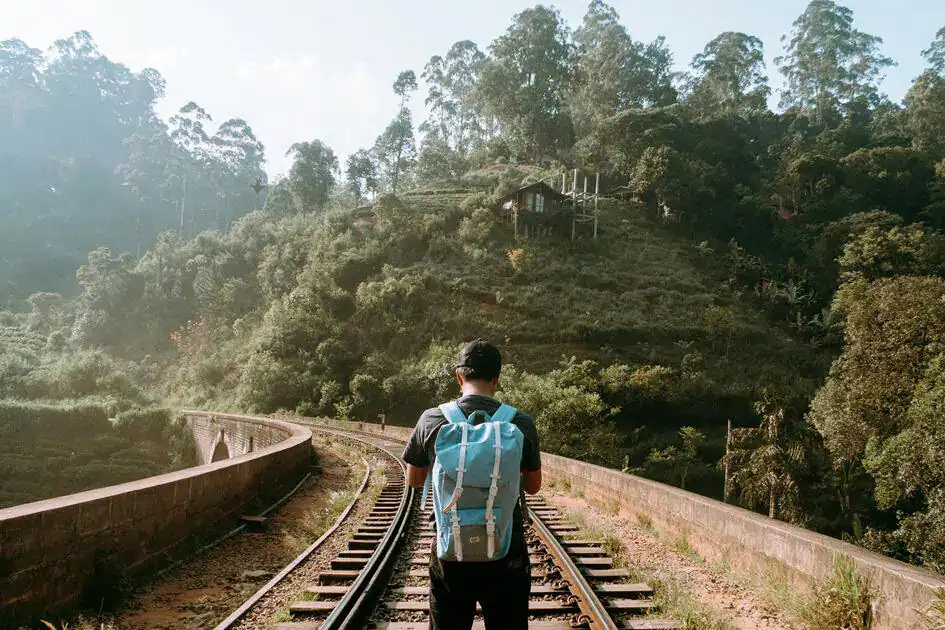
Over the Nine Arch Bridge – Ella (Photo: Genine Alyssa Pedreno-Andrada, via Pexels)
Daily Cost of Budget Travel in Sri Lanka
You control your spending with ease. A basic budget covers all your needs.
Accommodation ranges from $5 to $20 per night. Hostels offer dorm beds at the lowest price. Guesthouses provide private rooms with simple comfort.
Sri Lankan Food stays cheap and filling. A plate of rice and curry costs $2–$3. Street food items like kottu or hoppers cost even less.
Transport costs remain low. Local buses charge less than one dollar for short trips. Trains cost a few dollars even for long routes.
Activities depend on your plan. Some cultural sites charge higher fees for foreign visitors. Yet many nature-based activities cost little or nothing.
A backpacker budget often sits between $15 and $35 per day. This range supports comfortable backpacking in Sri Lanka with room for small extras.
Where to Stay On a Budget
Accommodation shapes your daily cost. Sri Lanka offers many low-cost options across all major destinations.
Hostels have grown in recent years. Cities like Colombo, Ella, and Mirissa now host modern backpacker spaces. These places offer dorm beds, shared kitchens, and social areas. Prices stay low while the experience feels welcoming.
Guesthouses remain the most common option. Local families run these small properties. You get a private room, basic amenities, and often home-cooked meals. Prices stay affordable, and service feels personal.
Homestays offer deeper cultural contact. You stay with a family and share daily life with them. This option works well for travellers who value connection over luxury.
Budget stays also appear near tea plantations and rural areas. These places cost less and provide calm surroundings away from tourist crowds.
Book a few nights in advance during peak season. At other times, you find good deals by walking in and asking directly.
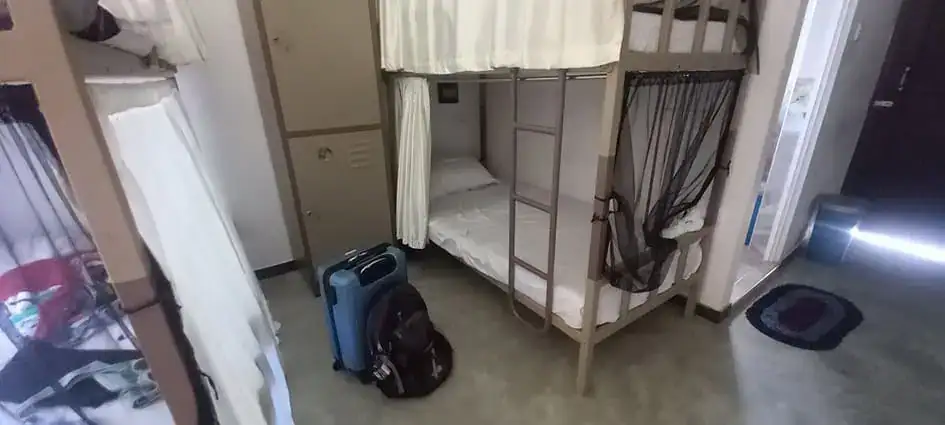
Space Garden Hostel – Mirissa Beach (Photo: young shanahan, CC BY 2.0)
Getting Around Sri Lanka for Less
Transport remains one of the strongest points for budget travel in Sri Lanka. You move across the island at low cost.
Trains provide the best value and the best views. The route from Kandy to Ella stands out. You pass tea fields, forests, and small villages. A second-class ticket costs a few dollars. Book early for popular routes.
We recommend reading “Scenic Train Rides in Sri Lanka: Best Routes, Tips, and How to Choose the Right Journey.“
Buses cover almost every part of the country. Local buses run often and cost very little. They feel crowded at times, yet they move fast and connect remote areas.
Tuk-tuks serve short distances. Always agree on a price before the ride. Use apps like PickMe, HelaGo, and Uber in larger cities to avoid overcharging.
Ride-sharing services operate in Colombo and nearby areas. These options offer fair pricing and clear routes.
Food in Sri Lanka on a Budget
Food plays a major role in your travel experience. Sri Lanka offers rich flavours at low cost.
Rice and curry stand as the base of daily meals. You receive rice with several side dishes. These include vegetables, lentils, fish, or chicken. Portions feel generous, and prices stay low.
Street food offers quick and cheap meals. Kottu roti mixes chopped flatbread with vegetables, egg, or meat. Hoppers are bowl-shaped pancakes with egg or sweet fillings.
Small local eateries serve fresh meals at low prices. Avoid tourist-focused restaurants for the best value.
Fresh fruit appears across the island. Mangoes, pineapples, and bananas cost little and taste fresh.
Drink bottled water to stay safe. Carry a reusable bottle when possible.
Backpacking in Sri Lanka often means you eat well while spending little. Food becomes an easy way to save money.
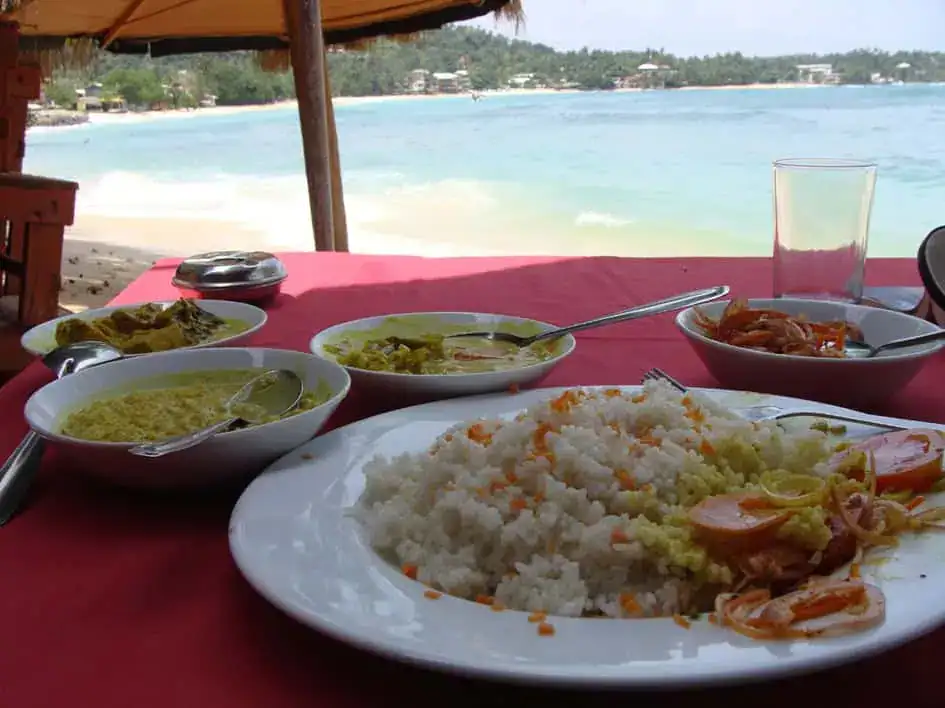
Having a Rice and Curry Meal – Unawatuna Beach (Photo: Francoise C, CC BY-NC 2.0)
A Practical 10-Day Budget Itinerary
A clear plan helps you manage time and cost. This sample itinerary covers major highlights while staying budget-friendly.
Day 1 in Colombo. Explore markets, temples & religious landmarks, and street food spots. Use public transport.
Day 2 and 3 in Sigiriya and Dambulla. Visit the rock fortress and cave temples. Stay in a guesthouse.
Day 4 and 5 in Kandy. See the Temple of the Tooth and walk around the lake. Take a cheap train ride.
Day 6 and 7 in Ella. Hike Little Adam’s Peak and visit tea plantations. Enjoy the scenic train journey.
Day 8 to 10 on the South Coast. Choose Mirissa or Unawatuna for beaches. Relax, swim, and watch sunsets.
This route limits long travel days. You reduce costs and avoid fatigue.
Free and Low-Cost Experiences
Sri Lanka offers many activities that cost little or nothing.
Beaches remain open and free. You swim, relax, and walk along long stretches of sand.
Hiking trails around Ella provide great views. Little Adam’s Peak requires no entry fee.
Temples often charge small donations. You gain access to cultural sites without high costs.
Wildlife spotting occurs in many areas. You see monkeys, birds, and even elephants in some regions without booking expensive safaris.
Local markets offer a look into daily life. You walk through stalls, taste snacks, and interact with vendors.
These experiences form the core of budget travel in Sri Lanka. You spend less while gaining more.
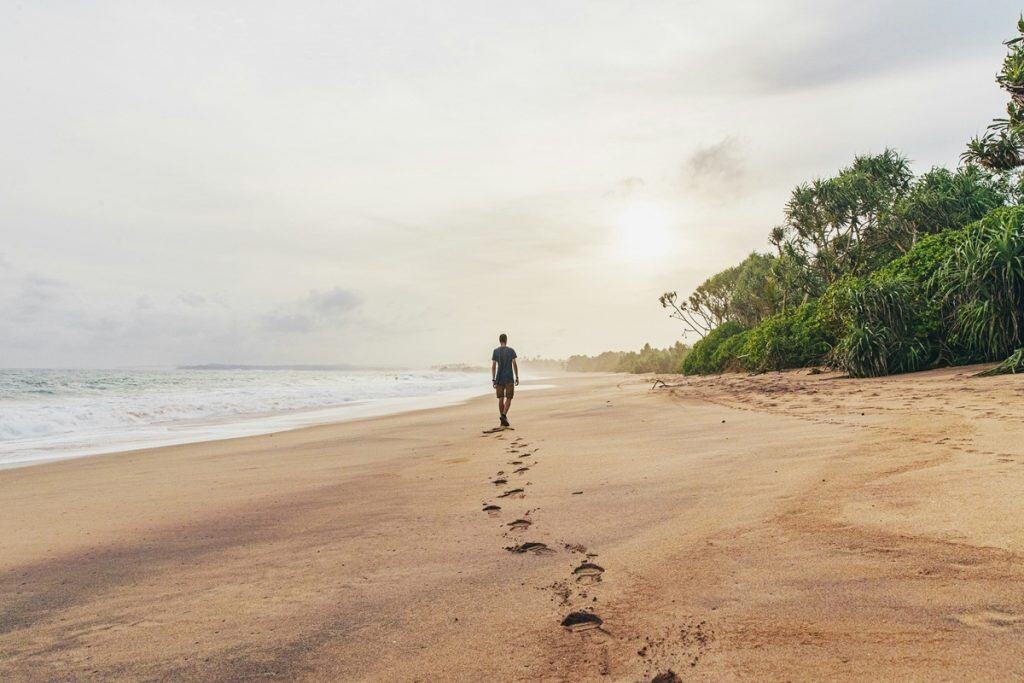
Walking Along Tangalle Beach (Photo: Jannes Jacobs, via Unsplash)
Smart Tips for Saving Money
You control your budget with a few simple habits.
Travel during shoulder seasons. Prices drop and crowds thin out.
Use public transport instead of private taxis.
Eat at local places instead of tourist restaurants.
Book accommodation directly when possible.
Carry cash for small purchases.
Learn a few local phrases to connect with people.
Backpackers in Sri Lanka often share tips with each other. Hostels and guesthouses serve as good places to exchange advice.
Common Mistakes to Avoid
Many travellers spend more than they need due to simple errors.
They book tours at high prices without comparing options.
They rely solely on taxis rather than trains or buses.
They visit during peak season without planning.
They stay only in popular tourist zones where prices rise.
You avoid these issues by conducting basic research and seeking local advice.
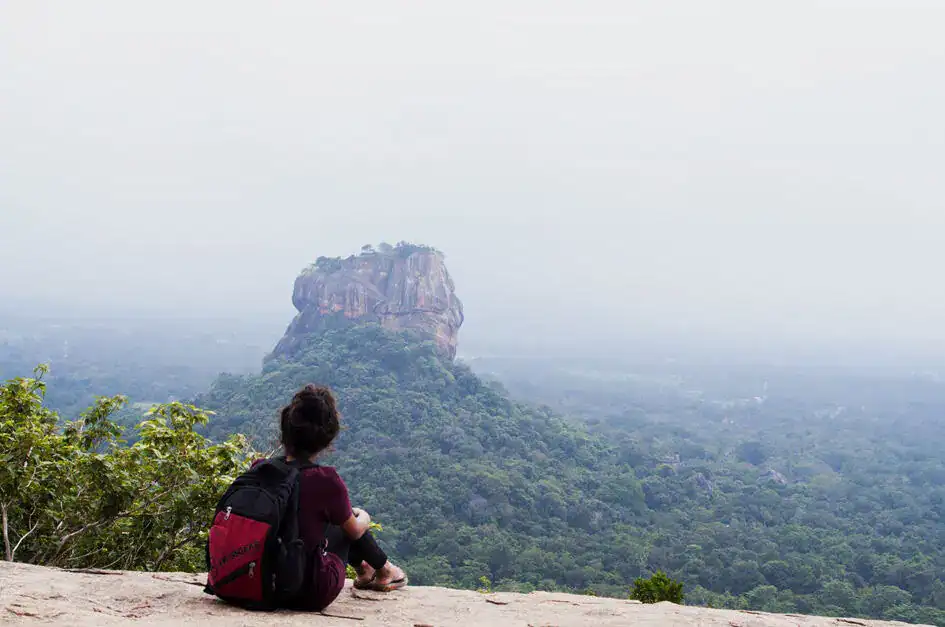
The View of Sigiriya Rock Fortress from Pidurangala Rock (Photo: Tharuka shyaman, CC BY-SA 4.0)
Cultural Tips for Budget Travel in Sri Lanka
Understanding local culture helps you travel better and spend less. Sri Lanka has strong traditions shaped by religion, family, and community life. Most people follow Buddhism, with Hindu, Muslim, and Christian groups across the island. You see temples in every town. You hear prayer chants in the morning. You notice respect in daily interactions.
Dress modestly when you visit temples. Cover your shoulders and knees. Remove your shoes before entering sacred places. These simple actions help you avoid issues and show respect.
People greet each other with a smile and a slight bow. You gain trust when you respond with the same warmth. Many locals speak English, especially in tourist areas. In rural areas, basic words in Sinhala or Tamil go a long way. Learn a few simple phrases. You will get better prices and more helpful advice.
Safety for Budget Travellers
Sri Lanka feels safe for most travellers. Backpackers in Sri Lanka move across the island with ease. Still, you need to follow basic precautions.
Use trusted transport options at night. In cities, ride-sharing apps provide clear pricing and safer routes.
Check weather patterns before you travel. Sri Lanka has two monsoon seasons. The Southwest Coast gets rain from May to September. The Northeast Coast sees rain from October to January. Plan your route based on the season to avoid delays and extra costs.
Read about the weather and the best time to visit Sri Lanka.
Health care remains affordable. Carry basic medication and travel insurance. Eat at clean places and drink bottled water.
Female travellers report positive experiences across Sri Lanka. Dress modestly in rural areas. Stay in well-reviewed guesthouses or hostels.

A tuk-tuk, one of the famous modes of transport in Sri Lanka (Photo: MadebyNastia, via Pixabay)
Sustainable Travel on a Budget
Your choices affect local communities. Budget travel in Sri Lanka can support small businesses and protect the environment.
Stay in family-run guesthouses. Your money goes directly to locals.
Eat at small eateries instead of large chains. It supports local farmers and cooks.
Reduce plastic use. Carry a reusable bottle and bag.
Respect wildlife. Avoid attractions that harm animals. Choose ethical wildlife safaris and guides.
Tourism plays a key role in Sri Lanka’s recovery. The government works to rebuild after recent economic challenges. The Sri Lanka Tourism Development Authority promotes sustainable growth. Your spending helps local families rebuild their income.
Read about “Sustainable Travel in Sri Lanka: How to Explore Responsibly“.
Advanced Tips for Backpacking in Sri Lanka
Once you understand the basics, you can refine your travel style and save even more.
Travel slowly. Spend more time in each place. You reduce transport costs and enjoy deeper experiences.
Mix destinations. Combine popular spots with lesser-known areas. Prices drop outside major tourist zones.
Read about “Hidden Gems in Sri Lanka: Offbeat Spots and Untold Stories“.
Use overnight travel when possible. Night buses save the cost of one night of accommodation.
Negotiate prices in markets and for tuk-tuks. Stay polite and calm. You will often get a fair deal.
Join group tours for expensive activities. Safari costs drop when shared with others.
Work with local guides. They offer better insight at lower prices compared to large tour companies.
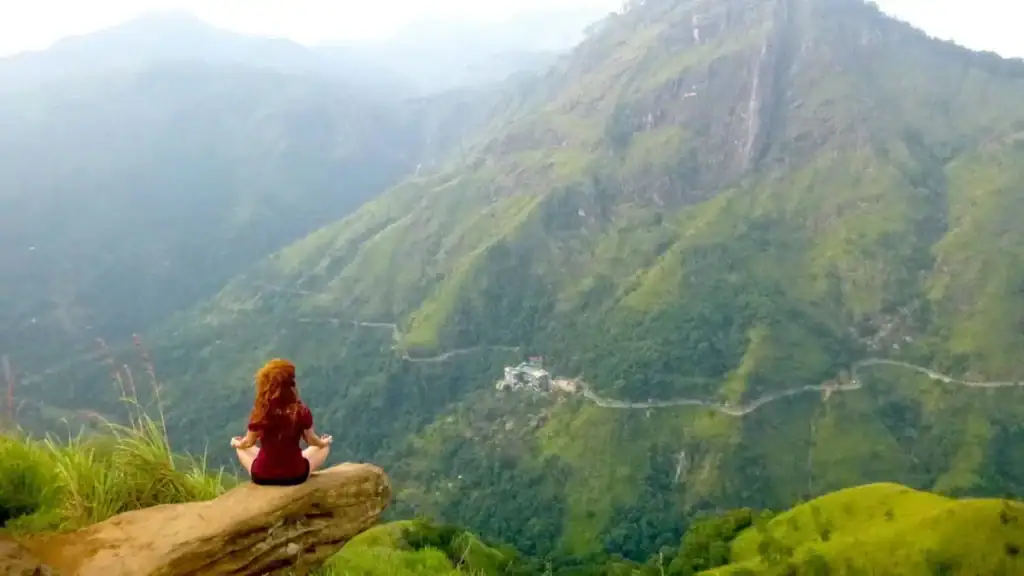
Ella – A Scenic View (Photo: Kirsty Barnby, via Unsplash)
Best Destinations for Budget Travellers
Some places in Sri Lanka stand out for their value and experience.
Ella attracts many backpackers. You find cheap hostels, scenic hikes, and relaxed cafes. The town feels social and easy to navigate.
Mirissa offers beaches and nightlife at a low cost. You can relax during the day and enjoy simple bars at night.
Kandy provides culture and history. Entry fees apply for some sites, yet you find many free walks and views.
Sigiriya draws visitors with its rock fortress. Entry costs more than other sites, yet the experience feels unique. Budget travellers often hike nearby Pidurangala Rock for a cheaper view.
Arugam Bay suits surfers and those who want a quiet beach vibe. Prices stay low outside peak surf season.
Jaffna in the North offers a different cultural feel. Fewer tourists visit this region, so prices stay lower.
Each destination adds variety to your trip without raising your daily budget.
Digital Nomads and Long Stays
Sri Lanka has become popular with digital nomads. Low costs and good internet access in cities attract long-term travellers.
Colombo offers co-working spaces, cafes, and strong connectivity. You can live on a modest budget while working online.
Beach towns like Weligama and Hiriketiya attract remote workers. You find a mix of surf culture and work-friendly cafes.
Long stays often lead to better accommodation deals. Many guesthouses offer weekly or monthly rates at lower prices.
Visa rules change, so check official sources before planning a long stay.
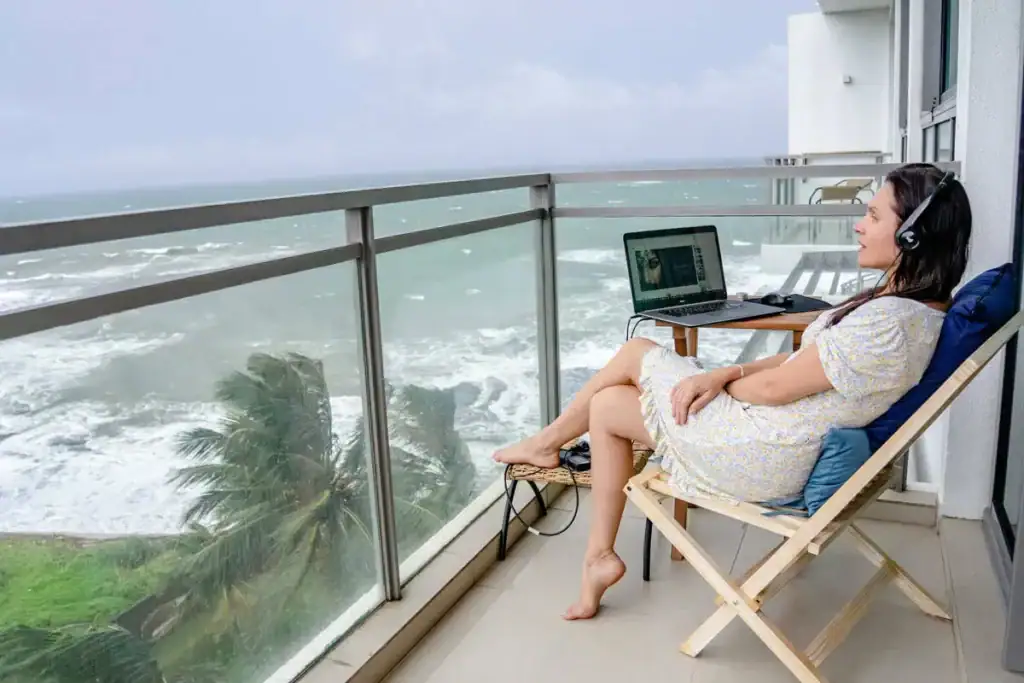
Working remotely from an ocean-view balcony in Sri Lanka (Photo: Atlantic Ambience, via Pexels)
Sample Weekly Budget for Backpackers
A clear weekly budget helps you plan better. Here is a simple breakdown for backpackers in Sri Lanka.
- Accommodation: 7 nights at $10 per night equals $70
- Food: $8 per day equals $56
- Transport: $20 for the week
- Activities: $40 for entry fees and tours
Total: around $186 for one week
You can lower this cost by choosing cheaper stays or fewer paid activities. You can raise it by adding tours or private transport.
Reviews From Travellers
Many travellers share positive experiences about budget travel in Sri Lanka. Reviews highlight friendly locals, cheap food, and easy transport.
Backpackers often mention the train ride from Kandy to Ella as a highlight. They also praise the variety of landscapes within short distances.
Some reviews note higher entry fees at major attractions. Budget travellers balance this by choosing free activities on other days.
Guesthouses receive strong feedback for hospitality. Many travellers mention home-cooked meals and helpful hosts.
These reviews show that Sri Lanka offers strong value for money.
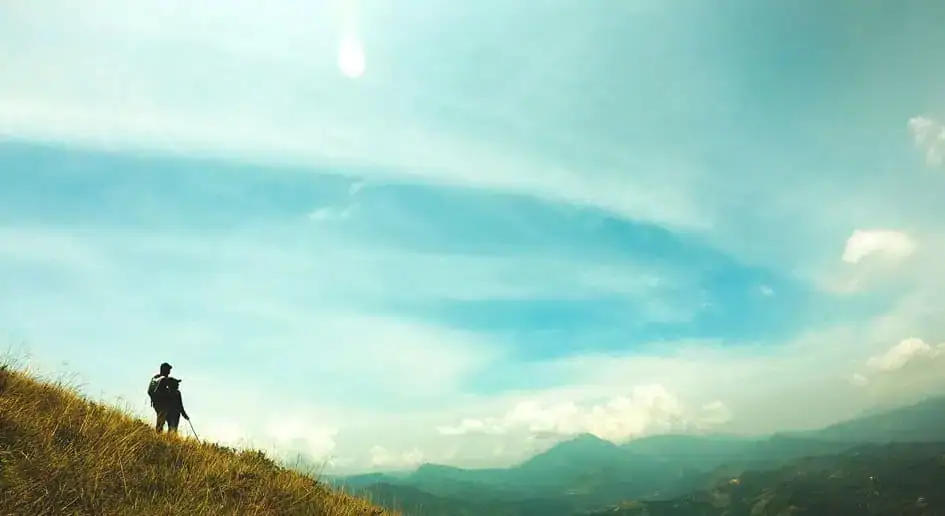
Hiking & Trekking Are Scenic, Healthy, and Economical. – Narangala, Sri Lanka (Photo by Nilantha Sanjeewa on Unsplash)
Food Safety and Eating Smart
Eating local food saves money and adds to your experience. You still need to stay careful.
- Choose busy food stalls. High turnover means fresh food.
- Avoid raw items if you are unsure about hygiene.
- Wash your hands before meals.
- Drink bottled or filtered water.
These steps reduce health risks and keep your trip smooth.
Packing Tips for Budget Travel
Packing smart helps you avoid extra costs.
- Carry light, warm-weather clothing.
- Bring a light jacket for hill country areas like Ella and Nuwara Eliya.
- Use a small backpack to move easily on buses and trains.
- Carry a reusable water bottle and basic toiletries.
- Pack a power bank for long travel days.
You avoid buying items on the road at higher prices.
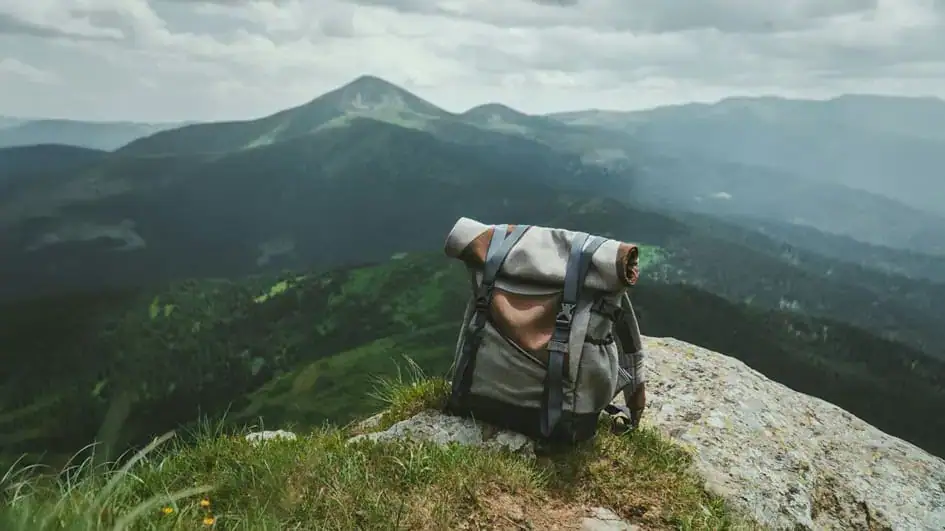
A travel bag (Photo: Yaroslav Konyk, via Unsplash)
Weather and Timing Your Trip
Sri Lanka’s weather affects your plan and your budget.
Travel to the South and West Coast from December to April. This period offers dry weather and good beach conditions.
Visit the East Coast from May to September. You will find better weather and lower prices.
The hill country stays cooler year-round. Rain can occur at any time, so pack accordingly.
Shoulder seasons offer the best balance. Prices drop, and crowds reduce. You still enjoy good weather in many areas.
New to Sri Lanka? Read our “Sri Lanka Travel Guide: The Complete Planning Guide for First-Time Visitors“.
Final Thoughts on Budget Travel in Sri Lanka
Budget travel in Sri Lanka gives you strong value for your money. You move across a diverse island at low cost. You eat fresh food at low prices. You meet people who welcome you with warmth. You build a travel experience based on real connections instead of luxury spending.
Backpacking in Sri Lanka continues to grow as more travellers seek affordable destinations. The country responds with better services while keeping prices within reach. Backpackers in Sri Lanka find a place where simple travel works well.
You now have a clear plan. You know the costs, routes, and travel tips. The next step is simple. Plan your dates, book your first stay, and arrive with an open mind. Sri Lanka will exceed your expectations.
Sources and References:
- Sri Lanka Tourism Development Authority, Annual Statistical Reports and Tourism Performance Reports (2024–2026).
- Sri Lanka Tourism, Official destination guides, travel updates, and itineraries.
- Central Bank of Sri Lanka, Economic data and tourism revenue statistics.
- World Tourism Organization, Global tourism trends and comparative data.
- World Bank, Sri Lanka economic recovery and tourism impact reports.
- Tripadvisor, Traveler reviews on accommodations, attractions, and budget experiences.
- Booking.com, Pricing data for budget accommodation and guesthouses.
- Rome2Rio, Transport routes and cost estimates across Sri Lanka.
- Lonely Planet, Sri Lanka travel insights, itineraries, and budget tips.
- Rough Guides, Backpacking routes and cost-saving strategies.
- Numbeo, Average prices for food, transport, and daily expenses.
- Skyscanner, Flight price trends and budget travel insights.
Featured image: Kandy to Ella Train Through the Tea Hills (Photo by Matt Dany on Unsplash)

I am a Sri Lankan medical doctor who spends my free time travelling, exploring new destinations, and documenting the beauty of the island I call home. I have journeyed across almost every corner of Sri Lanka with my wife and daughter — from wildlife parks and misty mountains to ancient cities, deep forests, rugged landscapes, and quiet beaches.
Travel is not just a hobby for me — it’s a way of life. I love nature, enjoy road trips, and find joy in wildlife photography. I also read widely about tourism, travel trends, and destination culture. Through my writing, I aim to help travellers experience Sri Lanka through real stories, meaningful insights, and honest recommendations — the same way I explore it with my own family.