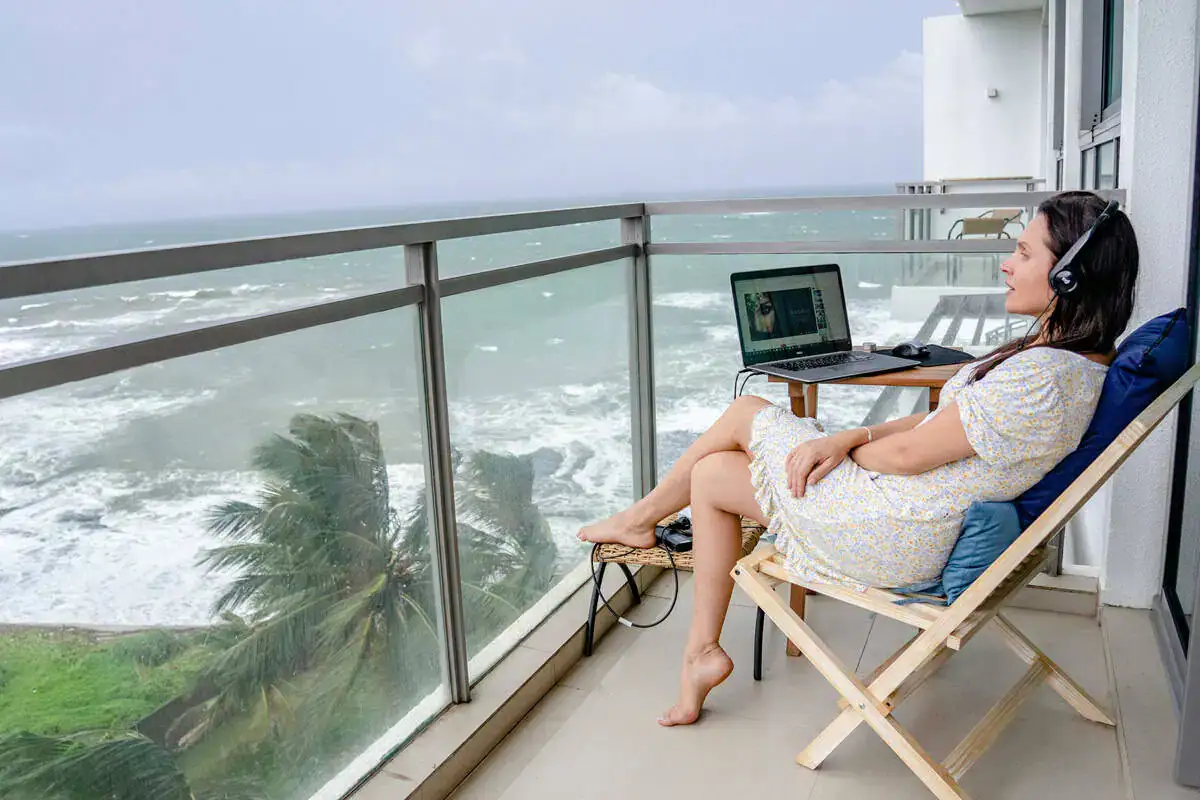

The idea of working from a tropical island no longer belongs to fantasy. Remote work reshaped how people live, travel, and build careers. Today, digital nomads search for destinations where productivity meets lifestyle. Sri Lanka has quickly entered that conversation. With its newly introduced digital nomad visa, improving infrastructure, and welcoming culture, the island now stands out as one of Asia’s most promising destinations for remote professionals. Digital nomads who visit Sri Lanka often arrive expecting a short stay and later extend their plans after experiencing how easily work and travel blend here.
Sri Lanka offers a rare balance. You finish your morning meetings while looking at the ocean. You step outside and reach a beach, a mountain trail, or a historic city within hours. The Sri Lanka Tourism Development Authority declares that the country continues to expand long-stay tourism options while promoting sustainable travel experiences. The government recognises remote workers as an important part of modern tourism growth. This shift explains the launch of the official digital nomad visa by the Department of Immigration and Emigration of Sri Lanka, designed specifically for foreign nationals earning income from overseas while living on the island.
This guide explains everything you need to know before choosing Sri Lanka as your remote base. You will learn where to work comfortably, what daily life feels like, what infrastructure supports remote work, and why more nomad communities are now choosing Sri Lanka as a long-term destination.
Why Digital Nomads Are Choosing Sri Lanka
Digital nomads often look for three things: affordability, a high quality of life, and reliable connectivity. Sri Lanka delivers all three in a compact geographical area.
The island allows you to experience multiple environments without long travel days. Popular beaches, hill country, nature & wildlife reserves, and heritage & cultural cities are within easy reach. A train journey transforms your surroundings from tropical coastline to cool mountain landscapes in a few hours.
English remains widely spoken in tourist areas, making everyday tasks such as renting accommodation, ordering Sri Lankan food, or arranging transport easier. Hospitality plays a central role in Sri Lankan culture. Visitors often notice the genuine friendliness of locals, which helps remote workers settle in quickly.
Sri Lanka Tourism promotes experiential travel rather than mass tourism. This approach aligns well with digital nomads seeking meaningful stays instead of rushed vacations. Cafés, boutique accommodations, and coworking-friendly spaces continue to grow, especially along the South Coast.
Before deciding how to travel in Sri Lanka, read our step-by-step Sri Lanka planning guide for a full planning overview.
Understanding the Digital Nomad Visa in Sri Lanka
The Department of Immigration and Emigration recently introduced the digital nomad visa to attract remote professionals. This digital nomad visa allows foreign nationals to live in Sri Lanka while working remotely for companies or clients located outside the country.
According to official immigration documentation, applicants must meet several requirements:
- Proof of remote employment or online business activity.
- Minimum monthly income requirement of USD 2,000.
- Valid passport and health insurance coverage.
- Application submission through the official immigration process.
The visa focuses on individuals earning income abroad rather than local employment. This structure supports tourism growth while maintaining a balance in local labour.
For digital nomads, this creates legal clarity. You stay longer, rent accommodation confidently, and build a stable routine while continuing professional work.
The introduction of this visa signals Sri Lanka’s commitment to welcoming remote professionals as long-term visitors.
Read more about the Digital Nomad Visa Category in Sri Lanka (PDF).
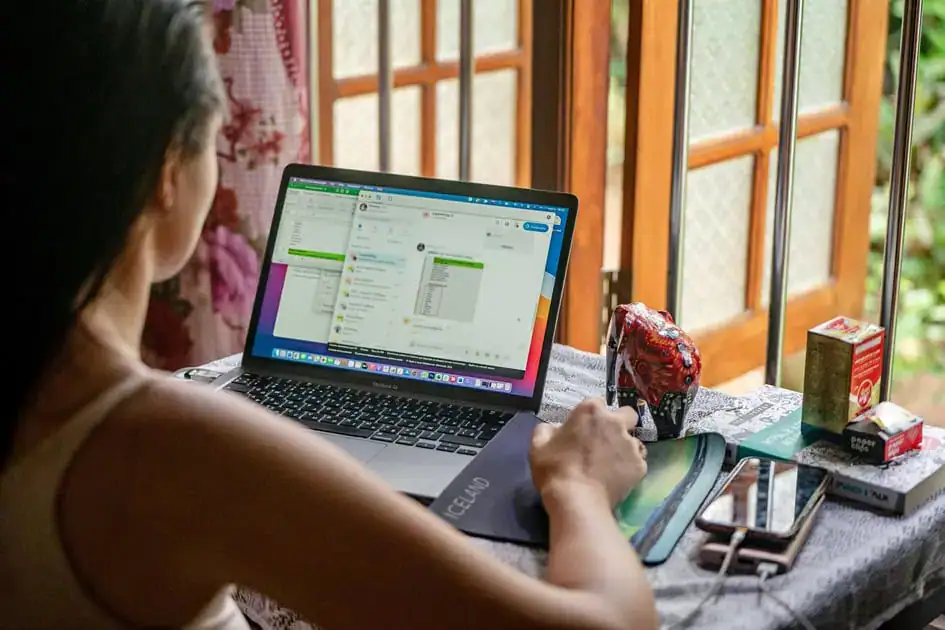
Working Remotely from Sri Lanka (Photo: Atlantic Ambience, via Pexels)
Lifestyle Advantages for a Working Nomad
A working nomad lifestyle depends on daily comfort. Sri Lanka supports this through practical advantages often overlooked during short trips.
Cost of living remains competitive compared with many established nomad hubs. Local meals cost significantly less than Western dining, and long-stay accommodations often offer discounted monthly rates.
Daily routines feel manageable. Grocery stores, cafés, and transport options remain accessible in the most popular areas. Ride-hailing apps (PickMe and HelaGo) operate in major cities, while trains connect key destinations at affordable prices.
Climate variety also helps productivity. Coastal regions provide warm beach environments, while hill country locations such as Ella or Nuwara Eliya offer cooler temperatures ideal for focused work sessions.
Many digital nomads structure their days around work blocks followed by outdoor activity. Morning productivity often pairs well with afternoon surfing, hiking, or cultural exploration.
Find the Best Places for Digital Nomads in Sri Lanka
Choosing the right location determines your remote work experience. Sri Lanka offers several regions suited for different working styles.
Colombo: The Urban Remote Work Base
Colombo provides the strongest infrastructure for digital nomads who prioritise reliability and convenience. As the commercial capital, the city offers coworking spaces, stable internet connections, international restaurants, and modern apartments.
Coworking hubs attract entrepreneurs and remote teams. Cafés welcome laptop users, and business services remain easy to access. The city is also close to Bandaranaike International Airport, which makes arrival and departure easier.
Colombo suits working nomads maintaining structured schedules or frequent online meetings.
Weligama and Mirissa: Beach Life with Productivity
The South Coast has become a favourite among digital nomads. Weligama and Mirissa combine relaxed beach living with growing café culture.
Surf schools, ocean-view cafés, and long-stay guesthouses create an environment where remote work blends naturally with leisure. Many cafés provide reliable Wi-Fi and comfortable seating for laptop users.
Evenings bring together international travellers and remote workers for social interaction. This environment helps newcomers integrate quickly into a supportive community.
Ahangama: Sri Lanka’s Emerging Nomad Hub
Ahangama attracts increasing attention from remote professionals. Boutique cafés, design-focused accommodations, and coworking villas create a balanced work environment.
The atmosphere feels calm yet social. Many digital nomads choose Ahangama for longer stays due to its combination of productivity and relaxed lifestyle.
Local entrepreneurs are actively developing spaces tailored for remote work, further strengthening the area’s reputation.
Ella: Mountain Productivity Escape
Ella offers a completely different rhythm. Located in the hill country, this small town provides cooler weather and scenic surroundings.
Many remote workers report improved focus here due to quieter environments. Morning work sessions often happen with views of tea plantations and mist-covered hills.
Nature trails and viewpoints provide easy breaks between work sessions, helping maintain balance between productivity and wellbeing.
Arugam Bay: Seasonal Remote Community
Arugam Bay on the East Coast becomes active during surf season. Digital nomads gather here for several months each year, forming a temporary international community.
Beach cafés and relaxed guesthouses create informal working environments. The slower pace suits freelancers and creative professionals who prefer flexible schedules.
Kandy: Culture and Comfort Combined
Kandy blends cultural heritage with urban convenience. Reliable services, comfortable accommodation, and scenic surroundings make the city appealing for longer stays.
Remote workers often choose Kandy as a quieter alternative to Colombo while maintaining access to essential facilities.

A Woman with a Laptop at the Beach (Photo: Atlantic Ambience, via Pexels)
Internet and Connectivity for Remote Work
Reliable internet remains a top priority for digital nomads. Sri Lanka performs well in this area, particularly in cities and popular tourism regions.
Major mobile providers offer strong 4G coverage across much of the island. Data packages remain affordable, allowing remote workers to maintain backup connections through mobile hotspots.
Fibre connections exist in many urban accommodations and coworking spaces. Many digital nomads use dual connectivity setups, combining Wi-Fi and mobile data for consistent performance during meetings or uploads.
SIM cards are easy to purchase upon arrival at the airport or local service centres. Setup takes minimal time, allowing remote work to begin almost immediately after arrival.
Cost of Living for Digital Nomads
Sri Lanka offers flexible living costs depending on lifestyle choices.
Accommodation options range from budget guesthouses to modern serviced apartments. Monthly rentals often reduce costs significantly compared with nightly bookings.
Food expenses remain manageable. Local restaurants serve traditional Sri Lankan food at affordable prices, while international cafés offer familiar meals when desired.
Transport remains economical through trains, buses, and ride-hailing services.
We recommend reading about transport in Sri Lanka.
Typical monthly lifestyle categories include:
- Budget lifestyle focused on local experiences.
- Mid-range lifestyle with comfortable accommodation and café workspaces.
- Premium lifestyle, including boutique villas and frequent travel experiences.
Many digital nomads find they maintain a high quality of life while managing expenses effectively.
Coworking Spaces and Work-Friendly Cafés
Digital nomads depend on comfortable work environments outside their accommodation. Sri Lanka continues to develop spaces designed for remote professionals, especially in areas popular with long-stay visitors.
Colombo leads with dedicated coworking spaces offering high-speed internet, meeting rooms, and quiet work zones. These locations attract entrepreneurs, startup founders, and remote employees working across different time zones. Many spaces host networking events, which help newcomers build professional connections quickly.
Along the South Coast, cafés function as informal coworking hubs. Weligama, Ahangama, and Mirissa feature cafés designed for laptop users. Large tables, shaded outdoor seating, and reliable Wi-Fi create productive environments without the formal atmosphere of offices.
Work-friendly cafés usually expect guests to order food or drinks regularly while using the workspace. Respecting this local etiquette helps maintain positive relationships between digital nomads and business owners.
Villa coworking concepts have also grown in popularity. These accommodations combine shared living spaces with dedicated work areas, enabling remote workers to balance productivity and community life.
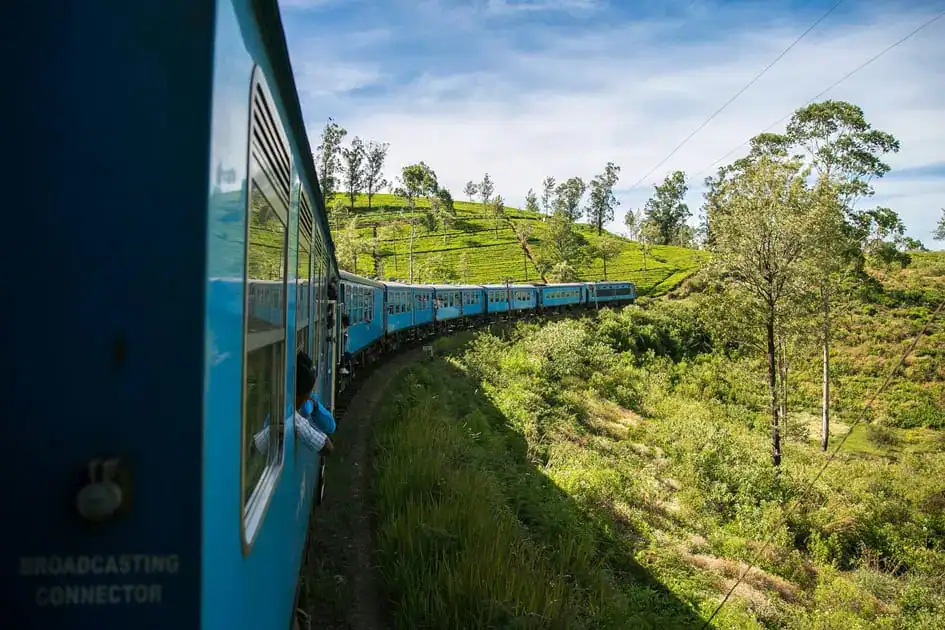
A Train Passing a Tea Plantation in the Hill Country (Photo: Egle Sidaraviciute, via Unsplash)
Daily Life for Digital Nomads in Sri Lanka
Daily routines in Sri Lanka often feel balanced and sustainable. Many digital nomads begin work early to align with European or Asian time zones. Morning hours remain quiet and productive, especially in coastal towns.
After work sessions, outdoor activities become easily accessible. Surfing, yoga, hiking, or short cultural excursions provide natural breaks from screen time. This rhythm supports long-term productivity without burnout.
Food culture plays an important role in daily life. Sri Lankan cuisine offers fresh, quick, and affordable meals. Rice-and-curry lunches, fresh fruit juices, and seafood dinners provide variety throughout the week.
Safety contributes strongly to comfort. Sri Lanka is a welcoming destination for travellers, and Sri Lankans are often willing to assist visitors. Walking through towns, using public transport, or dining alone generally feels relaxed and straightforward.
Healthcare facilities remain accessible in major cities and tourism regions. Pharmacies are widely available, and private medical centres offer services familiar to international visitors.
Best Time of Year for Digital Nomads to Visit Sri Lanka
Sri Lanka’s climate allows year-round travel, though different regions perform best at different times of year. Understanding seasonal patterns helps digital nomads choose ideal work locations.
South and West Coast
December through April offers sunny weather and calm seas. This period suits remote workers seeking beach environments in Weligama, Mirissa, or Ahangama.
East Coast
May through September brings strong conditions to Arugam Bay and nearby beaches. Many digital nomads relocate across the island in response to the favourable weather.
Hill Country
Locations such as Ella and Kandy remain pleasant throughout much of the year due to cooler temperatures. These areas provide consistent alternatives when coastal weather shifts.
This seasonal flexibility allows working nomads to change locations without leaving the country, maintaining productivity while exploring new environments.
We recommend reading about the best time to visit Sri Lanka.
Cultural Etiquette and Living Comfortably
Living in Sri Lanka becomes easier when digital nomads respect local customs. Sri Lankan society values politeness, modesty, and friendliness.
Simple practices help integration:
- Dress modestly when visiting religious landmarks & temples or cultural sites.
- Remove shoes before entering religious locations.
- Greet locals politely when interacting in shops or cafés.
- Support local businesses and family-run accommodations.
These small actions create positive experiences and encourage meaningful connections with local communities.
Sri Lanka Tourism encourages responsible travel practices, emphasising sustainability and cultural respect. Digital nomads who follow these principles often find deeper enjoyment during long stays.
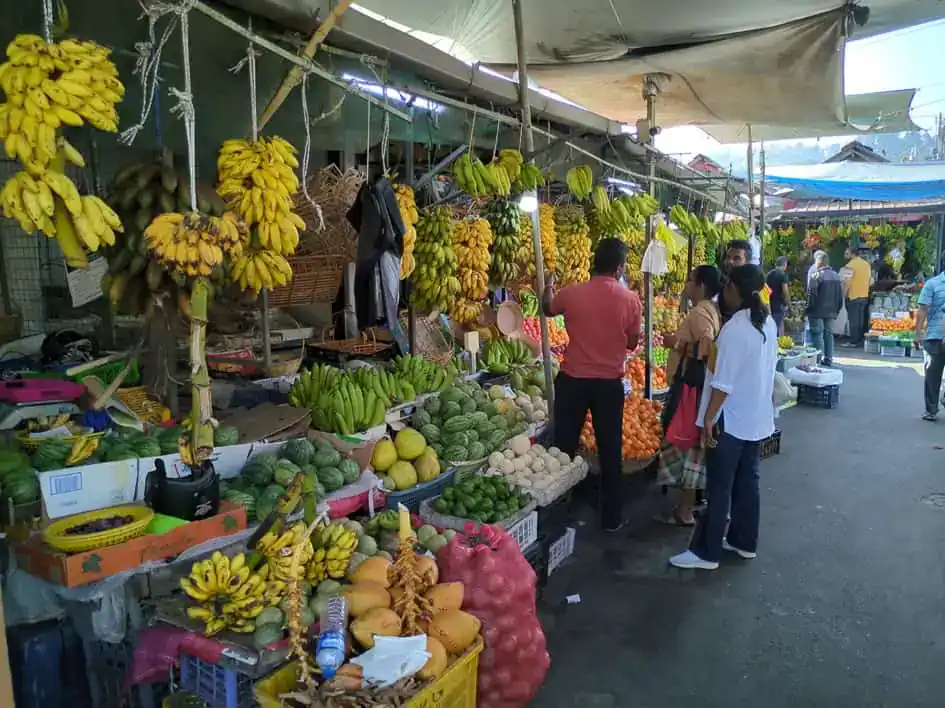
The Street Market in Kandy (Photo: Bergentroll, CC0 1.0)
Practical Productivity Tips for Remote Work
Successful remote work depends on preparation. Digital nomads in Sri Lanka often follow practical routines to maintain consistent performance.
Helpful strategies include:
- Choosing accommodation with strong Wi-Fi reviews.
- Keep a local SIM card as a backup internet connection.
- Scheduling meetings during quieter morning hours.
- Using noise-cancelling headphones in cafés.
- Planning travel days around lighter workloads.
Power supply remains stable in most major areas, and many accommodations include backup solutions. Remote workers who prepare simple contingencies rarely experience disruption.
Community and Social Life
Digital nomads rarely work in isolation in Sri Lanka. Informal communities form naturally in popular areas. Beach cafés, coworking spaces, and shared accommodations encourage conversation among travellers from different countries.
Group activities such as surf lessons, yoga sessions, and weekend excursions create opportunities to build friendships. Many remote workers extend stays after forming connections within these communities.
Unlike crowded global nomad hubs, Sri Lanka maintains a relaxed social environment. Conversations happen naturally rather than through structured networking events, which many visitors appreciate.
Why Sri Lanka Supports Long-Term Remote Living
Several factors explain why digital nomads increasingly choose Sri Lanka over more saturated destinations.
Travel distances remain short, allowing exploration without exhausting schedules. Diverse landscapes prevent routine fatigue. Cultural experiences remain accessible, from ancient temples to wildlife safaris.
The introduction of the digital nomad visa demonstrates national support for remote professionals. According to the Department of Immigration and Emigration, the visa aims to attract skilled global visitors who contribute to tourism while working remotely for overseas employers.
Sri Lanka Tourism Development Authority initiatives continue to promote sustainable and high-quality travel experiences, aligning closely with the needs of long-stay visitors.
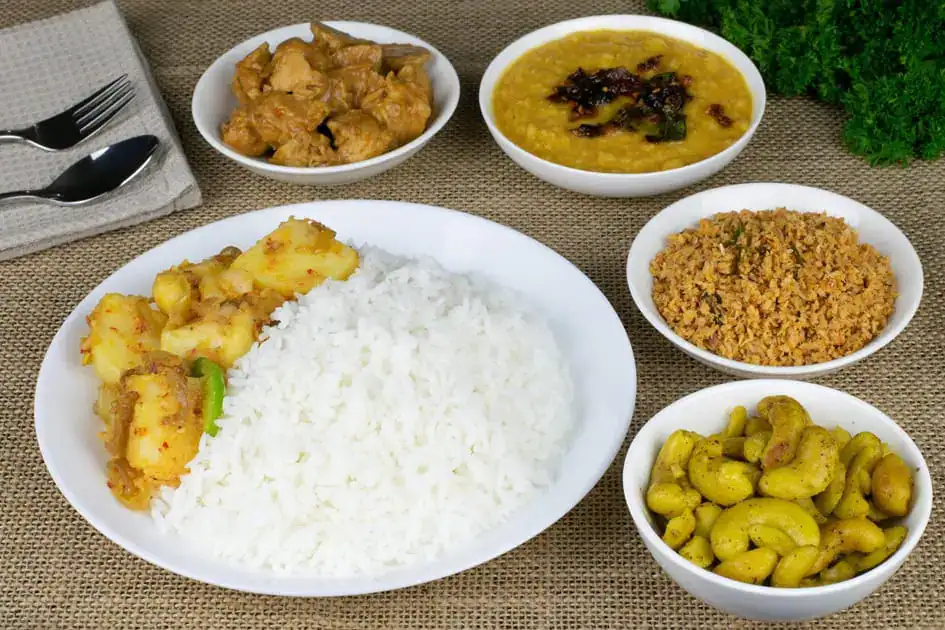
Rice and Curry Meal in Sri Lanka (Photo: Kavinda F, via Pixabay)
Quick Guide: Choosing Your Ideal Remote Work Base
- If you prefer structured urban living, choose Colombo.
- If you want a beach lifestyle with strong social energy, choose Weligama or Mirissa.
- If you seek calm productivity with creative surroundings, choose Ahangama.
- If cooler weather improves focus, choose Ella.
- If you enjoy seasonal surf communities, choose Arugam Bay.
- If culture and city comfort are equally important, choose Kandy.
Each destination supports remote work while offering unique lifestyle advantages.
Why Digital Nomads Should Travel to Sri Lanka Now
Sri Lanka stands at an important moment in its tourism development. Infrastructure continues to improve while destinations remain authentic and welcoming. Remote workers benefit from arriving during this growth phase, when communities remain open, and experiences feel personal.
The combination of legal long-stay options through the digital nomad visa, expanding coworking culture, and diverse living environments creates strong conditions for remote professionals seeking a balance between work and exploration.
Many digital nomads who travel to Sri Lanka initially plan short stays. After experiencing daily life, they often extend their visits. The island encourages slower travel and deeper engagement with local culture.
If you want to travel in Sri Lanka easily and smartly, read our “Travel Tips” guide.
Final Thoughts
Digital nomads seeking a destination where productivity meets lifestyle increasingly turn to Sri Lanka. The island offers reliable connectivity, diverse environments, welcoming communities, and a supportive digital nomad visa framework. Whether you choose a beachfront café in the South, a mountain town in the hill country, or a vibrant urban base in Colombo, Sri Lanka provides the conditions needed for focused work and meaningful travel.
When you visit Sri Lanka as a working nomad, your routine changes in subtle ways. Work remains productive, yet life expands beyond screens. Morning meetings end with ocean views. Weekends offer cultural exploration and nature experiences within easy reach. Sri Lanka invites digital nomads to build a lifestyle where remote work and real-world discovery exist together.
Map – Best Places for Digital Nomads in Sri Lanka
Featured image: Digital nomads – working remotely from an ocean-view balcony in Sri Lanka (Photo: Atlantic Ambience, via Pexels)

I am a Sri Lankan medical doctor who spends my free time travelling, exploring new destinations, and documenting the beauty of the island I call home. I have journeyed across almost every corner of Sri Lanka with my wife and daughter — from wildlife parks and misty mountains to ancient cities, deep forests, rugged landscapes, and quiet beaches.
Travel is not just a hobby for me — it’s a way of life. I love nature, enjoy road trips, and find joy in wildlife photography. I also read widely about tourism, travel trends, and destination culture. Through my writing, I aim to help travellers experience Sri Lanka through real stories, meaningful insights, and honest recommendations — the same way I explore it with my own family.