
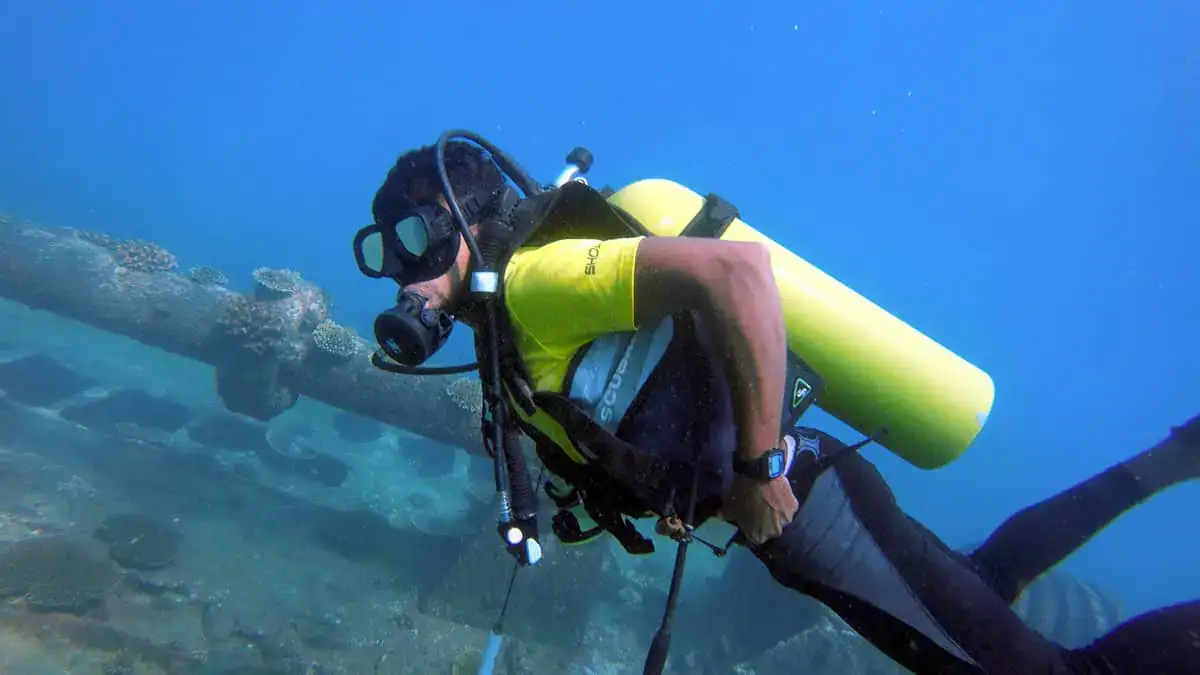

Sri Lanka draws surfers, wildlife & nature lovers, and beach travellers from every region of the globe. Yet many visitors still overlook one of the island’s strongest travel experiences. Diving in Sri Lanka offers travellers warm water, coral reefs, sea turtles, reef sharks, and historic shipwrecks within a single compact island. The country also offers affordable training, short travel times between popular beaches, and year-round diving seasons across different coasts.
The Sri Lanka Tourism Development Authority promotes scuba diving as a major marine tourism activity. PADI also lists Sri Lanka among South Asia’s leading diving destinations due to reef diversity, wreck diving sites, and strong visibility during peak months. Many travellers compare Sri Lanka with Thailand or the Maldives. Sri Lanka stands apart due to lower travel costs, smaller crowds, and easier access between dive towns.
A traveller lands in Colombo and reaches major dive sites within a few hours. One week allows enough time for reef dives, whale watching, train rides, wildlife safaris, and beach stays. Few countries offer such variety within short distances.
This guide covers the best dive spots, marine life, diving seasons, courses, safety tips, costs, and practical travel advice for foreign travellers who plan a diving holiday in Sri Lanka.
Why Diving in Sri Lanka Deserves Your Attention
Sri Lanka sits in the Indian Ocean near major marine migration routes. This location supports rich biodiversity beneath the surface. Divers often spot green turtles, hawksbill turtles, stingrays, moray eels, giant trevally, barracuda, and reef sharks during a single trip.
The island also features both reef diving and wreck diving. Large shipwrecks rest near Colombo, Galle, Trincomalee, and Negombo. Some wrecks lie in shallow water, which is suitable for beginner divers. Others attract advanced divers who seek deep penetration dives and stronger currents.
Water temperatures range from 26 to 30 degrees Celsius throughout most months. Many divers use thin wetsuits or shorties. Strong visibility appears during peak seasons. Some East Coast sites reach visibility levels above 20 metres.
Sri Lanka also suits travellers with different budgets. Budget guesthouses stand near luxury resorts. Local restaurants offer low-cost meals. Dive shops often offer package deals that include accommodation and training.
The island supports both first-time divers and experienced underwater photographers. Beginners enjoy calm reefs in Hikkaduwa or Nilaveli. Experienced divers head towards deep wrecks near Galle or Colombo.
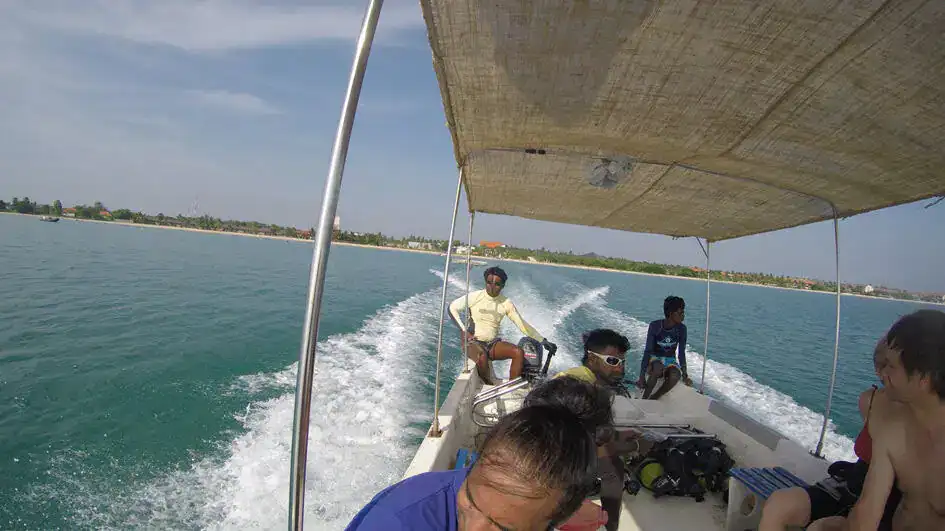
Towards a dive spot in Passikudah (Photo: Artur Kuliński, CC BY 2.0)
Understanding the Diving Seasons in Sri Lanka
Sri Lanka has two monsoon systems. These weather patterns shape diving conditions around the island. Smart trip planning helps divers reach calm seas and better visibility.
The South and West Coasts operate during the main tourist season from November until April. Hikkaduwa, Galle, Mirissa, Negombo, and Unawatuna receive calmer seas during these months. Dive boats run daily during peak weather.
The East Coast performs best from May until October. Trincomalee and Nilaveli become major diving hubs during this period. The ocean stays calm, visibility improves, and reef conditions look healthier.
This split season creates one major advantage. Diving in Sri Lanka is possible throughout most months of the year. Travellers shift between coasts.
January and February suit South Coast wreck diving and whale watching. March and April attract beginner divers due to calmer seas. July and August bring excellent East Coast visibility near Pigeon Island National Park.
Many dive operators recommend morning dives. Winds often increase in the afternoons. Early trips also improve underwater light for photography.
We recommend reading about the best time to visit Sri Lanka.
The Best Dive Spots in Sri Lanka
Trincomalee and Nilaveli
Trincomalee ranks among Sri Lanka’s finest diving regions. The area sits on the Northeast Coast and draws divers during the East Coast season.
Pigeon Island National Park stands as the main attraction. Coral gardens spread across shallow reef systems near the island. Blacktip reef sharks patrol sandy channels. Green turtles feed near coral patches.
Visibility often exceeds 15 metres during peak season. Calm water makes the region suitable for beginner divers and snorkellers.
Popular dive sites include:
Pigeon Island Reef
This site features healthy hard corals, reef fish, turtles, and gentle conditions. Beginners often complete training dives here.
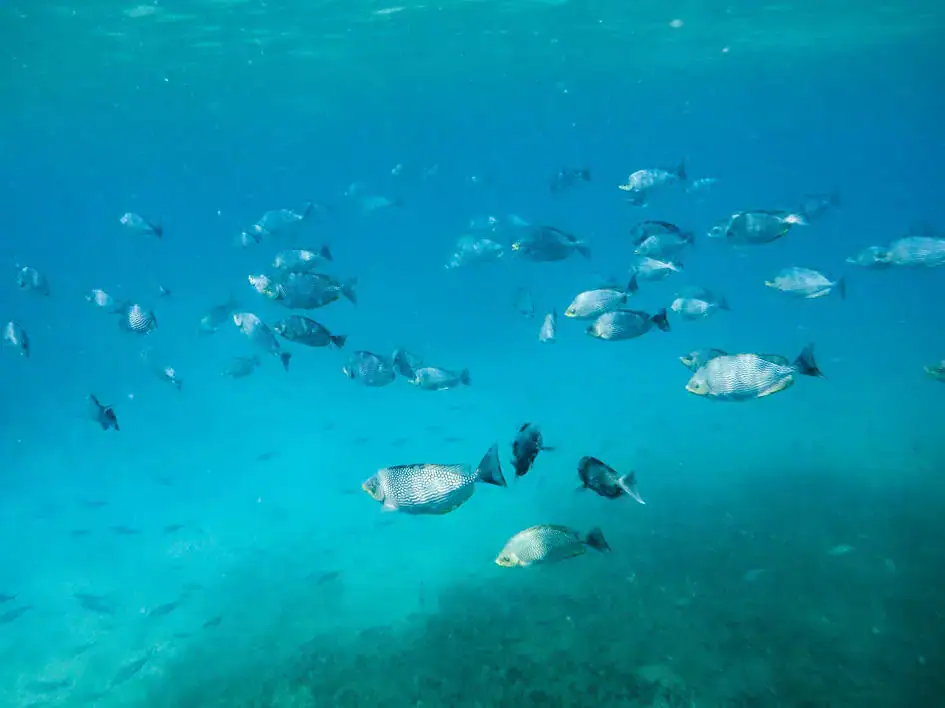
Pigeon Island Marine National Park (Photo: Dennis Binzen, CC BY 2.0)
Swami Rock
This area combines dramatic underwater rock formations with schools of fish and deeper sections for advanced divers.
Sitanampara
Large coral boulders and reef fish dominate this site. Macro photographers often search this area for nudibranchs and shrimp species.
Several respected PADI centres operate in Trincomalee and Nilaveli.
These include:
- International Diving School (PADI 5 Star Dive Resort/Centre)
- Dive For You (PADI 5 Star Dive Resort/Centre)
- Divinguru Nilaveli (PADI 5 Star IDC Resort/Centre)
- Epic Ocean Adventures (PADI 5 Star IDC Resort/Centre)
- Taprobane Divers (PADI Resort)
- Blue Water Sports (PADI Dive Centre)
- Kalpitiya Diving Center, Trincomalee (PADI 5 Star Centre)
Hikkaduwa
Hikkaduwa helped shape Sri Lanka’s early diving industry. The town still attracts large numbers of backpackers, surfers, and beginner divers.
Shallow reefs near the shore support easy beach diving. Coral formations attract angelfish, butterflyfish, pufferfish, and sea turtles.
Several wrecks rest offshore. These sites provide stronger conditions and deeper water for trained divers.
Hikkaduwa suits travellers who want lively nightlife beside diving activities. Cafes, bars, seafood restaurants, and beach hotels line the coast.
Several respected PADI centres operate in Hikkaduwa.
These include:
- Poseidon Diving Station Ltd. (PADI 5 Star IDC)
- International Diving School (PADI 5 Star Dive Resort/Centre)
Galle and Unawatuna
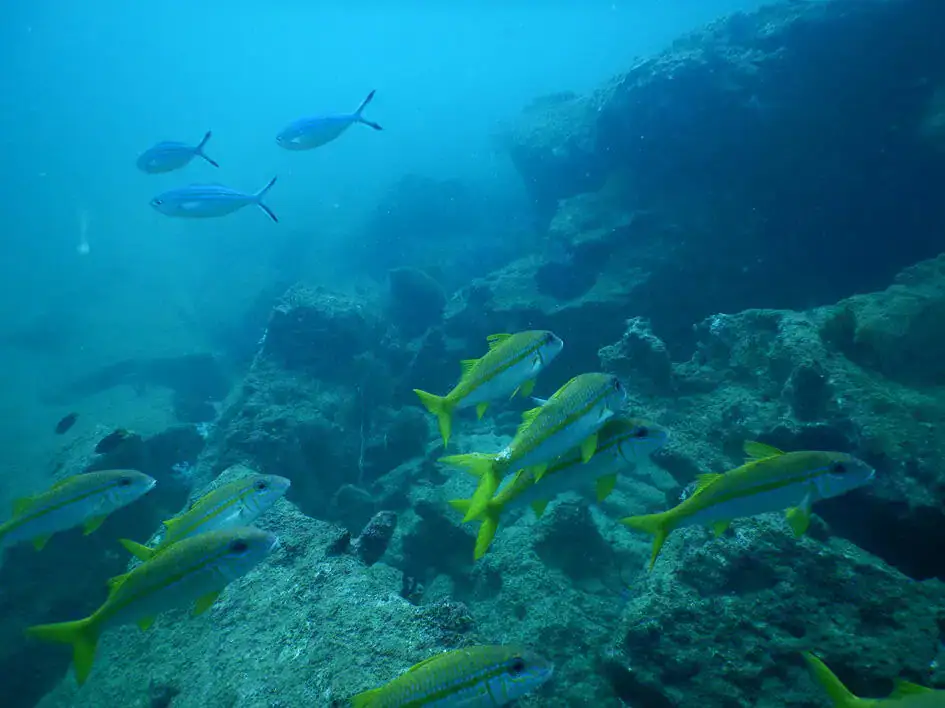
Underwater Image in Unawatuna (Photo: tmc1233, CC BY 2.0)
Galle offers some of Sri Lanka’s strongest wreck diving. The region attracts advanced divers who seek technical dives and larger wreck structures.
Historic trade routes passed through southern Sri Lanka for centuries. Many ships sank near the coastline during storms and naval conflicts. Today, these wrecks form artificial reefs filled with marine life.
Divers often encounter giant trevally, batfish, lionfish, and large schools of snapper around wreck structures.
Unawatuna also suits beginner divers, thanks to its sheltered bays and reef systems near the beach.
Popular operators include:
- Submarine Diving Center (PADI 5 Star Dive Resort/Centre)
- Sun Diving Center (PADI 5 Star Dive Resort/Centre)
- Seahorse Dive Center (PADI Resort)
- Pearl Divers (PADI 5 Star IDC Resort/Centre)
- Divinguru Unawatuna (PADI 5 Star IDC Resort/Centre)
Mirissa
Mirissa attracts travellers for its whale-watching tours. Divers also explore reef systems and deeper offshore waters.
Large pelagic species appear in this region during migration periods. Divers sometimes encounter tuna, rays, and dolphins.
Diving Mirissa operates as a popular PADI dive centre in the town.
Kalpitiya
Kalpitiya stays quieter than southern beach towns. The region attracts travellers who seek fewer crowds and nature-focused holidays.
The area supports dolphin populations and seasonal whale sightings. Reef systems near Kalpitiya host reef fish, rays, and occasional reef sharks.
Kalpitiya Diving Center (PADI 5 Star Dive Resort/Centre) serves travellers seeking PADI courses and guided dives.
Negombo
Negombo sits close to Bandaranaike International Airport. Many travellers begin or end their diving holiday here.
The area offers wreck-diving opportunities and short boat rides from shore. Sri Lanka Diving Tours (PADI 5 Star IDC) operates as a major PADI training centre in Negombo.
Matara and Polhena
Polhena Beach ranks among Sri Lanka’s most beginner-friendly marine areas. Calm water and shallow reefs create safe conditions for training and family diving.
Sea turtles often appear near the reef. Snorkellers also enjoy the area.
Polhena Diving Center (PADI 5 Star Dive Resort/Centre) serves beginner divers and families.
Marine Life You Will See While Diving in Sri Lanka
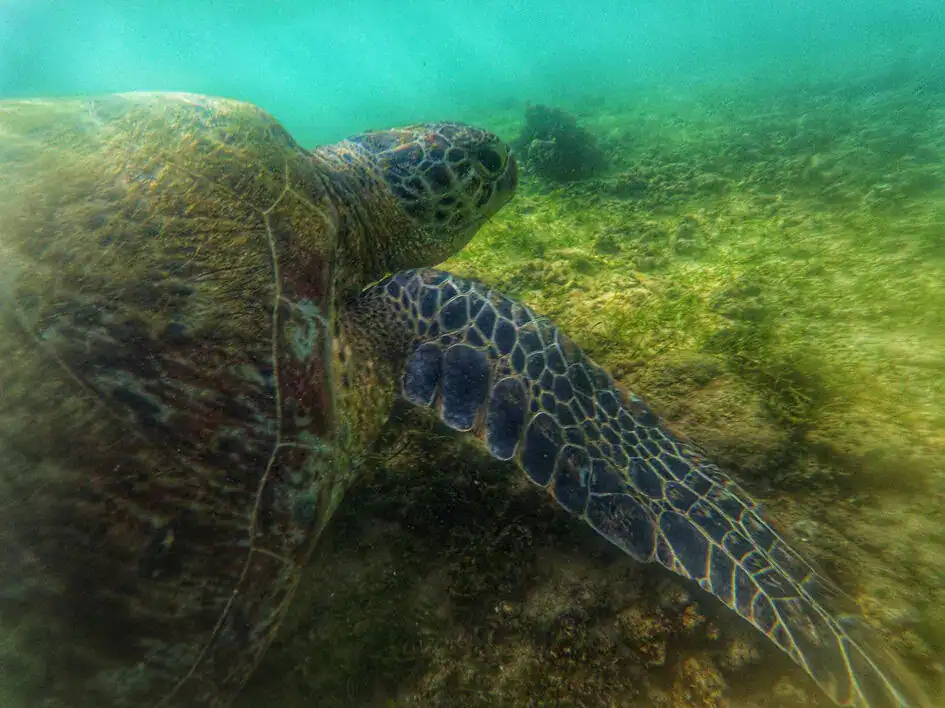
A See Turtle (Photo: Jithma Kalingu, CC BY-SA 4.0)
Sri Lanka supports rich marine biodiversity due to coral reefs, warm currents, and deep ocean channels.
Sea turtles rank among the most commonly seen animals. Divers regularly encounter green turtles and hawksbill turtles feeding near reefs.
Blacktip reef sharks appear near Pigeon Island. These sharks rarely show aggression towards divers. Their presence often signals a healthy reef ecosystem.
Large schools of fusiliers, snapper, and trevally move across reef walls. Moray eels hide within rocky crevices. Lionfish drift near coral formations.
Macro life also attracts underwater photographers. Nudibranchs, shrimp species, pipefish, and small crabs hide within reef structures.
Whale sightings increase near Mirissa and Trincomalee during migration periods. Sri Lanka ranks among the best regions in the world for blue whale sightings. Some tour operators combine whale watching with diving holidays.
Coral reefs remain under pressure from warming seas, pollution, and reef damage. Responsible diving practices help protect these fragile ecosystems.
Learning to Dive in Sri Lanka
Sri Lanka is well-suited for beginner divers due to its warm water and affordable training costs. Many PADI centres offer introductory dives for travellers without certification.
Discover Scuba Diving programs introduce first-time divers to breathing techniques, underwater movement, and safety rules. Instructors guide participants through shallow reef dives.
The PADI Open Water Diver course remains the most popular certification. Training usually takes three to four days. Students complete classroom sessions, confined-water training, and open-water dives.
Advanced Open Water courses include deep diving, underwater navigation, and speciality dives. Wreck diving courses attract many visitors in Galle and Colombo.
English-speaking instructors work in most major dive towns. Some centres also provide staff who speak German, French, Russian, or Japanese during tourist seasons.
Divinguru Nilaveli, Epic Ocean Adventures, Pearl Divers, and Poseidon Diving Station Ltd. rank among the well-known PADI 5 Star training centres in Sri Lanka.
Many travellers complete certification courses during beach holidays. Training schedules often leave enough free time for sightseeing and relaxation.
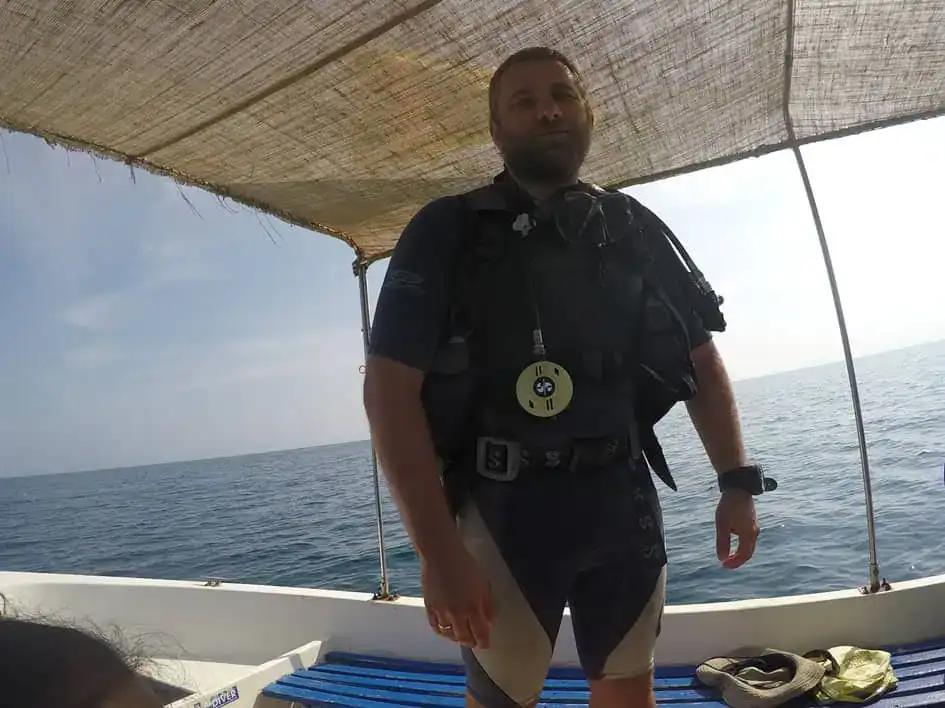
Getting ready to dive in Passikudah (Photo: Artur Kuliński, CC BY 2.0)
Beginner-Friendly Diving Areas
First-time divers often worry about deep water, equipment use, or breathing underwater. Sri Lanka offers several calm locations that reduce stress for beginners.
Nilaveli ranks among the best beginner regions thanks to its shallow reefs and calm seas during the East Coast season.
Hikkaduwa also suits beginners. Many reefs sit close to shore, which reduces long boat rides.
Polhena Beach provides gentle conditions and strong visibility. Families with children often choose this area.
Unawatuna features sheltered bays that are ideal for beginner training dives.
Professional instructors guide divers step by step during training. Most first-time divers gain confidence after the first session.
Diving Equipment for Sri Lanka
Most dive centres in Sri Lanka provide rental equipment. The quality of equipment often depends on the dive operator. PADI-affiliated centres usually maintain stronger equipment standards and regular servicing schedules.
Standard scuba equipment includes a mask, fins, a wetsuit, a buoyancy control device, a regulator, a tank, and a dive computer.
Many travellers prefer bringing their own masks and dive computers. Personal masks improve comfort and reduce leaks. Dive computers help divers track depth, bottom time, and ascent rates.
Sri Lanka’s warm water allows lighter exposure suits. Most divers wear 3mm wetsuits or shorties.
Underwater photographers often travel with:
- GoPro cameras
- Underwater housings
- Red filters
- Strobes
- Wide-angle lenses
Packing reef-safe sunscreen also helps reduce coral damage.
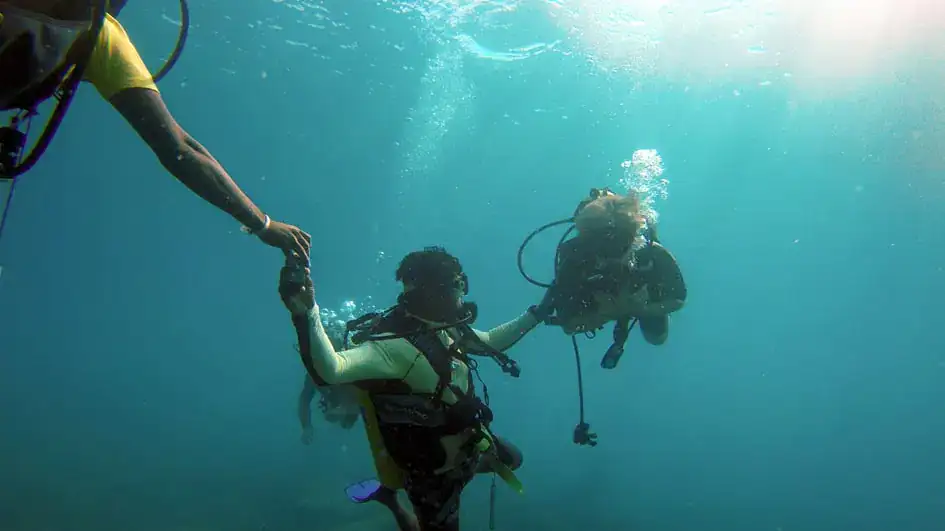
The Team – Diving in Sri Lanka (Photo: Artur Kuliński, CC BY 2.0)
Beach Diving vs Boat Diving in Sri Lanka
Sri Lanka offers both beach diving and boat diving. Each style suits different experience levels and travel goals.
Beach diving works well for beginners. Divers enter the water directly from the shoreline. This approach reduces travel time and often lowers costs.
Hikkaduwa and Polhena feature several shore diving locations.
Boat diving gives access to deeper reefs, offshore wrecks, and stronger biodiversity. Many advanced sites near Galle and Trincomalee require boat access.
Boat dives often include:
- Larger reef systems
- Better visibility
- Wreck diving
- Deep water sites
- Stronger currents
Some operators also offer drift dives in areas with ocean currents. These dives suit experienced divers who hold advanced certifications.
Families and first-time divers often start with beach dives before moving towards boat dives.
Diving with Children in Sri Lanka
Sri Lanka is ideal for family diving holidays due to its warm water and shallow reefs.
PADI allows children aged 10 and older to join Junior Open Water Diver courses. Several dive schools offer family-focused instruction in small groups.
Polhena, Nilaveli, and Hikkaduwa rank among the safest areas for children due to calmer water and shorter boat rides.
Parents often combine diving with other family activities such as:
- Snorkelling
- Turtle watching
- Whale watching
- Safari tours
- Beach stays
Many resorts near diving areas also provide swimming pools and family rooms. Children who do not dive still enjoy reef snorkelling near shallow coral gardens.
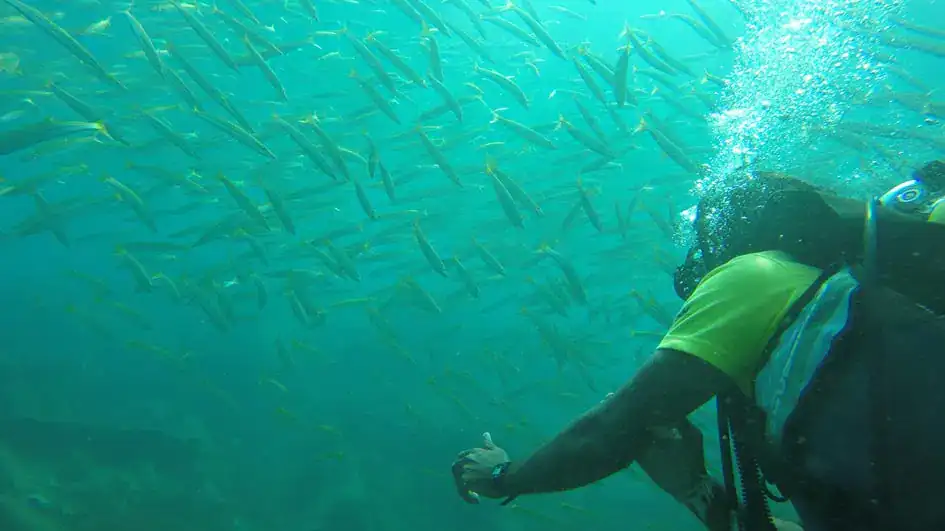
Diving with fish in Passikudah (Photo: Artur Kuliński, CC BY 2.0)
Cost and Budget Expectations
Diving in Sri Lanka costs less than in many major Asian dive destinations.
Prices vary based on season, location, dive type, and operator quality.
Average prices for foreign travellers include:
- Single fun dive: USD 35 to 60
- Two-tank dive trip: USD 70 to 120
- PADI Open Water course: USD 350 to 500
- Advanced Open Water course: USD 300 to 450
- Equipment rental: USD 10 to 25 per day
(Prices are subject to change.)
Luxury dive resorts charge higher rates due to private boats, premium rooms, and personalised services.
Budget travellers often stay in guesthouses near Hikkaduwa or Trincomalee. Many dive shops offer discounts on multi-day dive packages.
Food costs remain lower than in nearby island destinations. Local rice-and-curry meals often cost less than those at tourist restaurants.
Transport across the island remains affordable via trains and buses.
Planning Your Diving Trip in Sri Lanka
Trip planning improves your diving experience. Sri Lanka’s changing monsoon seasons shape where you should travel.
Travellers who visit between November and April should focus on the South and West Coasts.
Recommended South Coast route:
Colombo, Negombo, Hikkaduwa, Unawatuna, Galle, Mirissa
Travellers who visit between May and October should focus on Trincomalee and Nilaveli.
Recommended East Coast route:
Colombo, Sigiriya, Kandy, Trincomalee, Nilaveli, Passikudah
Many visitors combine diving with wildlife safaris and cultural sites.
Popular travel combinations include:
- Diving plus Yala National Park safari
- Diving plus whale watching in Mirissa
- Diving plus Sigiriya Rock Fortress
- Diving plus scenic train rides to Ella
Most foreign travellers apply for an electronic travel authorisation (ETA) before arrival.
We recommend reading our “Sri Lankan Visa and Entry Requirements: Quick Guide“.
Travel insurance with diving coverage helps reduce financial risk. Divers Alert Network (DAN) offers popular dive insurance plans.
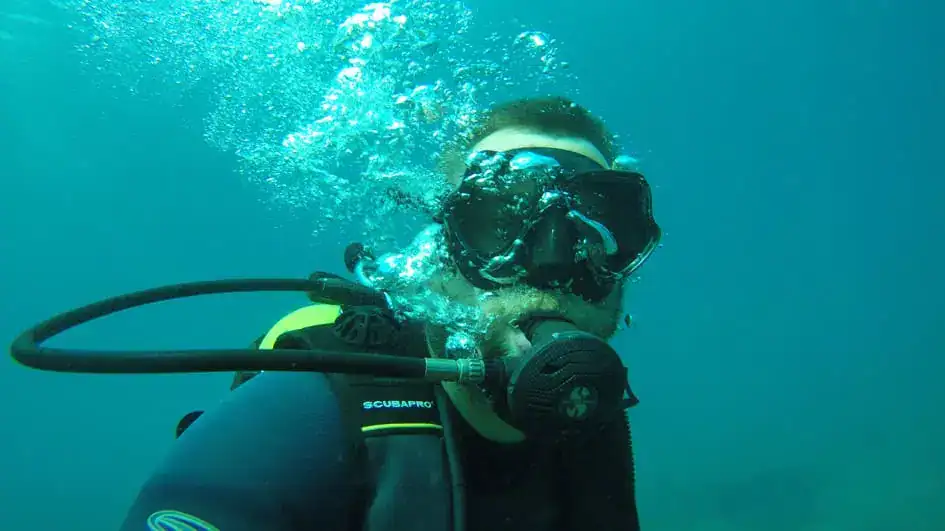
Underwater selfie (Photo: Artur Kuliński, CC BY 2.0)
Safety Tips for Diving in Sri Lanka
Safety should guide every dive trip.
Choose certified operators with trained instructors and maintained equipment. PADI 5 Star centres often adhere to higher operational standards.
Listen closely during dive briefings. Guides explain entry points, current strength, maximum depth, and emergency procedures before each dive.
Avoid flying within 18 to 24 hours after scuba diving. This waiting period reduces the risk of decompression sickness.
Hydration also matters. Sri Lanka’s tropical heat increases the risk of dehydration between dives.
Check your equipment before entering the water. Small issues become serious problems underwater.
Divers should also respect their certification limits. Beginner divers should avoid deep wreck penetration dives.
The Sri Lanka Tourism Development Authority provides official scuba diving guidelines for licensed operators and recreational depth limits.
Emergency oxygen systems should remain available on dive boats.
Divers with health concerns should consult a doctor before engaging in scuba activities.
Common Mistakes Divers Make in Sri Lanka
Many diving accidents result from simple mistakes.
- Poor buoyancy control damages coral reefs and increases air consumption.
- Some divers ignore currents or drift too far from the group.
- Others skip safety stops due to excitement after spotting marine life.
New divers also make these mistakes:
- Touching coral reefs
- Chasing turtles
- Holding breath underwater
- Carrying too much weight
- Descending too quickly
Booking too many dives in a single day also increases fatigue.
Morning dives usually provide calmer conditions and better visibility.
Logging every dive helps divers improve skills and monitor experience levels.
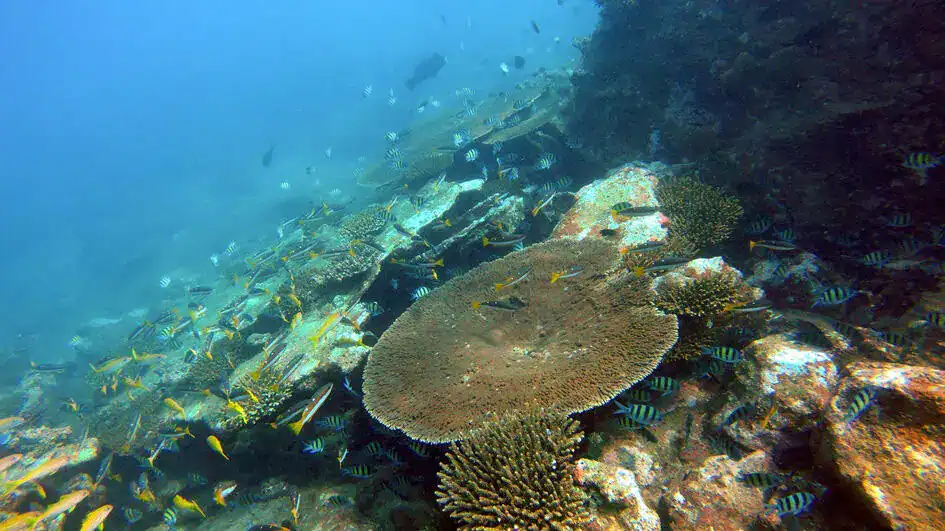
Coral and fish in Passikudah (Photo: Artur Kuliński, CC BY 2.0)
Ethical and Responsible Diving Practices
Coral reefs around Sri Lanka face pressure from climate change, overfishing, pollution, and tourism activity.
Responsible diving protects marine ecosystems for future generations.
Good diving behaviour includes:
- Never touching coral.
- Avoiding contact with marine life.
- Keeping fins away from reef structures.
- Avoiding fish feeding.
- Using reef-safe sunscreen.
Some boat operators still use harmful anchoring methods near reefs. Eco-conscious travellers should support operators who use mooring buoys.
Plastic pollution also affects Sri Lanka’s coastline. Divers often join beach cleanups and reef conservation projects.
Several marine conservation groups work with local communities to improve reef protection.
We recommend reading our guide “Sustainable Travel in Sri Lanka: How to Explore Responsibly“.
Underwater Photography Tips
Sri Lanka offers strong conditions for underwater photography.
Pigeon Island offers colourful reef scenes, including turtles and reef sharks.
Wrecks near Galle attract photographers who prefer dramatic structures and schools of fish.
Macro photographers search reefs for nudibranchs, shrimp, and small reef creatures.
Good underwater photography depends on buoyancy control. Stable divers create clearer images and avoid reef damage.
Natural sunlight works best during shallow morning dives.
New underwater photographers should:
- Move slowly.
- Stay close to subjects.
- Avoid stirring sand.
- Shoot upward angles.
- Practice buoyancy before using cameras.
Large camera rigs suit advanced photographers. Small action cameras work well for beginners.
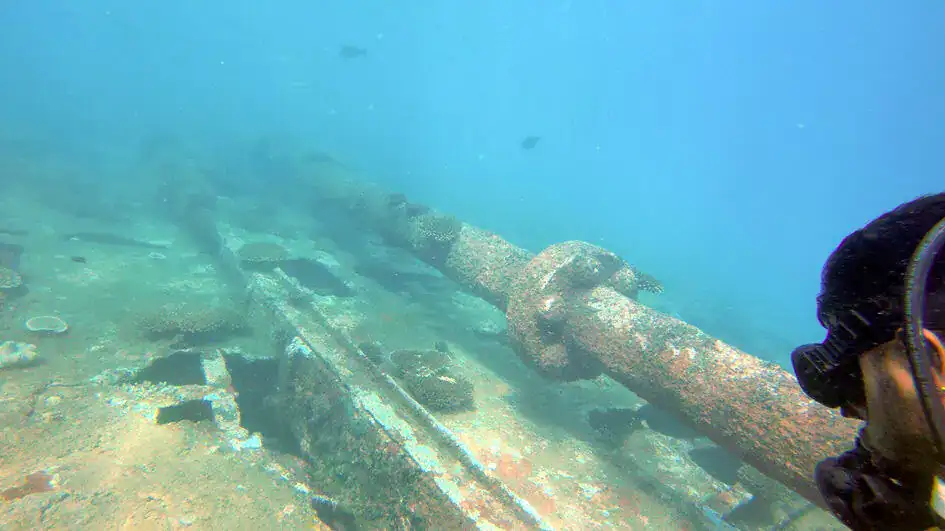
Shipwrecks in Passikudah (Photo: Artur Kuliński, CC BY 2.0)
Why Sri Lanka Stands Out Among Asian Diving Destinations
Many travellers compare Sri Lanka with Thailand, Indonesia, or the Maldives.
Sri Lanka offers several advantages.
Travel distances remain short. Divers can visit beaches, mountains, and wildlife parks in one trip.
The country also supports year-round diving through opposite seasonal coastlines.
Accommodation options suit both backpackers and luxury travellers.
Cultural experiences also strengthen the travel experience. Divers often visit Buddhist temples, tea plantations, ancient cities, and wildlife reserves between dive days.
Sri Lankan hospitality also leaves a strong impression on foreign visitors. Small guesthouses and family-owned restaurants create personal travel experiences.
The country continues growing as a diving destination. New dive centres, improved tourism infrastructure, and marine conservation efforts support this growth.
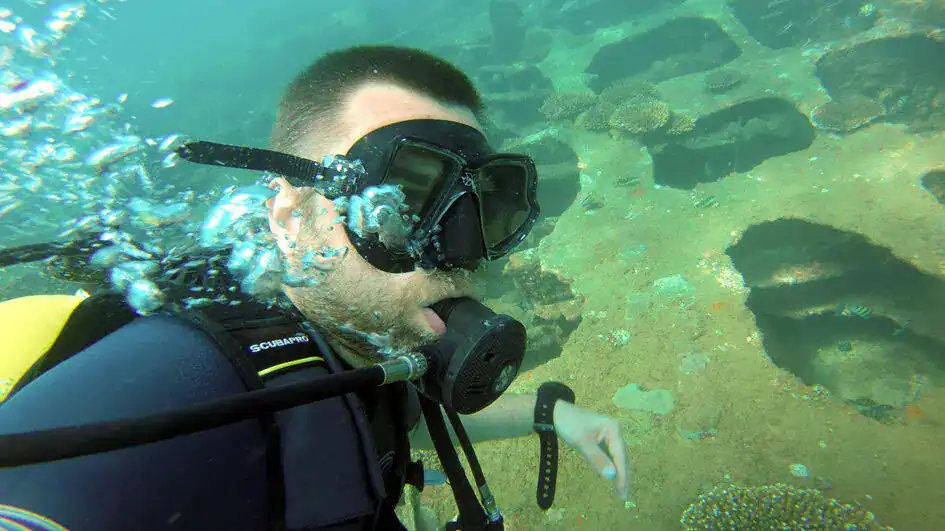
The bottom of the sea in Passikudah (Photo: Artur Kuliński, CC BY 2.0)
If you are new to Sri Lanka, we recommend reading our ultimate travel guide for first-time visitors and the best itineraries for your travel season.
Final Thoughts
Diving in Sri Lanka combines marine biodiversity, affordable travel, warm water, and varied underwater landscapes within one island nation. Few destinations offer reef diving, wreck diving, whale watching, cultural landmarks, and wildlife safaris within such short travel distances.
Beginner divers find calm reefs and professional instruction across the island. Experienced divers explore deep wrecks, drift dives, and offshore sites filled with marine life.
The country also supports flexible travel plans through dual coast diving seasons. When rough seas affect one coastline, another region often provides calm conditions.
Sri Lanka Tourism and PADI continue promoting the island as a leading diving destination in South Asia. Growing international attention reflects the strength of Sri Lanka’s underwater experiences.
Travellers who plan carefully, choose responsible operators, and respect marine ecosystems often leave with strong memories from beneath the surface.
For travellers who seek coral reefs, sea turtles, shipwrecks, and tropical water without extreme costs, diving in Sri Lanka deserves a place near the top of the travel list.
Map – PADI Diving Centres in Sri Lanka
Sources and References:
- Sri Lanka Tourism
- Sri Lanka Tourism Development Authority (SLTDA)
- Sri Lanka Tourism Diving Guide
- SLTDA Scuba Diving Guidelines
- PADI Sri Lanka Diving Guide
- PADI Dive Sites in Sri Lanka
- PADI Open Water Diver Course Information
- Divers Alert Network (DAN) Diving Safety Resources
- Department of Wildlife Conservation, Sri Lanka, Pigeon Island National Park
- NOAA Coral Reef Conservation Program
Featured image: Diving in Passikudah (Photo: Artur Kuliński, CC BY 2.0)

I am a Sri Lankan medical doctor who spends my free time travelling, exploring new destinations, and documenting the beauty of the island I call home. I have journeyed across almost every corner of Sri Lanka with my wife and daughter — from wildlife parks and misty mountains to ancient cities, deep forests, rugged landscapes, and quiet beaches.
Travel is not just a hobby for me — it’s a way of life. I love nature, enjoy road trips, and find joy in wildlife photography. I also read widely about tourism, travel trends, and destination culture. Through my writing, I aim to help travellers experience Sri Lanka through real stories, meaningful insights, and honest recommendations — the same way I explore it with my own family.