


Most travellers visit Sri Lanka for its popular beaches, wildlife safaris, tea estates, temples, and ancient cities. They fill itineraries with famous places and long road journeys across the island. Yet many visitors leave without seeing one of the most immersive travel experiences in the country. Boat rides in Sri Lanka reveal a different side of the island. Waterways move through mangrove forests, lagoons, wetlands, reservoirs, fishing communities, and wildlife habitats. The roads never reach them. A short journey on water changes the pace of travel. You stop moving quickly through destinations and begin observing details. Birds skim the surface of rivers. Fishermen prepare nets before sunrise. Monkeys gather beside riverbanks. Reptiles rest among roots and branches.
Many travellers ask the same questions before planning these experiences. Which boat rides deserve space in a limited itinerary? Which locations suit wildlife lovers, photographers, families, or birdwatchers? Which places offer calm water and local culture, and which provide stronger adventure? These questions matter because Sri Lanka offers a wide range of experiences. A mangrove canoe ride near Balapitiya is a unique experience. It is completely different from watching elephants beside Gal Oya or snorkelling near coral reefs in the East.
Sri Lanka Tourism highlights lagoon exploration, canoe trips, and nature-based travel as important parts of the experience. Sri Lanka Tourism Authorities continue to strengthen sustainable tourism and eco-focused travel that support communities and conservation efforts. Sri Lanka increasingly places nature experiences at the centre of tourism.
From mangrove forests and river systems to wildlife reservoirs and coastal lagoons, Sri Lanka offers boat experiences for almost every type of traveller. Some routes focus on wildlife. Others centre on local culture. A few provide physical adventure. Together, they reveal landscapes that many visitors miss.
Boat Rides in Sri Lanka: Quick Comparison Guide
| Experience | Best for | Wildlife | Adventure level | Time needed |
| Madu Ganga | Families and wildlife | High | Easy | 2 hours |
| Bentota River | Nature lovers | High | Easy | 2 hours |
| Gal Oya | Wildlife | Very high | Moderate | Half day |
| Kitulgala | Adventure travellers | Medium | High | Half day |
| Koggala Lagoon | Birders | High | Easy | 2 hours |
| Negombo Lagoon | Culture and sunsets | Medium | Easy | 2 hours |
| Pigeon Island | Snorkelling | Marine life | Moderate | Half day |
The Best Boat Rides in Sri Lanka
Madu Ganga, Mangrove Boat Safari
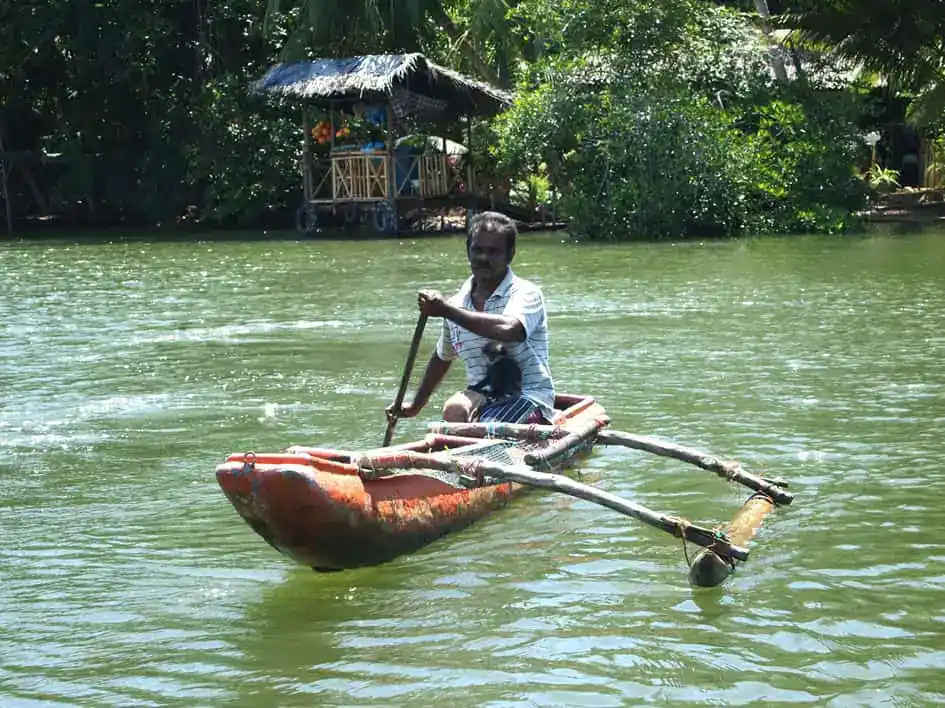
A Traditional Canoe – Madu Ganga (Photo: Kalaiarasy, CC BY-SA 3.0)
The journey into Madu Ganga changes quickly after the boat leaves the open water. Wide channels slowly narrow into green corridors where mangrove branches stretch across the route. Sunlight reaches the water through small openings. The sound of engines fades, and bird calls begin to dominate the surroundings. Many travellers describe this section as the point where the experience begins to feel different. The boat ride changes into a close encounter with the surrounding ecosystem.
Madu Ganga sits near Balapitiya. It forms one of Sri Lanka’s most important wetland systems. The area has international ecological significance due to its Ramsar recognition. Small islands spread across the river network. They support local communities that continue traditional livelihoods. Several islands contain temples, small settlements, and sites of cinnamon cultivation. Local families still prepare cinnamon using traditional techniques. Visitors often watch them during guided tours.
Wildlife viewing attracts many visitors to this area. Kingfishers move quickly through the trees. They often appear as bright blue flashes. Herons stand in shallow water while cormorants search for fish nearby. Water monitors appear along muddy banks. Monkeys often gather near trees beside the channels. Some visitors also report crocodile sightings, though these encounters occur less often.
Photography conditions are at their strongest during sunrise. Soft light filters through the mangroves, and mist rises above the water. Many travellers also join canoe trips through narrow channels that larger boats cannot enter. Some tours include fish therapy experiences and demonstrations related to local cinnamon production.
Madu Ganga also works well within a broader travel route. Travellers frequently combine the river safari with Balapitiya beaches, Kosgoda turtle conservation projects, Hikkaduwa, and Galle.
Reviews from visitors consistently place Madu Ganga among the highest-rated river safari experiences in Sri Lanka. The location combines wildlife, scenery, local culture, and easy access into a single experience.
Bentota River, River Safari and Mangrove Boat Ride

A Kayak, Bentota River (Photo: Hafiz Issadeen, CC BY 2.0)
Bentota River offers a different atmosphere from Madu Ganga. The river network feels larger and more open. Dense mangrove areas still dominate parts of the landscape. The routes move through broader sections of water. The calm conditions attract travellers seeking a relaxed experience without physical effort.
Wildlife viewing often begins soon after departure. Crocodiles occasionally appear near the waterline. Water monitors rest on branches above the river. Fruit bats hang from trees in large groups and create a striking sight for photographers. Kingfishers, monkeys, and egrets frequently appear along the riverbanks.
The surrounding communities add another layer to the journey. Fishing activity continues throughout the day. Small settlements line sections of the river. Local guides often explain traditional livelihoods and daily life beside the waterways. Sunrise rides produce calm conditions and active birdlife. Sunset trips create stronger opportunities for landscape photography.
Bentota also fits naturally into wider travel plans, as several attractions are nearby. Visitors often combine the safari with Bentota Beach, water sports centres, sea turtle hatcheries, and the well-known Brief Garden.
Traveller reviews repeatedly mention the scenery and wildlife density. They are the major strengths of the Bentota River experience.
Koggala Lagoon, Lagoon Boat Safari

Koggala Lagoon (Photo: Richtr Jan, CC BY 4.0)
Koggala Lagoon creates a different feeling from that of river environments. The landscape shifts constantly between islands, open water, and mangrove systems. The lagoon stretches across a broad area along Sri Lanka’s Southern Coast. It supports one of the country’s important wetland ecosystems. The area contains several small islands with different characteristics and histories.
Mangrove restoration projects have become an important feature of the region. Conservation work continues to protect habitats. It strengthens ecological balance within the lagoon ecosystem. Sri Lanka’s broader tourism plans increasingly emphasise environmental protection and community involvement in destinations like these.
Wildlife sightings often include sea eagles moving overhead and kingfishers near mangrove areas. Purple-faced leaf monkeys sometimes appear in trees near the shoreline. Crocodiles also live within the lagoon ecosystem.
Sunset boat rides remain popular because the changing light reflects across wide expanses of water. They create ideal photography conditions. Some experiences offer visitors opportunities to learn about local conservation efforts and mangrove protection.
Travellers often combine Koggala with several nearby attractions. Galle Fort attracts history lovers. Stilt fishermen provide cultural interest for photographers. Ahangama draws surfers from around the world. Koggala Beach offers quieter coastal scenery.
Negombo Lagoon, Fishing Lagoon Boat Cruise

Negombo Lagoon Tour (Photo: Bill Littman, CC BY-SA 2.0)
Many visitors arrive in Sri Lanka via Negombo because it is close to the international airport. Yet many leave the area quickly, missing one of the strongest introductions to coastal life.
Negombo Lagoon centres around traditional fishing culture. Fishing boats move through the water before sunrise. Local activity begins early in the morning. Nets dry beside homes, and small islands break the landscape across the lagoon. The atmosphere focuses less on wilderness and more on daily life beside the water.
Birdlife remains strong throughout the area. Egrets, cormorants, and herons regularly gather along wetland sections and mangrove habitats. Sunrise often brings stronger activity levels among birds and fishermen alike.
Boat tours frequently include traditional catamaran experiences and opportunities to observe the seafood culture of local communities. Sunset rides attract photographers because of the changing light across the lagoon.
Negombo is also easily accessible to nearby attractions, including the Dutch Canal, the fish market, and the Muthurajawela wetlands.
Arugam Bay Lagoon, Wildlife Lagoon Safari

Traditional Fishing – Arugam Bay Lagoon (Photo: James Bailey, CC BY-NC 2.0)
Arugam Bay attracts global attention for surfing. The surrounding lagoons create a different experience that many travellers overlook. The atmosphere here feels wilder and less developed than the Southern Coast. Dense vegetation lines the water, and large sections of the landscape remain untouched.
Wildlife forms the main attraction. Crocodiles often rest near muddy banks, and water buffalo move through shallow areas. Large numbers of birds gather around the lagoon ecosystem. Some travellers also report elephant sightings in the surrounding landscape. Sunrise tours remain popular. This is because animals and birds become more active early in the morning.
Photographers often choose morning departures. The soft light and mist create stronger viewing conditions in the morning. Visitors frequently combine these lagoon experiences with surfing sessions, visits to Elephant Rock, and wildlife trips to Kumana National Park.
Gal Oya Reservoir, Wildlife Boat Safari

Elephants – Gal Oya Reservoir (Photo: Charles J. Sharp, CC BY-SA 4.0)
Few experiences in Sri Lanka differ as much from traditional jeep safaris as Gal Oya. This location offers one of the country’s rare wildlife safaris conducted entirely from the water. The reservoir sits within Gal Oya National Park. It creates an experience centred on wildlife movement between islands and forested shorelines.
The location gained attention because of elephant sightings. Visitors occasionally witness elephants swimming between islands in search of food. These sightings remain among the most unusual wildlife experiences in Sri Lanka. Deer, crocodiles, and eagles also appear throughout the park.
Sunset departures attract many visitors. This is because wildlife activity often increases during cooler periods of the day. Photographers frequently rate Gal Oya among Sri Lanka’s strongest wildlife locations. It offers the opportunity to observe animals without crowds or vehicle traffic.
The surrounding area also offers opportunities to experience indigenous Vedda communities.
Kalametiya Lagoon, Birdwatching Lagoon Safari

Kalametiya Lagoon (Photo: Peter Addor, CC BY-SA 4.0)
Kalametiya remains quieter than several major tourism destinations. Travellers seeking fewer crowds often place this location high on their lists. The lagoon and surrounding wetlands support important ecosystems. They attract large numbers of resident and migratory birds.
Birdwatchers frequently arrive before sunrise because activity begins early. Herons and egrets gather around shallow sections of water. Kingfishers move rapidly between branches and reeds. Seasonal migration periods increase bird diversity and attract photographers from around the world.
Traditional catamaran rides provide a slower experience than motorised boats. It helps reduce disturbance to wildlife. Many travellers combine Kalametiya with nearby beaches in Tangalle and turtle conservation experiences near Rekawa.
Pigeon Island Boat Trips, Snorkelling and Marine Adventures

A Boat Ride to the Pigeon Island (Photo: Kalana Weeramuni, CC BY-SA 4.0)
Some of the most memorable boat rides in Sri Lanka take place on the ocean rather than rivers and lagoons. Pigeon Island offers access to one of Sri Lanka’s marine national parks. It introduces travellers to underwater environments rather than mangrove ecosystems.
Boat transfers move visitors from Nilaveli Beach towards the coral reef areas. Marine life forms the central attraction. It is one of the best snorkelling destinations in Sri Lanka. This is because of reef sharks, sea turtles, coral systems, and tropical fish.
Underwater photographers frequently choose this location. This is because of clear water conditions during favourable seasons. Many travellers also combine these trips with whale watching experiences near Trincomalee and time on Nilaveli Beach.
Kitulgala, White Water Rafting

White Water Rafting – Kitulgala (Photo: Chamil Thanthrimudalige, CC BY-NC-ND 2.0)
Kitulgala focuses on movement and physical activity rather than quiet observation. The area remains Sri Lanka’s leading destination for river adventure sports. Jungle landscapes surround the river, creating strong scenery throughout the journey.
White-water rafting routes run through varying levels of rapids. They attract both beginners and experienced travellers. Group activities often bring families and friends together during trips.
Visitors frequently add rainforest trekking, bird photography, canyoning experiences, and waterfall visits to itineraries built around Kitulgala.
Several destinations receive less attention from international visitors, even though they offer strong wildlife-watching and eco-tourism experiences.
Garandu Ganga attracts kayakers for its mangrove routes and quiet surroundings. Birdlife remains active throughout the area. Early morning departures offer better photographic conditions. Local fishing communities also add cultural interest. Travellers usually spend two to three hours exploring the waterways.
Kokkilai Lagoon supports important bird habitats and attracts travellers interested in conservation areas. Migratory birds appear during seasonal periods. Early morning conditions provide excellent viewing opportunities. Nearby coastal environments and wetlands create additional points of interest.
Jaffna Lagoon introduces visitors to northern Sri Lanka and local island communities. Fishing culture remains central to daily life. Sunset conditions create attractive photography opportunities, and boat trips often include island excursions.
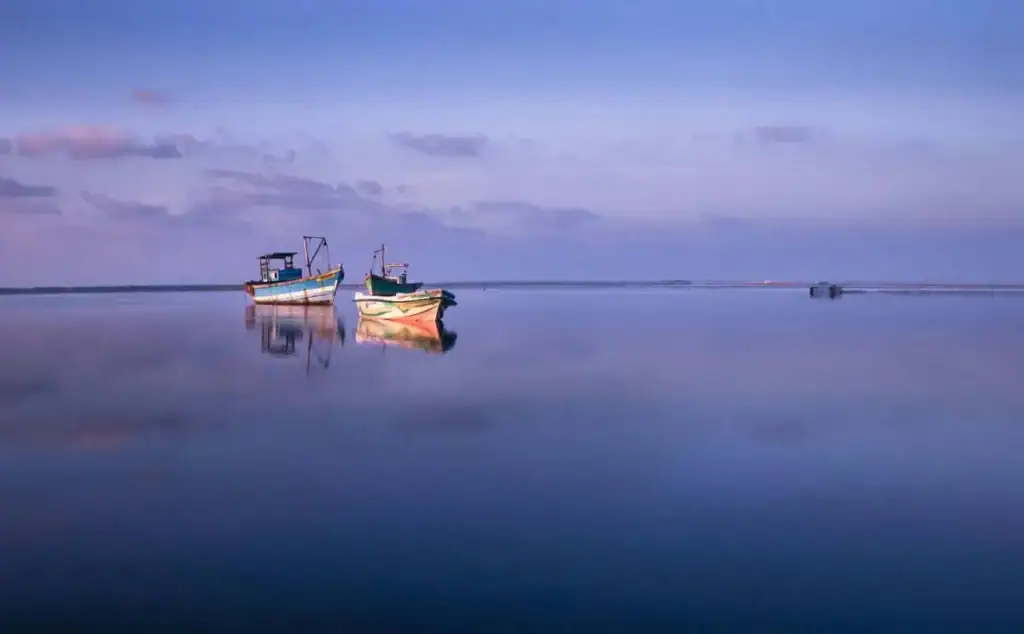
Fishing Boats – Jaffna Lagoon (Photo: Amith Anuradha, via Pexels)
Mahamodara River appeals to travellers seeking canoe experiences through quieter ecosystems. Mangroves support birds and reptiles, while nearby coastal areas provide additional attractions.
The Dutch Canal offers historical interest alongside water-based travel. The route passes through landscapes linked with colonial history and local settlements.
Bolgoda Lake attracts visitors seeking sunset cruises and canoeing experiences. Local fishing communities and birdlife contribute to the atmosphere.
Castlereigh Reservoir offers a different environment. You can see tea plantations and hill country scenery surrounding the water. Kayaking remains popular because of calm conditions.
Samanala Wewa attracts travellers interested in reservoir landscapes and surrounding wildlife.
Batticaloa Lagoon offers opportunities to observe the local fishing culture and daily life.
Pottuvil Lagoon supports strong wildlife viewing and regularly attracts birdwatchers and photographers.
Chundikkulam Lagoon functions as another important bird habitat. It becomes especially attractive during migration periods.
Parakrama Samudra combines historical significance with lake scenery and local activity.
Kandalama Reservoir attracts travellers interested in kayaking experiences near cultural destinations.

Kandalama Reservoir (Photo: Chamil Thanthrimudalige, CC BY-NC-ND 2.0)
Suggested Sri Lanka Boat Adventure Itineraries
5 Day South Coast Waterways Journey
During the first two days, begin with experiences on the Madu Ganga and the Bentota River. These locations provide an introduction to mangrove ecosystems and wildlife viewing.
Day three works well for combining a visit to Koggala Lagoon with a visit to Galle Fort.
Day four focuses on Kalametiya Lagoon and quieter wetland environments.
Day five concludes with whale-watching near Mirissa.
7 Day Wildlife and Birding Water Trail
Begin with Negombo Lagoon and nearby wetlands. Continue towards Gal Oya for two days of wildlife viewing and nature experiences. Spend the following day at Kokkilai Lagoon before continuing towards Chundikkulam Lagoon. Finish the route with Arugam Bay and Pottuvil Lagoon experiences.
7 Day Adventure Water Sports Journey
Begin with two days in Kitulgala for rafting and surrounding adventure activities. Continue towards Castlereagh Reservoir for kayaking in the hill country landscape. Spend the next day exploring Bolgoda Lake by canoe. Continue towards Pigeon Island for snorkelling and marine experiences. End the route with water sports in Bentota.
We recommend reading about the best Sri Lanka travel itineraries for your travel season.

Castlereagh Reservoir (Photo: Ceylon Tea Trails, CC BY 2.0)
Essential Travel Tips for Boat Safaris in Sri Lanka
Different regions experience different weather patterns throughout the year. The Southwest Coast often performs better between December and April. The East Coast generally receives stronger conditions between May and September. Weather patterns shift across regions. Checking local conditions before arrival helps avoid disappointment.
We recommend reading about the weather in Sri Lanka and the best time to visit.
Sunrise and sunset create different experiences. Sunrise often brings stronger wildlife activity and softer light conditions. Sunset produces stronger landscape photography opportunities and cooler temperatures.
Photographers enjoy carrying telephoto lenses for wildlife photography and wide-angle lenses for landscape photography. Waterproof bags protect equipment during boat movement and changing weather conditions.
Wildlife etiquette matters. Maintain distance from animals. Avoid loud noise and sudden movements. Responsible behaviour reduces stress on wildlife and protects natural environments.
Responsible tourism also supports local communities and conservation projects. Travellers should avoid feeding animals and avoid experiences that disturb natural behaviour.
Safety matters during every water-based activity. Wear life jackets where operators provide them. Listen carefully to instructions before departures.
Light clothing, hats, sunglasses, and sun protection help during long periods on the water.
Travellers also reduce problems by checking reviews before booking tours. Extremely low prices sometimes indicate poor safety standards or rushed experiences.
Boat prices vary by location and activity. Simple lagoon tours often begin at moderate rates. Wildlife safaris, snorkelling trips, and private experiences cost more.
If you are visiting Sri Lanka for the first time, we recommend reading our ultimate travel guide for first-time visitors.

Sunset and a fisherman – Negombo Lagoon (Photo: Nazly Ahmed, CC BY-NC-SA 4.0)
Final Thoughts
Boat rides in Sri Lanka reveal parts of the country that roads never show. Rivers flow through mangrove forests where birds and reptiles live undisturbed. Lagoons expose fishing communities and wetland ecosystems. Wildlife reservoirs create rare opportunities for close observation. Coastal waters introduce marine life and coral habitats.
Travellers who choose these experiences gain more than transportation across water. They gain access to wildlife behaviour, local culture, and landscapes shaped by daily life. Some visitors prefer quiet mangrove routes at sunrise. Others choose rafting rapids or marine adventures. Each journey creates a different connection with the island.
If you had only one sunrise and one sunset boat ride in Sri Lanka, which would you choose and why?
Map – Boat Rides in Sri Lanka
Sources and References:
- Sri Lanka Tourism, General destination information, regional attractions, eco-tourism resources, travel planning guidance, and destination descriptions.
- Sri Lanka Tourism Development Authority (SLTDA), Tourism policy information, sustainable tourism initiatives, destination development, and tourism industry resources.
- SLTDA Sustainable Tourism Program, Information on sustainable tourism strategies, environmental protection, and responsible tourism practices in Sri Lanka.
- Sri Lanka Ecotourism Foundation, Resources on ecotourism, biodiversity conservation, community tourism, and sustainable travel initiatives.
- Convention on Biological Diversity, Sri Lanka Country Profile, Biodiversity data, bird species information, wildlife statistics, and ecological background information.
- Official Yala National Park Website, Wildlife ecosystem information relevant to Sri Lanka’s biodiversity and safari environments.
- A Global Assessment of Tourism and Recreation Conservation Threats to Prioritise Interventions, Research related to tourism growth and ecological impacts on wildlife habitats.
- Prospects and Challenges for Sustainable Tourism, Evidence from South Asian Countries, Research on sustainable tourism development and regional tourism trends.
- Tripadvisor Sri Lanka Nature and Wildlife Experiences, Traveler reviews, activity rankings, destination feedback, and practical visitor insights.
- Eco Team Sri Lanka, Adventure travel information, wildlife experiences, and eco-tourism activities.
- Google Maps, for route planning and location verification.
Featured image: Madu Ganga – River Safari Through the Mangroves (Photo: Rod Waddington, CC BY-SA 2.0)

I am a Sri Lankan medical doctor who spends my free time travelling, exploring new destinations, and documenting the beauty of the island I call home. I have journeyed across almost every corner of Sri Lanka with my wife and daughter — from wildlife parks and misty mountains to ancient cities, deep forests, rugged landscapes, and quiet beaches.
Travel is not just a hobby for me — it’s a way of life. I love nature, enjoy road trips, and find joy in wildlife photography. I also read widely about tourism, travel trends, and destination culture. Through my writing, I aim to help travellers experience Sri Lanka through real stories, meaningful insights, and honest recommendations — the same way I explore it with my own family.