
Sri Lanka offers far more than golden beaches, misty mountains, and ancient temples. Beyond the mainland lies a collection of islands with their own history, nature & wildlife, culture, and landscapes. Some sit in the Indian Ocean, while others rest in peaceful lagoons and lakes. Each one offers a different travel experience. You might snorkel beside coral reefs in the morning, cycle past wild horses in the afternoon, or visit centuries-old temples before sunset. If you want to see a different side of the country, the islands in Sri Lanka deserve a place on your itinerary.
Many travellers spend their holiday along the southern beaches or within the Cultural Triangle. Those places deserve their popularity, yet the islands often receive less attention. This creates a rewarding experience for visitors who enjoy quiet beaches, local culture & village life, wildlife, and slow travel. Several islands have become popular among international travellers through positive reviews and growing interest in northern Sri Lanka. Others remain peaceful and attract visitors seeking places off the usual tourist route. Sri Lanka Tourism continues to promote authentic experiences across the island. At the same time, visitor numbers have grown steadily in recent years, creating fresh interest in destinations beyond the traditional highlights.
This guide introduces eight of the most interesting islands in Sri Lanka. You will learn what makes each island special, the best attractions, the experiences you should not miss, and practical tips for planning your visit.
Why Visit the Islands in Sri Lanka?
The islands in Sri Lanka tell stories from many different periods of history. Portuguese, Dutch, and British traders left behind historical forts, churches, and lighthouses. Ancient Buddhist and Hindu traditions still shape daily life on several islands. Marine parks protect colourful coral reefs, while remote islands provide shelter for migratory birds and rare wildlife.
Each island offers something unique. Delft Island feels untouched by time. Mannar combines nature with history. Pigeon Island attracts snorkellers from around the world. Nainativu welcomes religious pilgrims throughout the year. Kayts presents quiet fishing villages and colonial heritage. Madol Duwa connects literature with nature. Parappuduwa Island creates one of the most photogenic scenes in southern Sri Lanka. Mandaitivu rewards travellers who enjoy peaceful coastal landscapes.
Unlike many tropical destinations, these islands do not offer the same experience. Every ferry ride brings a new landscape, a different culture, and another chapter of Sri Lanka’s story.
Delft Island. Sri Lanka’s Most Fascinating Island
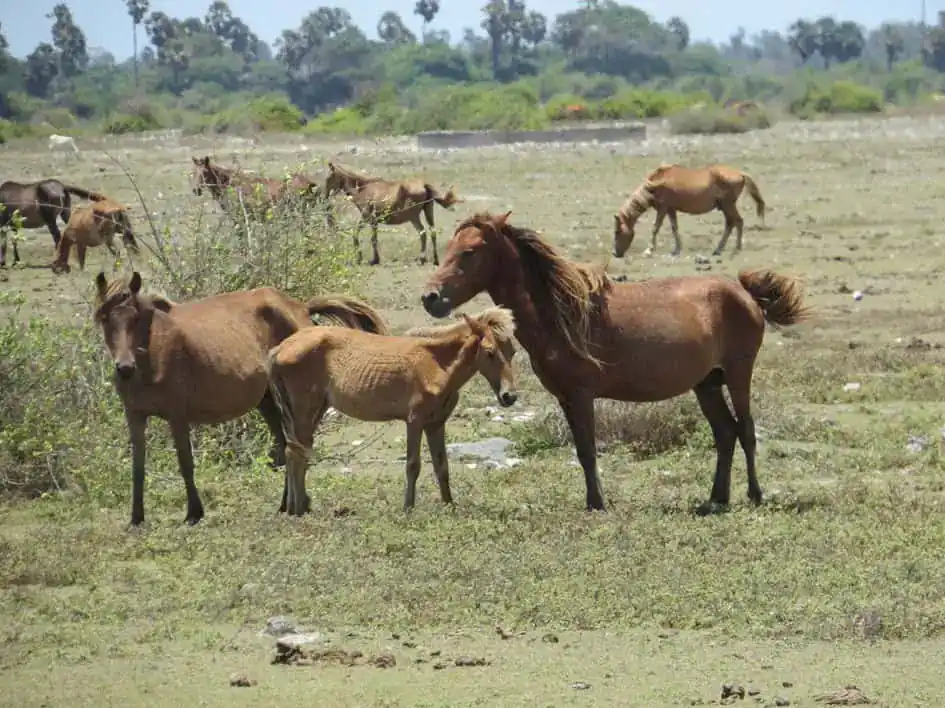
Wild horses – Delft Island (Photo: Nalaka Priyantha)
If you ask experienced travellers to name the most memorable island in Sri Lanka, Delft Island often comes first. Known locally as Neduntheevu, this isolated island sits Northwest of Jaffna and offers one of the country’s most unusual landscapes.
The tour starts with a one-hour ferry ride from Kurikadduwan Jetty. As the mainland disappears behind you, the sea opens into wide blue water before Delft slowly appears on the horizon. The first thing many visitors notice is the absence of heavy traffic. Instead, bicycles, small tractors, and tuk-tuks move along quiet roads lined with coral stone walls.
Delft stands apart for its unique natural and historical features. Wild horses roam freely across open grassland. Historians believe their ancestors arrived during the Portuguese period several centuries ago. Today, they have become the island’s best-known attraction and a favourite subject for photographers.
The island also shelters one of Sri Lanka’s oldest living trees. A massive baobab tree, believed to have arrived with Arab traders hundreds of years ago, spreads its thick branches across the landscape. Nearby, visitors find the remains of a Dutch fort, an old courthouse, colonial buildings, and a pigeon tower built from coral stone.
One of the most interesting features is the network of coral walls. Local communities built these walls using fossilised coral rather than bricks or timber. They divide farmland and create patterns unlike anywhere else in Sri Lanka.
Cycling provides one of the best ways to explore Delft Island. The roads stay mostly flat, making the journey easy while allowing plenty of time to stop at viewpoints and historical sites. The island also attracts birdwatchers who enjoy observing coastal species in a peaceful setting.
Many visitors describe Delft as one of the most authentic places they have visited during their journey across Sri Lanka. Rather than luxury resorts or busy nightlife, the island offers silence, history, and wide open landscapes. Those qualities explain why Delft consistently receives some of the highest traveller ratings among Sri Lanka’s islands.
Mannar Island. Where Nature Meets History
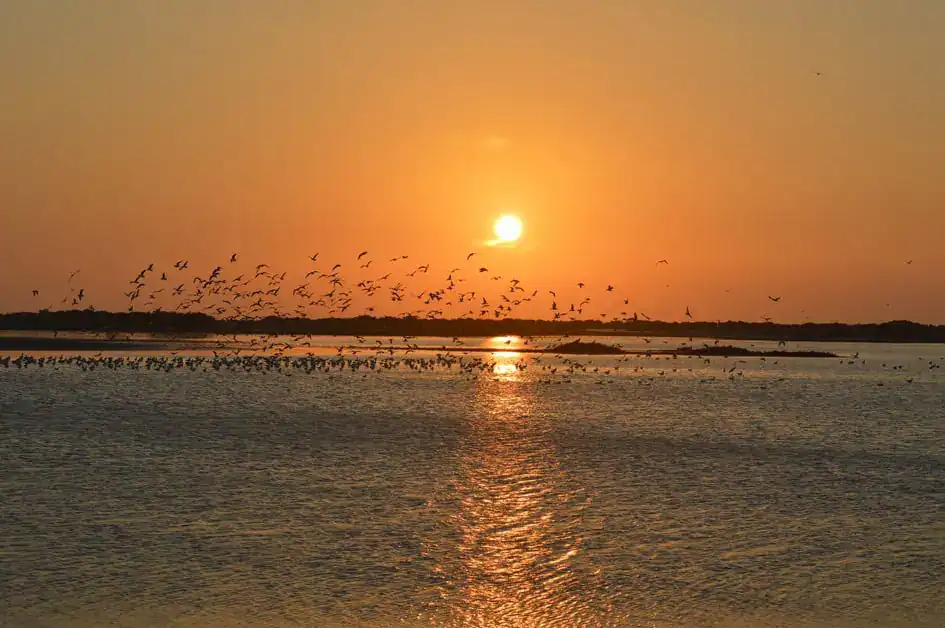
A flock of birds and sunset – Mannar Island (Photo: Nalaka Priyantha)
Mannar Island combines natural beauty with centuries of history. Connected to the mainland by a causeway, the island offers easy access while keeping a peaceful atmosphere.
Birdwatchers know Mannar as one of South Asia’s important migration sites. Every year, thousands of flamingos, pelicans, painted storks, and many other species arrive from distant regions. During migration season, large flocks transform the wetlands into one of Sri Lanka’s finest wildlife spectacles.
Nature is only part of Mannar’s appeal. The island also preserves an impressive collection of historical sites. Mannar Fort, built by the Portuguese and later strengthened by the Dutch, still overlooks the surrounding landscape. Walking through the old walls provides insight into the island’s role in maritime trade and colonial history.
A short drive leads visitors to another famous landmark, the giant baobab tree. Local tradition suggests Arab traders planted the tree centuries ago while using Mannar as a trading port across the Indian Ocean. Its enormous trunk continues to impress travellers today.
Further west lies Talaimannar, the closest point between Sri Lanka and India. Here, visitors find the remains of the historic railway pier, which once connected ferry services between the two countries. Nearby stretches Adam’s Bridge, also known as Ram Setu, a chain of limestone shoals that has inspired geological research, religious tradition, and historical debate for generations.
Photography enthusiasts appreciate Mannar’s landscapes throughout the day. Wind farms, sandy beaches, fishing villages, and quiet roads create opportunities for memorable images without large crowds.
Fresh seafood also forms an important part of the island experience. Local restaurants serve crab, prawns, cuttlefish, and fish caught daily from the surrounding waters. The relaxed pace encourages visitors to spend time talking with local families who have lived beside the sea for generations.
Although Mannar receives fewer visitors than Sri Lanka’s southern beaches, many experienced travellers describe the island as one of the country’s hidden highlights. Its combination of wildlife, history, and peaceful scenery creates an experience few destinations match.
Pigeon Island. Sri Lanka’s Premier Marine National Park
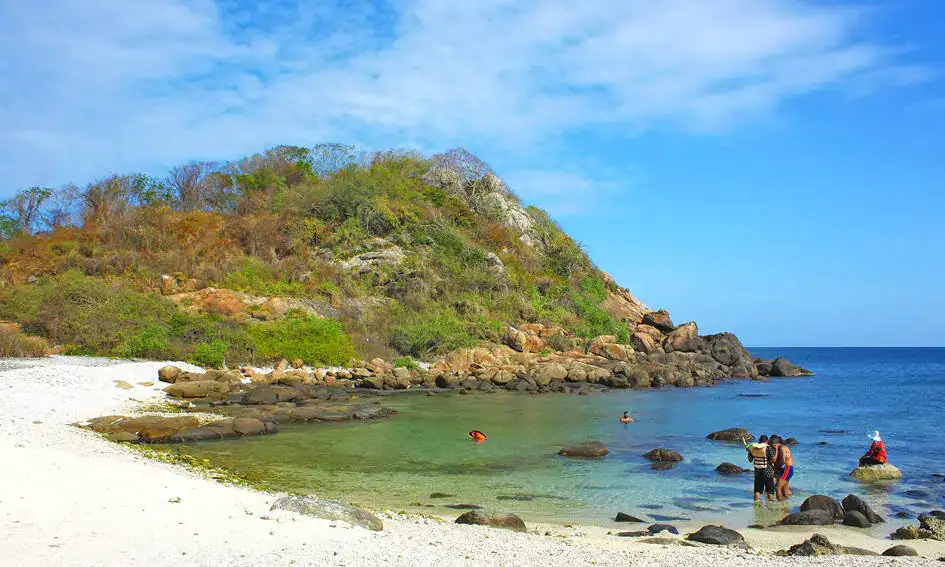
Pigeon Island National Park in Trincomalee (Photo: AntanO, CC BY-SA 4.0)
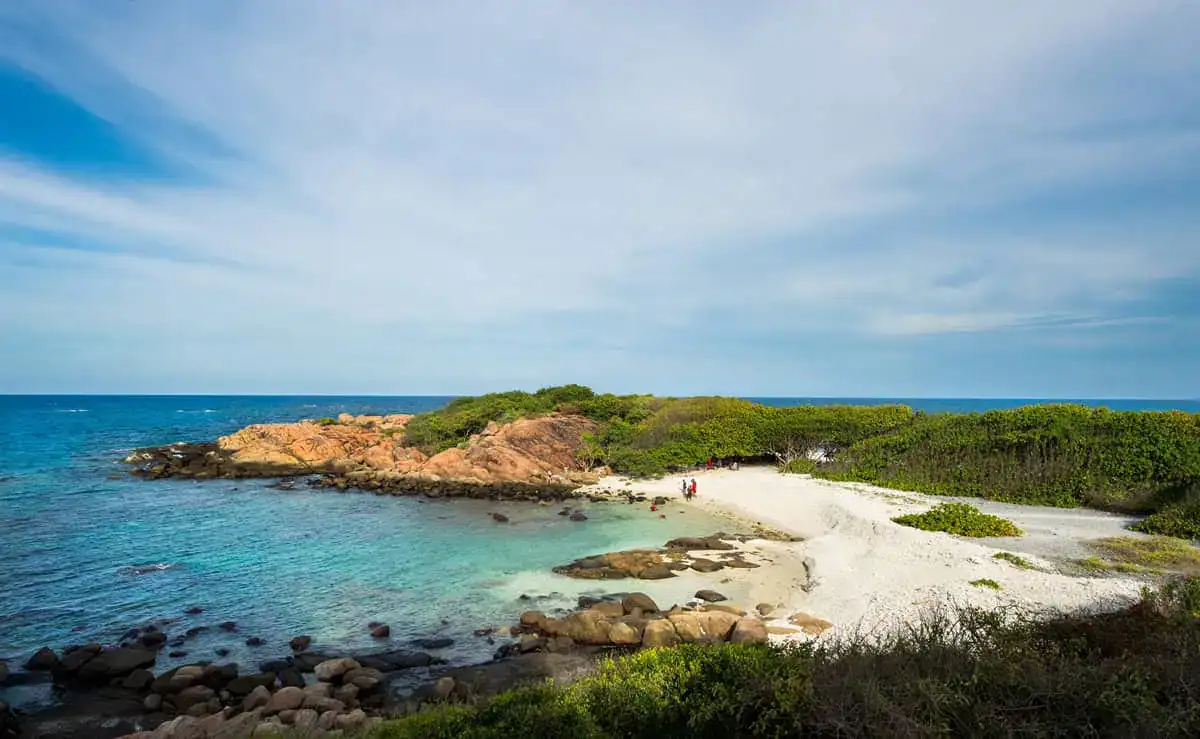
Few places in Sri Lanka match the underwater beauty of Pigeon Island. Located about one kilometre from Nilaveli Beach near Trincomalee, this protected marine national park attracts snorkellers, swimmers, and marine life enthusiasts from around the world.
Visitors reach the island by a short boat ride across calm, clear water. Even before entering the sea, colourful coral reefs become visible beneath the surface.
Pigeon Island earned national park status because of its rich marine ecosystem. The reefs support hundreds of species of tropical fish, as well as sea turtles, giant clams, reef sharks, sea cucumbers, and many other marine animals. Blacktip reef sharks often swim through shallow water, creating memorable encounters while remaining harmless to respectful visitors.
Snorkelling provides the main attraction. Beginners and experienced swimmers alike enjoy floating above coral gardens filled with butterflyfish, parrotfish, angelfish, and surgeonfish. Visibility often reaches impressive levels during the dry season, making underwater photography especially rewarding.
The island itself remains small. Walking trails cross rocky ground where rock pigeons once nested in large numbers, giving the island its name. Native coastal plants survive despite the harsh sun and salty conditions.
Conservation plays an important role here. The Department of Wildlife Conservation manages visitor access to reduce damage to fragile coral reefs. Travellers receive guidance on responsible snorkelling practices, including avoiding contact with coral and marine life. Sri Lanka Tourism continues to promote Pigeon Island as one of the country’s leading marine attractions.
The best time to visit usually falls between April and September when sea conditions stay calm along the East Coast. During these months, boats operate regularly from Nilaveli, allowing travellers to spend several hours exploring the reefs and the island.
Pigeon Island appeals to families, couples, photographers, and nature lovers alike. Many visitors rank the experience among the finest snorkelling trips in South Asia because of the clear water, healthy reef system, and easy access from the mainland.
Nainativu. A Sacred Island of Faith and Tradition
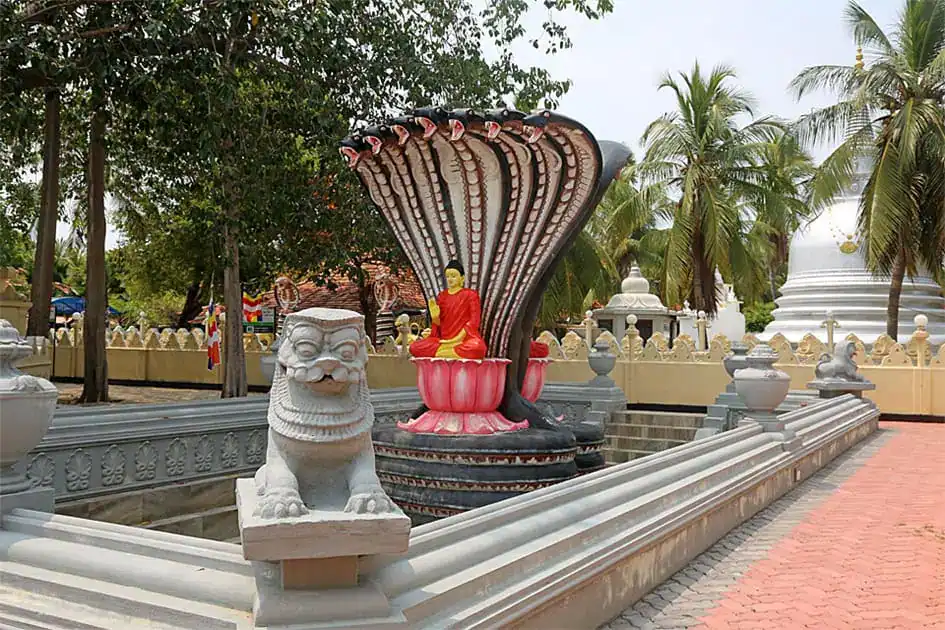
Nagadeepa Rajamaha Viharaya – Nainativu (Photo: Denish C, CC BY-NC-ND 2.0)
Among all the islands in Sri Lanka, Nainativu offers the richest spiritual experience. This small island lies west of the Jaffna Peninsula and welcomes thousands of pilgrims throughout the year.
Visitors reach Nainativu by passenger ferry from Kurikadduwan. The short crossing introduces a peaceful atmosphere that continues across the island.
Nainativu holds deep significance for both Buddhists and Hindus. Nagadeepa Purana Viharaya stands as one of Sri Lanka’s most respected Buddhist temples. According to Buddhist tradition, Lord Buddha visited the Nainativu island to settle a dispute between two Naga kings. Pilgrims arrive throughout the year to pay their respects and experience the calm surroundings.
Only a short distance away stands Nagapooshani Amman Temple, one of the country’s most important Hindu temples dedicated to Goddess Bhuvaneswari. Its colourful towers, detailed carvings, and vibrant festivals attract devotees from Sri Lanka and India.
The peaceful coexistence of these two sacred sites creates a unique atmosphere. Visitors often observe Buddhist pilgrims and Hindu devotees sharing the same ferry and exploring the island with mutual respect.
Beyond its religious importance, Nainativu provides a glimpse into traditional island life. Small fishing communities continue long-established customs. Quiet streets, coastal views, and friendly residents encourage visitors to slow their pace and enjoy simple moments.
Photography enthusiasts appreciate the colourful temple architecture, while cultural travellers value the opportunity to learn about Sri Lanka’s religious diversity in one small location.
For visitors exploring northern Sri Lanka, Nainativu complements Delft Island and Jaffna perfectly. Together, they reveal a region rich in history, culture, and traditions rarely experienced by visitors who stay only in the country’s southern resorts.
Kayts Island. A Quiet Escape with Colonial Heritage
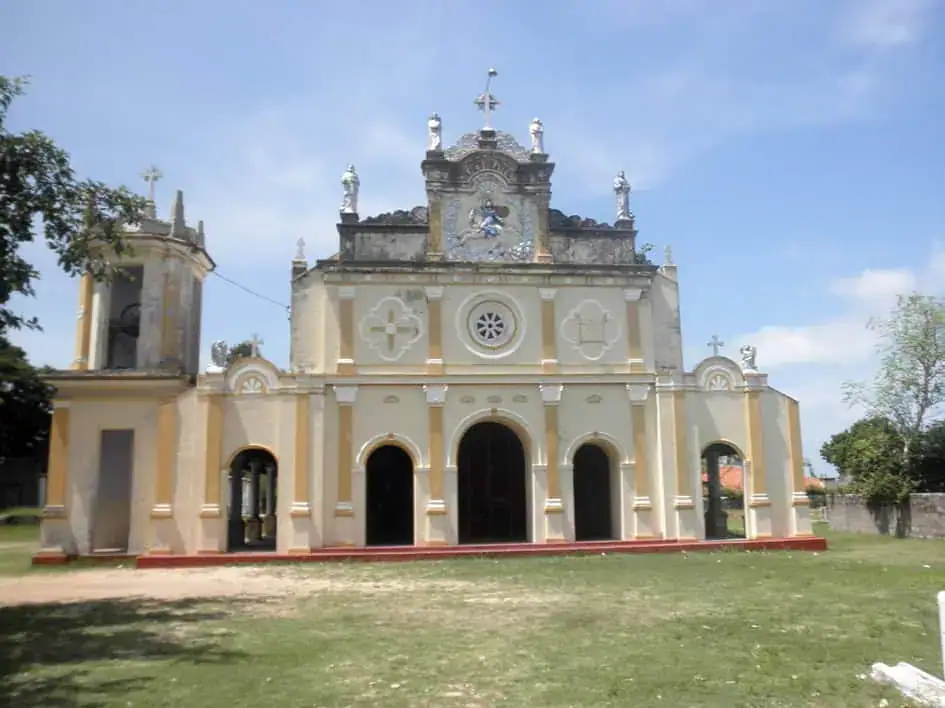
St. James Church – Kayts (Photo: Ghostface Buddha, CC BY-SA 2.0)
Kayts Island sits between the Jaffna Peninsula and the western islands of the North. A long causeway links the island to the mainland, making the journey easy. Yet the atmosphere changes the moment you arrive. The roads become quieter, fishing boats replace heavy traffic, and rows of palmyra palms stretch across the landscape.
Many travellers pass through Kayts on the way to Delft Island. That is a mistake. The island deserves its own time because it offers a slower side of northern Sri Lanka.
Kayts played an important role during the Portuguese and Dutch periods. Traders valued its sheltered harbour, while colonial powers built churches and administrative buildings across the island. Several of these structures still stand today, although time and tropical weather have left visible marks on many of them.
One highlight is St. James Church, one of the oldest churches in northern Sri Lanka. The simple architecture reflects centuries of history and the long relationship between the island and European traders.
Fishing continues to shape daily life. Colourful boats leave before sunrise and return later with the day’s catch. Visitors often watch fishermen repair their nets along the shoreline while children play nearby. These scenes create memorable moments for photographers because they reflect everyday life rather than staged tourism.
The coastline offers peaceful views across the Palk Strait. Unlike the crowded beaches of southern Sri Lanka, Kayts feels calm throughout the day. The sea breeze, quiet roads, and open landscapes encourage long walks or relaxed bicycle rides.
Seafood forms another highlight of a visit. Local restaurants prepare fresh fish, crab, prawns, and cuttlefish using traditional northern recipes. Sharing a meal with views across the water completes a rewarding day on the island.
Kayts fits perfectly into a northern Sri Lanka itinerary. Many visitors combine a visit to the island with Delft, Nainativu, and Jaffna during a two- or three-day journey.
Madol Duwa. The Island That Inspired a Classic Story
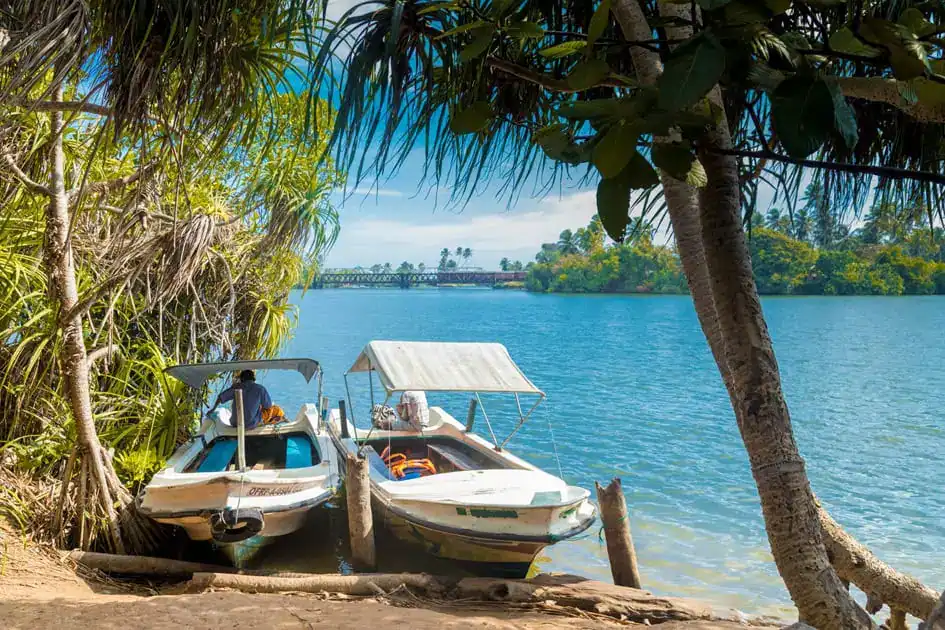
Madol Duwa – Koggala Lake (Photo: Dinuka Lankaloka on Unsplash)
Madol Duwa is one of the smallest islands in Sri Lanka. Despite its size, the island holds a special place in Sri Lankan culture.
The island lies within Koggala Lake on the South Coast. Most visitors arrive by boat during a lake safari. The journey itself forms part of the experience because the route passes mangrove forests, cinnamon plantations, and small fishing communities.
Madol Duwa became famous through the novel “Madol Doova” by Martin Wickramasinghe, one of Sri Lanka’s greatest writers. The story follows two boys who escape to the island and build an independent life. Generations of Sri Lankan students have read the novel, which has turned the island into an important literary destination.
Visitors who know the story enjoy comparing the landscapes with the descriptions in the book. Those who have not read it still appreciate the peaceful surroundings and natural beauty.
The island itself stays largely untouched. Large trees provide shade while birds move between the branches. Monitor lizards, butterflies, and other wildlife appear throughout the area. The calm waters of Koggala Lake offer excellent conditions for photography, especially early morning and late afternoon.
Boat tours often include several nearby attractions. Visitors stop at Cinnamon Island to learn how cinnamon grows and how local families prepare one of Sri Lanka’s most famous exports. Other tours visit small Buddhist temples and mangrove forests before returning to the mainland.
Madol Duwa appeals to travellers who enjoy nature, literature, and peaceful scenery. Although it differs completely from the northern islands, it earns its place among the finest islands in Sri Lanka because of its unique story and tranquil setting.
Parappuduwa Island. A Small Island with Big Views
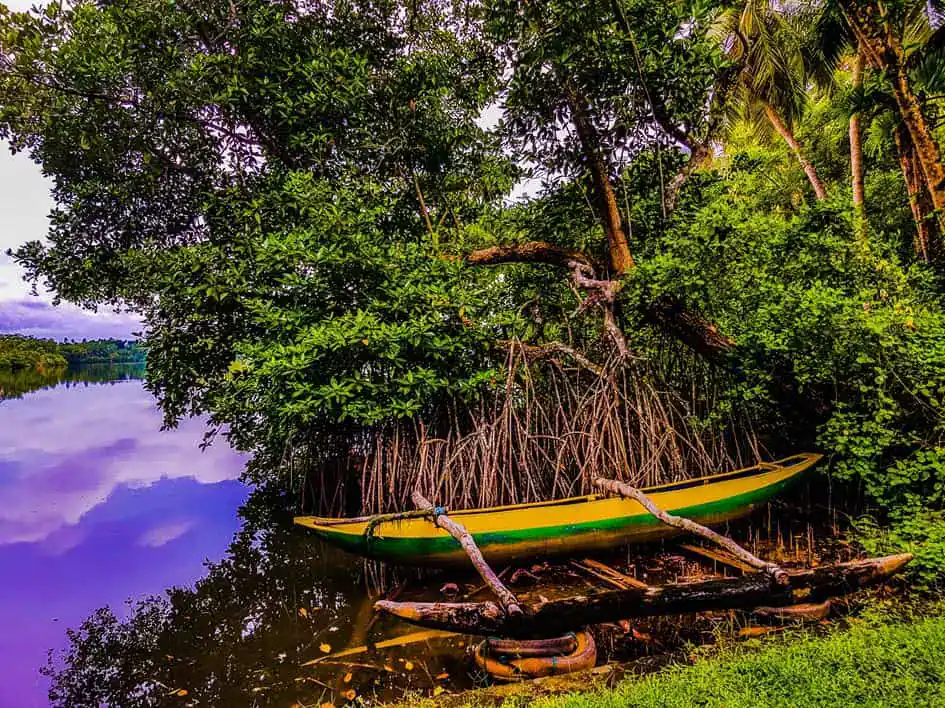
Traditional catamaran and mangroves – Ratgama Lake (Photo: Nilan.iro, CC BY-SA 4.0)
Parappuduwa Island has become one of the South Coast’s favourite photography locations. The island sits within Ratgama Lake and welcomes visitors with one of the simplest yet most beautiful scenes in Sri Lanka.
At the centre of the island stands a peaceful Buddhist temple surrounded by large trees. The atmosphere encourages visitors to slow down and enjoy the silence.
Unlike larger temples across the country, Parappuduwa receives relatively few visitors. This allows people to appreciate the surroundings without crowds.
The island has gained attention through travel photography and social media. Sunrise and sunset create soft light across the lake, making the temple one of the most photographed locations in southern Sri Lanka.
Birdlife adds another attraction. Kingfishers, herons, cormorants, and egrets appear throughout the day. Nature lovers often combine the island with a boat safari and kayaking across Ratgama Lake.
Because the island sits close to Galle, Unawatuna, Ahangama, Weligama, and Mirissa, it makes an easy half-day trip for visitors staying along the Southern Coast.
Parappuduwa proves that memorable travel experiences do not always require large attractions. Sometimes, a quiet island, calm water, and peaceful surroundings leave the strongest impression.
Mandaitivu Island. An Authentic Side of Northern Sri Lanka
Mandaitivu remains one of the least-visited islands in Sri Lanka. That is part of its appeal.
A causeway connects the island with the Jaffna Peninsula, making access straightforward. Once you arrive, you find wide coastal landscapes, fishing villages, salt air, and long stretches of quiet shoreline.
Tourism has developed slowly here. Visitors do not come for luxury hotels or organised attractions. They arrive because they want to experience local life without crowds.
Fishing supports many families on the island. Boats leave each morning while local markets sell fresh seafood later in the day. Watching daily routines provides insight into a way of life that has changed little over many years.
The coastline offers broad views across the sea towards neighbouring islands. During the evening, the setting sun creates beautiful colours across the water. Photographers appreciate the simple beauty of the landscape because there are few buildings to interrupt the view.
Cycling provides one of the best ways to explore the island. Quiet roads pass fishing communities, small shrines, and coastal wetlands where shorebirds gather.
Visitors interested in local culture enjoy speaking with residents who often welcome respectful travellers with genuine warmth. These conversations become lasting memories because they offer personal insight into island life.
Mandaitivu does not compete with famous beach destinations. Instead, it rewards travellers who value authenticity, peaceful scenery, and meaningful experiences.
Practical Tips for Visiting the Islands in Sri Lanka
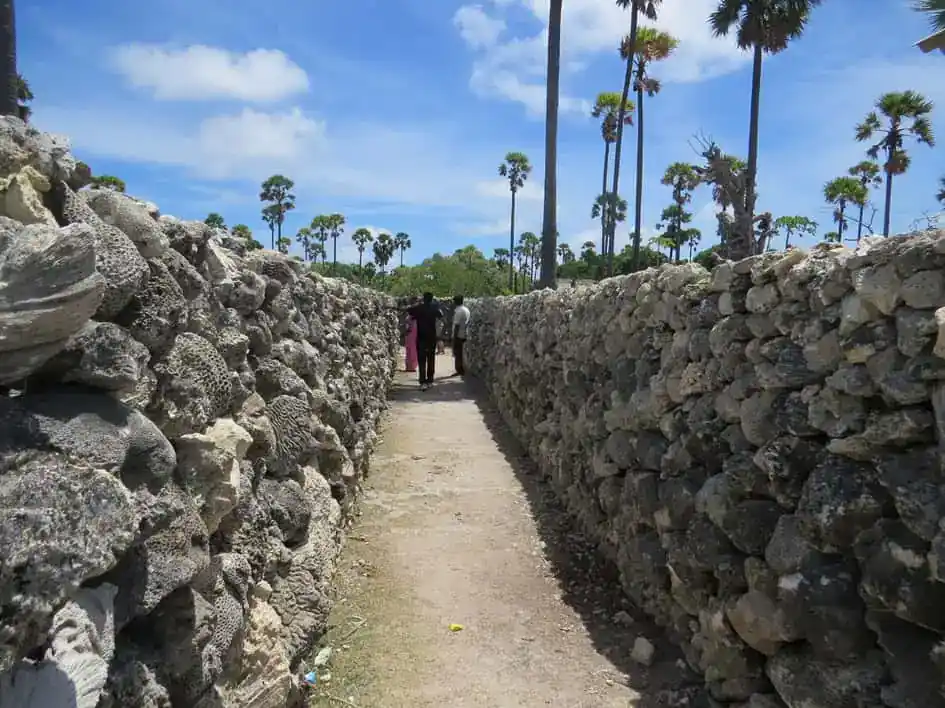
Coral Walls – Delft Island (Photo: Nalaka Priyantha)
Planning makes island travel much easier.
The northern islands are easiest to explore from Jaffna. Staying in Jaffna for several nights gives enough time to visit Delft Island, Nainativu, Kayts Island, and Mandaitivu. Public ferries operate to Delft and Nainativu, although schedules depend on weather conditions. Arriving early helps avoid delays during busy periods.
The best months for northern Sri Lanka usually fall between December and September, when rainfall is lower, and sea conditions are calmer.
Pigeon Island is best visited between April and September when the East Coast enjoys sunny weather and calm seas. Boats leave from Nilaveli Beach throughout the day, although morning trips often provide the clearest water for snorkelling.
Madol Duwa and Parappuduwa Island are available year-round. Morning and late-afternoon boat tours offer pleasant temperatures and softer light for photography.
It is recommended to read the weather in Sri Lanka and the best time to visit.
Light clothing, sunscreen, drinking water, sunglasses, and comfortable footwear make every island visit more enjoyable. Respectful clothing is also important when visiting temples on Nainativu and Parappuduwa Island.
Protecting these islands is equally important. Stay on marked paths, avoid touching coral reefs while snorkelling, carry reusable water bottles where possible, and avoid leaving rubbish behind. Small actions help preserve these destinations for future visitors.
Read about sustainable travel in Sri Lanka and how to explore responsibly.
A Suggested Island Hopping Itinerary
If you have one week, you have enough time to experience several of the finest islands in Sri Lanka.
Begin in Jaffna. Spend the first day exploring the city, then visit Nainativu and Delft Island on the second day. Use the third day for Kayts Island and Mandaitivu while enjoying the quieter side of the Northern Coast.
Travel south through Mannar and spend a day exploring the island’s birdlife, historical sites, and coastal scenery.
Continue to Trincomalee and dedicate one morning to snorkelling at Pigeon Island National Park.
Finish your journey on the Southern Coast with a visit to Koggala Lake. Explore Madol Duwa and Parappuduwa Island before continuing to Galle or Unawatuna.
This route introduces travellers to history, wildlife, marine life, culture, religion, and local communities within one memorable journey.
Are you new to Sri Lanka? Read our ultimate travel guide for first-time visitors and the best Sri Lanka travel itineraries for your travel season.
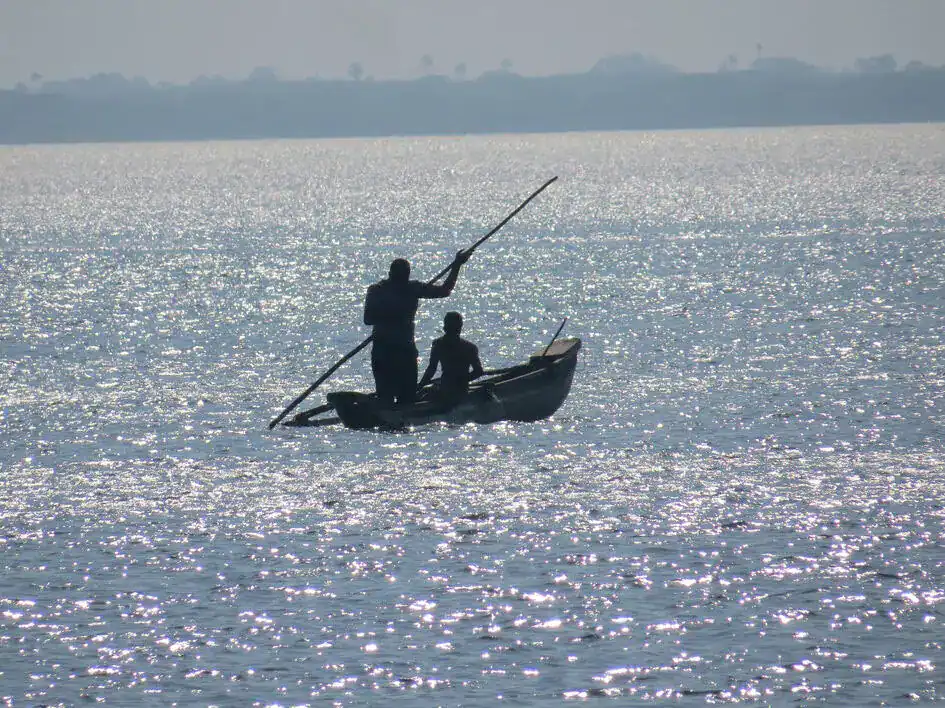
Traditional Fishing – Mannar Island (Photo: Nalaka Priyantha)
Final Thoughts
The islands in Sri Lanka reveal a side of the country that many visitors never experience. Each island tells a different story through its people, landscapes, wildlife, and history. Delft Island offers wild horses and colonial ruins. Mannar Island combines migratory birds with ancient trade routes. Pigeon Island brings colourful coral reefs and some of the country’s finest snorkelling. Nainativu reflects centuries of Buddhist and Hindu tradition. Kayts Island preserves the peaceful rhythm of island life in the North. Madol Duwa connects literature with nature. Parappuduwa Island provides one of the most peaceful temple settings on the Southern Coast. Mandaitivu rewards travellers who enjoy authentic experiences away from busy tourist centres.
These destinations show how diverse Sri Lanka truly is. They invite you to slow your pace, meet local communities, learn about history, and experience landscapes that differ from the country’s famous beaches and hill country. Whether you plan your first holiday or return for another journey, the islands in Sri Lanka deserve a place on your itinerary. They offer experiences that stay with you long after the ferry returns to the mainland.
Map – Islands in Sri Lanka
Sources and References:
- Sri Lanka Tourism Development Authority (SLTDA)
- Sri Lanka Tourism
- Department of Wildlife Conservation Sri Lanka
- Department of Archaeology Sri Lanka
- Forest Department Sri Lanka
- UNESCO World Heritage Centre
- Survey Department of Sri Lanka
- BirdLife International
- Tripadvisor
- Lonely Planet
- Encyclopaedia Britannica
- National Geographic
- Martin Wickramasinghe, Madol Doova
Featured image: Pigeon Island National Park – Trincomalee (Photo: Chiranmayu Medis, CC BY-SA 4.0)

I am a Sri Lankan medical doctor who spends my free time travelling, exploring new destinations, and documenting the beauty of the island I call home. I have journeyed across almost every corner of Sri Lanka with my wife and daughter — from wildlife parks and misty mountains to ancient cities, deep forests, rugged landscapes, and quiet beaches.
Travel is not just a hobby for me — it’s a way of life. I love nature, enjoy road trips, and find joy in wildlife photography. I also read widely about tourism, travel trends, and destination culture. Through my writing, I aim to help travellers experience Sri Lanka through real stories, meaningful insights, and honest recommendations — the same way I explore it with my own family.