

Sri Lanka is famous for golden beaches, ancient temples, wildlife safaris, and scenic train journeys. Yet many travellers overlook another side of the island. The country’s inland waterways shape its landscapes, history, and wildlife. The rivers in Sri Lanka flow from misty mountains to the Indian Ocean. Along the way, they pass rainforests, tea estates, villages, and national parks. The lakes in Sri Lanka, many of which are ancient reservoirs, tell a story of engineering skill that stretches back more than two thousand years.
If you want to see more than the usual tourist trail, these waterways deserve a place on your itinerary. You will find thrilling white water rafting, peaceful mangrove cruises, lakes surrounded by tea plantations, and reservoirs where elephants gather during the dry season. Sri Lanka Tourism promotes the island’s nature, adventure, and cultural heritage as three of its signature travel experiences. Many of the destinations in this guide combine all three, offering memorable experiences while showcasing a different side of the island.
This guide brings together the fifteen most beautiful lakes and rivers in Sri Lanka. The selection draws on official tourism resources, traveller reviews, popular itineraries, and the places most often recommended for international visitors. Whether you enjoy wildlife, photography, adventure, or quiet scenery, these destinations belong on your travel list.
Why the rivers in Sri Lanka deserve your attention
Sri Lanka is a compact island, yet it has more than one hundred rivers flowing from the central highlands towards the sea. These rivers support forests, farms, wildlife, and local communities. They also create many of the island’s best outdoor experiences. Sri Lanka Tourism highlights the Kelani Ganga and the Kalu Ganga as leading destinations for kayaking, canoeing, and white-water rafting. At the same time, many other rivers offer peaceful boat trips through mangroves and wetlands.
The lakes in Sri Lanka are equally fascinating. Many visitors call them lakes, but several are ancient reservoirs, known locally as wewas or tanks. Early Sri Lankan kings built these reservoirs to collect rainwater and support agriculture across the dry zone. Today, they also create beautiful landscapes and attract birds, elephants, and photographers from around the world. The ancient reservoirs around Anuradhapura and Polonnaruwa stand as lasting examples of one of the world’s oldest irrigation systems. Sri Lanka Tourism continues to promote this engineering heritage as part of the Cultural Triangle experience.
Adding a few rivers and reservoirs to your journey also helps you experience different regions of the country. A rafting trip in Kitulgala feels completely different from a boat safari through mangrove forests in the South or an evening walk beside Gregory Lake in the cool hill country. Each destination offers its own landscape, climate, and atmosphere.

Castlereagh Reservoir (Photo: Ceylon Tea Trails, CC BY 2.0)
Rivers and lakes in Sri Lanka. What is the difference?
Before exploring the list, it helps to understand one important detail.
Most rivers in Sri Lanka are natural waterways that begin in the central mountains. They flow through forests, tea estates, villages, and national parks before reaching the coast. Many support adventure activities such as rafting, kayaking, and canoeing.
Many of the country’s famous lakes are not natural lakes. They are reservoirs created centuries ago by Sri Lankan kings. Massive earth embankments stored seasonal rainfall and supplied water year-round. Some reservoirs cover several square kilometres and continue to serve local communities today. Their calm waters also attract wildlife and provide peaceful settings for visitors.
This mix of natural rivers and historic reservoirs gives Sri Lanka an unusual variety of inland scenery within a relatively small island.
1. Kelani River

White Water Rafting – Kitulgala (Photo: Chamil Thanthrimudalige, CC BY-NC-ND 2.0)
The Kelani River stands at the top of almost every list of adventure destinations in Sri Lanka. Rising in the central highlands before flowing West towards Colombo, it offers scenery that changes from misty mountains to lush tropical forests.
Most foreign visitors know the Kelani River because of Kitulgala. This small town has become the country’s leading white water rafting destination. Sri Lanka Tourism lists the Kelani Ganga among the island’s best rivers for rafting, kayaking, and canoeing. The rafting season usually runs from November until April, when water levels provide ideal conditions for beginners and experienced paddlers alike.
The river also carries a piece of film history. Parts of the Academy Award-winning film The Bridge on the River Kwai were filmed near Kitulgala during the 1950s. Although the original bridge no longer exists, visitors still come to see the filming location while enjoying the surrounding rainforest. SLTDA also promotes Kitulgala as one of the country’s leading adventure tourism destinations.
Beyond rafting, you will find canyoning, confidence jumps, river trekking, jungle walks, birdwatching, and camping. The dense rainforest surrounding the river creates excellent conditions for spotting colourful birds, butterflies, and endemic plant species.
If you enjoy outdoor activities, the Kelani River deserves a place near the top of your Sri Lanka itinerary.
2. Bentota River
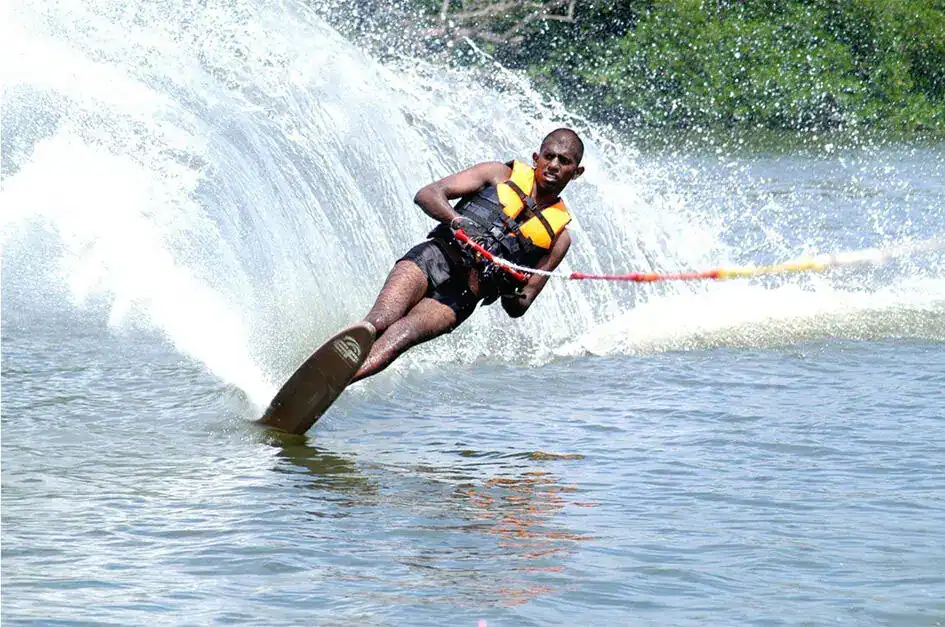
Wakeboarding – Bentota River (Photo: Amila Tennakoon, CC BY 2.0)
Bentota is famous for its beach, yet many travellers soon realise the river is equally rewarding. The Bentota River winds through mangrove forests before meeting the Indian Ocean, creating calm waters that suit both adventure seekers and families.
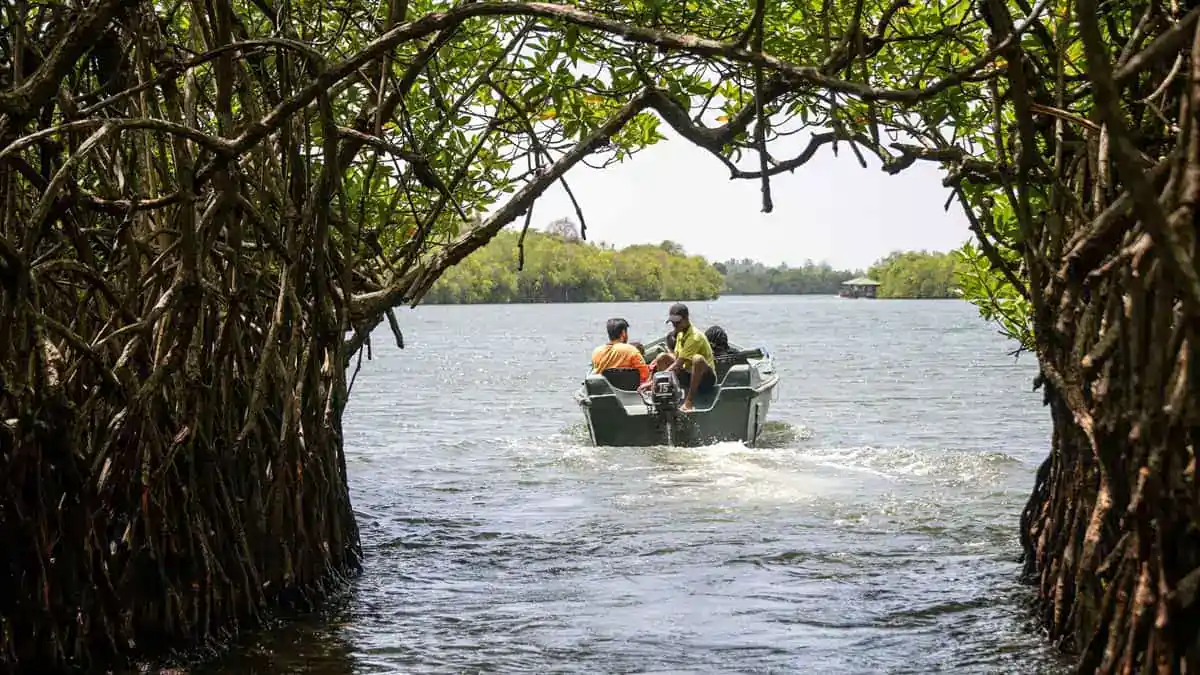
Boat safaris remain the most popular activity. During a cruise, you pass thick mangrove forests, small fishing villages, and tiny islands covered with tropical vegetation. Local guides often point out water monitors, kingfishers, herons, monkeys, and occasional crocodiles resting along the riverbanks.
Those looking for more action will find jet skiing, kayaking, banana boat rides, wakeboarding, and water skiing. Bentota has become one of Sri Lanka’s best-known centres for water sports. Sri Lanka Tourism highlights the Southwestern Coast, including Bentota, as one of the country’s leading water sports destinations.
The river also complements a relaxing beach holiday. Many luxury hotels sit between the beach and the river, allowing visitors to enjoy both in a single day. You might spend the morning beside the ocean and finish the afternoon with a peaceful sunset cruise through the mangroves.
SLTDA lists Bentota among Sri Lanka’s major tourist attractions and notes its strong popularity with international visitors. That reputation continues to grow because the area offers far more than just beach holidays.
3. Madu Ganga
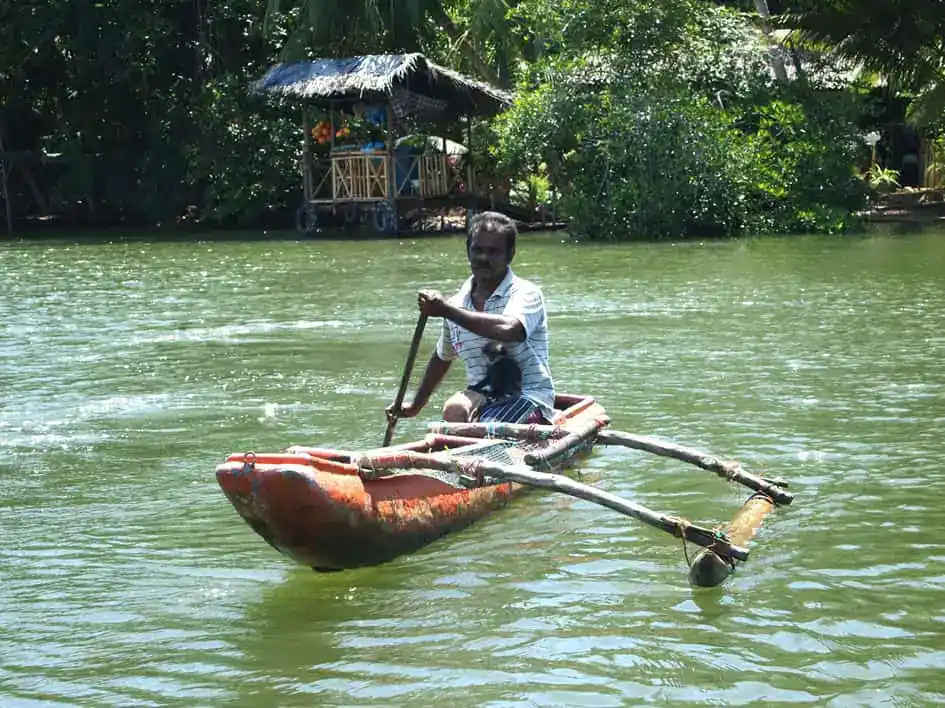
A Traditional Canoe – Madu Ganga (Photo: Kalaiarasy, CC BY-SA 3.0)
Few waterways in Sri Lanka match the peaceful atmosphere of Madu Ganga. This extensive wetland system near Balapitiya combines mangrove forests, small islands, narrow waterways, and rich wildlife into one of the country’s finest eco-tourism experiences.
A boat safari introduces visitors to dozens of tiny islands scattered across the wetland. Some islands support cinnamon cultivation, while others contain small temples or family homes passed through generations. Local guides explain how cinnamon is harvested using traditional methods, giving visitors insight into local life and nature.
Birdwatchers often rank Madu Ganga among the best wetland habitats in southern Sri Lanka. Kingfishers, egrets, cormorants, and many migratory birds appear throughout the year. The quiet waterways also support water monitors and many fish species.
Traveller itineraries frequently include a Madu River boat safari when visiting Bentota or the Southern Coast, making it one of the island’s most recommended inland excursions.
Unlike faster-paced adventure activities, Madu Ganga encourages you to slow down. The calm water, shaded mangroves, and sounds of birds create a relaxing break from busy sightseeing.
4. Mahaweli River
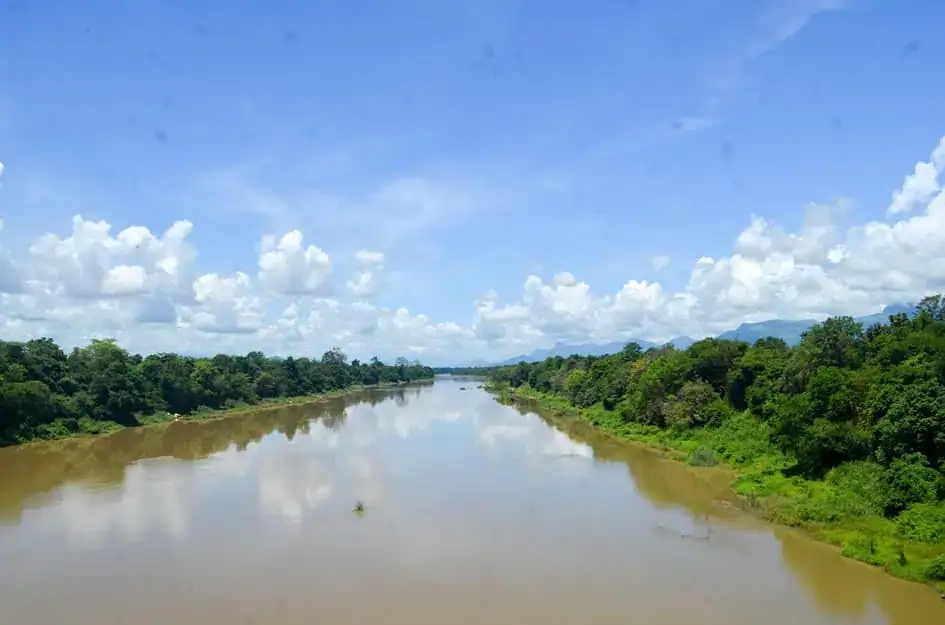
Mahaweli River (Photo: Aldshakya, CC BY-SA 4.0)
The Mahaweli is the longest river in Sri Lanka. It begins in the central highlands and travels more than 335 kilometres before reaching the Bay of Bengal on the island’s eastern coast. Along its route, it passes mountains, forests, farmland, reservoirs, and historic cities. Few waterways shape Sri Lanka’s landscape as much as the Mahaweli.
Many foreign travellers first encounter the river while visiting Kandy. The river curves around parts of the city, adding a peaceful touch to one of Sri Lanka’s cultural capitals. Riverside viewpoints, walking areas, and hotels offer pleasant places to enjoy the scenery after exploring the Temple of the Sacred Tooth or the Royal Botanical Gardens.
The Mahaweli River also supports one of Sri Lanka’s largest hydroelectric and irrigation systems. Several reservoirs, including the beautiful Victoria Reservoir, form part of the Mahaweli Development Programme. While this engineering project serves the country, it also creates attractive landscapes for visitors. Forested hills rise above the water, and early mornings often bring soft mist across the reservoir.
Nature lovers appreciate the variety of wildlife found along the river. Many sections support rich birdlife, while nearby forests shelter monkeys, deer, and other native animals. The river also attracts photographers year-round, as each season creates different colours and reflections.
Unlike rivers known mainly for adventure sports, the Mahaweli offers a slower pace. It suits travellers who enjoy scenic drives, quiet viewpoints, and cultural experiences. Adding the Mahaweli River to your journey also naturally connects with visits to Kandy, the Knuckles Mountain Range, and the hill country.
5. Gin River
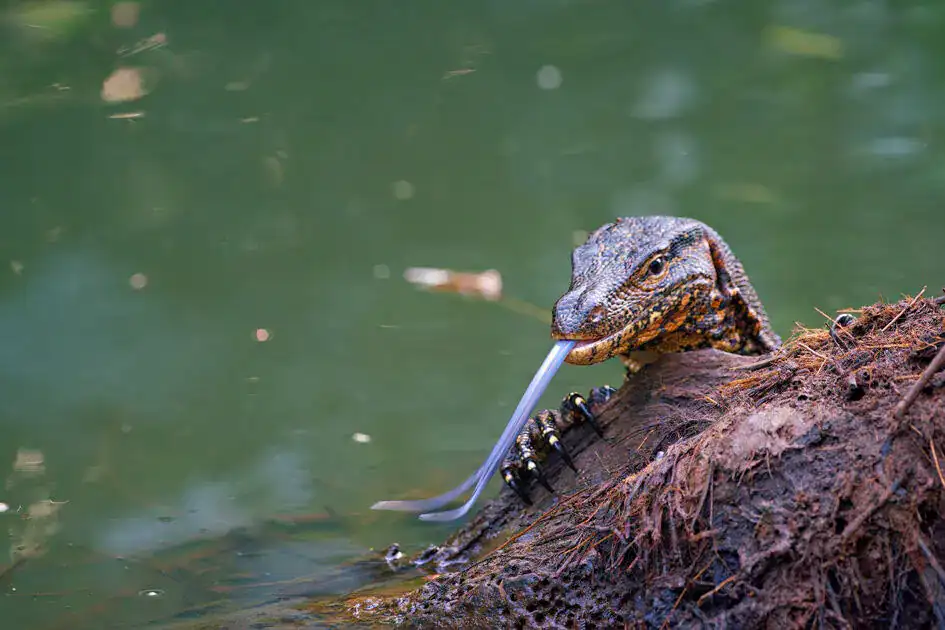
Water monitor – Gin Ganga River (Photo: Aardwolf6886, CC BY-ND 2.0)
The Gin River flows through the lush landscapes of southern Sri Lanka before entering the Indian Ocean near Gintota, close to Galle. Although many visitors travel directly to the beaches, those who spend time along the river often find one of the region’s quieter natural attractions.
Boat safaris are the main activity here. Local guides take visitors through calm waterways lined with mangroves and tropical vegetation. The boat’s slow pace allows plenty of time to watch wildlife without disturbing the natural environment.
Birdwatchers enjoy the Gin River because many species live along its banks year-round. Kingfishers, herons, egrets, cormorants, and brahminy kites are regularly seen. Water monitors often rest beside the river, while monkeys move through the trees overhead. With a little luck, visitors also spot crocodiles sunbathing along the muddy banks.
Unlike the Bentota River, which attracts large numbers of tourists, the Gin River feels quieter. Many travellers appreciate this peaceful atmosphere because it allows them to experience nature without large crowds.
The surrounding countryside also adds to the experience. Coconut plantations, rice fields, and small villages create a beautiful landscape along the journey. Local fishermen continue traditional methods that have changed little over the years.
If you enjoy wildlife photography or birdwatching, the Gin River deserves more attention than it often receives.
6. Kalu Ganga
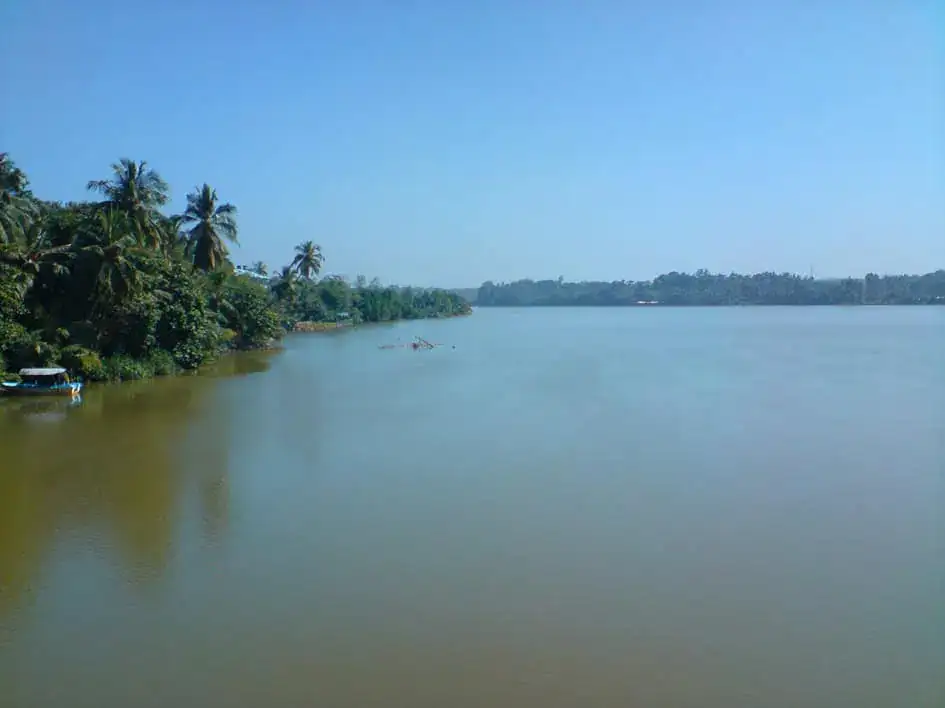
Kalu Ganga (Photo: RichardBond, CC BY-NC-ND 2.0)
The Kalu Ganga rises high in Sri Lanka’s central mountains, flows through Ratnapura, and reaches the sea near Kalutara. Its name means “Black River,” although its waters often reflect shades of green beneath the surrounding rainforest.
The river passes through one of Sri Lanka’s wettest regions. This creates dense forests filled with native plants, colourful birds, and flowing streams. The scenery changes dramatically as the river moves from mountain valleys towards the coast.
Ratnapura, known as the City of Gems, sits beside the Kalu Ganga. Many visitors combine river views with gemstone museums and traditional gem mining experiences. The surrounding area is also one of the main gateways to Sinharaja Forest Reserve, a UNESCO World Heritage Site famous for its biodiversity.
Adventure travellers also visit the Kalu Ganga for kayaking and canoeing. Sri Lanka Tourism highlights the river as one of the country’s popular locations for paddle sports, thanks to its scenic setting and changing river conditions. During suitable seasons, experienced paddlers enjoy longer river journeys through tropical forests and rural landscapes.
The Kalu Ganga appeals to travellers looking for authentic experiences away from the busiest tourist routes. Small villages, forest reserves, tea estates, and mountain roads combine to create one of the island’s most rewarding scenic drives.
7. Walawe River
The Walawe River plays an important role in one of Sri Lanka’s greatest wildlife destinations. Although many visitors arrive for elephants, the river and its reservoir support the entire ecosystem of Udawalawe National Park.
The river begins in the central hills before flowing South through forests and grasslands. Along its route, it feeds the Udawalawe Reservoir, which supplies water throughout the dry season.
This dependable water source attracts large numbers of animals. Asian elephants gather near the reservoir every day. Water buffalo, spotted deer, crocodiles, monkeys, and many bird species also depend on this habitat.
A safari through Udawalawe often includes beautiful views across the reservoir. Early mornings produce calm reflections across the water, while late afternoons create warm colours that photographers love.
The river also supports local farming communities and contributes to the region’s biodiversity. Visitors rarely travel specifically to see the Walawe River, yet they experience its importance throughout their safari.
If wildlife is part of your Sri Lanka holiday, the Walawe River deserves recognition for helping create one of Asia’s finest elephant habitats.
Sri Lanka’s lakes tell a different story.
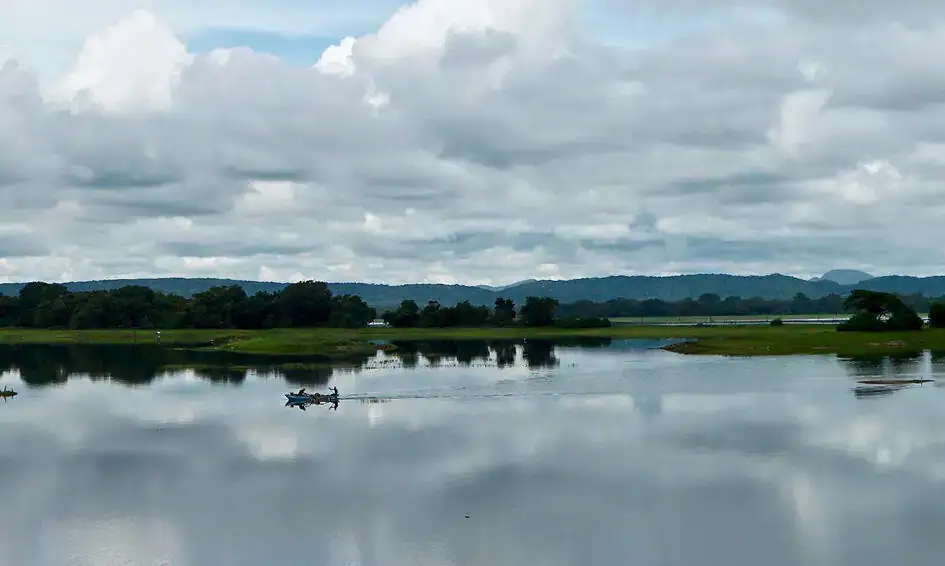
Parakrama Samudra – Polonnaruwa (Photo: Shalika Malintha, CC BY 2.0)
The rivers in Sri Lanka offer adventure, wildlife, and changing landscapes. The lakes in Sri Lanka present another side of the island.
Many visitors are surprised to learn that several famous lakes are ancient reservoirs built by kings more than one thousand years ago. Engineers created massive earth embankments to store rainwater and support farming across the dry zone. Many of these reservoirs still serve their original purpose today.
Others lie among the cool mountains of the central highlands, surrounded by forests and tea plantations. Together, they create beautiful scenery while supporting wildlife, local communities, and tourism.
The next destinations show why the lakes in Sri Lanka deserve as much attention as the country’s rivers.
8. Gregory Lake
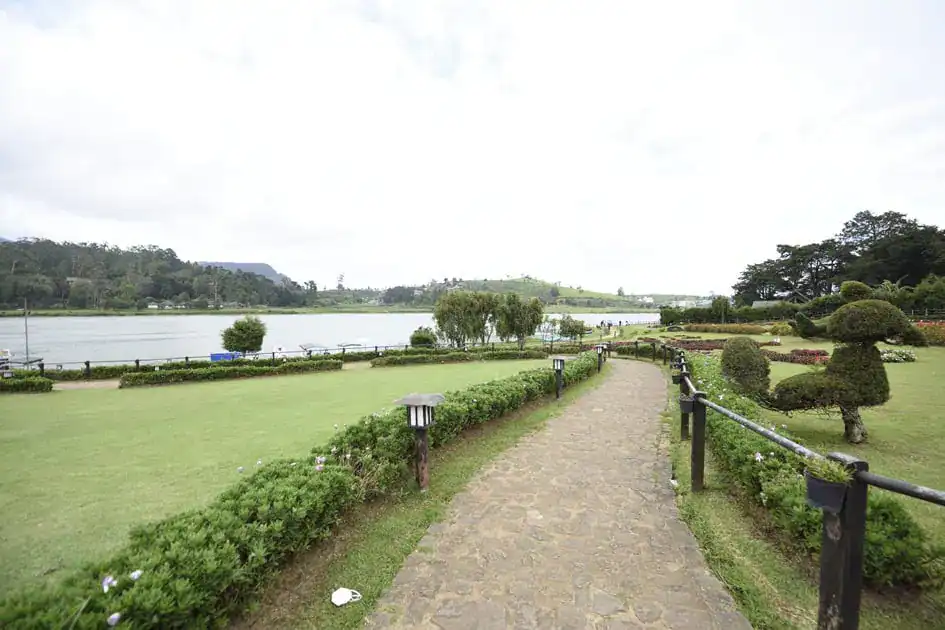
Gregory Lake in Nuwara Eliya (Photo: Nalaka Priyantha)
Few places capture the charm of Sri Lanka’s hill country like Gregory Lake. Located in the heart of Nuwara Eliya, this lake has become one of the town’s most popular attractions for both residents and international visitors.
The lake dates back to the British colonial period. In 1873, Governor Sir William Gregory ordered its construction to improve the surrounding landscape. Today, the lake forms the centrepiece of Nuwara Eliya and gives the town much of its relaxed atmosphere.
Walking along the lakeside is one of the simplest pleasures. Well-maintained paths lead past gardens, cafés, and open spaces where families gather throughout the day. The cool climate makes the area comfortable even during the warmer months elsewhere in Sri Lanka.
Visitors also enjoy paddle boats, speedboats, cycling, horse riding, and small amusement rides. These activities make Gregory Lake popular with couples, families, and independent travellers alike.
The surrounding scenery adds even more appeal. Rolling hills, pine forests, and colourful flower gardens create beautiful views in every direction. Early in the morning, mist often hangs over the water before lifting to reveal clear mountain landscapes.
Gregory Lake also fits easily into a wider hill country itinerary. Hakgala Botanical Garden, tea factories, waterfalls, and Horton Plains National Park all lie within easy driving distance.
9. Parakrama Samudra
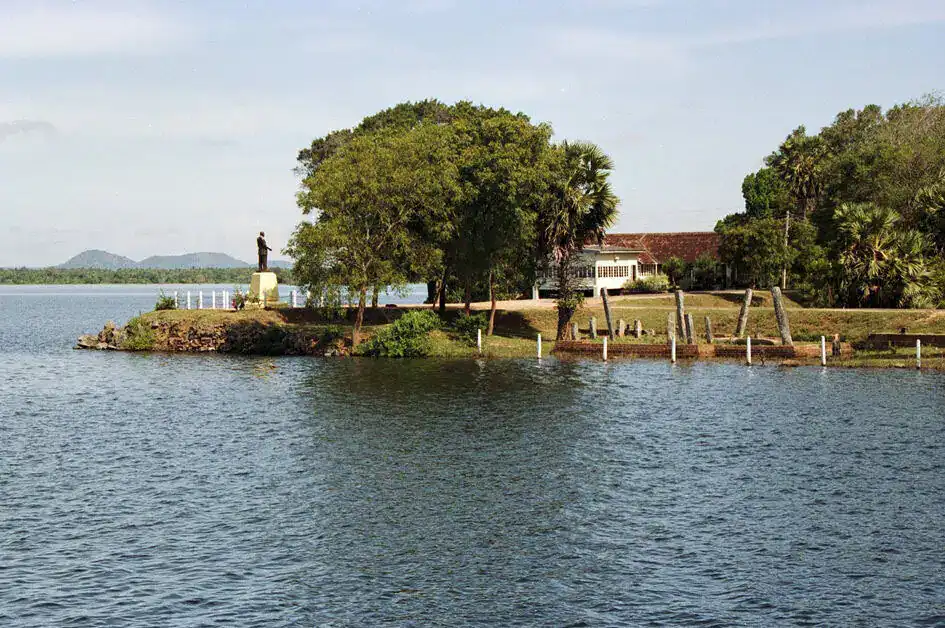
Parakrama Samudra in Polonnaruwa (Photo: jcdl, CC BY-NC-SA 2.0)
Parakrama Samudra stands among the greatest achievements of ancient Sri Lankan engineering. Built in the twelfth century during the reign of King Parakramabahu I, this vast reservoir has supplied water to surrounding farmland for more than 800 years.
The king famously declared that not even a drop of rainwater should flow into the sea without first serving the people. This philosophy guided the construction of one of the largest reservoirs in the country.
Today, Parakrama Samudra forms a beautiful backdrop to the ancient city of Polonnaruwa, a UNESCO World Heritage Site. Visitors often cycle along quiet roads beside the reservoir while exploring royal palaces, temples, and ancient monuments.
The reservoir also attracts large numbers of birds. Pelicans, cormorants, herons, painted storks, and egrets gather along the shoreline throughout the year. Sunrise and sunset create beautiful reflections across the calm water, making this one of the finest photography locations in the Cultural Triangle.
Beyond its beauty, Parakrama Samudra offers visitors a deeper appreciation of Sri Lanka’s history. It shows how advanced irrigation systems helped ancient kingdoms flourish in areas with long dry seasons.
10. Kandalama Lake
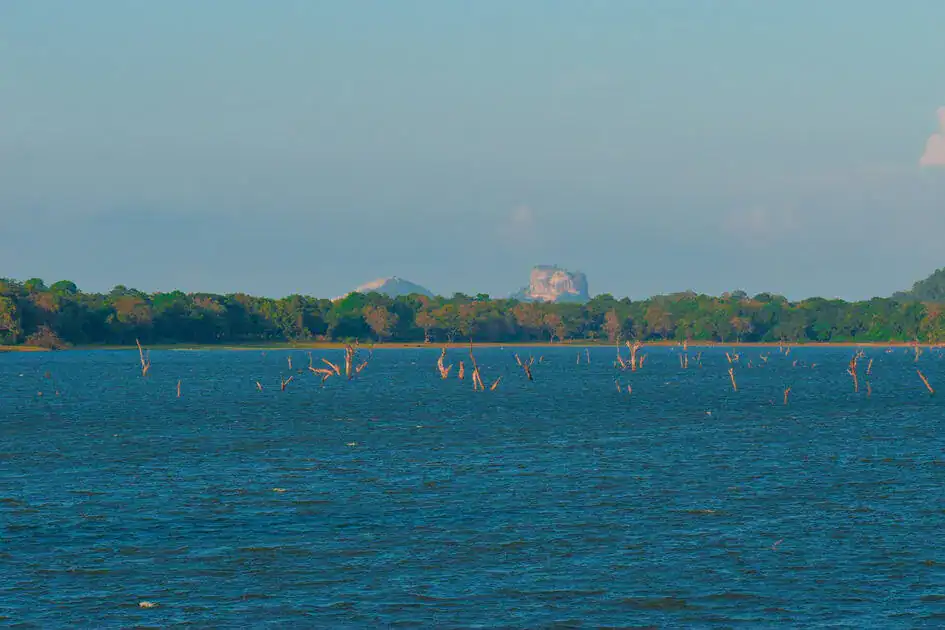
The view of Sigiriya and Pidurangala Rocks from Kandalama Lake (Photo: Terranceensen, CC BY-SA 4.0)
Kandalama Lake combines peaceful scenery with one of Sri Lanka’s best-known luxury destinations.
Located near Sigiriya and Dambulla, the reservoir sits beside forests filled with birds, monkeys, and elephants. Many travellers first see the lake from Heritance Kandalama, the famous hotel designed by architect Geoffrey Bawa. The building blends seamlessly with the surrounding forest, offering beautiful views across the lake through lush tropical vegetation.
Even visitors who do not stay at the hotel appreciate the views around the reservoir. Calm water reflects nearby forests while distant mountains create an impressive backdrop.
Birdwatchers often spend hours around Kandalama Lake. Kingfishers, eagles, herons, bee eaters, and many migratory species appear throughout the year.
The reservoir also lies close to Sigiriya Rock Fortress, Pidurangala Rock, and Dambulla Cave Temple. This location makes it an ideal stop during any Cultural Triangle journey.
The peaceful atmosphere around Kandalama provides a welcome contrast after climbing Sigiriya or exploring the ancient cave temples.
11. Tissa Wewa
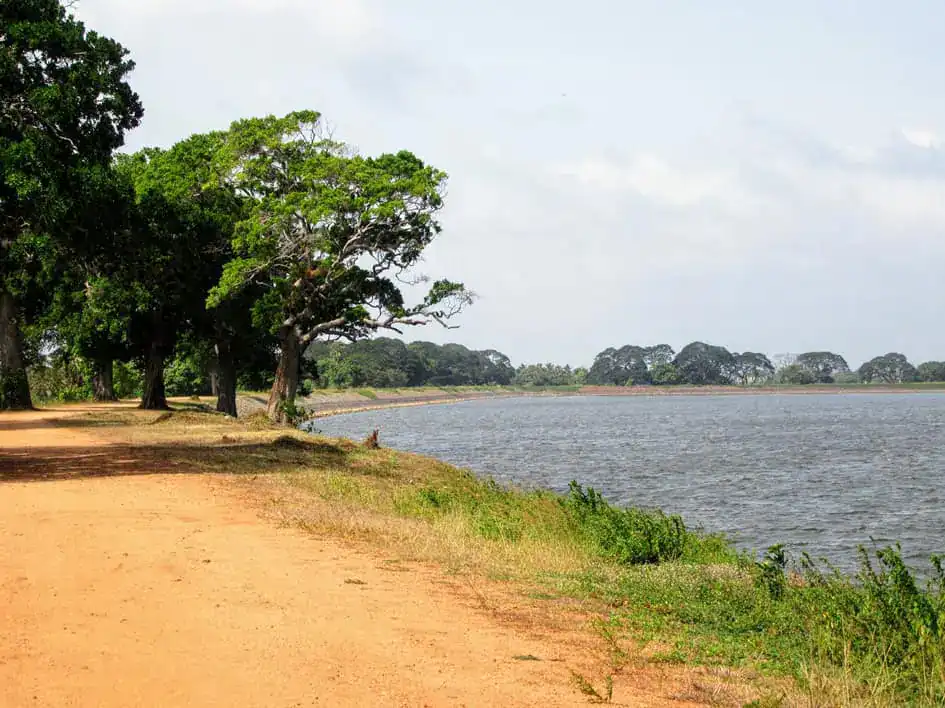
Tissa Wewa – Anuradhapura (Photo: amanderson2, CC BY 2.0)
Tissa Wewa sits beside the sacred city of Anuradhapura and ranks among Sri Lanka’s oldest reservoirs.
King Devanampiya Tissa ordered its construction during the third century BC. Today, more than two thousand years later, the reservoir still supplies water while adding beauty to one of the island’s most important historic cities.
Visitors often walk along the broad embankment during the evening. Gentle breezes, quiet water, and views across the reservoir create a relaxing end to a day spent exploring ancient monasteries, dagobas, and temples.
Birdlife thrives around Tissa Wewa. Egrets, cormorants, herons, and kingfishers frequently appear near the shoreline. Residents also visit the reservoir to enjoy the peaceful surroundings.
The nearby Sacred City of Anuradhapura, another UNESCO World Heritage Site, adds historical significance to Tissa Wewa. Together, they show how ancient Sri Lankan civilisation combined engineering, religion, and agriculture into one of the world’s oldest urban landscapes.
12. Victoria Reservoir
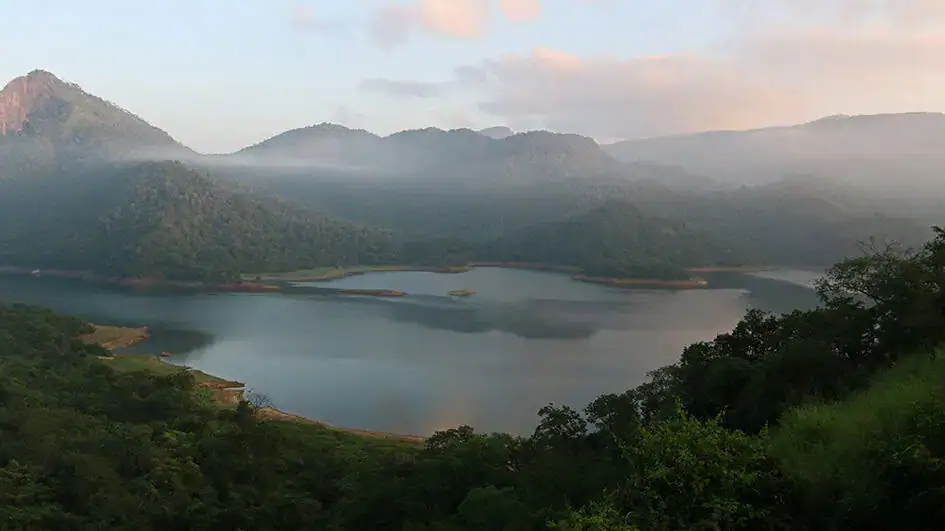
Victoria Reservoir (Photo: Denish C, CC BY-NC-ND 2.0)
Victoria Reservoir is one of the most beautiful lakes in Sri Lanka. Set among the green hills East of Kandy, this vast reservoir offers calm water, forested slopes, and sweeping mountain views. Many travellers pass through the area on the way to the Knuckles Mountain Range or the hill country. Those who stop soon understand why this reservoir deserves more attention.
The reservoir formed after the construction of the Victoria Dam as part of the Mahaweli Development Programme. While the project supplies electricity and irrigation water across Sri Lanka, it has also created one of the country’s most scenic inland landscapes.
The viewpoints around the reservoir offer excellent opportunities for photography. On clear mornings, the surrounding hills reflect across the still water. During the late afternoon, the changing light gives the landscape warm colours that photographers appreciate.
Luxury resorts overlooking the reservoir provide another reason to visit. Many travellers choose this area for a peaceful escape after spending time in busy cities. Boat trips, nature walks, and birdwatching enhance the experience without disrupting the tranquil atmosphere.
Victoria Reservoir also lies within easy reach of Kandy. This location makes it an excellent addition to a hill country itinerary without requiring a long journey.
13. Castlereagh Reservoir
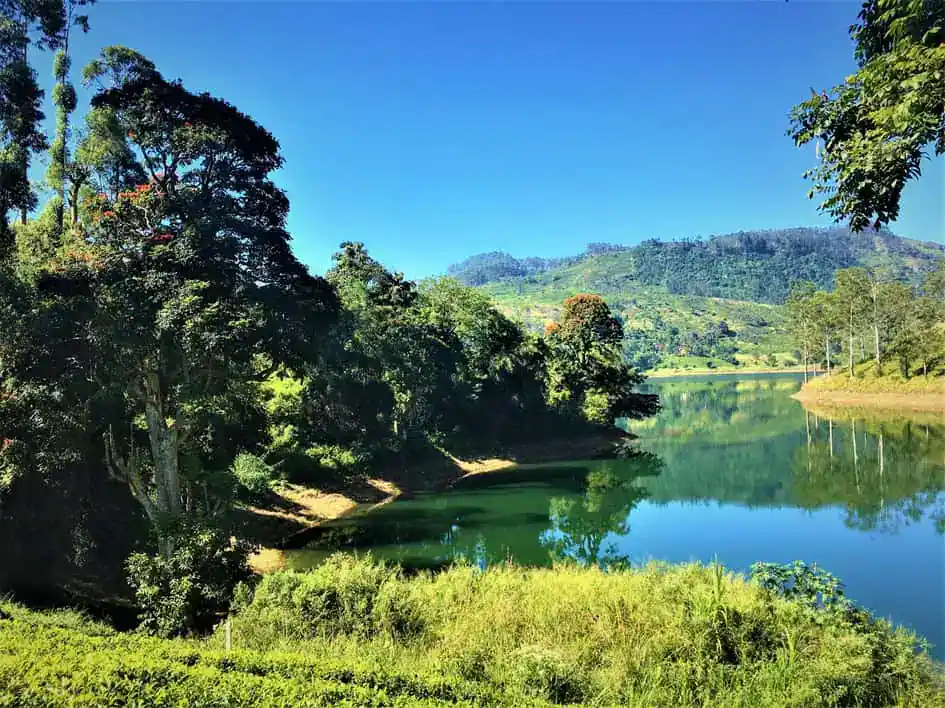
Castlereagh Reservoir, Sri Lanka (Photo: Lavanya Suriyakumar, CC BY-SA 4.0)
Few places capture the beauty of Sri Lanka’s tea country as well as Castlereagh Reservoir. Surrounded by rolling tea plantations, mist-covered hills, and colonial-era bungalows, this reservoir creates one of the island’s finest landscapes.
The journey itself forms part of the experience. Roads wind through green tea estates where workers continue the traditions of hand-picking tea leaves. Small villages appear between the plantations, while waterfalls flow down the surrounding hillsides after periods of rain.
Many luxury hotels and restored tea planters’ bungalows overlook the reservoir. Their peaceful settings attract travellers looking for relaxation, fine dining, and panoramic views. Early mornings often begin with mist floating above the water before the sun slowly reveals the surrounding hills.
Adventure travellers also enjoy the area. Kayaking and gentle shoreline walks offer quiet ways to experience the scenery. Birdwatchers often spot kingfishers, eagles, bulbuls, and many other species around the reservoir.
Castlereagh Reservoir also sits close to Adam’s Peak, one of Sri Lanka’s most important pilgrimage sites. Many visitors combine a stay near the reservoir with an early morning climb to the summit.
The peaceful setting makes Castlereagh one of the finest lakes in Sri Lanka for couples, photographers, and travellers seeking a slower pace.
14. Minneriya Tank
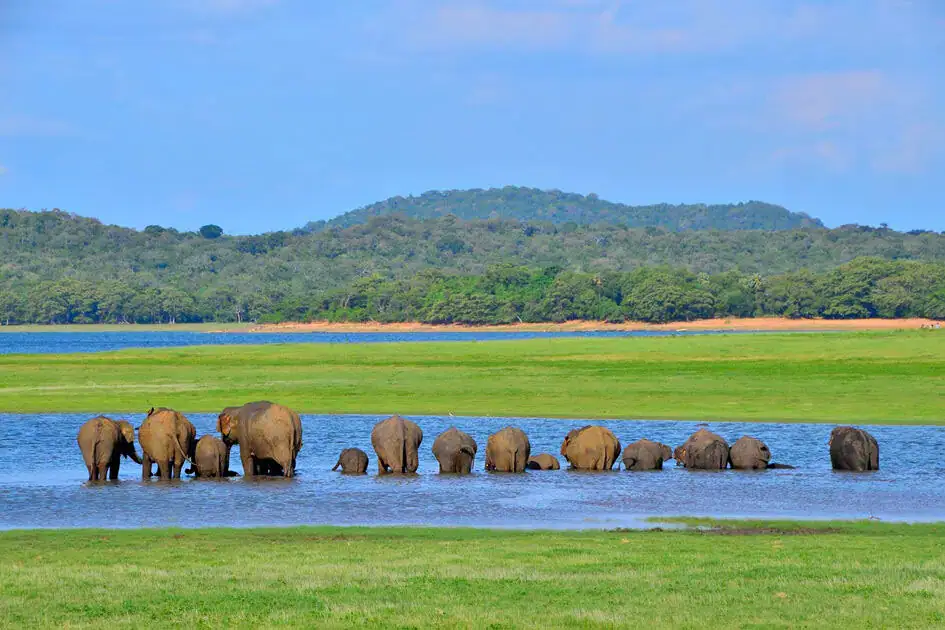
A Herd of Elephants – Minneriya Tank (Photo: Jason Jones, CC BY-NC-SA 2.0)
Minneriya Tank offers one of the greatest wildlife experiences in Asia. Built more than 1,700 years ago by King Mahasen, this ancient reservoir continues to support the surrounding ecosystem today.
The reservoir forms the heart of Minneriya National Park. During the dry season, grass grows around the receding shoreline, creating ideal feeding grounds for elephants. Hundreds of elephants gather here between July and October for “The Gathering.“
Wildlife experts consider The Gathering to be one of the largest seasonal concentrations of Asian elephants in the world. Visitors often watch family groups feeding, bathing, and socialising across the open grasslands.
The reservoir attracts much more than elephants. Water buffalo, spotted deer, crocodiles, monkeys, and many bird species also thrive in this rich habitat. Pelicans, painted storks, grey herons, and fish eagles regularly appear around the water.
Photography enthusiasts often describe Minneriya as one of the finest safari destinations in Sri Lanka. Early morning and late afternoon offer the best light and excellent wildlife viewing opportunities.
Sri Lanka Tourism promotes Minneriya National Park as one of the country’s leading wildlife attractions. The ancient reservoir remains central to this success because it supplies water year-round.
15. Kala Wewa
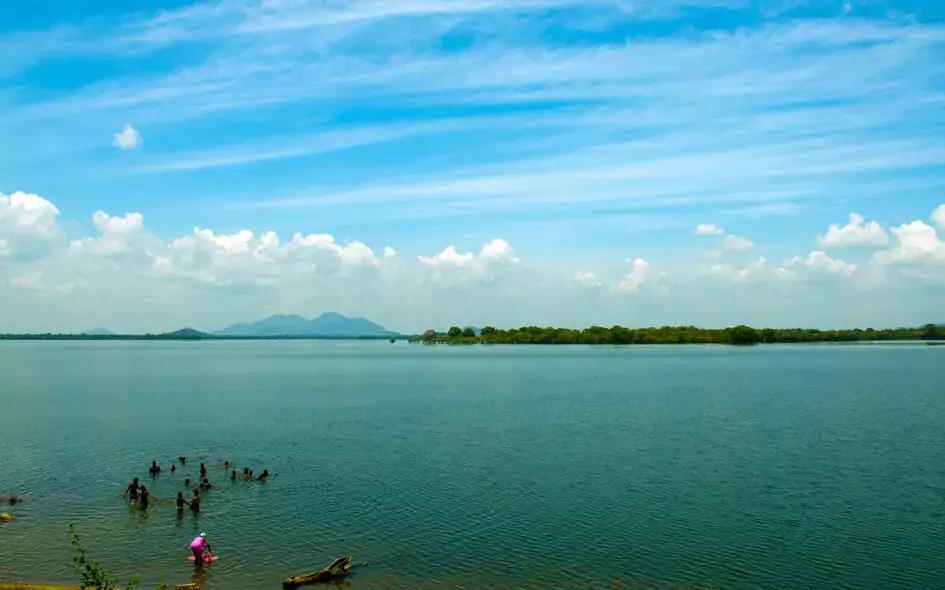
Kala Wewa (Photo: Kosala Bandara, CC BY 2.0)
Kala Wewa completes this list with a blend of history, nature, and peaceful rural scenery. King Dhatusena built this massive reservoir during the fifth century. Today, it continues to support farming across the region while attracting visitors interested in Sri Lanka’s ancient engineering achievements.
The reservoir lies Northwest of Dambulla and Anuradhapura. Its wide shoreline offers beautiful views, especially at sunrise and sunset, when the calm water reflects the changing sky.
Wildlife forms another highlight of Kala Wewa. The surrounding forests support elephants, monkeys, deer, and many bird species. The reservoir also forms part of an important elephant corridor connecting nearby protected areas.
Unlike some of Sri Lanka’s more famous attractions, Kala Wewa receives fewer visitors. This quieter atmosphere allows travellers to enjoy the landscape without crowds. The peaceful setting appeals to photographers and anyone interested in exploring beyond the usual tourist route.
Visiting Kala Wewa also provides insight into Sri Lanka’s long history of water management. The scale of the reservoir shows the skill of ancient engineers who created systems that continue serving local communities today.
Which lakes and rivers in Sri Lanka suit your travel style?
Every traveller looks for a different experience. The best news is that Sri Lanka offers plenty of variety.
Adventure lovers often choose the Kelani River for white-water rafting and the Bentota River for water sports. These destinations provide action while introducing visitors to beautiful natural scenery.
Wildlife enthusiasts should place Minneriya Tank, Walawe River, and Madu Ganga near the top of their itinerary. These locations offer opportunities to see elephants, crocodiles, water monitors, monkeys, and hundreds of bird species.
Travellers interested in history will enjoy Parakrama Samudra, Tissa Wewa, and Kala Wewa. These ancient reservoirs reveal how Sri Lanka developed one of the world’s oldest irrigation systems.
Couples and photographers often prefer Gregory Lake, Castlereagh Reservoir, Victoria Reservoir, and Kandalama Lake. Soft mountain light, calm water, and beautiful landscapes create perfect conditions for memorable photographs.
Nature lovers who enjoy quiet surroundings should consider the Gin River and Kalu Ganga. Both offer peaceful experiences away from the busiest tourist centres.

A Kayak, Bentota River (Photo: Hafiz Issadeen, CC BY 2.0)
Suggested itineraries
Even with only a few days, you still have plenty of opportunities to include these beautiful waterways in your journey.
A three-day hill country trip works well with Gregory Lake, Victoria Reservoir, and Castlereagh Reservoir. Add visits to tea estates, waterfalls, and Horton Plains National Park for a varied experience.
A five-day Cultural Triangle itinerary combines Parakrama Samudra, Kandalama Lake, Minneriya Tank, Kala Wewa, and Tissa Wewa. Along the way, you will visit Sigiriya, Dambulla, Polonnaruwa, and Anuradhapura.
If adventure interests you most, spend a week exploring the Kelani River, Bentota River, Madu Ganga, Gin River, Kalu Ganga, and Walawe River. This route combines rafting, boat safaris, wildlife, rainforests, beaches, and national parks into one memorable holiday.
Travel tips for visiting the lakes and rivers in Sri Lanka
Plan your route according to the weather. Sri Lanka experiences two monsoon seasons, so rainfall differs between regions throughout the year.
We recommend reading about the weather and the best time to visit Sri Lanka.
Wear light clothing, comfortable walking shoes, sunscreen, and insect repellent when spending time outdoors.
Book rafting, kayaking, and boat safaris through licensed operators who follow recognised safety standards.
Carry binoculars if you enjoy birdwatching. Many wetlands and reservoirs support rich birdlife year-round.
Visit wildlife areas early in the morning or late in the afternoon. Animals are often more active during these cooler hours.
Respect local communities and wildlife. Avoid feeding animals or leaving rubbish behind. Responsible tourism helps protect these beautiful places for future generations.
If you are new to Sri Lanka, we recommend reading our complete travel guide for first-time visitors.
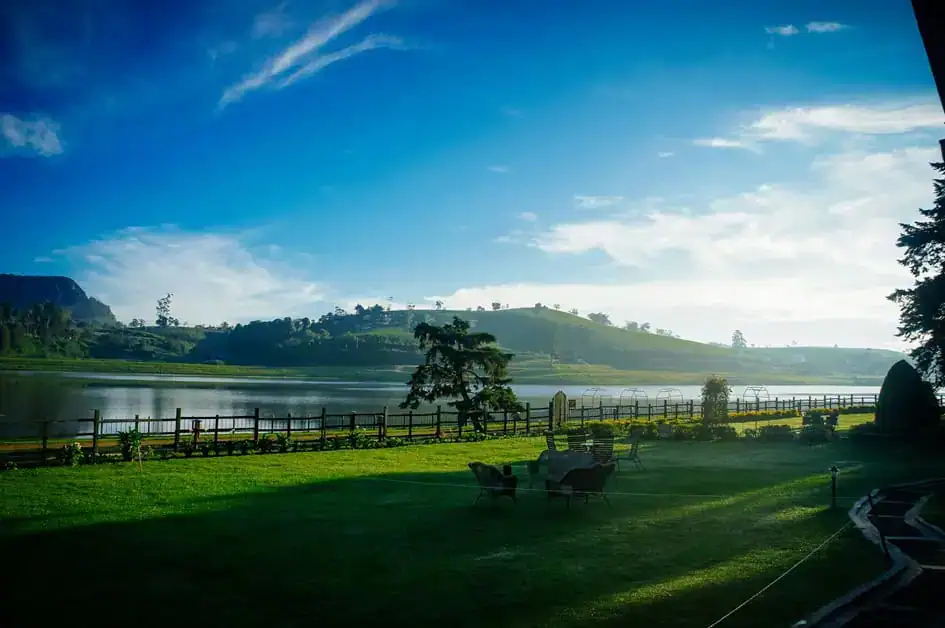
Gregory Lake Nuwara Eliya (Photo: Subodha Karunarathne, via Unsplash)
Final Thoughts
The rivers and lakes in Sri Lanka offer far more than beautiful scenery. They connect mountains to coastlines, forests to villages, and ancient history to modern travel. Each destination tells a different story.
The Kelani River fills your day with adventure. Bentota River and Madu Ganga invite you to slow down among mangrove forests rich with wildlife. The Mahaweli River shows the scale and beauty of Sri Lanka’s longest waterway. Gregory Lake brings fresh mountain air and peaceful walks through Nuwara Eliya. Parakrama Samudra, Tissa Wewa, and Kala Wewa reveal the brilliance of ancient hydraulic engineering. Kandalama Lake, Victoria Reservoir, and Castlereagh Reservoir surround you with quiet landscapes that reward every photographer. Minneriya Tank reminds visitors why Sri Lanka ranks among Asia’s finest wildlife destinations.
Many travellers arrive in Sri Lanka expecting beaches, temples, and safaris. Those experiences deserve their reputation. Yet the island’s inland waterways often leave equally lasting memories. A morning spent rafting through rainforest rapids, an evening beside an ancient reservoir, or a quiet boat ride through mangrove forests offers a deeper understanding of the country’s natural beauty and cultural heritage.
When planning your next holiday, leave space in your itinerary for these rivers and lakes in Sri Lanka. They add variety to every journey and reveal places that many visitors overlook. You will return home with a richer view of the island and experiences that stay with you long after your trip ends.
Map – Lakes and Rivers in Sri Lanka
Sources and References:
- Sri Lanka Tourism. Official Travel Guide to Sri Lanka.
- Sri Lanka Tourism Development Authority (SLTDA). Official Tourism Information and Attractions.
- Department of Wildlife Conservation, Sri Lanka. Official Website.
- Department of Irrigation, Sri Lanka. Official Website.
- Mahaweli Authority of Sri Lanka. Official Website.
- Forest Department of Sri Lanka. Official Website.
- UNESCO World Heritage Centre. Ancient City of Polonnaruwa.
- UNESCO World Heritage Centre. Sacred City of Anuradhapura.
- UNESCO World Heritage Centre. Sinharaja Forest Reserve.
- Ramsar Sites Information Service. Maduganga Wetland.
- Lonely Planet. Sri Lanka Travel Guide.
- Bradt Travel Guides. Sri Lanka.
- Rough Guides. The Rough Guide to Sri Lanka.
- Tripadvisor. Sri Lanka Attractions and Traveller Reviews.
Featured image: Through the mangroves – Madu Ganga River Safari (Photo: Rod Waddington, CC BY-SA 2.0)

I am a Sri Lankan medical doctor who spends my free time travelling, exploring new destinations, and documenting the beauty of the island I call home. I have journeyed across almost every corner of Sri Lanka with my wife and daughter — from wildlife parks and misty mountains to ancient cities, deep forests, rugged landscapes, and quiet beaches.
Travel is not just a hobby for me — it’s a way of life. I love nature, enjoy road trips, and find joy in wildlife photography. I also read widely about tourism, travel trends, and destination culture. Through my writing, I aim to help travellers experience Sri Lanka through real stories, meaningful insights, and honest recommendations — the same way I explore it with my own family.