
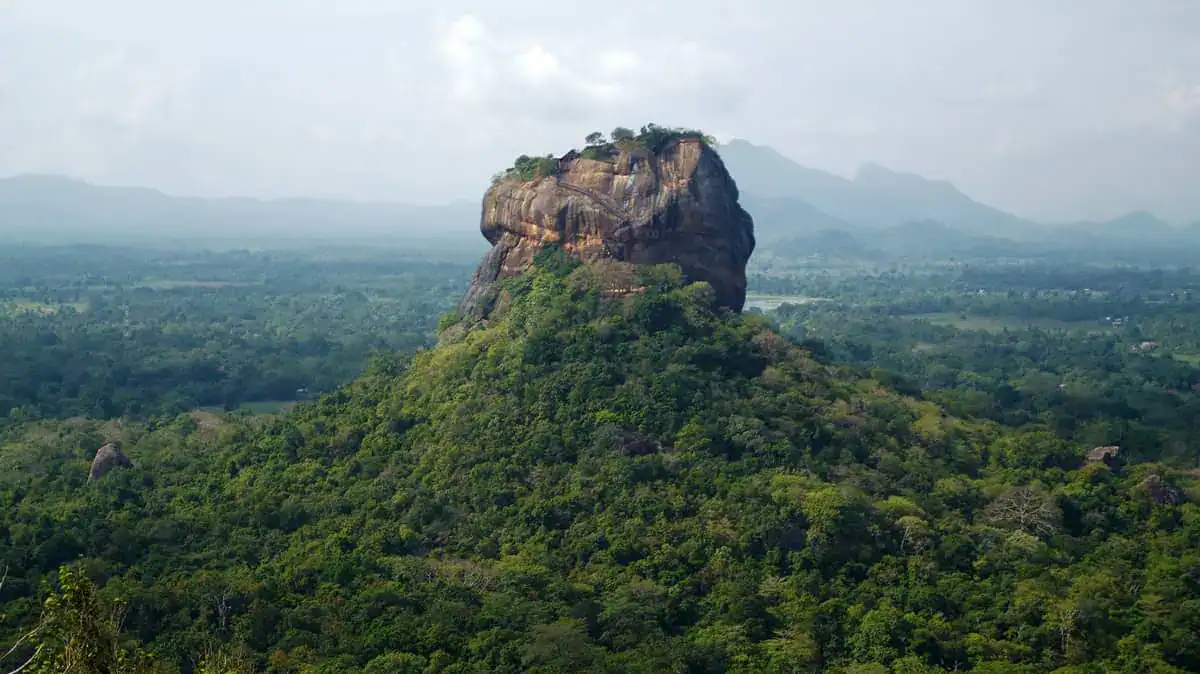

Introduction: Why This 2 Weeks in Sri Lanka Itinerary Works So Well
Planning a journey across Sri Lanka often raises one key question. How do you see the island’s main highlights without rushing from place to place? Many travellers face this challenge during the East Coast travel season from May to September. Weather patterns shift across the island, which means some regions shine while others receive rain.
This 2 weeks in Sri Lanka itinerary solves that challenge through a classic loop that follows the island’s best conditions for the season. The route combines ancient cities, cool hill country landscapes, wildlife safaris, and the calm beaches of the East Coast. It follows a natural flow through Sri Lanka’s geography. Travel days remain manageable, and the experiences feel balanced.
During two weeks, you explore the Cultural Triangle, ride one of the world’s most scenic train journeys, walk through tea country, watch elephants in the wild, and relax beside the ocean in places such as Trincomalee, Uppuveli, or Nilaveli.
This guide explains the entire route step by step. You will see where to go each day, what to do in the morning and afternoon, where to eat local food, and how to move across the island without stress.
If you’d like to know about other travel options in Sri Lanka, it is recommended to read the best Sri Lanka itineraries. If you are new to Sri Lanka, we recommend reading the Complete Sri Lanka Travel Guide for first-time visitors before finalising the route.
Clear Overview of the Classic 2 Weeks in Sri Lanka Itinerary
Title: 2 Weeks in Sri Lanka Itinerary: Classic Loop Highlights for the May to September Season
Destination: Sri Lanka, starting from Negombo (alternative: Colombo), the Cultural Triangle, Sigiriya Rock Fortress, Dambulla Cave Temple, Polonnaruwa, village experience, Kandy, the Kandy to Ella scenic train, Ella, Udawalawe or Yala National Park, the East Coast, Trincomalee or Nilaveli, and finishing at Bandaranaike International Airport.
Total Duration: 14 days and 13 nights
Theme: Classic culture & heritage highlights, scenic train travel, Hill Country scenery, nature & wildlife, and East Coast beaches
Pace: Moderate. Balanced sightseeing with rest days near the coast
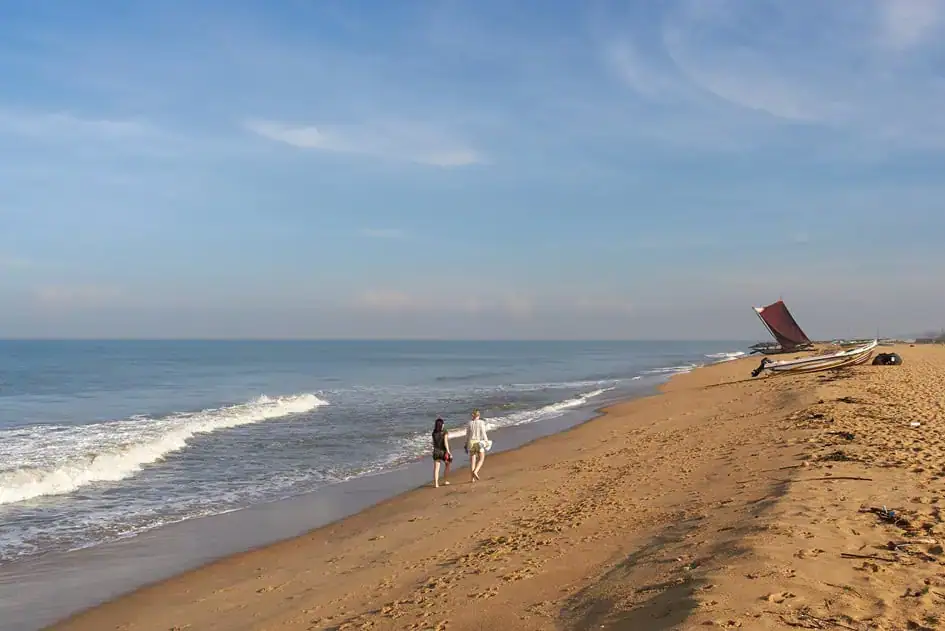
The First Day – Negombo (Photo: llee_wu, CC BY-ND 2.0)
What This Itinerary Covers
This classic loop introduces the main regions travellers hope to see during a first visit.
The route includes,
- Colombo or Negombo arrival
- The Cultural Triangle and ancient cities
- Sigiriya Rock Fortress and Dambulla Cave Temple
- Kandy and the Temple of the Tooth
- The Kandy to Hill Country train ride
- Hill Country, waterfalls, and tea plantations
- Ella and mountain viewpoints
- Wildlife safaris in Yala or Udawalawe
- East Coast beaches such as Trincomalee, Uppuveli, or Nilaveli
The route works well during the May to September travel window because the East Coast enjoys sunny weather during this period.
Best for Whom
This 2 weeks in Sri Lanka itinerary suits travellers who want a balanced introduction to the island.
- First-time visitors
- Couples and solo travellers
- Adventure travellers who enjoy nature and wildlife
- Cultural travellers interested in ancient cities
- Beach lovers who want a calm coastal time after inland travel
The itinerary avoids rushing. Travel days remain manageable, and rest days appear at the right points.
Transport and Route Logic
This itinerary follows a natural circular route, designed for the May to September season, ending along the East Coast, where the weather is at its best. The journey begins near the airport, so you can recover from the flight before moving inland. From there, the route heads towards the Cultural Triangle, where ancient cities, reservoirs, and historic temples reveal the island’s early civilisation. The journey then continues south to Kandy before rising into the Hill Country, where cooler air, tea plantations, and mountain scenery create a clear contrast with the dry plains.
From the highlands, the route gradually descends towards the wildlife regions of the Southeast. Safari experiences occur before the final coastal stage of the journey, helping maintain a balanced pace between activity and rest. The last days unfold along the East Coast around Trincomalee, Uppuveli, or Nilaveli, where May to September brings sunshine, calm seas, and excellent beach conditions.
Most travellers find private car travel with a driver the easiest option for this route. It allows flexible timing, early departures for popular sites, and comfortable travel between inland regions. Short tuk-tuk rides work well within towns. The scenic train journey through the Hill Country replaces a long road transfer and offers one of the most memorable travel experiences.
We recommend reading our “Transport in Sri Lanka: The Best Guide“.
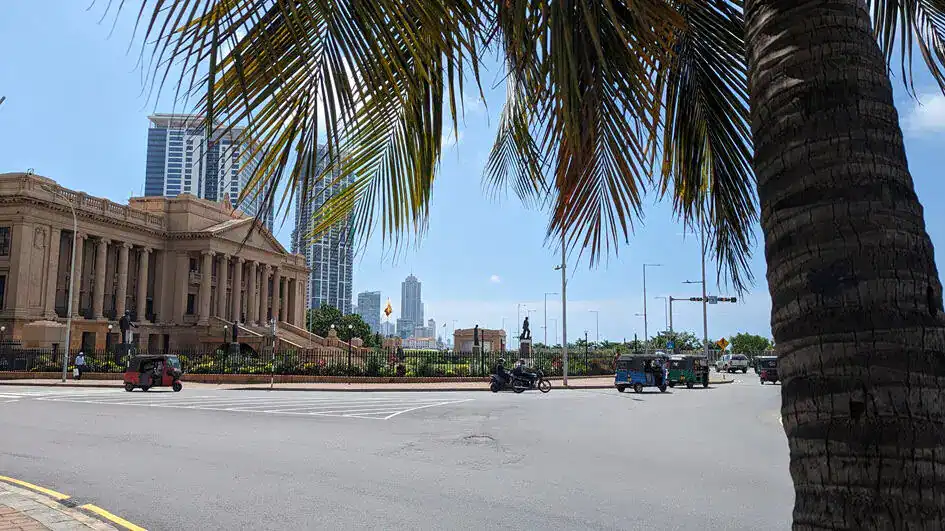
The Old Parliament Building, Colombo (Photo: Dennis Sylvester Hurd, CC0 1.0)
Route Snapshot by Day
- Day 1: Arrival in Colombo or Negombo
- Day 2: Travel to Sigiriya
- Day 3: Explore Sigiriya and Dambulla
- Day 4: Visit Polonnaruwa and village experiences
- Day 5: Travel to Kandy
- Day 6: Explore Kandy and the Temple of the Tooth
- Day 7: Scenic train to the Hill Country
- Day 8: Explore Ella and the surrounding viewpoints
- Day 9: Travel to Yala or Udawalawe for a safari
- Day 10: Wildlife safari and travel to the East Coast
- Day 11: Relax on the beaches of Trincomalee, Uppuveli, or Nilaveli
- Day 12: Snorkelling or coastal exploration
- Day 13: Free beach day and cultural visits nearby
- Day 14: Return travel towards Colombo
Approximate Road and Rail Times
Sri Lanka travel often takes longer than the distances suggest. Roads wind through hills and towns.
Typical travel times
- Negombo/Colombo to Sigiriya area: Around 4-5 hours
- Sigiriya area to Dambulla: Around 30-45 minutes
- Sigiriya area to Polonnaruwa: Around 1.5-2 hours
- Sigiriya area to Kandy: Around 2.5-3 hours
- Kandy to Nanu Oya (Nuwara Eliya) by train: Around 4-6 hours
- Kandy to Ella by train: Around 6-7 hours
- Nanu Oya to Ella by train: Around 3 hours
- Ella to Yala or Udawalawe: Around 3-4 hours
- Yala or Udawalawe to Trincomalee area: Around 7-8 hours
- Trincomalee area to the airport/Negombo: Around 6 hours
These times help travellers plan realistic daily schedules.
Day by Day Sri Lanka Itinerary
Day 1: Arrival in Colombo or Negombo
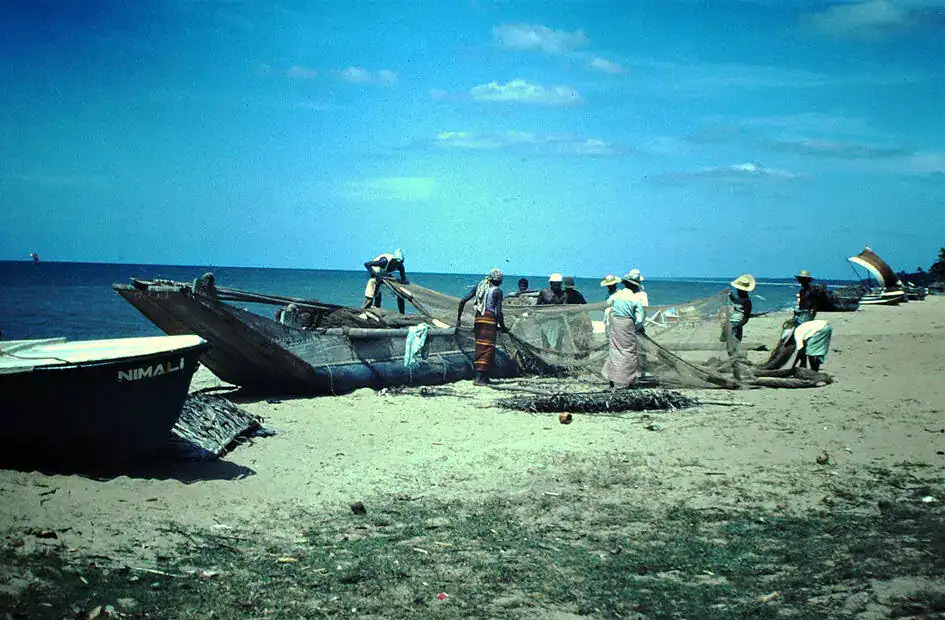
Fishermen with Traditional Boats – Negombo (Photo: Hugh Llewelyn, CC BY-SA 2.0)
Morning
Arrive at Bandaranaike International Airport near Colombo. After immigration and baggage collection, meet your driver or arrange transport to Negombo.
Afternoon
Rest after the flight. Negombo offers an easy introduction to Sri Lanka. Walk along the beach and observe fishing boats returning to shore.
Evening
Enjoy your first Sri Lankan meal beside the ocean.
Where to Stay
Negombo beachfront guesthouse or boutique hotel
Find where to stay in Negombo.
Accommodation Guidance
Choose accommodation near the beach for easy access to restaurants and transport.
Food Stop
Try a rice-and-curry meal with fresh seafood at a local restaurant.
Practical Notes
Jet lag often affects travellers. Keep the first day relaxed.
Day 2: Travel to the Sigiriya Area in the Cultural Triangle
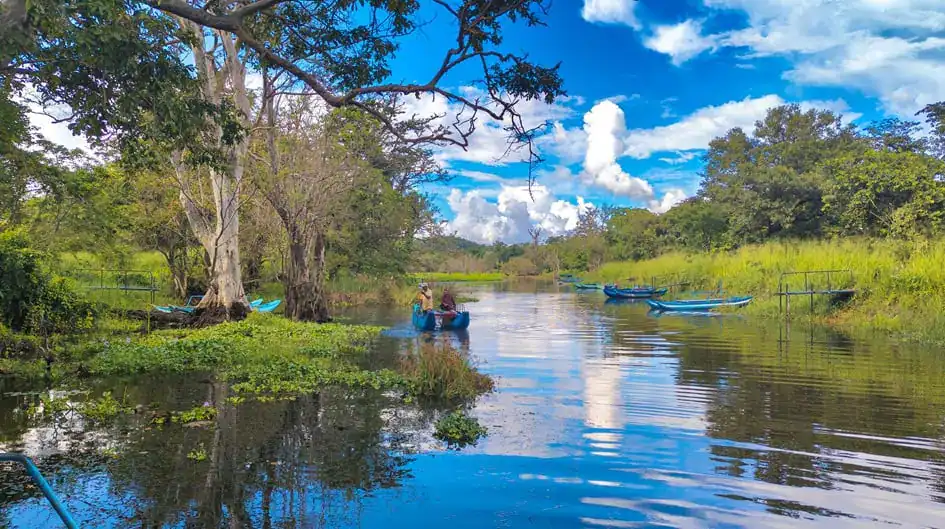
Village Life in Sigiriya (Photo: Ishan Kahapola Arachchi, via Unsplash)
Morning
After breakfast, begin the journey towards the Cultural Triangle. The drive passes coconut plantations and rural towns.
Afternoon
Arrive in the Sigiriya area or nearby Habarana. Check into your accommodation and rest.
Evening
Visit the local village area or enjoy a sunset view across the plains.
Where to Stay
Sigiriya or Habarana eco lodge or guesthouse
Find where to stay in Sigiriya.
Accommodation Guidance
Choose a nature lodge set in the forest. Many hotels offer views of Sigiriya Rock.
Food Stop
Enjoy a traditional Sri Lankan buffet featuring vegetable curries, dhal, and coconut sambol.
Practical Notes
Hydrate well. The climate in the Cultural Triangle feels warmer than the hill country.
Day 3: Sigiriya Rock Fortress and Dambulla Cave Temple
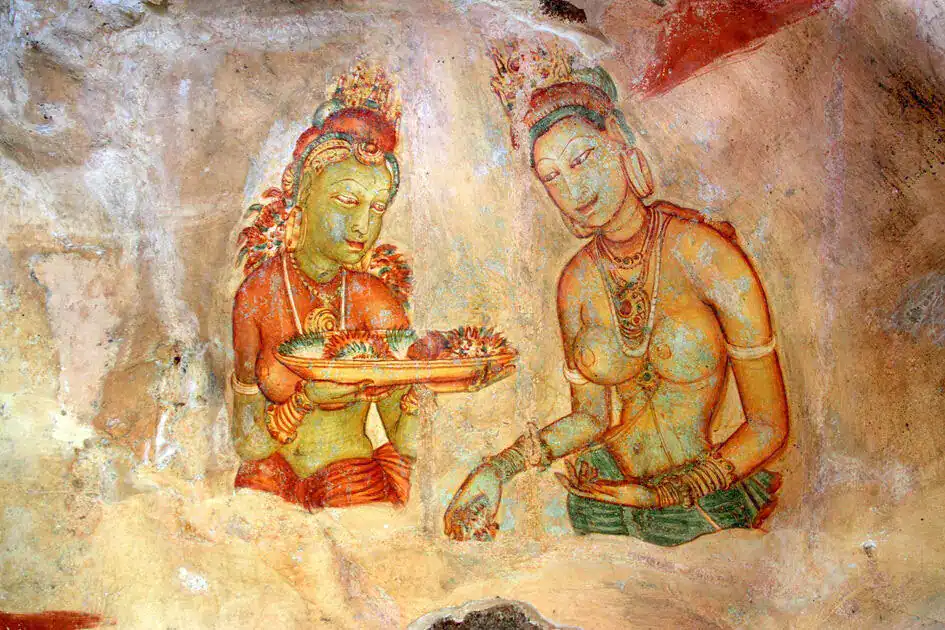
Frescoes in Sigiriya Rock Fortress (Photo: Yves Picq, CC BY-SA 4.0)
Morning
Begin early and climb Sigiriya Rock Fortress before the heat increases. The climb passes ancient gardens, the famous Lion Gate, frescoes, and the mirror wall.
At the summit, you see wide views across the surrounding plains.
Sigiriya, an ancient royal city and a UNESCO World Heritage Site, ranks among the most visited landmarks in Sri Lanka.
Allow about three hours to explore the entire site, including the water gardens, museum, and the climb to the summit.
Sigiriya Rock Fortress opening hours: 5.00 am to 6.30 pm each day. The Frescoes section closes earlier at 5.45 pm.
- AllTrails Map – Sigiriya Rock Trail (2.4 km)
Afternoon
Travel to the nearby Dambulla Cave Temple. Five cave shrines contain hundreds of Buddha statues and painted ceilings.
The Rangiri Dambulla Cave Temple complex holds UNESCO World Heritage status. It ranks among the largest and best-preserved cave temple sites in Asia.
Opening hours of Rangiri Dambulla Cave Temple: 7.00 am to 7.00 pm daily.
Evening
Return to your lodge. Many travellers enjoy a quiet evening beside the pool or garden.
Where to Stay
The same accommodation.
Food Stop
Try kottu roti or vegetable curry at a local restaurant in Sigiriya village.
Practical Notes
Wear modest clothing for temple visits. Cover shoulders and knees.
Day 4: Polonnaruwa Ancient City and Village Life
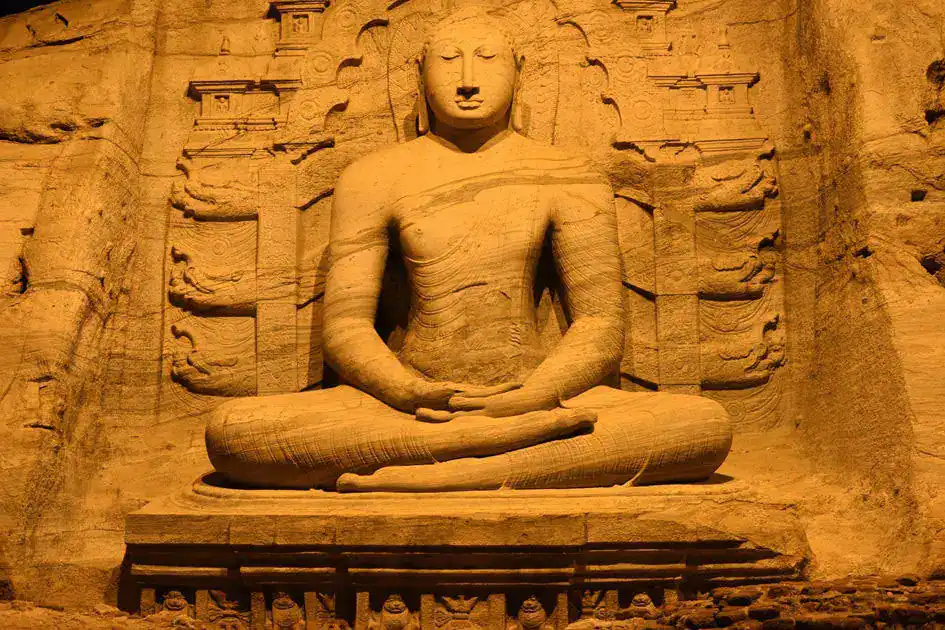
Gal Viharaya – Polonnaruwa (Photo: Nalaka Priyantha)
Morning
Travel to Polonnaruwa, the medieval capital of Sri Lanka. Rent bicycles or take a guided tour through the ancient city.
Highlights include,
- Royal Palace ruins
- Gal Vihara Buddha statues
- Parakrama Samudra reservoir
The ancient city of Polonnaruwa is also a UNESCO World Heritage Site.
Afternoon
Return to the Sigiriya area/Habarana. Join a village experience near Habarana. A short bullock cart ride or canoe trip across a lake introduces rural life.
Evening
Return to your hotel and relax.
Where to Stay
The same accommodation.
Food Stop
Taste authentic village rice and curry served on banana leaves.
Practical Notes
Carry sun protection during the Polonnaruwa visit.
Day 5: Travel to Kandy
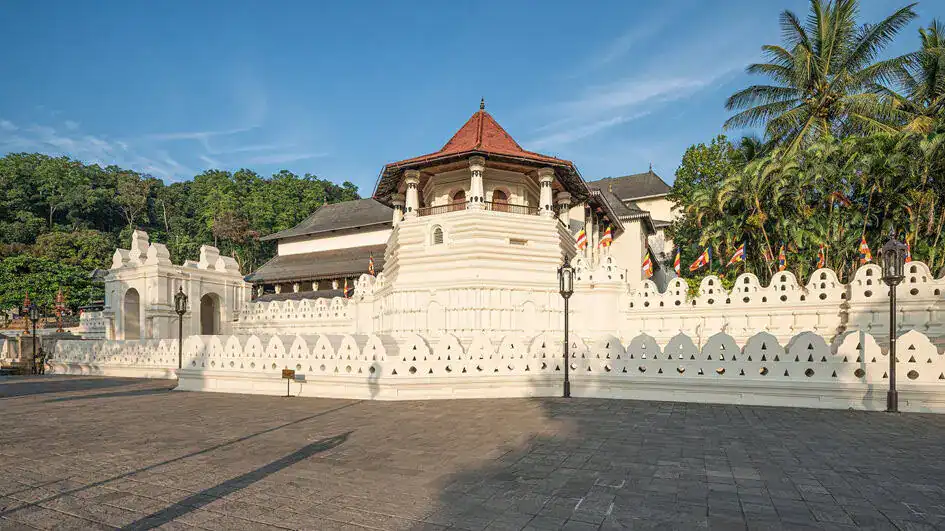
Temple of the Tooth in the Ancient City of Kandy (Photo: A.Savin)
Morning
Leave the Cultural Triangle and travel towards Kandy. The journey climbs gradually into greener hills.
The ancient city of Kandy is also a UNESCO World Heritage Site.
Afternoon
Check into your hotel and explore Kandy Lake.
Visit the Temple of the Sacred Tooth Relic, one of Sri Lanka’s most important Buddhist sites.
Opening hours of the Temple of the Tooth: From 5.30 am to 8.00 pm daily.
Evening
Watch a traditional Kandyan dance performance.
Where to Stay
Hotel near Kandy Lake
Accommodation Guidance
Choose accommodation close to the lake for easy access to the temple and restaurants.
Food Stop
Try Sri Lankan hoppers with spicy sambol.
Practical Notes
Temple visits require modest dress.
Day 6: Exploring Kandy
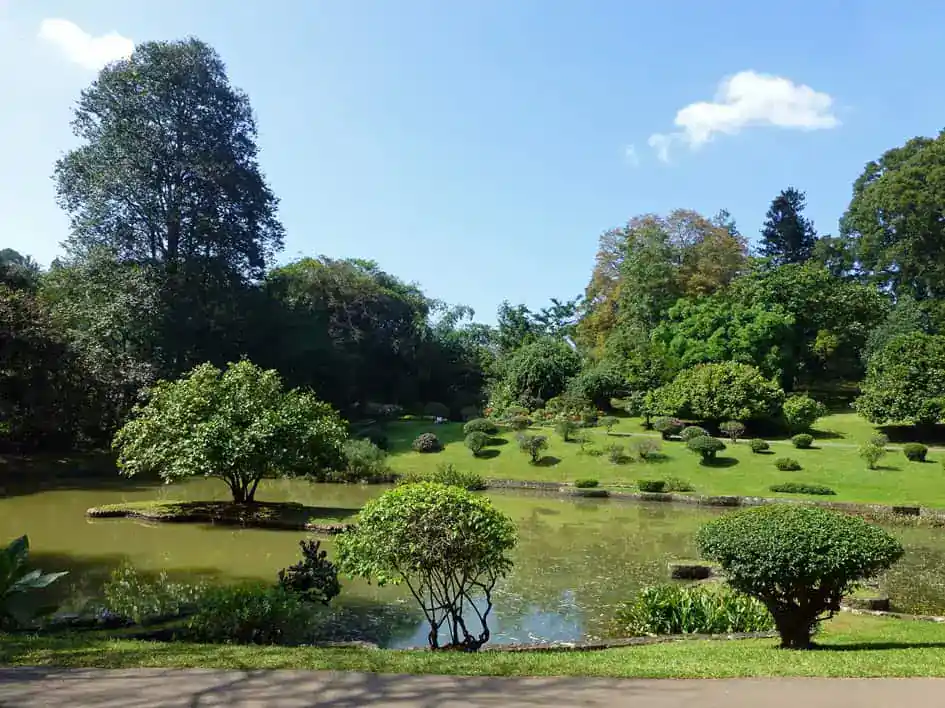
Royal Botanic Gardens – Peradeniya (Photo: Ji-Elle, CC BY-SA 3.0)
Morning
Visit the Royal Botanical Gardens in Peradeniya. The gardens contain orchids, palm avenues, and giant bamboo.
Opening hours of Royal Botanic Gardens, Peradeniya: From 7.30 am to 6.00 pm daily.
Afternoon
Explore Kandy town. Visit local markets and small shops selling Ceylon Tea and spices.
Evening
Enjoy dinner overlooking the lake.
Where to Stay
The same accommodation.
Food Stop
Taste lamprais or rice and curry at a traditional restaurant.
Practical Notes
Traffic in Kandy becomes busy in the late afternoon.
Day 7: Scenic Train Journey to the Hill Country
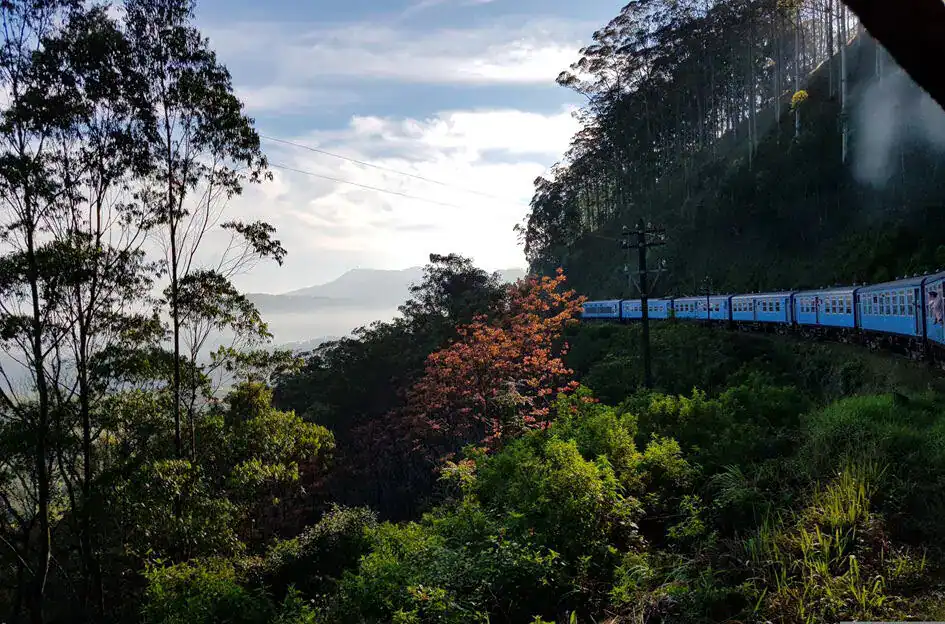
The Scenic Kandy to Ella Train Ride through the Hill Country (Photo: annesebban, via Pixabay)
Morning
Board the famous train from Kandy or Nanu Oya towards Ella. The train travels through tea plantations, tunnels, bridges, and mountain valleys.
- Check the train schedule.
- Online Ticket Booking: Online Advance Train Seats Reservation from the Sri Lanka Railways Official Page.
Afternoon
Arrive in Ella City and check into your guesthouse.
Evening
Walk to the Ella Gap viewpoint for sunset.
Where to Stay
Guesthouse in Ella
Accommodation Guidance
Choose accommodation within walking distance of the main street.
Food Stop
Try string hoppers with curry for dinner.
Practical Notes
Train tickets sell out during peak travel months. Reserve early.
Day 8: Exploring Ella
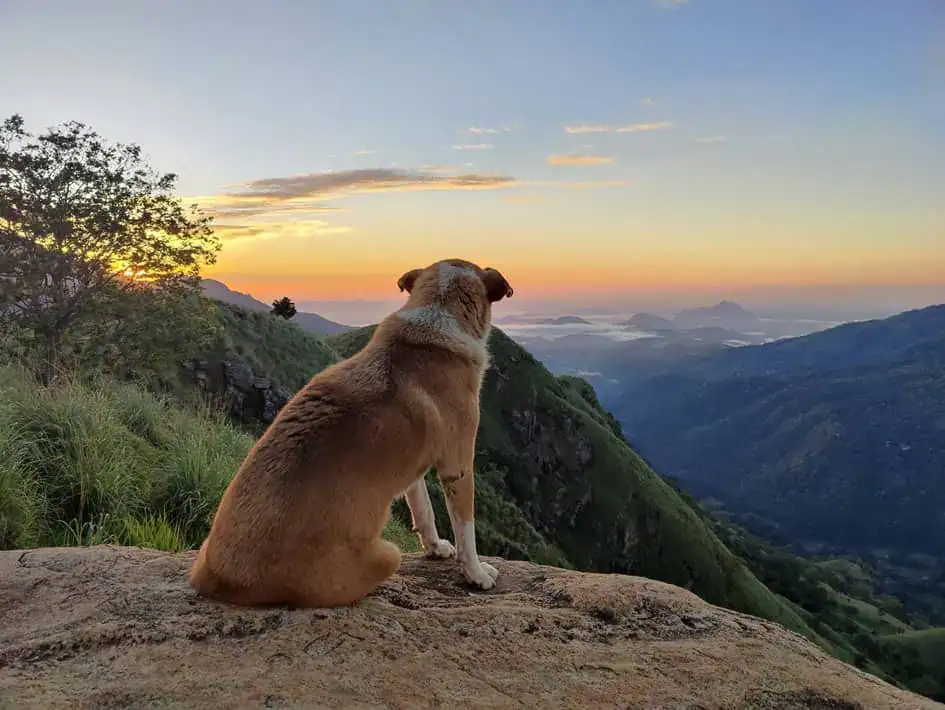
The View from the Little Adam’s Peak in Ella (Photo: Neer Varshney, via Unsplash)
Morning
Hike to Little Adam’s Peak. The trail passes tea fields and offers wide views across the hills.
Afternoon
Visit the famous Nine Arches Bridge.
Evening
Enjoy a relaxed evening in Ella’s cafés.
Where to Stay
The same accommodation.
Food Stop
Try fresh pol roti or rice and curry at a café in Ella.
Practical Notes
Morning hikes avoid midday heat.
If you are interested in hiking, you can also try other hikes in Ella, such as Ella Rock and Ravana Cave.
- AllTrails Map – Ella – Ella Rock (9.5 km)
- AllTrails Map – Ella Rock Trail (5.6 km)
- AllTrails Map – Amba to Ella via Ella Rock (9.3 km)
- AllTrails Map – Rawana Ella Temple and Rawana Ella Cave (2.3 km)
In the same way, if you are interested in waterfalls, you can visit Ravana Ella Falls (around 6 km from Ella).
Day 9: Travel to a Wildlife Safari Region
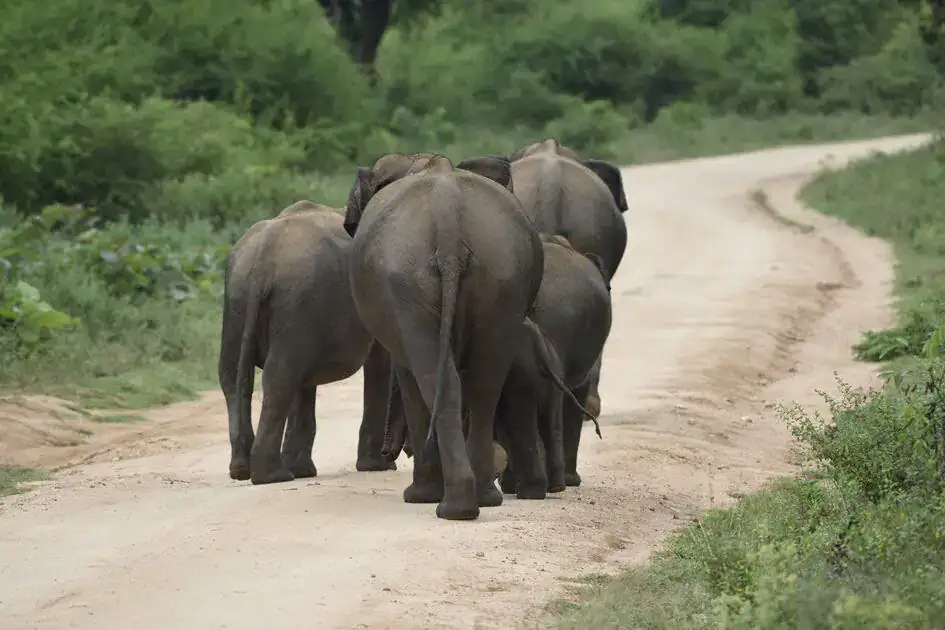
A Morning Walk – Elephants in Udawalawe National Park (Photo: Nalaka Priyantha)
Morning
Leave Ella after breakfast and begin the drive towards the safari region. Many travellers choose to visit Udawalawe National Park on this route. The drive passes tea country, small villages, and open farmland.
Afternoon
Arrive near Udawalawe or Yala National Park and check into your lodge. Rest during the warm hours of the day. You can begin an afternoon wildlife safari.
Common sightings include,
- Asian elephants
- Water buffalo
- Crocodiles
- Peacocks
- Various bird species
- Leopards in Yala
If you are interested in seeing leopards, it is recommended to read about the best national parks in Sri Lanka to spot them.
Opening hours of Yala and Udawalawe National Parks: From 6:00 am to 6:00 pm every day.
Evening
Return to your hotel.
Where to Stay
Safari lodge near Udawalawe National Park or Yala National Park
Accommodation Guidance
Choose accommodation with easy access to park entrances. Many safari lodges arrange early morning jeep tours.
Food Stop
Enjoy a rice-and-curry dinner with local vegetables and fresh coconut sambol.
Practical Notes
Confirm safari booking with your lodge in advance. Early morning safaris provide the best wildlife sightings.
Day 10: Safari Experience and Travel to the East Coast

Playing Leopards – Yala National Park (Photo: Nalaka Priyantha)
Morning
Begin a wildlife safari before sunrise. Jeep guides enter the park early to increase the chance of spotting animals.
Afternoon
After the safari, begin the drive towards the East Coast. The route moves across dry landscapes and rural villages before reaching the ocean.
Evening
Arrive in Trincomalee, Uppuveli, or Nilaveli and settle into your beach hotel.
Where to Stay
Beachfront hotel in Trincomalee, Uppuveli, or Nilaveli
Accommodation Guidance
Choose accommodation near the beach with easy access to restaurants.
Food Stop
Try grilled seafood with rice and curry at a beachside restaurant.
Practical Notes
The East Coast enjoys strong sunshine during the May to September season.
Day 11: Relax on the East Coast Beaches
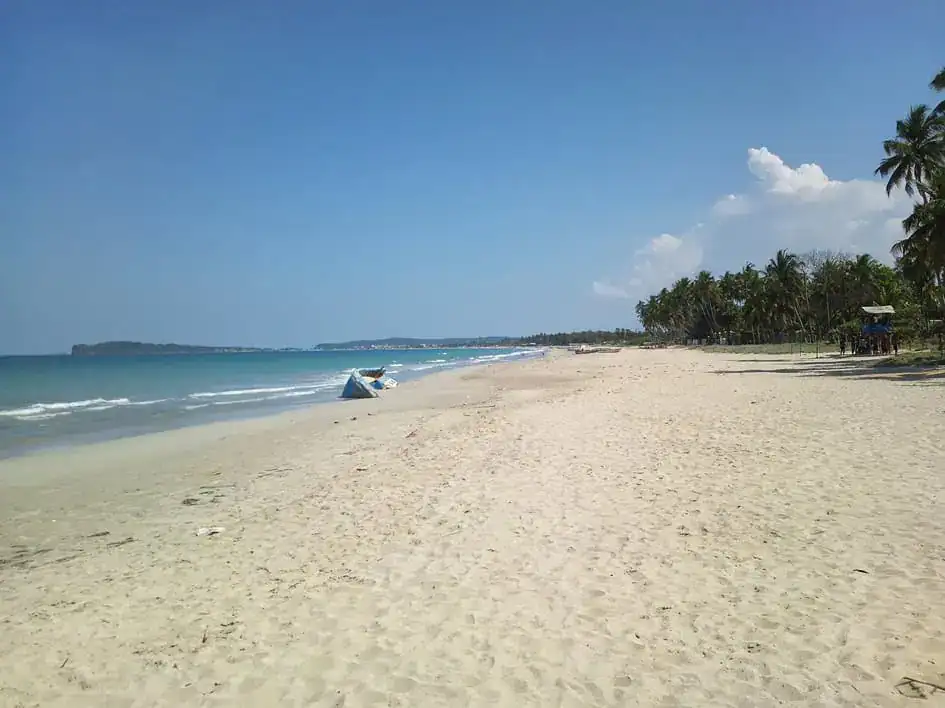
Uppuveli Beach in Trincomalee (Photo: Honeplus, CC BY-SA 3.0)
Morning
Spend the morning at Nilaveli Beach or Uppuveli Beach near Trincomalee. These beaches are known for calm waters and soft sand.
Afternoon
Take a boat trip to Pigeon Island National Park. Snorkelling here reveals coral reefs and colourful fish.
Evening
Walk along the beach at sunset.
Where to Stay
The same accommodation.
Food Stop
Enjoy Sri Lankan seafood curry or grilled prawns at a coastal restaurant.
Practical Notes
Snorkelling equipment is available near the beach.
Day 12: Culture and Coastal Exploration
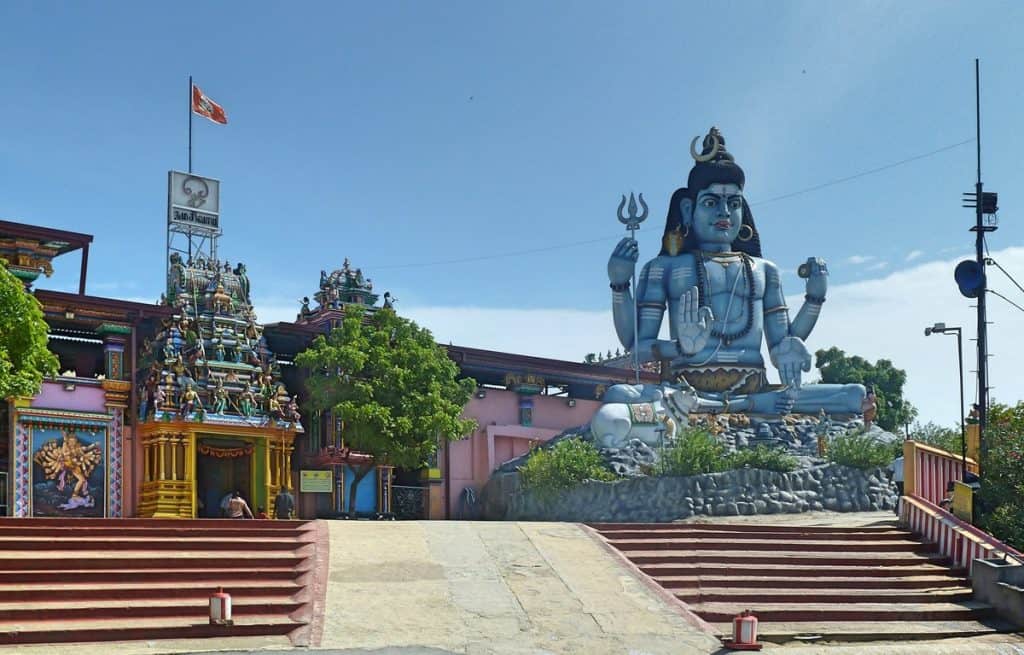
Koneswaram Kovil – Trincomalee (Photo: Pierre André Leclercq, CC BY-SA 4.0)
Morning
Visit Koneswaram Temple in Trincomalee. The temple stands on a cliff overlooking the ocean.
Afternoon
Explore the historic Fort Frederick area and observe spotted deer moving through the grounds.
Evening
Relax by the beach or enjoy a boat ride along the coast.
Where to Stay
The same accommodation.
Food Stop
Try Sri Lankan crab curry or fish curry with rice.
Practical Notes
Dress modestly when visiting temples.
Day 13: Leisure Day on the East Coast
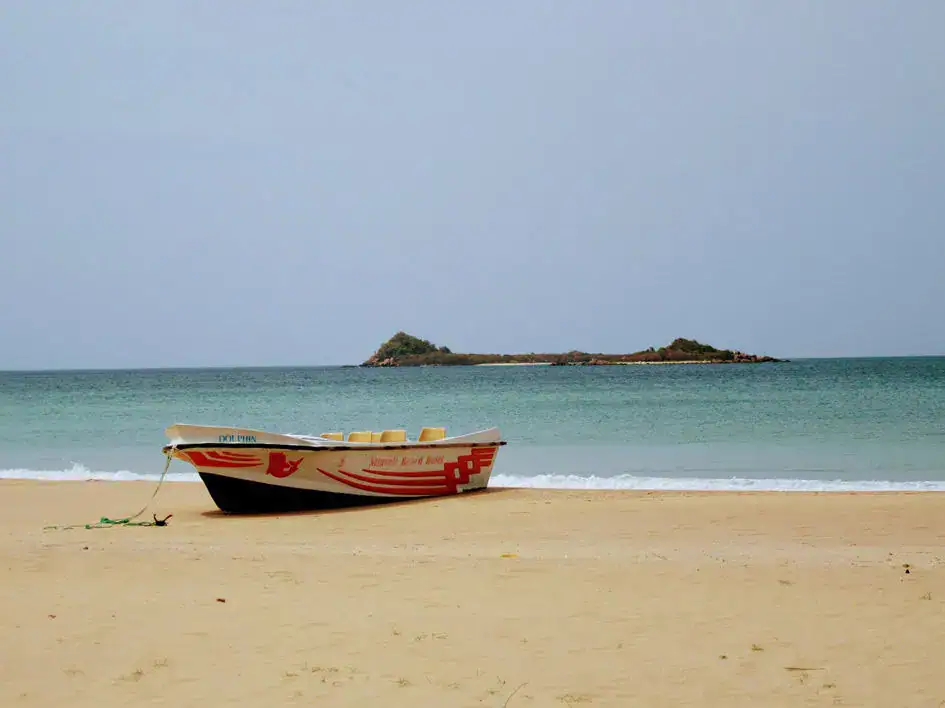
Nilaveli Beach and Pigeon Island (Photo: Amanda, CC BY 2.0)
Morning
Spend the morning swimming or relaxing on the beach.
Afternoon
Take a bicycle ride through coastal villages or enjoy a short boat trip through nearby lagoons.
Evening
Enjoy a farewell dinner beside the ocean.
Where to Stay
The same accommodation.
Food Stop
Try traditional Sri Lankan hoppers served with spicy sambol.
Practical Notes
Sun protection is important during beach days.
Day 14: Return Travel Towards Colombo
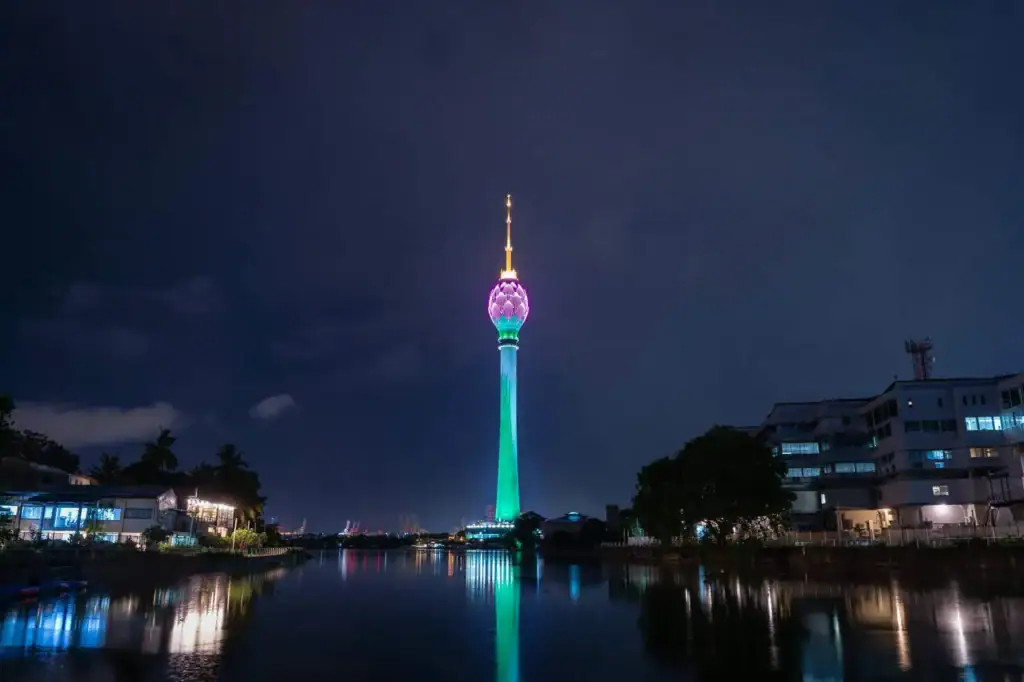
The Lotus Tower in Colombo (Photo: Thilina Alagiyawanna)
Morning
Begin the journey back towards Colombo. Some travellers choose a scenic inland route through the cultural region.
Afternoon
Arrive in Colombo and briefly explore the city.
Evening
Transfer to the airport for departure or spend the night in Colombo.
Where to Stay
Hotel in Colombo or Negombo if departing the following day.
If you stay in Colombo, find the best places to stay.
Accommodation Guidance
Airport hotels offer easy access for early flights.
Food Stop
Enjoy a farewell Sri Lankan meal such as rice and curry or kottu roti.
Practical Notes
Allow extra time for airport transfers.
Accommodation Guidance Throughout This 2 Weeks in Sri Lanka Itinerary
Accommodation across this 2 weeks in Sri Lanka itinerary supports different travel styles while keeping daily movement practical and comfortable.
Budget travellers find good value in small guesthouses throughout the Cultural Triangle, Kandy, and Ella. Many of these family-run properties provide clean rooms, home-cooked breakfasts, and helpful local advice about nearby attractions. Their locations often sit close to key sites, which reduces daily travel time.
Mid-range travellers often prefer boutique hotels or well-managed small resorts. In places such as Sigiriya, Kandy, and Ella, these hotels offer spacious rooms, gardens, and swimming pools after long days of sightseeing. On the East Coast, beach hotels in Trincomalee or Nilaveli place you directly beside the sea during the May to September season, where calm water and sunny weather allow relaxed beach time without additional transport.
Travellers who prefer quieter surroundings often choose eco lodges near forests, tea estate bungalows in the Hill Country, or safari lodges close to national parks. Staying near Udawalawe or Yala helps reduce early morning travel before wildlife drives.
During the East Coast travel season, demand increases in beach areas and the Hill Country, so reserving accommodation several weeks in advance helps secure well-located properties along the route.
To get a better idea of accommodation, we recommend reading “How to Choose Where to Stay in Sri Lanka.”
Dining and Food Experiences Across the Trip

Sri Lankan Hoppers (Photo: Kavinda F, via Pixabay)
Food is an important part of this 2 weeks in Sri Lanka itinerary, and the journey naturally introduces different regional flavours as the route moves across the island. From the dry plains of the Cultural Triangle to the cool tea country and finally to the sunny East Coast, meals reflect local ingredients, climate, and daily life. Each region adds a new layer to the experience, allowing travellers to understand Sri Lanka through its kitchens and markets as much as through its landscapes.
In the Cultural Triangle, meals centre on rice and curry served with lentils, coconut sambol, vegetable curries, and freshwater fish from nearby reservoirs. Many guesthouses prepare traditional home-style meals using produce grown in surrounding villages.
In Kandy, food reflects the traditions of the central highlands. Dishes often include jackfruit curries, leafy greens, and gently spiced vegetable preparations. Markets and small cafés also offer street foods such as hoppers, string hoppers, and savoury snacks filled with vegetables or fish. As the journey climbs into the Hill Country, meals feel comforting and warm. Soups, breads, and vegetable dishes suit the cooler climate, and fresh Ceylon tea appears throughout the day.
On the East Coast, the cuisine shifts again towards the ocean. Grilled fish, prawn curry, crab dishes, and coconut-based seafood meals appear frequently, especially in Trincomalee, Uppuveli, and Nilaveli, where fishermen bring fresh catches to shore each morning. These coastal flavours shape the final days of the journey and provide a memorable end to the trip.
To get an unforgettable experience in Sri Lanka, you should also explore authentic Sri Lankan cuisine.
Cultural and Local Experiences
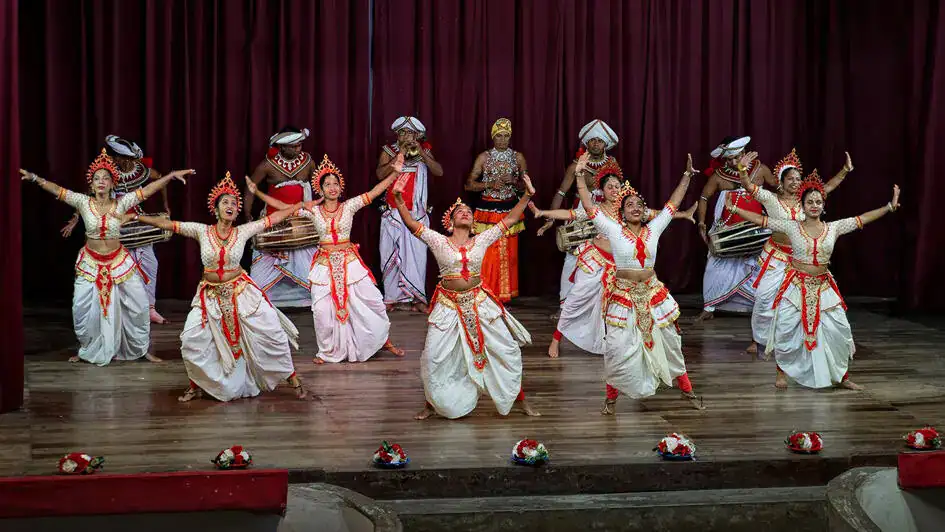
Traditional Dancing Performances in Kandy (Photo: Jakub Hałun, CC BY 4.0)
This 2 weeks in Sri Lanka itinerary weaves cultural encounters naturally into the journey while respecting local customs and everyday life. Experiences focus on places where traditions remain active rather than staged demonstrations. As you travel across the island, you observe daily routines, working landscapes, and religious practices that continue as part of community life.
In the Cultural Triangle, village visits near Sigiriya reveal farming patterns shaped by the dry-zone climate. Reservoirs, rice fields, and small home gardens show how traditional irrigation supports agriculture across the plains. Temple visits in Dambulla and Kandy introduce Buddhist worship through quiet observation of offerings, chanting, and daily prayer. Cultural dance performances in Kandy provide a glimpse into Kandyan drumming and movement traditions that have continued for generations.
In the Hill Country, tea estate visits explain how tea cultivation influences both the landscape and local livelihoods. Walking through plantations and small factories helps travellers understand the process from leaf to cup. Conversations with guides and workers often provide context about life in the tea-growing regions.
Along the East Coast, daily routines in fishing communities reveal another layer of Sri Lankan life. Boats leave the shore before sunrise, and coastal markets later fill with fresh catches. These encounters help visitors connect with the rhythm of local communities as they move through the island.
Flexibility and Alternatives
Travellers may adjust this itinerary based on personal interests.
Alternative options include,
- Adding Anuradhapura in the Cultural Triangle.
- Replacing Udawalawe with Yala National Park.
- Visiting Arugam Bay instead of Trincomalee for surfing in Sri Lanka.
- Spending additional nights in Ella or the Hill Country.
- Adding a whale watching trip in Trincomalee.
Flexibility helps adapt the journey to weather conditions or travel preferences.
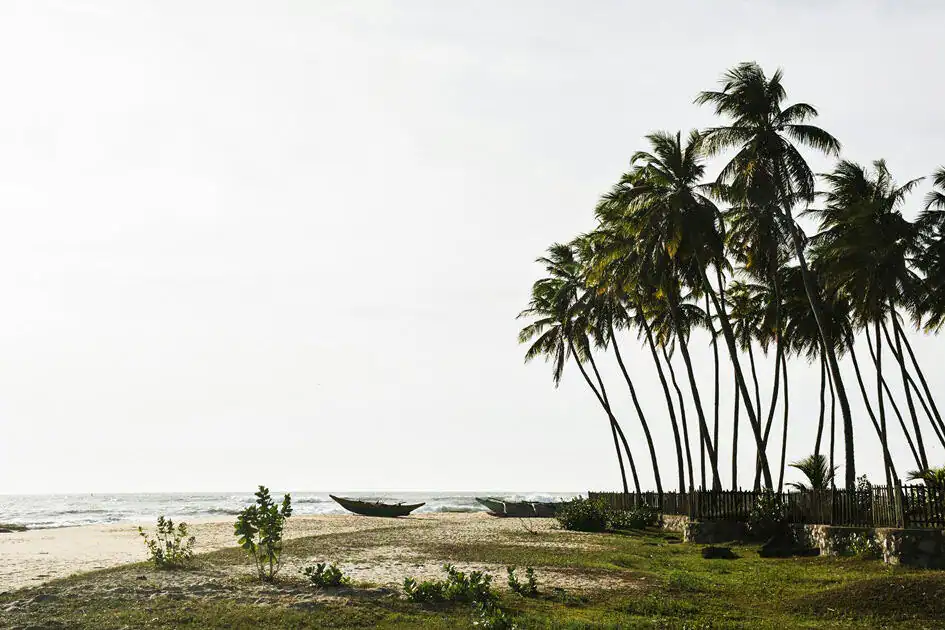
Arugam Bay (Photo: Emily Goodhart, via Unsplash)
Weather and Packing Notes for May to September
Weather conditions from May to September vary across this Sri Lanka itinerary, which is why the route moves through different regions at the right time of year. During these months, the Cultural Triangle and much of the island’s interior remain warm and suitable for sightseeing, although short afternoon showers sometimes appear. Daytime temperatures across the dry-zone plains often range between 28 and 33 degrees Celsius. Early mornings are the most comfortable time to explore temples, climb rock fortresses, and visit archaeological sites.
Kandy and the Hill Country offer cooler air because of their higher elevation. Mornings often begin with light mist across the tea plantations, while evenings feel noticeably cooler than the lowlands. Temperatures in places such as Ella or Nuwara Eliya often drop at night, especially after rainfall.
As the journey moves towards the East Coast, weather conditions become sunnier and drier. From May to September, the seas near Trincomalee and Nilaveli remain calmer than those on the South Coast. Clear skies and steady sunshine support swimming, snorkelling, and beach time during the final stage of the trip.
Packing Essentials
- Lightweight breathable clothing suited to warm inland temperatures.
- Comfortable walking shoes with a good grip for archaeological sites and uneven paths.
- Modest clothing for temple visits, including a scarf or shawl for the shoulders.
- Light jacket or sweater for cooler mornings and evenings in the Hill Country.
- Swimwear for beaches.
- Hat and sunglasses.
- High protection sunscreen.
- Insect repellent for wildlife areas and rural landscapes.
- Reusable water bottle.
- A camera or phone with sufficient storage.
To decide which Sri Lanka itinerary best matches your travel period, it is important to read about Sri Lanka’s weather and the best time to visit guides.
Practical Details, Hours, Fees, Bookings, and Dress Codes
Entry Fees
Several locations along this 2 weeks in Sri Lanka itinerary require entrance tickets or permits.
Major heritage sites such as Sigiriya Rock Fortress, Dambulla Cave Temple, Polonnaruwa, and the Temple of the Sacred Tooth Relic charge admission fees at official counters near the entrances.
Wildlife areas such as Udawalawe and Yala National Parks require park tickets along with a registered safari jeep and guide. Tickets for national parks are available at park gates, and advance booking is also available through the official Wildlife Park Permits Reservation eService. Pigeon Island National Park offers snorkelling and diving for a fee, with additional mandatory entry tickets.
Carry both cash and a payment card. Some smaller ticket counters accept cash only.
See ticket prices for Sigiriya, Dambulla Cave Temple, Anuradhapura, and Polonnaruwa.
Ticket fees for the Temple of the Tooth: FAQ – Sri Dalada Maligawa – Temple of the Sacred Tooth Relic
Opening Hours
Most cultural sites and temples open during the morning and remain accessible until late afternoon or early evening. Archaeological parks operate during daylight hours to allow safe exploration. Wildlife parks follow fixed entry periods for safari vehicles. Morning drives usually begin shortly after sunrise, while afternoon drives begin later in the day when temperatures drop, and animal movement increases.
Dress Code
Respectful clothing remains important when visiting temples and religious landmarks. Cover shoulders and knees when entering sacred spaces. Remove shoes, hats, and sunglasses before stepping onto temple grounds. Light clothing with a scarf or shawl is suitable for travellers who visit several temples during their trip.
Transport Tips
Begin longer travel days early in the morning to avoid heat and traffic. Carry drinking water and light snacks during inland drives between destinations. Local drivers often provide helpful guidance about travel timing and road conditions. Private car travel offers flexibility for stops along the route. When using trains in the Hill Country, reserve seats in advance through the Sri Lanka Railways reservation system to secure comfortable travel.
We recommend reading our guide “Travel Tips for Sri Lanka: A Complete Guide for Smart and Mindful Travellers“.
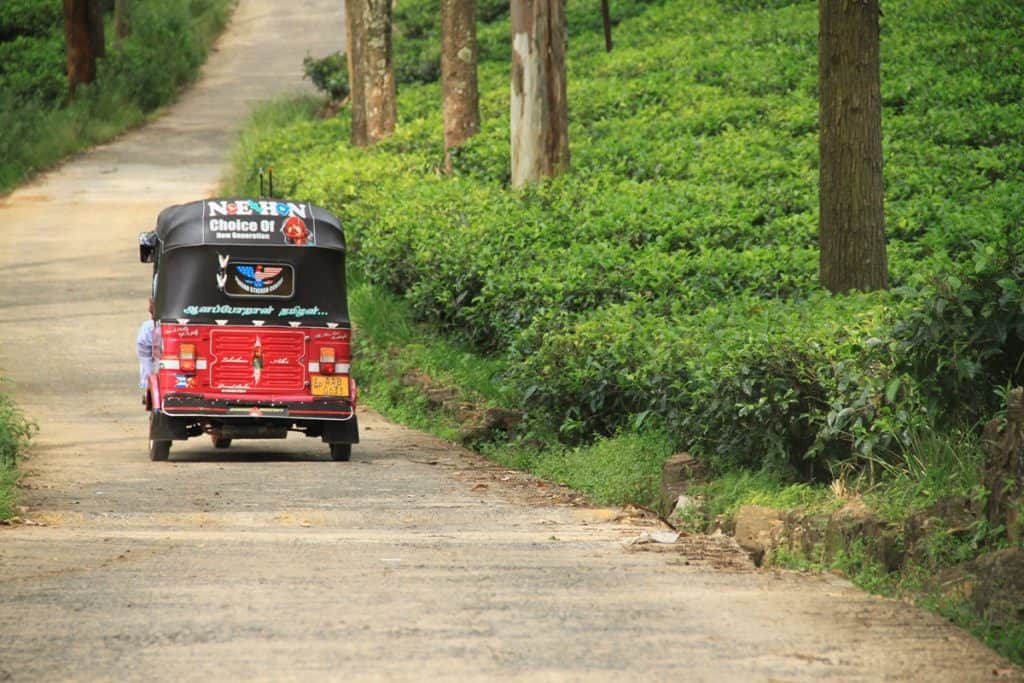
A tuk-tuk, one of the famous modes of transport in Sri Lanka (Photo: MadebyNastia, via Pixabay)
Safety, Health, and Comfort Notes
Travel Insurance
Travel insurance with full medical coverage remains important for this 2 weeks in Sri Lanka itinerary. Choose a policy that includes transport disruptions, outdoor activities, and wildlife excursions. Safaris, long road journeys, and train travel all form part of this route. Keep a digital copy of your insurance documents on your phone and store a printed copy in your travel bag for easy access during the trip.
Local Safety
Sri Lanka remains welcoming and comfortable for travellers during the May to September travel period, including the East Coast region. Follow all instructions from wildlife guides during national park visits and remain inside safari vehicles at all times. Avoid approaching or feeding wild animals, and do not leave designated paths in protected areas. Use mosquito repellent in the evenings, especially near wetlands, forests, and rural areas. Apply sunscreen regularly during outdoor activities and on the East Coast during beach time. Drink bottled or filtered water throughout the journey.
Hospitals and Medical Access
Large hospitals with modern facilities operate in cities such as Colombo, Polonnaruwa, Kandy, and Trincomalee. Regional hospitals also operate in towns including Dambulla, Ella, and Wellawaya. Smaller clinics and pharmacies appear in most tourist areas along the route. The national police emergency number is 119. Medical emergency services operate through the number 1990. Carry personal medication, prescriptions, and a small first aid kit, especially when travelling between remote regions or wildlife areas.
Estimated Costs for 2 Weeks in Sri Lanka
Costs during this 2 weeks in Sri Lanka itinerary depend on the level of comfort and travel choices. Yet, overall spending remains manageable across a 14-day trip. Budget guesthouses often charge between 25 and 40 USD per night. Mid-range boutique hotels usually fall between 60 and 120 USD. Luxury resorts and heritage properties often start at 150 USD or more. Meals remain affordable across the island. Simple local cafés serve rice-and-curry meals for about 3 USD. In comparison, restaurant dining or hotel meals often reach about 20 USD, depending on the location.
Private car travel with a driver usually costs between 45 and 60 USD per day, depending on distance and vehicle type. Train tickets vary according to route and seating class, with reserved seats on the Hill Country line priced higher due to demand. Entry fees for major cultural landmarks generally range from 10 to 65 USD. Safari drives add extra costs based on the national park and jeep hire.
Because this itinerary follows a structured inland route before ending along the East Coast, travel distances remain efficient. Spending two nights or more in key areas such as the Cultural Triangle, the Hill Country, and the East Coast beaches helps control overall costs by reducing the need for frequent long transfers during the journey.
Responsible Travel Notes
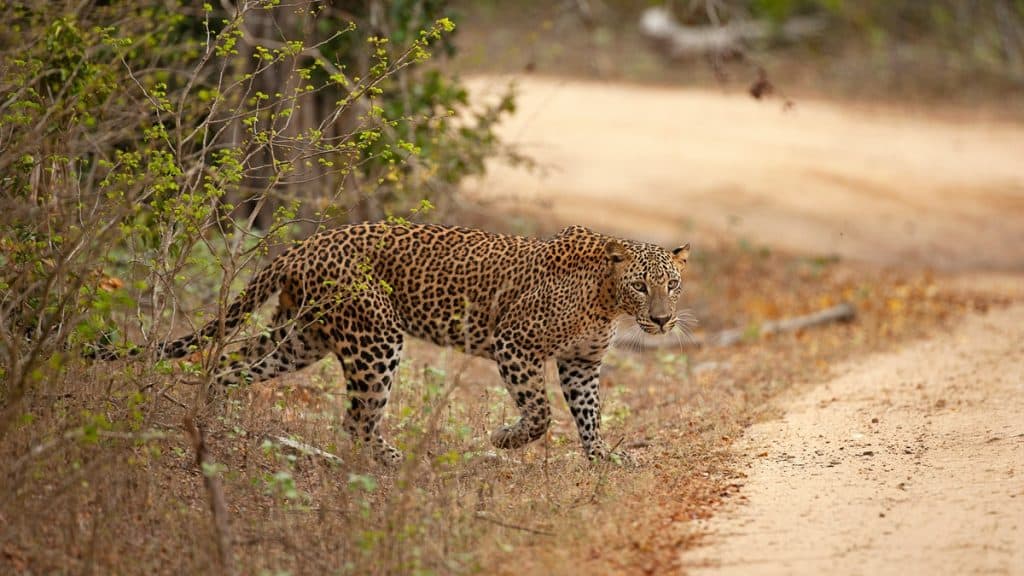
A Leopard in Yala National Park (Photo: Rohit Varma, via Unsplash)
Choose locally owned guesthouses, small hotels, guides, markets, and restaurants throughout this 2 weeks in Sri Lanka itinerary. Local businesses across the Cultural Triangle, the Hill Country, and the East Coast rely on tourism income. Supporting them helps strengthen regional economies and encourages sustainable tourism practices.
Reduce plastic use by carrying a reusable water bottle and managing waste carefully, especially in rural areas and coastal zones where waste collection remains limited.
Respect local customs when visiting temples, villages, and community spaces. Follow dress guidelines at religious sites and behave quietly in places of worship.
During wildlife safaris, follow park rules and maintain distance from animals at all times. Never attempt to feed or approach wildlife. Select safari drivers, guides, and tour operators who follow ethical wildlife viewing practices and environmental guidelines.
Learning a few greetings in Sinhala or Tamil shows respect towards local communities. Always request permission before photographing people.
Thoughtful travel habits help preserve cultural traditions, protect natural landscapes, and support the communities that welcome visitors across Sri Lanka.
Highlights Summary
This 2 weeks in Sri Lanka itinerary includes several memorable experiences.
- Climbing Sigiriya Rock Fortress
- Exploring the ancient city of Polonnaruwa
- Visiting the Temple of the Sacred Tooth Relic
- Riding the scenic train through tea country
- Hiking viewpoints in Ella
- Watching elephants on safari
- Relaxing on East Coast beaches
These highlights create a balanced introduction to Sri Lanka.
Final Thoughts
This classic 2 weeks in Sri Lanka itinerary offers one of the most balanced ways to explore the island during the May to September season. The route combines history, nature, wildlife, and coastal relaxation in a logical travel loop.
Travellers begin in the cultural heart of the island, continue through the green mountains of the Hill Country, experience wildlife safaris, and finish beside the calm waters of the East Coast.
With thoughtful pacing and varied experiences, this itinerary allows you to see the best of Sri Lanka without rushing. The journey introduces the island’s culture, landscapes, and hospitality in a way that feels natural and rewarding.
For many travellers, following this 2 weeks in Sri Lanka itinerary is the perfect introduction to one of the most diverse destinations in Asia.
It is recommended to read about “How to Plan a Sri Lanka Trip Step by Step“.
Map – 2 Week-Sri Lanka Classic Loop Itinerary – May to September
Featured image: Sigiriya Rock Fortress (Photo: VacacionesPagodasBlog, via Pixabay)

I am a Sri Lankan medical doctor who spends my free time travelling, exploring new destinations, and documenting the beauty of the island I call home. I have journeyed across almost every corner of Sri Lanka with my wife and daughter — from wildlife parks and misty mountains to ancient cities, deep forests, rugged landscapes, and quiet beaches.
Travel is not just a hobby for me — it’s a way of life. I love nature, enjoy road trips, and find joy in wildlife photography. I also read widely about tourism, travel trends, and destination culture. Through my writing, I aim to help travellers experience Sri Lanka through real stories, meaningful insights, and honest recommendations — the same way I explore it with my own family.