
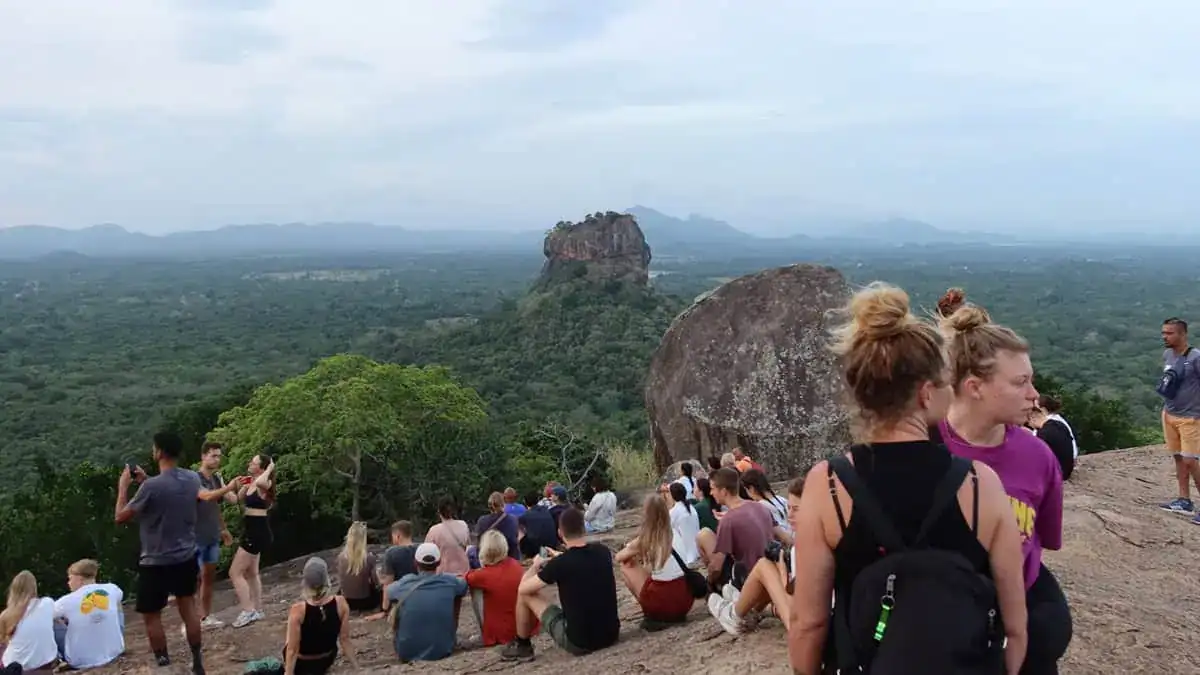

Sri Lanka attracts visitors with golden beaches, wildlife parks, mountain scenery, and ancient monuments. Yet many travellers leave the island without fully understanding the stories behind the places they visit. Ancient kingdoms, Buddhist traditions, colonial influences, maritime trade, tea plantations, gemstone mining, and railway engineering all shaped the country over thousands of years. The best way to understand these stories is through the museums in Sri Lanka.
Museums add depth to any journey. They help visitors connect famous landmarks with the people, ideas, and events that shaped them. A climb to Sigiriya feels more meaningful after learning about the royal city beneath the rock. A train ride through the hill country becomes more interesting when you understand the engineering achievements behind Sri Lanka’s railway network. Even a gemstone purchase in Ratnapura carries greater significance once you learn about the island’s long history of gem mining.
According to tourism and museum studies, cultural tourism continues to grow worldwide as travellers seek authentic experiences and a deeper connection with destinations. Sri Lanka possesses a rich collection of museums that cover archaeology, natural history, colonial heritage, maritime trade, traditional crafts, and regional culture. While many tourists focus on the country’s famous attractions, museums often provide the context that transforms a good trip into a memorable one.
This guide explores the best museums in Sri Lanka, from nationally important institutions to lesser-known collections that deserve greater attention. Whether you are interested in the history of Sri Lanka, ancient technology, maritime archaeology, nature & wildlife, or cultural traditions, these museums offer valuable insights into one of Asia’s most fascinating destinations.
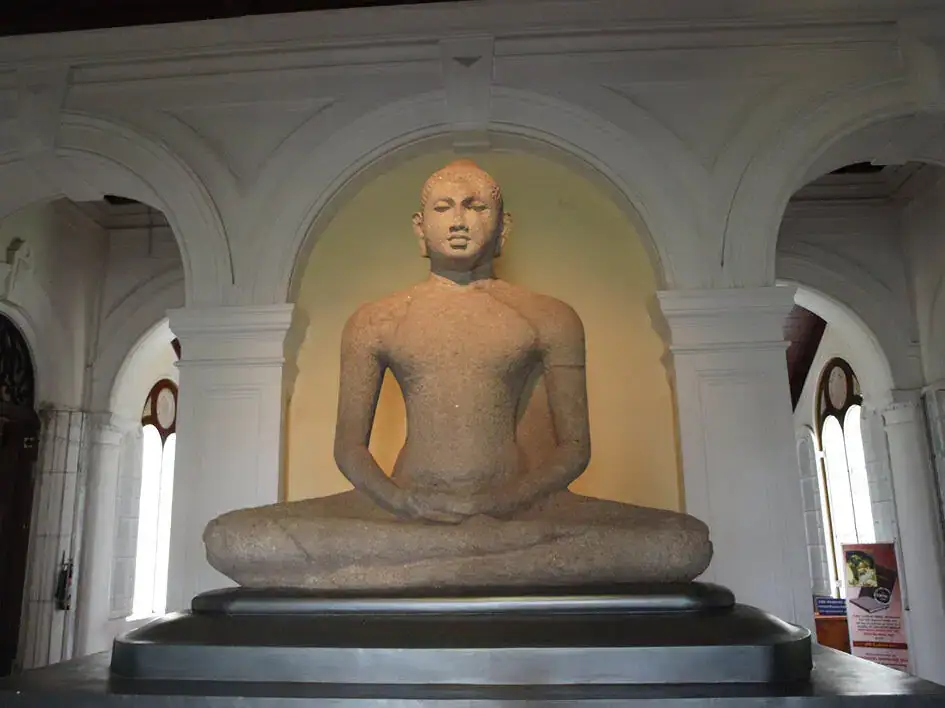
Toluvila Buddha Statue (4th-5th Century – Anuradhapura Kingdom) – Colombo National Museum (Photo: Nigel Swales, CC BY-SA 2.0)
Why Visit Museums in Sri Lanka?
Understanding the History of Sri Lanka Beyond the Guidebooks
Most guidebooks provide summaries of major attractions. Museums provide the details. They explain how ancient kingdoms rose and fell, how Buddhism shaped society, how colonial powers influenced architecture and trade, and how local communities preserved traditions through centuries of change.
The history of Sri Lanka stretches back more than two thousand years. Ancient capitals such as Anuradhapura and Polonnaruwa showcase advanced urban planning and irrigation systems. Sigiriya demonstrates royal ambition and engineering skill. Kandy preserves the legacy of the last independent kingdom. Galle reflects centuries of maritime trade and colonial influence. Museums bring these stories together in a way that monuments alone cannot.
The Role of Museums in Cultural Tourism
Cultural tourism forms an important part of modern travel. Visitors increasingly seek experiences that help them understand local culture, heritage, and identity. Museums serve this role by preserving artefacts, documents, historical objects, and artworks that tell the story of a destination.
Research on museum tourism in Sri Lanka suggests that museums remain underused as a tourism resource despite their cultural significance. It offers travellers who wish to go beyond standard sightseeing the opportunity to gain a richer understanding of the country.
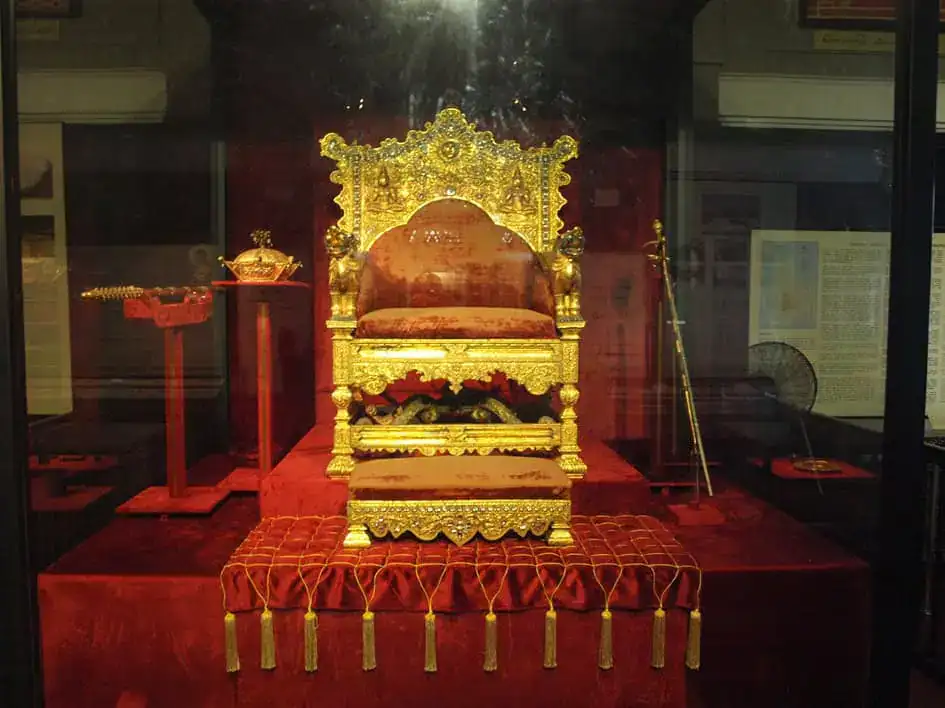
The Throne and the Crown of the Last King of Kandy – Colombo National Museum (Photo: Nigel Swales, CC BY-SA 2.0)
What Makes Sri Lankan Museums Unique?
Sri Lankan museums cover a wide range of themes. Some focus on royal history and archaeology. Others highlight maritime trade, biodiversity, colonial heritage, tea production, traditional masks, folk culture, gemstones, and railway history.
Few countries offer such diversity within a relatively small geographical area. A traveller can explore ancient kingdoms in the morning, learn about colonial history in the afternoon, and examine rare gemstones the following day.
Museums and UNESCO Heritage Sites
Many of Sri Lanka’s most important museums sit close to UNESCO World Heritage Sites. The Sigiriya Museum complements a visit to Sigiriya. Museums in Kandy help explain the significance of the Temple of the Tooth. Museums in Galle provide context for the historic fort. The Ancient Technology Museum supports visits to Polonnaruwa and other archaeological sites.
For travellers interested in heritage, museums strengthen the entire experience.
The Most Popular Museums in Sri Lanka
Colombo National Museum
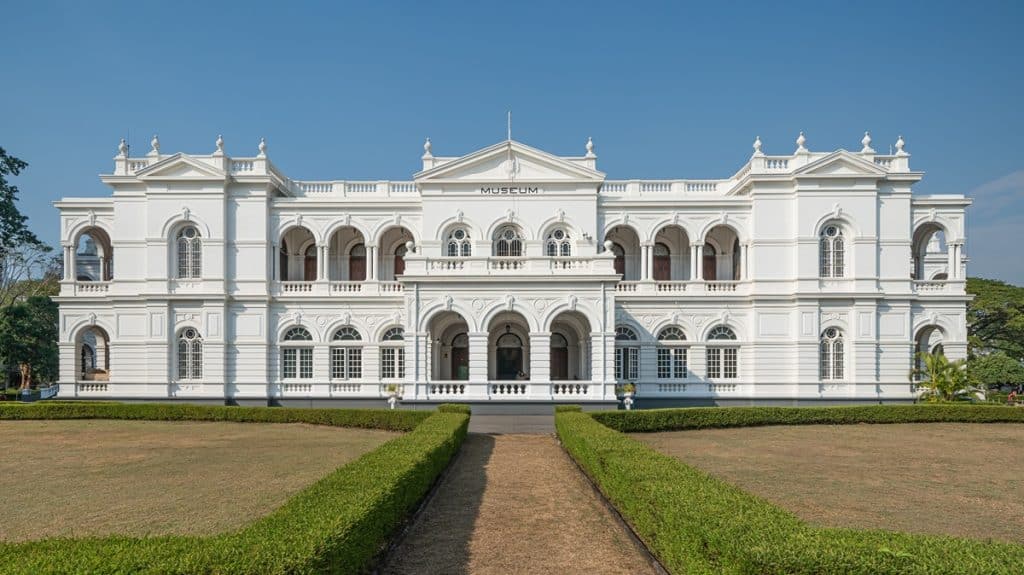
Colombo National Museum (Photo: A.Savin)
Overview
The Colombo National Museum stands as the country’s most important museum. Established in 1877, it houses one of the largest collections of historical and cultural artefacts in Sri Lanka. Many travellers regard it as the best introduction to the island’s heritage.
Location
The museum sits in central Colombo near Viharamahadevi Park. Its location makes it easy to include in a city sightseeing itinerary.
What to See
Visitors encounter royal regalia, ancient statues, palm-leaf manuscripts, temple carvings, jewellery, weapons, coins, and colonial-era artefacts. The collection spans centuries of Sri Lankan history.
Why Visit?
No other museum offers such a comprehensive overview of the history of Sri Lanka. The exhibits help visitors understand the cultural and historical foundations of many attractions found across the island.
Who Will Enjoy It Most?
History enthusiasts, first-time visitors, families, students, and cultural travellers all benefit from a visit.
Time Needed
Most visitors spend between 1 and 3 hours exploring the galleries.
Nearby Attractions
Viharamahadevi Park, Gangaramaya Temple, Independence Memorial Hall, and Colombo’s colonial district lie within easy reach.
Visitor Information
Opening hours and ticket prices change periodically. Visitors should verify current details before travelling.
The current opening hours: Tuesday – Sunday, 9:00 am – 6:00 pm
Sigiriya Museum
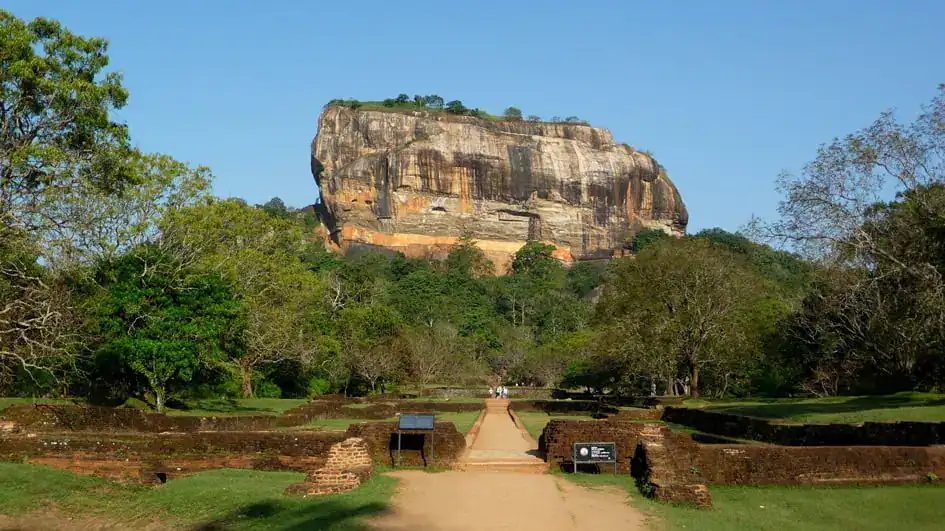
The Ancient Sigiriya Rock Fortress (Photo: richie rocket, CC BY-NC-ND 2.0)
Overview
The Sigiriya Museum serves as the ideal companion to one of Sri Lanka’s most famous attractions. The museum explains the history, engineering, and cultural significance of the ancient city surrounding Sigiriya Rock.
Location
The museum stands at the entrance to the Sigiriya archaeological complex.
What to See
Exhibits include archaeological discoveries, ancient tools, scale models, site reconstructions, maps, and information about the sophisticated water gardens and urban planning systems developed during King Kashyapa’s reign.
Why Visit?
Many travellers focus only on climbing the rock. The Sigiriya Museum reveals the wider story behind the site and helps visitors appreciate its historical importance.
Who Will Enjoy It Most?
Archaeology enthusiasts, photographers, history lovers, families, and anyone visiting Sigiriya.
Time Needed
Allow approximately one hour before or after climbing the rock.
Nearby Attractions
Sigiriya Rock Fortress, Pidurangala Rock, Minneriya National Park, and Dambulla Cave Temple.
Visitor Information
Entry arrangements often connect with the Sigiriya archaeological site ticket system. Confirm details before visiting.
The current opening hours: 5:00 am – 5:00 pm every day
National Maritime Archaeological Museum, Galle
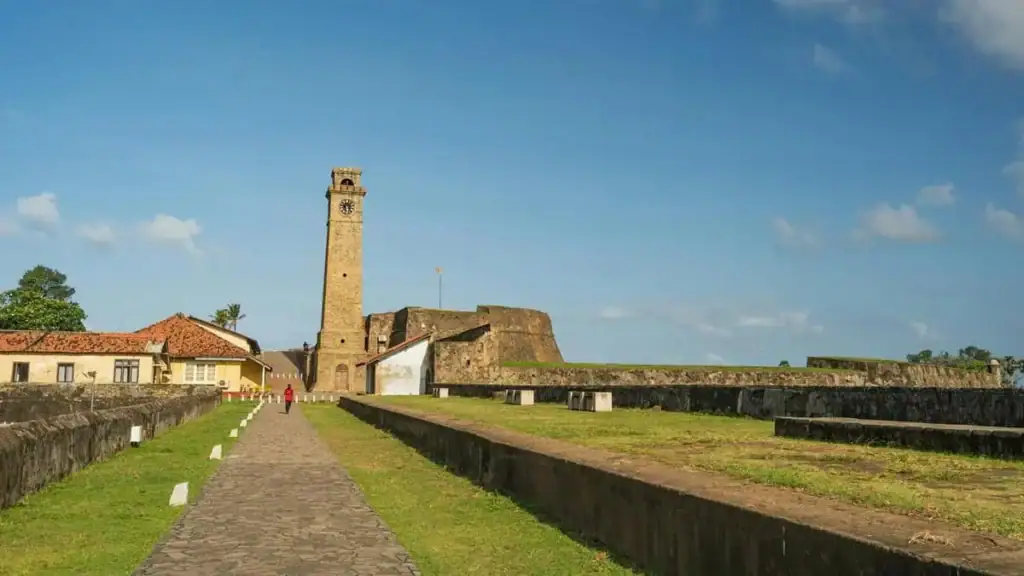
Galle Fort (Photo: Thilina Alagiyawanna, via Pexels)
Overview
Located inside the historic Galle Fort, this museum focuses on Sri Lanka’s maritime history and underwater archaeology.
Location
The museum occupies a historic Dutch warehouse within Galle Fort.
What to See
Collections include shipwreck artefacts, navigation instruments, trade objects, maritime equipment, and exhibits explaining ancient sea routes.
Why Visit?
Sri Lanka occupied an important position along the Indian Ocean trade routes for centuries. This museum explains how maritime trade influenced the island’s development.
Who Will Enjoy It Most?
History enthusiasts, maritime history fans, families, and visitors interested in archaeology.
Time Needed
One hour is usually sufficient.
Nearby Attractions
Galle Fort, Galle Lighthouse, Dutch Reformed Church, and the fort’s historic streets.
Visitor Information
The museum forms an easy addition to any Galle Fort walking tour.
The current opening hours: Tuesday – Sunday (except public holidays), 9:00 am – 4:45 pm
National Museum of Natural History
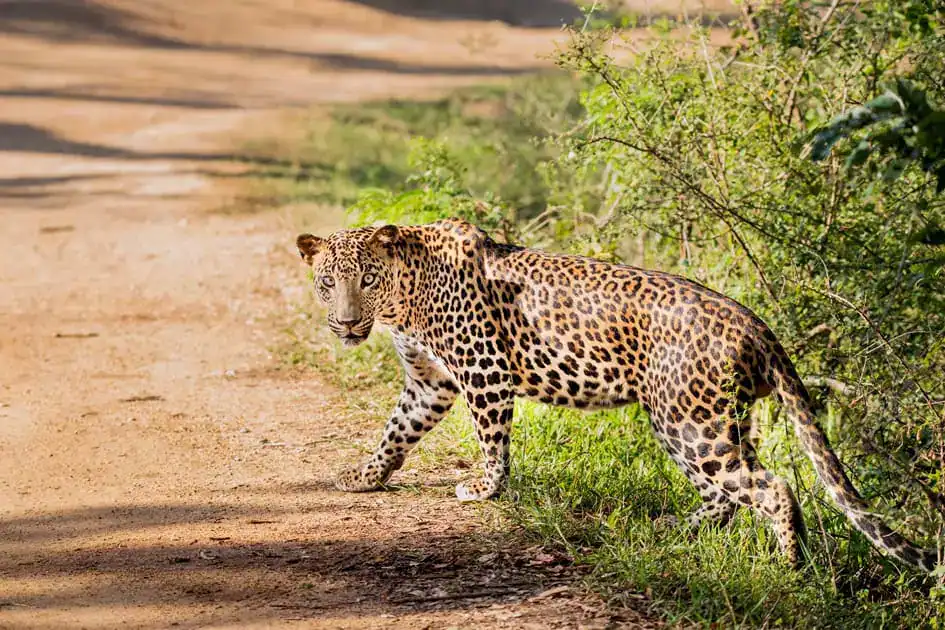
A Sri Lankan Leopard – Yala National Park (Photo: Sachin Kaveesha Fernando, CC BY-SA 4.0)
Overview
This museum introduces visitors to Sri Lanka’s extraordinary biodiversity. It focuses on the island’s wildlife, ecosystems, geology, and natural heritage.
Location
The museum stands next to the Colombo National Museum.
What to See
Displays include animal specimens, bird collections, geological exhibits, fossils, and information about endemic species found only in Sri Lanka.
Why Visit?
Many visitors spend time in national parks such as Yala, Udawalawe, and Wilpattu. This museum helps explain the wildlife they encounter during those wildlife safaris.
Who Will Enjoy It Most?
Families, wildlife enthusiasts, students, and nature lovers.
Time Needed
One to two hours.
Nearby Attractions
Colombo National Museum, Viharamahadevi Park, and Gangaramaya Temple.
Visitor Information
The museum works well as part of a combined visit with the Colombo National Museum.
The current opening hours: Tuesday – Sunday, 9:00 am – 6:00 pm
Galle National Museum
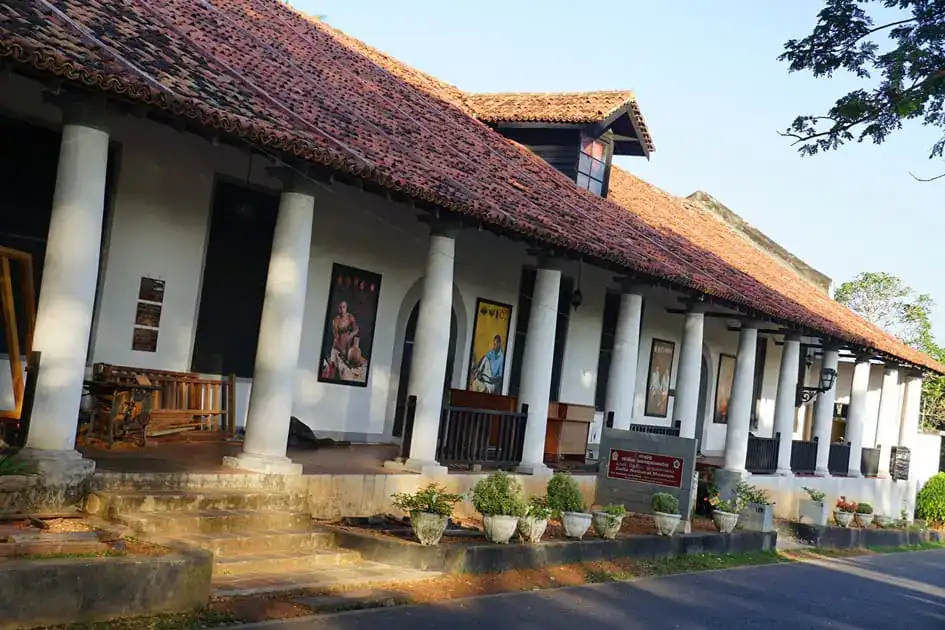
Galle National Museum (Photo: Dan arndt, CC BY-SA 4.0)
Overview
The Galle National Museum focuses on the cultural history of southern Sri Lanka and the communities that shaped the region.
Location
The museum occupies one of the oldest surviving Dutch buildings within Galle Fort.
What to See
Exhibits include traditional masks, household objects, furniture, handicrafts, and artefacts related to southern Sri Lankan culture.
Why Visit?
The museum provides insight into daily life and local traditions rather than focusing solely on political history.
Who Will Enjoy It Most?
Cultural travellers, families, and visitors interested in local heritage.
Time Needed
Around one hour.
Nearby Attractions
National Maritime Archaeological Museum, Galle Lighthouse, Dutch Reformed Church, and the fort walls.
Visitor Information
The museum fits naturally into a day spent exploring Galle Fort.
The current opening hours: Tuesday – Sunday (except public holidays), 9:00 am – 4:45 pm
Kandy National Museum

Temple of the Tooth, Kandy (Photo: A.Savin)
Overview
The Kandy National Museum explores the history of the Kandyan Kingdom, the last independent kingdom in Sri Lanka before British rule.
Location
The museum stands close to the Temple of the Tooth in central Kandy.
What to See
Collections include royal artefacts, ceremonial objects, weapons, traditional costumes, and items connected to Kandyan culture.
Why Visit?
The museum helps visitors understand the historical importance of Kandy and its role in preserving Sri Lankan independence.
Who Will Enjoy It Most?
History lovers, cultural travellers, and visitors exploring Kandy’s heritage attractions.
Time Needed
One to two hours.
Nearby Attractions
Temple of the Tooth, Kandy Lake, Royal Botanical Gardens, and Bahirawakanda Temple.
Visitor Information
The museum complements a visit to the Temple of the Tooth.
The current opening hours: Tuesday – Sunday (except public holidays), 9:00 am – 4:45 pm
Dutch Museum of Colombo
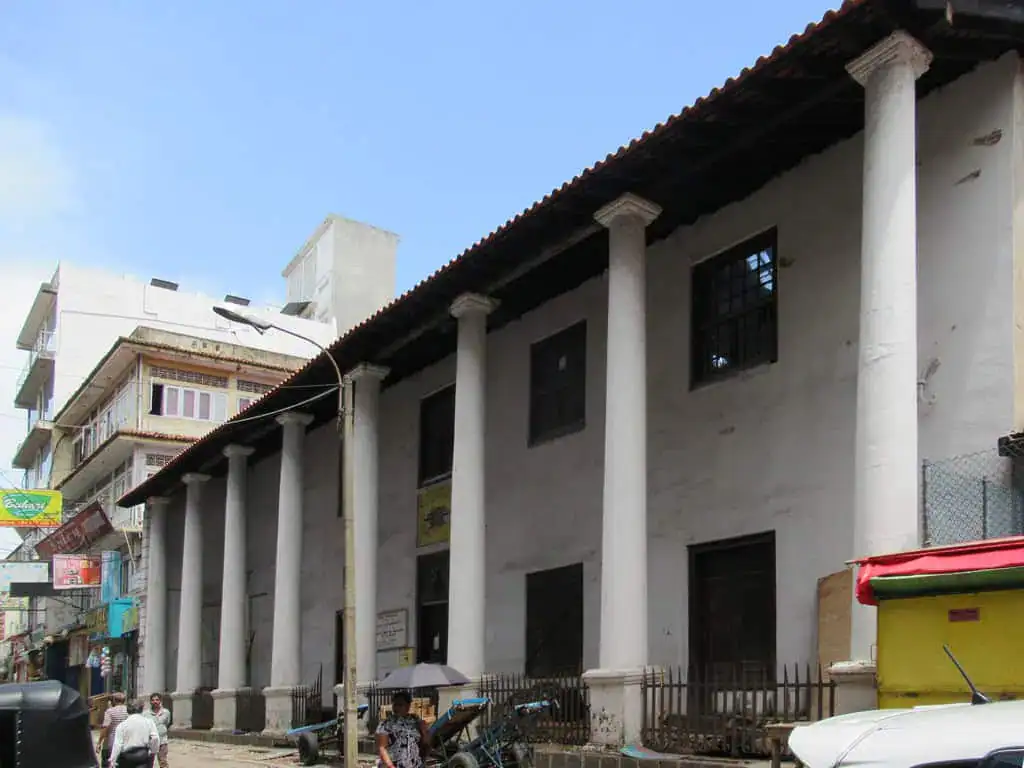
Dutch Museum, Colombo (Photo: David Stanley, CC BY 2.0)
Overview
Often called the Dutch Period Museum, this institution focuses on Sri Lanka’s Dutch colonial era.
Location
The museum sits in Colombo’s historic Pettah district.
What to See
Visitors find maps, furniture, coins, weapons, legal documents, and objects related to Dutch administration and trade.
Why Visit?
The museum provides a detailed look at a period that significantly influenced Sri Lanka’s architecture, legal systems, and commercial development.
Who Will Enjoy It Most?
History enthusiasts, architecture lovers, and repeat visitors seeking deeper historical context.
Time Needed
One hour.
Nearby Attractions
Pettah Market, Old Colombo Dutch Hospital precinct, Wolvendaal Church, and Colombo Fort.
Visitor Information
The museum is smaller than the Colombo National Museum but offers a more specialised experience.
The current opening hours: Tuesday – Sunday (except public holidays), 9:00 am – 4:45 pm
Ancient Technology Museum, Polonnaruwa
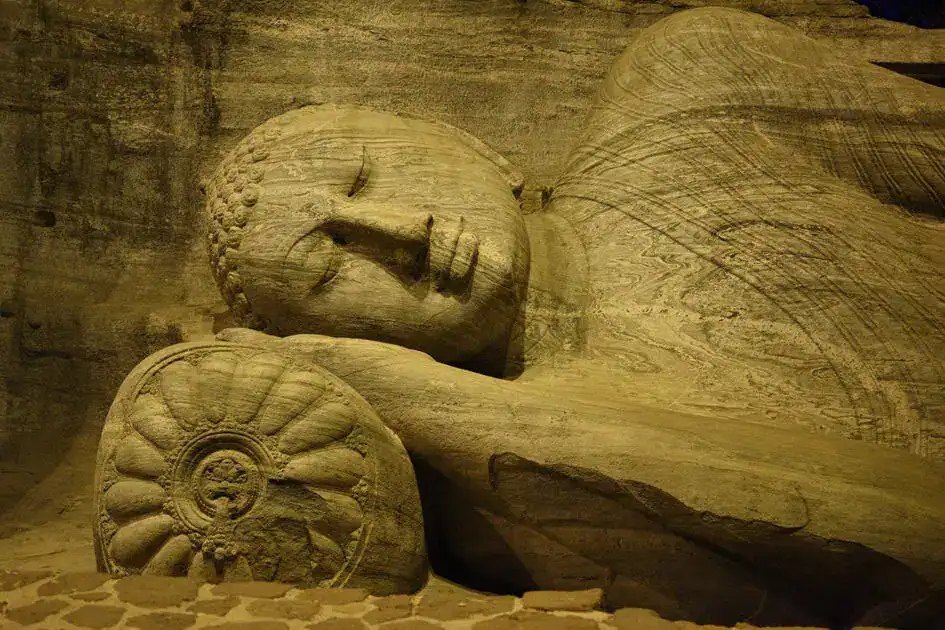
Buddha Statue – Polonnaruwa Gal Viharaya (Photo: Nalaka Priyantha)
Overview
The Ancient Technology Museum highlights the engineering achievements of ancient Sri Lankan civilisation.
Location
The museum stands near the archaeological zone of Polonnaruwa.
What to See
Exhibits explain irrigation systems, water management techniques, agricultural technology, construction methods, and urban planning.
Why Visit?
Ancient Sri Lanka developed some of the world’s most advanced hydraulic systems. This museum helps visitors appreciate the scale and sophistication of those achievements.
Who Will Enjoy It Most?
Archaeology enthusiasts, engineers, students, and travellers interested in ancient innovation.
Time Needed
One to two hours.
Nearby Attractions
Polonnaruwa Ancient City, Parakrama Samudra, Gal Vihara, and the Royal Palace complex.
Visitor Information
The museum adds valuable context before exploring the archaeological site itself.
The museums featured above are among the most visited and historically significant in Sri Lanka. Together, they cover ancient kingdoms, natural history, maritime trade, colonial influence, archaeology, and engineering achievements. They form the foundation of museum tourism in the country and offer travellers a deeper understanding of the places they encounter throughout their journey.
The current opening hours: Tuesday – Sunday (except public holidays), 9:00 am – 4:45 pm
Many travellers visit the major museums and move on. Yet some of the most rewarding museum experiences in Sri Lanka lie beyond the standard tourist route. These museums focus on tea, gemstones, traditional crafts, folk culture, and railway history. They reveal aspects of the country that many visitors overlook.
Why These Museums Deserve More Attention
Travel trends continue to shift towards authentic experiences. Visitors increasingly seek places that reflect local culture and everyday life. Hidden museums often provide stronger personal connections because they focus on specialised subjects and regional stories.
These museums also help travellers understand industries and traditions that continue to shape Sri Lanka today.
Gemological Museum, Ratnapura
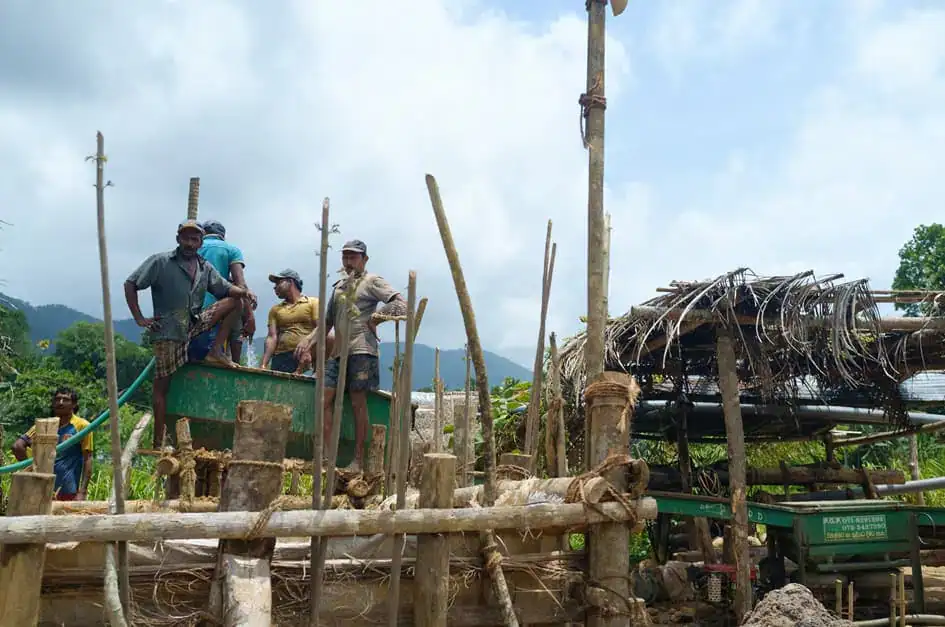
Mining Gems in Ratnapura (Photo: Fred Inklaar, CC BY-NC-SA 2.0)
Overview
Ratnapura is known as the City of Gems. The Gemological Museum introduces visitors to the science, history, and traditions behind Sri Lanka’s gemstone industry.
Location
The museum is located in Ratnapura, the country’s most famous gem-producing region.
What to See
Visitors learn about sapphire formation, gemstone identification, mining methods, cutting techniques, and polishing processes. Displays often feature locally mined gemstones.
Why Visit?
Sri Lanka ranks among the world’s leading sources of sapphires and other precious stones. The museum explains why gemstones remain one of the country’s most important exports.
Who Will Enjoy It Most?
Gemstone enthusiasts, geology lovers, photographers, and cultural travellers.
Time Needed
One to two hours.
Nearby Attractions
Gem mines, gem trading centres, Sinharaja Forest Reserve, and waterfalls around Ratnapura.
Visitor Information
Many visitors combine the museum with a guided gem mining experience.
Ceylon Tea Museum, Kandy
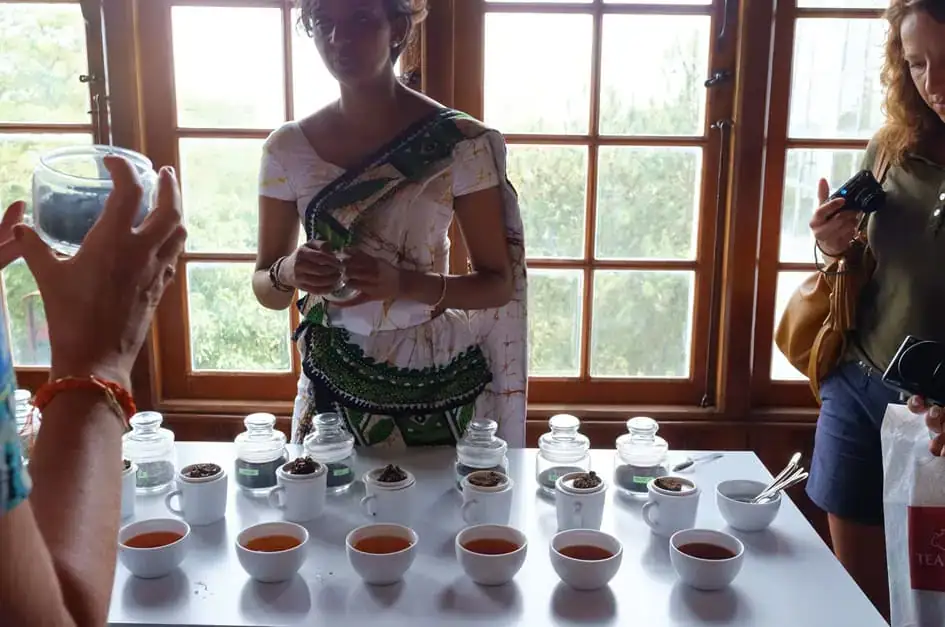
Tea Tasting – Ceylon Tea Museum, Kandy (Photo: Fred Inklaar, CC BY-NC-SA 2.0)
Overview
Tea shaped modern Sri Lanka. The Ceylon Tea Museum tells the story of an industry that transformed the island’s economy and international reputation.
Location
The museum operates in a carefully preserved tea factory in Hanthana, highlighting both the history of Ceylon Tea and the region’s industrial heritage.
What to See
Exhibits include vintage machinery, historical photographs, production equipment, and displays explaining tea processing.
Why Visit?
Many travellers enjoy tea estates and scenic train rides through the hill country. This museum explains how the tea industry developed and why Ceylon Tea became famous worldwide.
Who Will Enjoy It Most?
Tea lovers, history enthusiasts, photographers, and visitors exploring the hill country.
Time Needed
One to two hours.
Nearby Attractions
Royal Botanical Gardens, Temple of the Tooth, Kandy Lake, and tea plantations.
Visitor Information
Tea tasting experiences often form part of the visit.
The current opening hours:
Tuesday to Friday: 8:30 am to 4:00 pm
Saturday & Sunday: 8:00 am to 5:00 pm
Ariyapala Mask Museum, Ambalangoda
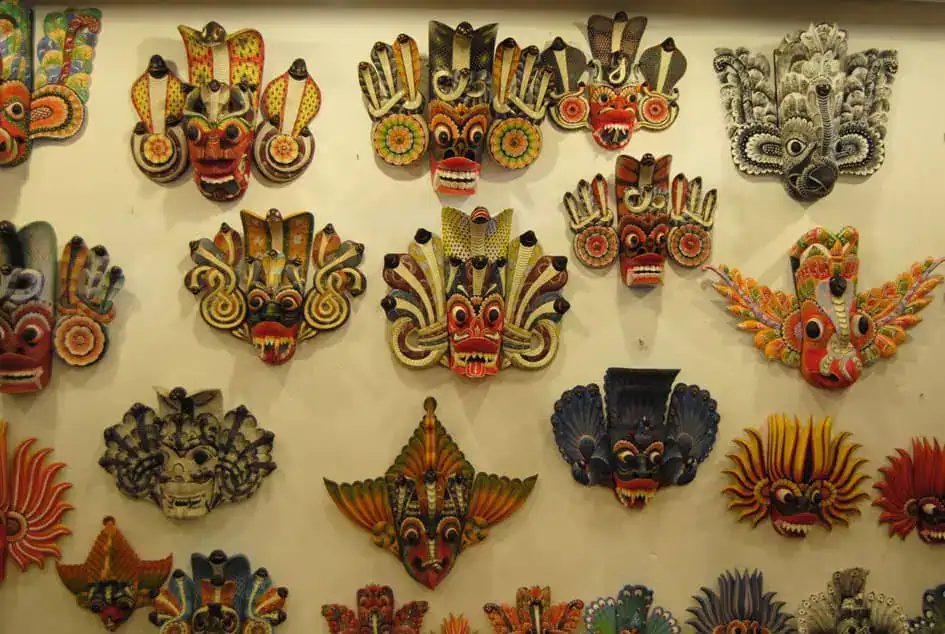
Various Raksha Masks in Ambalangoda (Photo: Sarvodaya Shramadana Movement, CC BY 2.0)
Overview
The Ariyapala Mask Museum preserves one of Sri Lanka’s most colourful cultural traditions.
Location
The museum is located in Ambalangoda on the Southern Coast.
What to See
Displays feature traditional devil masks, ritual masks, folk art, carving tools, and information about mask-making traditions.
Why Visit?
The Ariyapala Mask Museum offers a unique look at Sri Lankan folklore, healing rituals, and performing arts. Few museums provide such a visual and distinctive cultural experience.
Who Will Enjoy It Most?
Cultural travellers, photographers, families, and art enthusiasts.
Time Needed
One hour.
Nearby Attractions
Ambalangoda beaches, Hikkaduwa, Bentota, and Galle.
Visitor Information
Visitors often watch mask-carving demonstrations during their visit.
The current opening hours: Monday – Saturday, 8:00 am – 6:00 pm
Martin Wickramasinghe Folk Museum
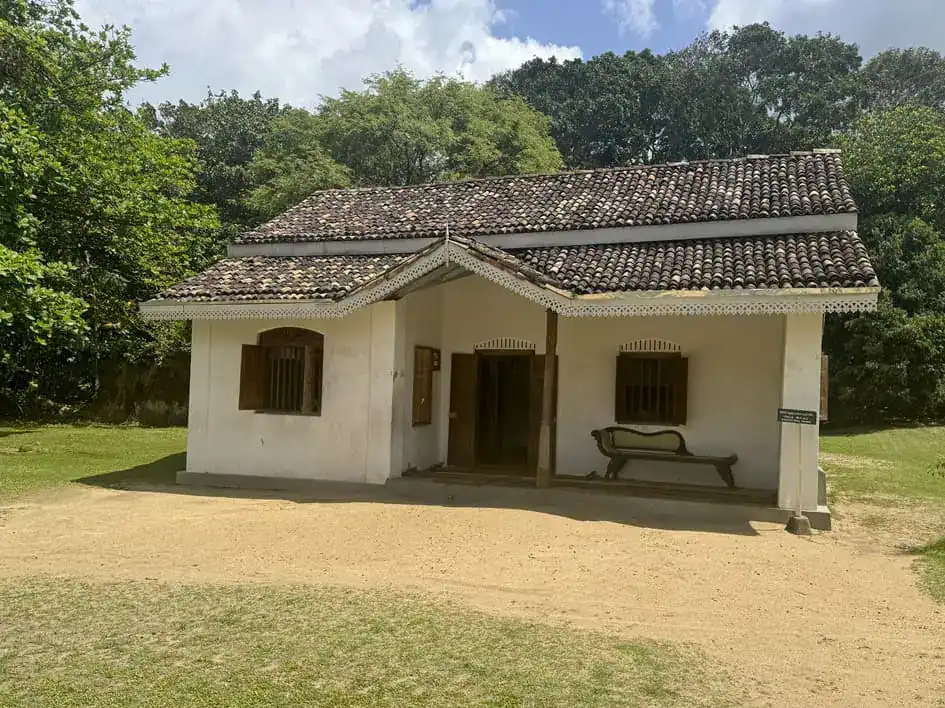
Martin Wickramasinghe’s House in Koggala (Photo: Bex Walton, CC BY 2.0)
Overview
This museum celebrates traditional village life and the legacy of one of Sri Lanka’s most respected writers.
Location
The museum is located in Koggala on the Southern Coast.
What to See
Exhibits include household objects, agricultural tools, traditional crafts, and cultural artefacts from rural Sri Lanka.
Why Visit?
The museum provides insight into everyday life in traditional Sri Lankan communities.
Who Will Enjoy It Most?
Culture seekers, history lovers, and travellers interested in rural heritage.
Time Needed
One to two hours.
Nearby Attractions
Koggala Lake, beaches, Galle, and southern coastal attractions.
Visitor Information
The museum grounds provide a peaceful environment for exploration.
The current opening hours: 9:00 am – 5:00 pm every day
Railway Heritage Museum, Kadugannawa
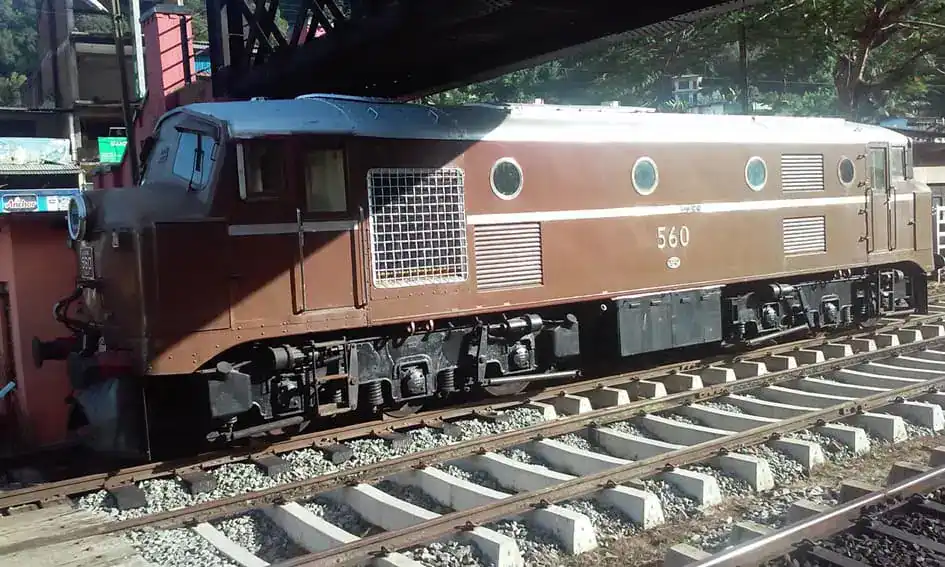
National Railway Museum – Kadugannawa (Photo: Kasun Mallwarachchi, CC BY-SA 4.0)
Overview
Sri Lanka’s railway network ranks among the country’s greatest engineering achievements. This museum preserves its history.
Location
The museum is located in Kadugannawa between Colombo and Kandy.
What to See
Visitors find vintage locomotives, railway equipment, engineering displays, and historical photographs.
Why Visit?
Many travellers rate Sri Lanka’s hill country railway journey among the world’s most scenic train rides. The museum explains how this network developed.
Who Will Enjoy It Most?
Train enthusiasts, photographers, engineers, and families.
Time Needed
One hour.
Nearby Attractions
Kadugannawa Pass, Kandy, and viewpoints overlooking the surrounding hills.
Visitor Information
The museum makes a good stop on the road between Colombo and Kandy.
The current opening hours: 9:00 am – 4:00 pm every day (except poya days)
National Museum, Ratnapura
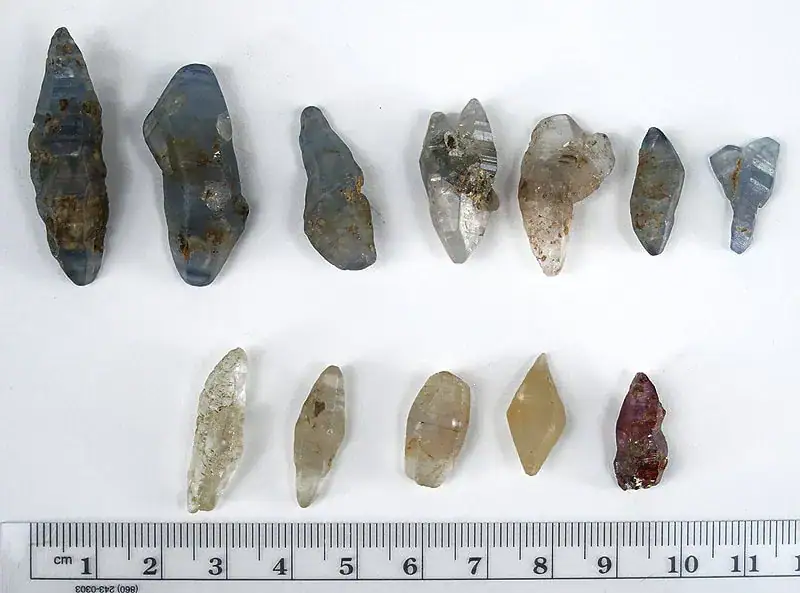
Various Gem Stones in Ratnapura (Photo: Robert M. Lavinsky, CC BY-SA 3.0)
Overview
The National Museum in Ratnapura focuses on the natural and cultural heritage of the Sabaragamuwa Province.
Location
The museum is housed in the historic Ehelepola Walauwa in Ratnapura.
What to See
Collections include gemstones, fossils, archaeological artefacts, traditional objects, and regional historical exhibits.
Why Visit?
The museum combines geology, culture, archaeology, and local history in a single location.
Who Will Enjoy It Most?
History enthusiasts, cultural travellers, and visitors interested in the gem country.
Time Needed
One to two hours.
Nearby Attractions
Gemological Museum, gem mines, waterfalls, and Sinharaja Forest Reserve.
Visitor Information
The museum offers one of the most complete introductions to the Ratnapura region.
The current opening hours: Tuesday – Sunday (except public holidays), 9:00 am – 4:45 pm
Museums That Tell the Story of Sri Lanka’s Greatest Industries
Sri Lanka’s Tea Heritage
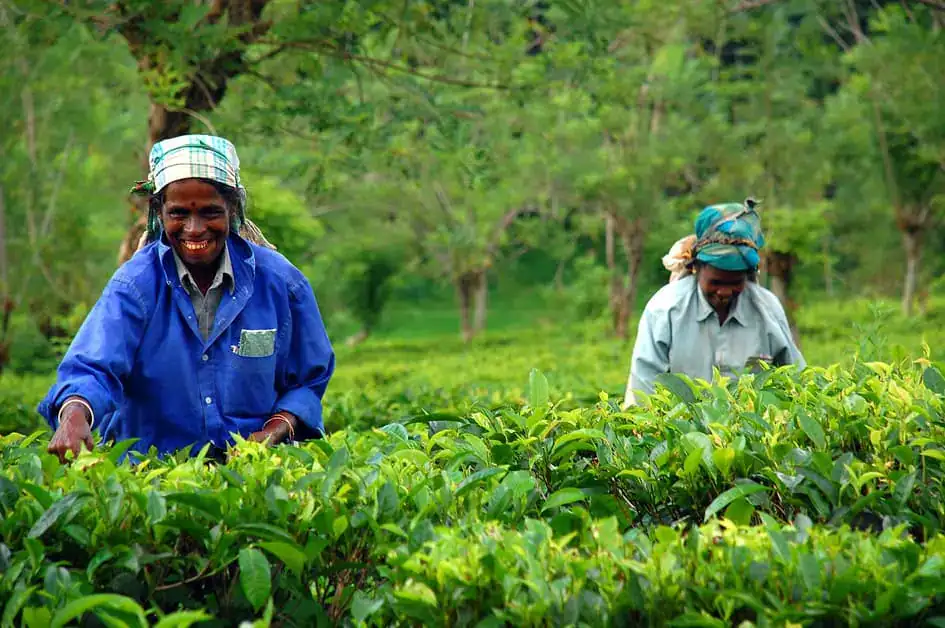
Tea Pickers – This is the place where the story of Ceylon tea begins. (Photo: Global Water Partnership – a water secure world, CC BY-NC-SA 2.0)
Tea influences the country’s economy, culture, and international image. Visitors see tea plantations across the hill country, yet few understand the industry’s history. The Ceylon Tea Museum fills this gap. Combined with visits to tea estates and factory tours, the museum helps travellers appreciate how tea transformed the central highlands.
Sri Lanka’s Gemstone Legacy
Ratnapura has supplied gemstones for centuries. Blue sapphires, star sapphires, and many other stones have reached markets around the world from this region. The National Museum, Ratnapura and the Gemological Museum provide valuable insight into the traditions and techniques behind this industry.
Railway Heritage and the Hill Country
The railway network opened remote mountain regions and helped support the tea industry. The Railway Heritage Museum explains how engineers built rail lines through difficult terrain. Visitors often gain a greater appreciation for the famous hill country train journey after learning this history.
Best Museums in Sri Lanka by Interest
Best Museums for History Lovers
The Colombo National Museum ranks first among museums for visitors seeking a broad overview of the history of Sri Lanka. The Kandy National Museum and the Dutch Museum of Colombo also offer valuable historical insights.
Best Museums for Archaeology Enthusiasts
The Sigiriya Museum and Ancient Technology Museum provide excellent introductions to ancient civilisations and engineering achievements.
Best Museums for Tea Lovers
The Ceylon Tea Museum stands as the country’s leading attraction for tea enthusiasts.
Best Museums for Gemstone Enthusiasts
The Gemological Museum and the National Museum in Ratnapura offer the strongest gemstone-related experiences.
Best Museums for Families
The National Museum of Natural History, the Colombo National Museum, and the Ariyapala Mask Museum are strongly appealing to families.
Best Museums for Photographers
The Ariyapala Mask Museum, Maritime Archaeological Museum, and Ceylon Tea Museum offer excellent photographic opportunities.
Best Museums for Cultural Travellers
The Martin Wickramasinghe Folk Museum, Ariyapala Mask Museum, and Kandy National Museum provide meaningful cultural experiences.
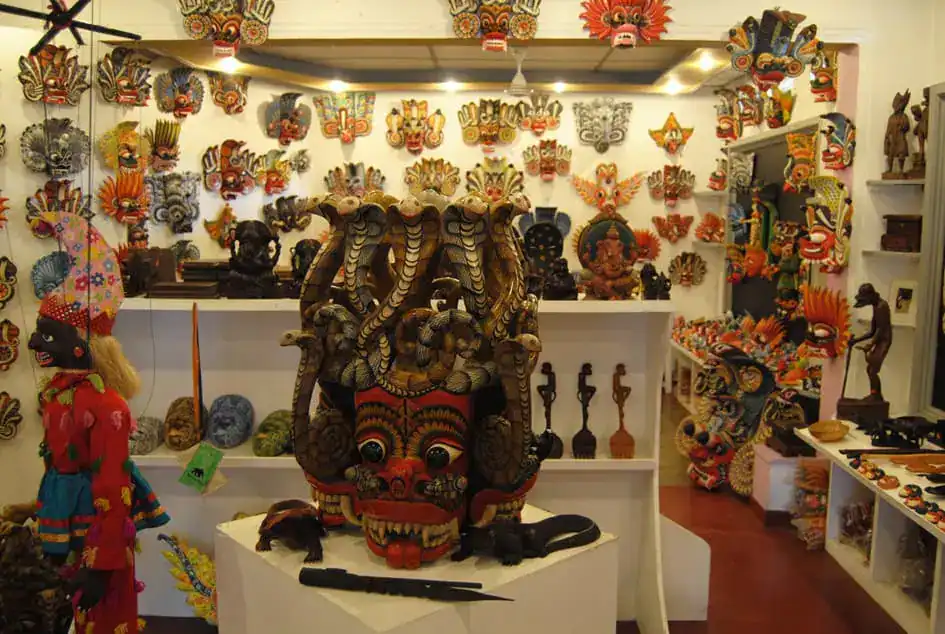
Traditional Wooden Masks – Ambalangoda (Photo: Sarvodaya Shramadana Movement, CC BY 2.0)
Suggested Museum Itineraries in Sri Lanka
One-Day Colombo Museum Trail
Start at the Colombo National Museum. Continue to the National Museum of Natural History. End the day at the Dutch Museum in Colombo. This route provides a strong introduction to Sri Lankan history, wildlife, and colonial heritage.
Kandy Heritage Day
Visit the Temple of the Tooth in the morning. Continue to the Kandy National Museum. Finish with the Ceylon Tea Museum. This itinerary combines religion, royal history, and tea culture.
Galle Cultural Walk
Explore Galle Fort. Visit the National Maritime Archaeological Museum and Galle National Museum. Spend the rest of the day walking through the fort’s historic streets.
Ratnapura Heritage Experience
Combine the National Museum, Ratnapura, with the Gemological Museum and a guided gem mining experience.
Cultural Triangle Discovery Route
Visit the Sigiriya Museum before climbing Sigiriya Rock. Continue to Polonnaruwa and the Ancient Technology Museum. This route helps visitors understand ancient Sri Lankan civilisation.
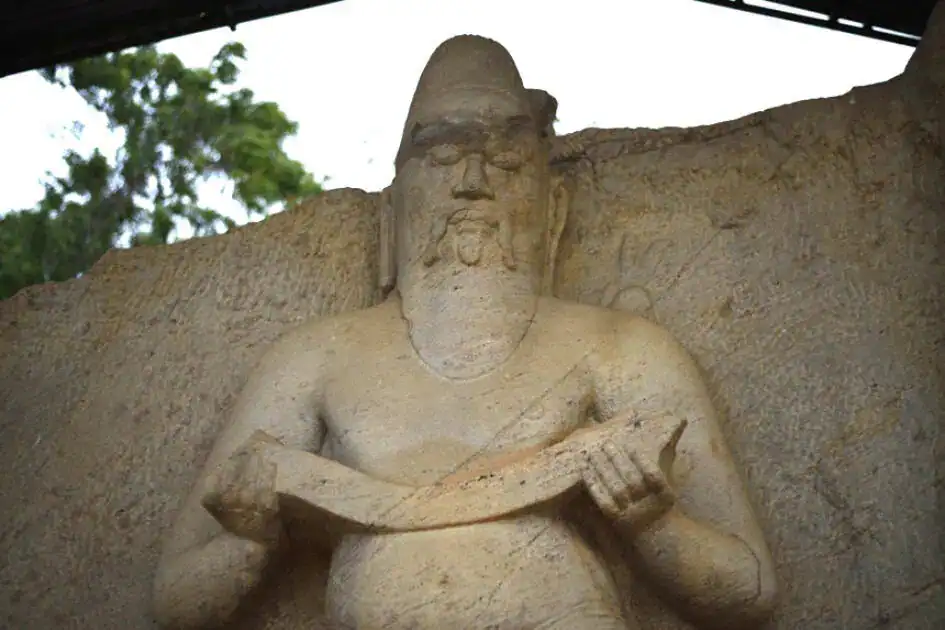
The Statue of the Great King Parakramabahu – Polonnaruwa (Photo: Nalaka Priyantha)
Practical Tips for Visiting Museums in Sri Lanka
Best Time to Visit
Morning visits often provide the most comfortable conditions. Weekdays usually attract fewer visitors than weekends and public holidays.
Museum Etiquette
Respect local customs and museum rules. Follow instructions regarding photography and restricted areas.
Photography Rules
Photography policies differ between museums. Always confirm regulations before taking photographs.
Ticket Prices and Opening Hours
Prices and schedules change periodically. Check official museum websites or local tourism information before visiting.
Guided Tours and Interpretation
Guided tours provide valuable context, especially at museums connected to archaeological sites.
Accessibility Considerations
Accessibility varies significantly between institutions. Visitors with mobility concerns should check facilities before travelling.
Frequently Asked Questions About Museums in Sri Lanka
What is the most famous museum in Sri Lanka?
The Colombo National Museum holds this position due to its size, collections, and historical importance.
Which museum is best for learning about the history of Sri Lanka?
The Colombo National Museum provides the most comprehensive introduction to the country’s history.
Is the Sigiriya Museum worth visiting?
Yes. The museum explains the significance of Sigiriya and improves the overall experience of visiting the archaeological site.
What is the best museum in Colombo?
Most visitors consider the Colombo National Museum the leading museum in the capital.
Which museum is best for tea lovers?
The Ceylon Tea Museum offers the strongest tea-related experience in Sri Lanka.
Are there any gem museums in Sri Lanka?
Yes. Ratnapura contains several gem-related museums, including the Gemological Museum.
Which museums are family-friendly?
The National Museum of Natural History, Ariyapala Mask Museum, and Colombo National Museum are popular with families.
How much time should I spend at each museum?
Most museums require between one and three hours, depending on your level of interest.
Are you new to Sri Lanka? Read our complete travel guide for first-time travellers and the best travel itineraries for your travel season.
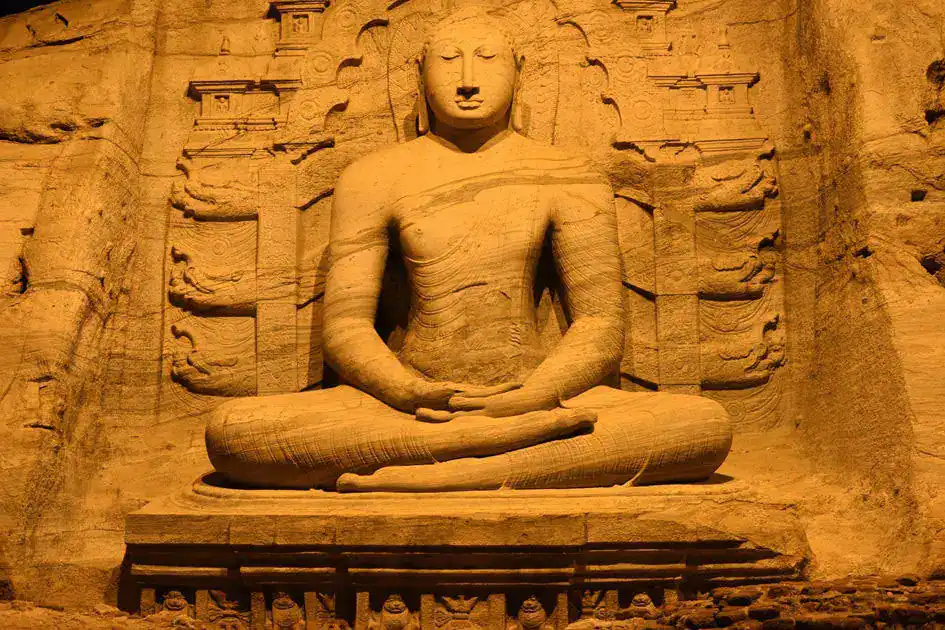
Gal Viharaya – Polonnaruwa (Photo: Nalaka Priyantha)
Final Thoughts
The museums in Sri Lanka reveal stories that many travellers miss. They explain how ancient kingdoms managed water, how maritime trade connected the island to distant regions, how tea plantations shaped the highlands, how gemstones built Ratnapura’s reputation, and how traditional crafts survived through generations.
The Colombo National Museum and the Sigiriya Museum remain essential stops for anyone interested in the history of Sri Lanka. Yet smaller institutions such as the Ariyapala Mask Museum, the Ceylon Tea Museum, the Railway Heritage Museum, and the National Museum, Ratnapura offer equally rewarding experiences for travellers seeking deeper cultural understanding.
A museum visit adds context to every stage of a Sri Lankan journey. Ancient cities become more meaningful. Train rides gain historical significance. Tea plantations tell richer stories. Cultural traditions feel more personal.
Whether you spend an hour in a gallery or follow a museum-focused itinerary across the island, these collections offer one of the most effective ways to understand Sri Lanka beyond its landscapes. They preserve the stories, achievements, traditions, and industries that shaped the country you see today.
Map – Museums in Sri Lanka
Sources and References:
- Sri Lanka Tourism Development Authority (SLTDA).
- Sri Lanka Tourism.
- Department of National Museums, Sri Lanka.
- Central Cultural Fund, Sri Lanka.
- UNESCO World Heritage Centre.
- Department of Archaeology, Sri Lanka.
- Ceylon Tea Museum.
- Martin Wickramasinghe Folk Museum Complex.
- Ariyapala Traditional Masks Museum.
- National Gem and Jewellery Authority of Sri Lanka.
- Sri Lanka Tourism Development Authority. Year in Review Reports and Annual Statistical Reports.
- Research studies on museum tourism and cultural tourism in Sri Lanka.
Featured image: Sigiriya Rock Fortress rising above the forests of central Sri Lanka near the Sigiriya Museum (Photo: ekkun, CC BY-SA 4.0)

I am a Sri Lankan medical doctor who spends my free time travelling, exploring new destinations, and documenting the beauty of the island I call home. I have journeyed across almost every corner of Sri Lanka with my wife and daughter — from wildlife parks and misty mountains to ancient cities, deep forests, rugged landscapes, and quiet beaches.
Travel is not just a hobby for me — it’s a way of life. I love nature, enjoy road trips, and find joy in wildlife photography. I also read widely about tourism, travel trends, and destination culture. Through my writing, I aim to help travellers experience Sri Lanka through real stories, meaningful insights, and honest recommendations — the same way I explore it with my own family.