
Sri Lanka attracts visitors with golden beaches, ancient cities, wildlife parks, scenic train journeys, and rich cultural traditions. Yet many travellers leave the island talking about another highlight of their trip. They talk about the treasures they carried home. Shopping in Sri Lanka offers far more than a chance to buy gifts. It allows you to connect with local communities, centuries-old traditions, family businesses, and products that reflect the island’s identity.
Many first-time visitors arrive with questions. What are the best things to buy in Sri Lanka? Where should you shop? Which products are authentic? Is bargaining acceptable? Which regions offer the most rewarding shopping experiences? These questions matter because Sri Lanka offers a shopping experience unlike that of many Asian destinations. Large malls stand alongside busy street markets. Luxury gemstone stores operate near traditional craft villages. Modern designer boutiques share space with shops that have served customers for generations.
The Sri Lanka Tourism Promotion Bureau and the Sri Lanka Tourism Development Authority encourage visitors to explore local products, handicrafts, gems, tea, spices, batik, and other cultural products through authorised and reputable retailers. It helps support local industries while giving travellers confidence in the quality of their purchases.
Whether you are searching for premium Ceylon tea, a unique souvenir from Sri Lanka, colourful batik clothing, certified gemstones, or handmade crafts, this guide will help you understand what to buy and why these products remain popular with travellers from around the world.
If you are interested in shopping in Sri Lanka, we recommend reading “7 Must-Visit Markets Every Traveller Should Experience“.
Why Shopping in Sri Lanka Is Unique
Many countries offer shopping. Few offer the variety found across Sri Lanka. The island sits at the centre of historic Indian Ocean trade routes. For centuries, merchants from Arabia, India, China, Portugal, the Netherlands, and Britain visited Sri Lanka in search of valuable goods. Spices, gems, ivory, textiles, and tea moved through Sri Lankan ports and into global markets.
That trading history still shapes the shopping experience today. As you travel around the island, you see products influenced by different cultures while remaining deeply Sri Lankan. A gemstone purchased in Ratnapura carries a connection to mining traditions stretching back thousands of years. A packet of cinnamon reflects Sri Lanka’s long reputation as one of the world’s best producers of true cinnamon. A hand-carved mask from Ambalangoda tells a story rooted in local folklore and ritual practices.
Shopping in Sri Lanka also feels personal. In many places, you meet the people who create the products. A tea factory worker explains how tea leaves move from plantation to package. A batik artist demonstrates how wax and dye create intricate patterns. A woodcarver shares techniques passed down through generations. These interactions add meaning to every purchase.
The variety appeals to different types of travellers. Luxury travellers seek rare gemstones and designer fashion. Culture enthusiasts search for authentic handicrafts. Food lovers fill their bags with tea and spices. Wellness travellers purchase Ayurvedic products. Eco-conscious visitors look for ethical, sustainable products made by local communities.
This diversity explains why shopping has become an important part of many Sri Lankan itineraries. Visitors do not simply buy souvenirs. They collect stories, traditions, and memories.
Best Things to Buy in Sri Lanka
One of the most common questions among travellers is what the best things to buy in Sri Lanka are. The answer depends on your interests, but several products consistently rank among the most popular purchases.
Ceylon Tea: Sri Lanka’s Most Famous Export
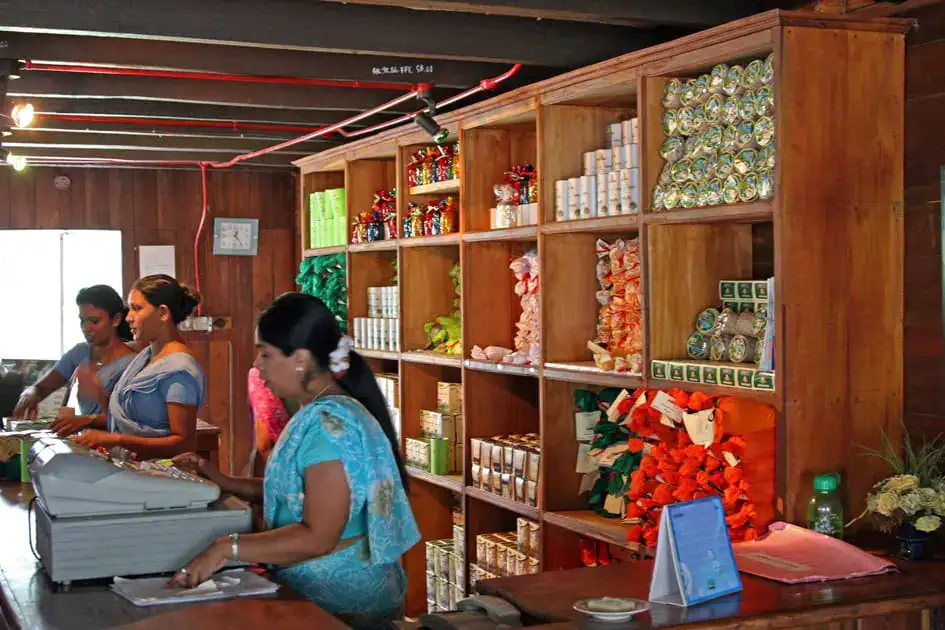
The Tea Shop – Giragama Tea Estate, Kandy (Photo: bianca polak, CC BY-NC 2.0)
No discussion about shopping in Sri Lanka is complete without tea. Tea remains the country’s most recognised export and one of the most sought-after purchases among international visitors.
Sri Lanka produces some of the finest tea in the world. The name “Ceylon Tea” enjoys global recognition because of its quality, flavour, and consistency. Tea cultivation began during the British colonial period in the nineteenth century and quickly transformed the country’s economy. Today, tea remains one of Sri Lanka’s most important export industries.
Many travellers visit tea-growing regions such as Nuwara Eliya, Ella, and Hatton. These areas offer opportunities to tour tea estates, walk through plantations, and learn about tea production. The experience often ends with a tasting session, allowing visitors to compare teas from different regions.
Each tea-growing area produces distinct flavours. Nuwara Eliya teas often feature light and delicate notes. Uva teas offer a stronger character. Dimbula teas provide balanced flavours that appeal to a wide range of tea drinkers. This regional diversity encourages many visitors to sample several varieties before making a purchase.
Tea also makes an excellent souvenir from Sri Lanka. It is easy to transport, widely appreciated, and available in different price ranges. Travellers often purchase premium loose-leaf tea, luxury gift boxes, white tea, green tea, herbal blends, and speciality collections.
Buying tea directly from estates and reputable retailers provides confidence in quality and freshness. Many tea factories sell products unavailable in international markets, giving travellers access to exclusive varieties.
For food lovers and tea enthusiasts, Ceylon tea often becomes the most memorable purchase of the entire trip.
Precious Gemstones and Jewellery
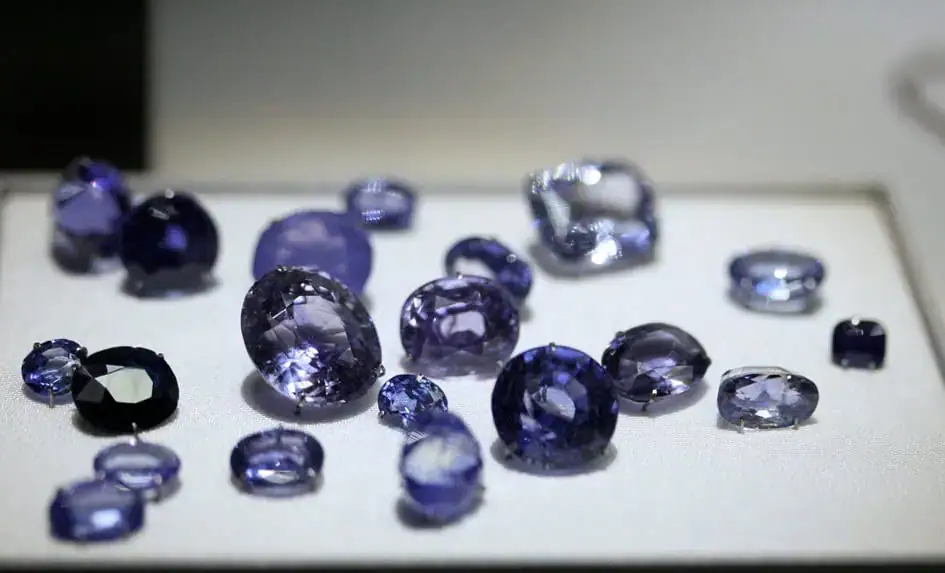
Blue Sapphires from Sri Lanka (Photo: Anne Petersen, CC BY-NC-ND 2.0)
Sri Lanka holds a reputation as one of the world’s most important sources of coloured gemstones. Historical records suggest that traders visited the island in search of gems more than two thousand years ago. Even today, Sri Lankan gemstones appear in luxury jewellery collections around the world.
The city of Ratnapura, often known as the City of Gems, remains the centre of the country’s gemstone industry. The surrounding region produces a wide range of precious and semi-precious stones.
Blue sapphires attract the most attention. Sri Lanka has earned international recognition for producing some of the world’s finest blue sapphires. Visitors also seek star sapphires, rubies, moonstones, garnets, topaz, spinels, and cat’s eye gemstones.
Many travellers choose gemstones because they combine beauty with long-term value. Jewellery crafted in Sri Lanka often reflects exceptional quality while offering competitive prices compared with some international markets.
When purchasing gemstones, buyers should focus on reputable dealers and certified products. Authorised retailers provide documentation confirming authenticity and quality. Certificates issued by recognised gem laboratories help buyers make informed decisions.
Travellers interested in gemstones often include Ratnapura in their itinerary. Some visitors join guided experiences that explain mining methods, gemstone processing, and jewellery production. These experiences help travellers understand the significance of Sri Lanka’s gemstone heritage.
A certified sapphire or handcrafted piece of jewellery often becomes a cherished reminder of time spent on the island.
Sri Lankan Spices
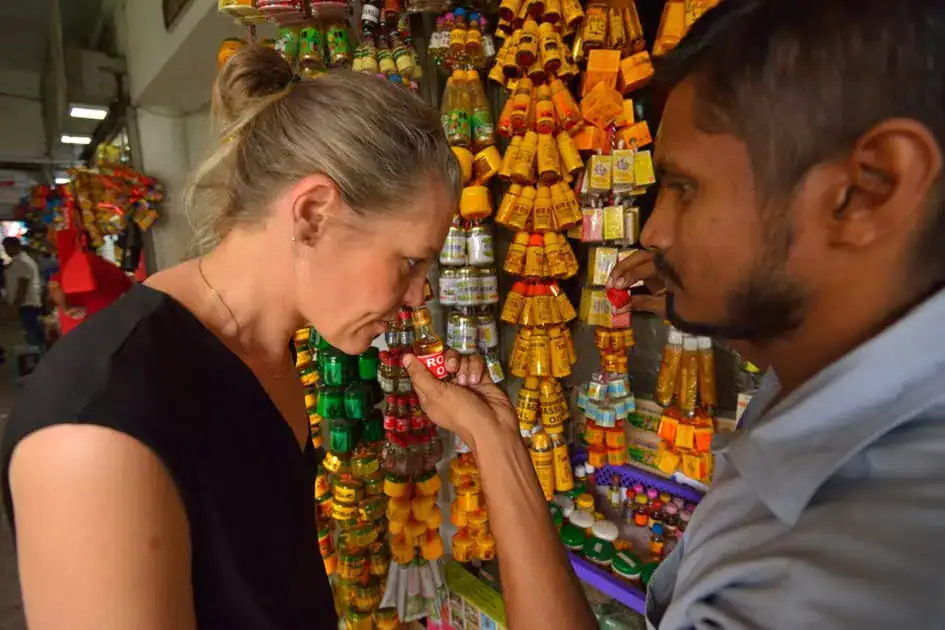
In a spice shop (Photo: Jason Jones, CC BY-NC-SA 2.0)
Long before tea plantations covered the hills, spices drew traders to Sri Lanka. The island’s climate creates ideal conditions for growing many valuable spices, and visitors continue to purchase them in large quantities.
Cinnamon ranks among the most popular choices. Sri Lanka produces true cinnamon, often called Ceylon cinnamon, which differs from the cassia cinnamon commonly sold in many countries. The flavour is milder, sweeter, and more refined.
Travellers also purchase black pepper, cardamom, cloves, nutmeg, turmeric, curry powders, and spice blends. These products allow visitors to recreate Sri Lankan flavours at home.
Spice gardens and speciality stores provide opportunities to learn about cultivation methods and culinary uses. Staff often explain how different spices contribute to traditional Sri Lankan dishes. These conversations help travellers select products suited to their personal tastes.
Spices make practical souvenirs because they are lightweight, affordable, and easy to transport. Many visitors purchase several varieties to share with friends and family.
For anyone interested in food, spices rank among the best things to buy in Sri Lanka.
Batik Clothing and Handloom Textiles
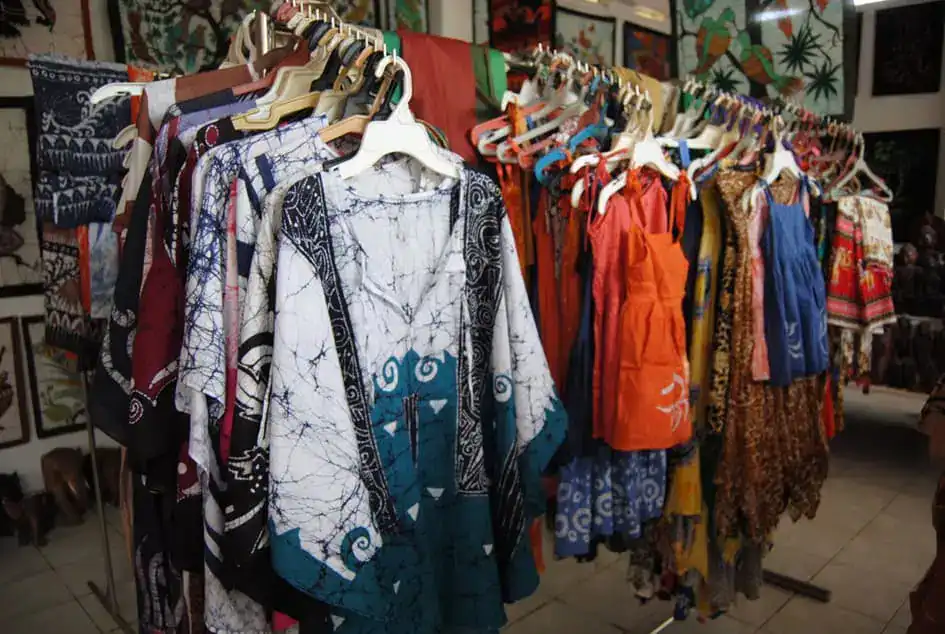
A Batik Shop in Ambalangoda (Photo: Sarvodaya Shramadana Movement, CC BY 2.0)
Sri Lanka’s textile traditions combine creativity, craftsmanship, and cultural heritage. Batik and handloom products attract travellers seeking wearable souvenirs with local character.
Batik involves applying wax to fabric before dyeing. This process creates colourful patterns and distinctive designs. Sri Lankan batik artists continue to develop new styles while preserving traditional techniques.
Visitors often purchase dresses, shirts, scarves, sarongs, wall hangings, table runners, and decorative fabrics. Each piece reflects the skill of its creator.
Handloom textiles represent another important tradition. Skilled weavers produce fabrics using methods passed through generations. These products often feature natural fibres, traditional patterns, and careful attention to detail.
Many travellers appreciate batik and handloom products for their beauty and practicality. Unlike mass-produced souvenirs, handmade textiles reflect genuine local craftsmanship.
Shopping for textiles often includes opportunities to observe the production process. Watching artists apply wax or weavers operate traditional looms adds depth to the experience.
These products appeal to travellers who value culture, design, and authenticity.
Traditional Wooden Masks and Handicrafts
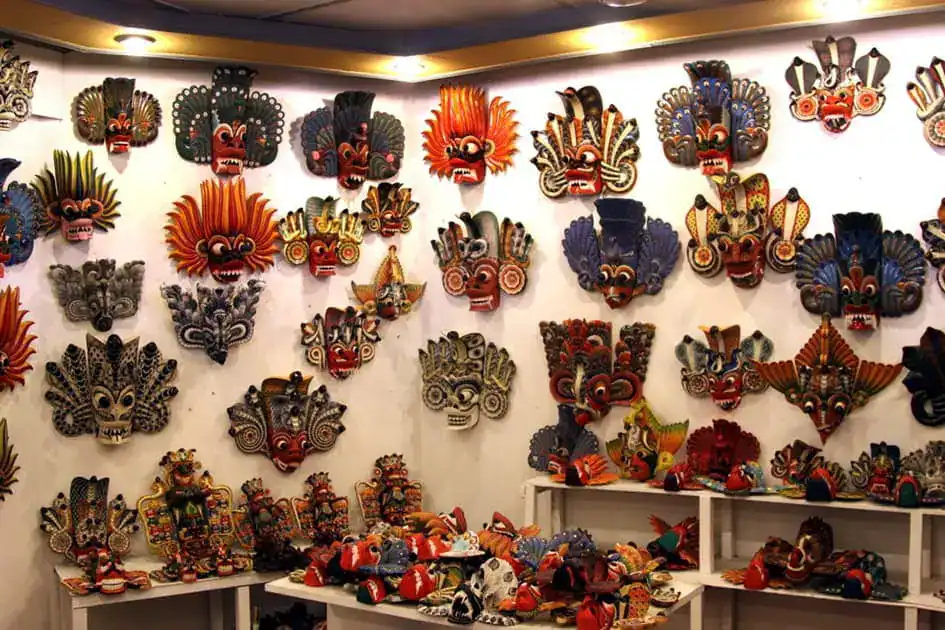
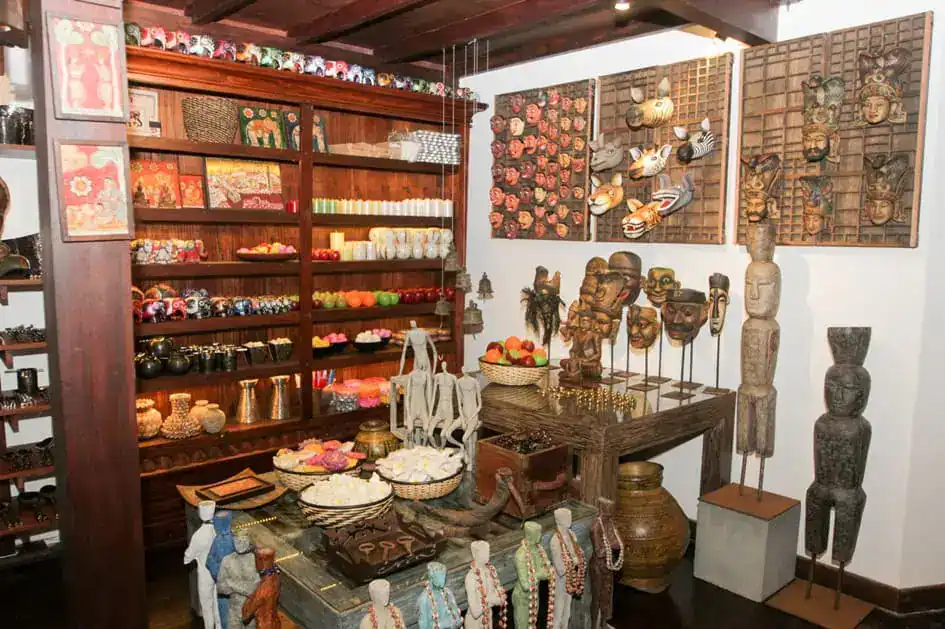
Traditional Mask Showroom in Sri Lanka (Photo: Denish C, CC BY-NC-ND 2.0)
Among the most distinctive souvenirs available in Sri Lanka are traditional wooden masks. These colourful creations reflect centuries of artistic and cultural traditions.
The coastal town of Ambalangoda serves as the centre of mask-making in Sri Lanka. Local artisans carve masks from wood and paint them by hand. Many designs originate from traditional folk stories, dance performances, and healing rituals.
Visitors often choose masks because they represent something uniquely Sri Lankan. The designs vary widely in size, colour, and symbolism. Some masks portray mythical figures. Others represent animals or protective spirits.
Beyond masks, Sri Lanka offers a wide range of handicrafts. Travellers encounter wooden carvings, lacquerware, brass products, pottery, woven items, and decorative artwork.
Handicrafts provide direct support to artisan communities. Purchasing these products helps preserve traditional skills and creates income opportunities for local families.
Many workshops welcome visitors and demonstrate production techniques. These encounters allow travellers to understand the effort that goes into creating each piece.
For culture enthusiasts, a handicraft often becomes the most meaningful souvenir from Sri Lanka.
Ayurvedic and Wellness Products
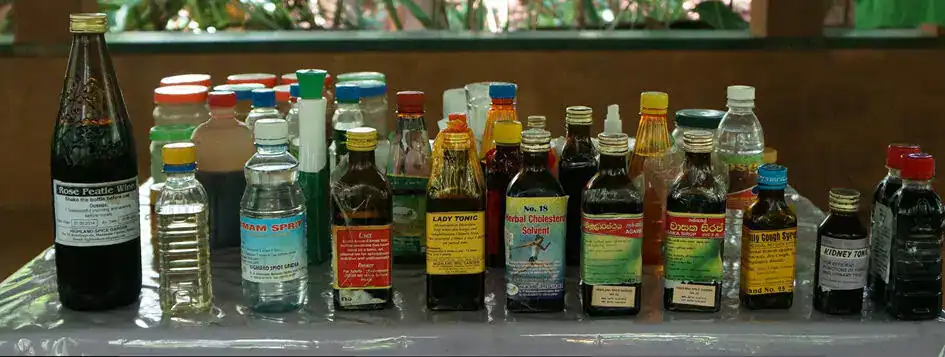
Herbal Oils and Drinks – Highland Spice Garden, Matale (Photo: Pierre André Leclercq, CC BY-SA 4.0)
Wellness tourism continues to grow worldwide, and Sri Lanka has benefited from this trend. Ayurveda forms an important part of the country’s cultural heritage and attracts visitors interested in natural health practices.
Many travellers purchase Ayurvedic oils, herbal balms, skincare products, soaps, shampoos, and wellness items during their visit. These products often contain natural ingredients sourced from local plants and herbs.
Ayurvedic centres, wellness resorts, pharmacies, and speciality stores offer a wide range of options. Staff members often explain how products are traditionally used and which ingredients provide specific benefits.
The popularity of wellness tourism has increased demand for high-quality Ayurvedic products. Many brands now package their products specifically for international travellers while maintaining traditional formulations.
Travellers interested in self-care often appreciate these products for their combination of practicality and cultural significance. A bottle of herbal oil or a handmade natural soap serves as both a useful item and a reminder of the Sri Lankan experience.
As interest in natural wellness continues to grow globally, Ayurvedic products remain among the fastest-growing categories in Sri Lanka’s tourism shopping sector.
Shopping in Colombo: The Best Places to Explore
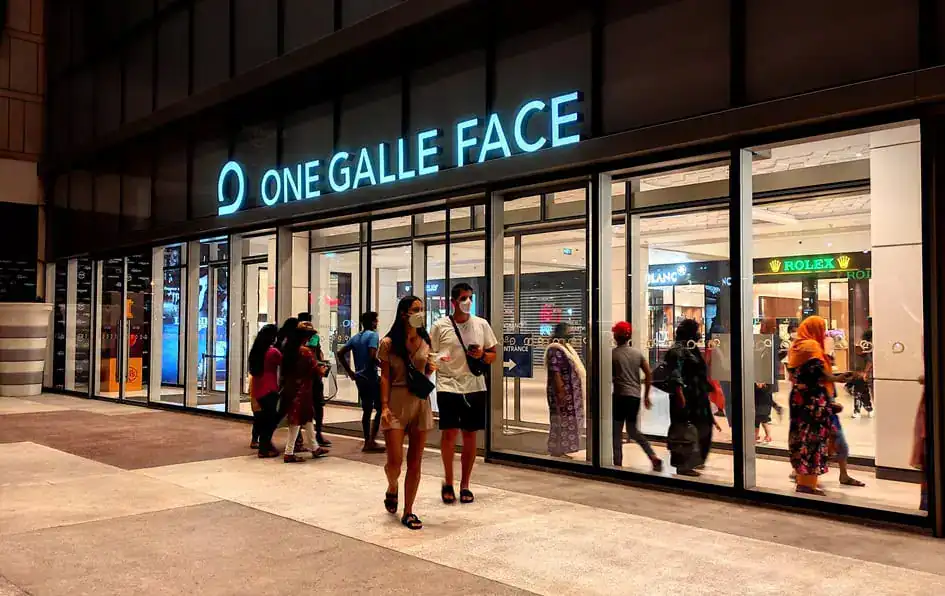
One Galle Face Shopping Mall, Colombo (Photo: TheSriLankaLK, CC BY-SA 4.0)
Most international visitors begin or end their journey in Colombo. As the country’s commercial capital, Colombo offers the widest range of shopping experiences in Sri Lanka. Modern malls, luxury boutiques, traditional markets, artisan stores, and speciality shops exist within a relatively small area. This combination makes Shopping in Colombo an essential part of many travel itineraries.
Some travellers spend a few hours shopping before their flight home. Others dedicate an entire day to exploring different parts of the city. Both approaches work because Colombo offers something for every budget and interest.
Why Colombo Is Sri Lanka’s Shopping Capital
Colombo serves as the economic heart of Sri Lanka. Many local and international brands operate here. The city also acts as a gateway for products from every region of the island.
A visitor can purchase gemstones from Ratnapura, tea from Nuwara Eliya, spices from Matale, batik from artisan workshops, and designer clothing from local fashion brands without leaving the city.
This convenience makes Colombo one of the best places to begin your shopping journey.
Modern Shopping Malls in Colombo
Modern malls attract travellers who prefer comfortable shopping environments, fixed prices, restaurants, and entertainment options.
One Galle Face Mall
Located beside the ocean, One Galle Face Mall has become one of the most popular retail destinations in Sri Lanka. Visitors find fashion stores, lifestyle brands, restaurants, cafes, entertainment venues, and souvenir outlets under one roof.
The mall appeals to families, luxury travellers, and visitors seeking a relaxed shopping experience. Many tourists combine shopping with a walk along the waterfront.
Colombo City Centre
Colombo City Centre offers another modern retail experience. Fashion stores, technology outlets, beauty brands, restaurants, and entertainment facilities attract both locals and visitors.
Its central location makes it easy to include in a day of sightseeing and shopping.
Marino Mall
Marino Mall offers a quieter atmosphere than larger shopping centres. Visitors often appreciate the relaxed pace and convenient location.
Many travellers stop here while exploring Colombo’s coastal districts.
Pettah Market: Colombo’s Most Authentic Shopping Experience
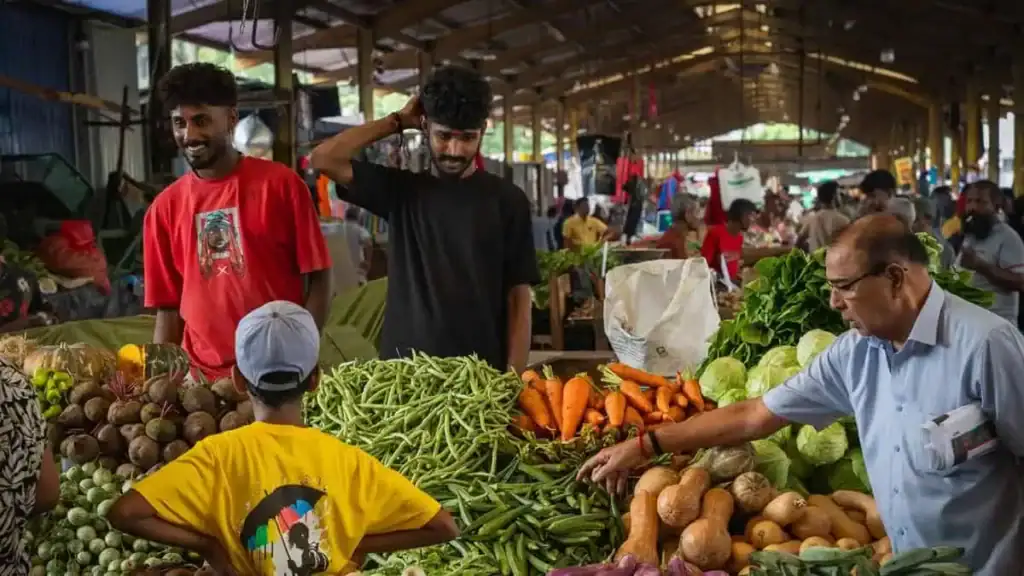
Pettah Market (Photo by Thilina Alagiyawanna, via Pexels)
No guide to Shopping in Colombo is complete without Pettah Market.
Pettah is in the city’s historic commercial district. Narrow streets overflow with traders, customers, delivery vehicles, and market stalls. The energy feels intense, colourful, and authentic.
Unlike shopping malls, Pettah offers a glimpse into everyday life in Sri Lanka. Residents shop here alongside business owners and visitors.
As visitors move through the busy streets, they encounter a huge range of products, including spices, textiles, clothing, jewellery, electronics, household goods, and local street food.
Many visitors enjoy the atmosphere as much as the products. The sounds, colours, and constant activity create a memorable experience.
Bargaining forms part of the shopping culture in many sections of Pettah. Polite negotiation often leads to better prices while creating friendly interactions with vendors.
Visitors should remain aware of their belongings due to the crowds. Comfortable clothing and walking shoes also help because exploring Pettah involves plenty of movement.
For travellers seeking authentic local experiences, Pettah remains one of the most rewarding shopping destinations in Sri Lanka.
Good Market Colombo
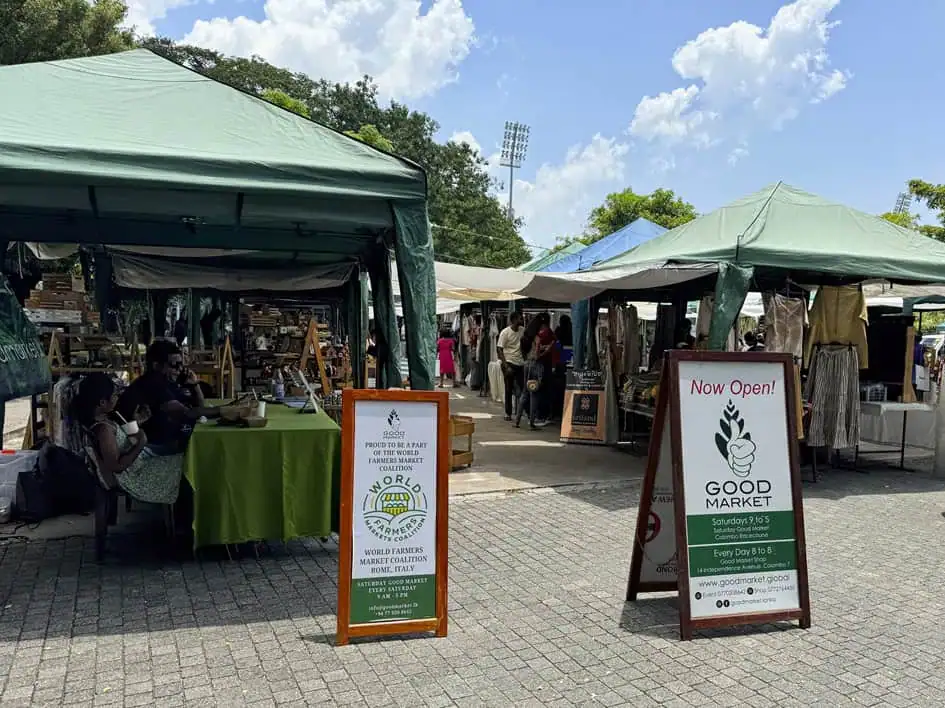
Good Market – Colombo (Photo: Bex Walton, CC BY 2.0)
Consumer preferences continue to change worldwide. More travellers now look for sustainable products and ethical businesses.
Good Market Colombo responds to this demand by bringing together vendors who focus on sustainability, social responsibility, and local production.
Visitors find organic foods, natural skincare products, handcrafted goods, eco-friendly products, and locally produced items.
Many shoppers appreciate the opportunity to support small businesses and community enterprises while purchasing meaningful souvenirs.
Shopping Beyond Colombo: Regional Experiences Worth Travelling For
Although Colombo offers a tremendous variety, some of the most rewarding shopping experiences take place elsewhere on the island.
Each region specialises in different products and traditions. Exploring these destinations allows travellers to connect more deeply with local culture.
Kandy
Kandy occupies a special place in Sri Lanka’s cultural heritage. As the last royal capital of the island, the city attracts visitors interested in history, religion, and traditional arts.
Shopping in Kandy often focuses on handicrafts, cultural souvenirs, jewellery, and gemstones.
Several craft stores sell products inspired by Kandyan traditions. Visitors also find decorative items, paintings, textiles, and locally made gifts.
The city’s cultural atmosphere enhances the shopping experience. Purchases feel connected to the region’s rich heritage.
Galle
Galle combines history, architecture, and boutique shopping.
Many visitors spend time exploring the streets within the historic Galle Fort. Boutique stores occupy beautifully restored colonial buildings. These shops offer clothing, artwork, jewellery, home décor, books, and handcrafted products.
Unlike large shopping centres, Galle focuses on quality, design, and individuality.
Travellers often purchase items they struggle to find elsewhere in Sri Lanka.
The combination of shopping, history, and ocean views creates one of the most enjoyable retail experiences on the island.
The Galle Dutch Hospital Shopping Complex (Photo: Mahinda Rajapaksa, CC BY-NC 2.0)
Ella
Ella attracts visitors with scenic landscapes, hiking trails, tea plantations, and relaxed surroundings.
The town’s shopping scene reflects its character. Small boutiques, artisan stores, and tea shops dominate the landscape.
Many travellers purchase locally produced tea, handmade gifts, clothing, and artwork.
Shopping in Ella feels slower and more personal. Store owners often interact directly with customers and share stories about their products.
Ratnapura
Ratnapura remains the country’s gemstone capital.
Travellers interested in gems often include the city in their itinerary specifically for gemstone shopping.
Many visitors combine shopping with educational experiences. Local guides explain mining techniques, gemstone processing, and the industry’s history.
Purchasing gemstones in Ratnapura offers a deeper understanding of Sri Lanka’s long-standing reputation as a global source of precious stones.
Ambalangoda
Ambalangoda remains the centre of traditional mask-making in Sri Lanka.
Visitors often tour workshops where artisans hand-carve and paint masks. Watching the production process helps travellers appreciate the skill required to create each piece.
Purchasing directly from artisans supports local communities while preserving traditional knowledge.
For many visitors, a handcrafted mask becomes the most memorable souvenir from Sri Lanka.
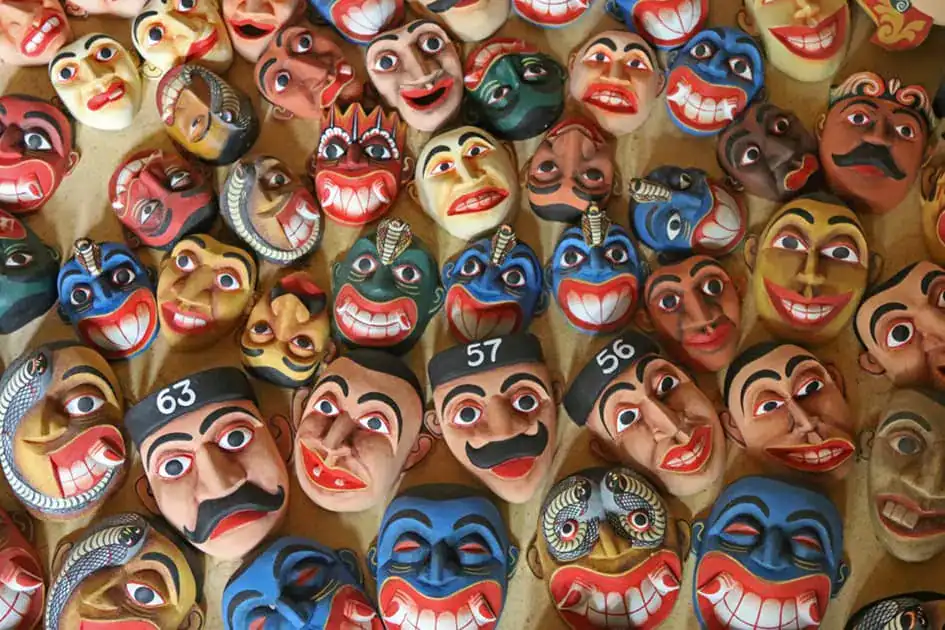
Wooden Faces and Masks in Ambalangoda (Photo: Denish C, CC BY-NC-ND 2.0)
Authentic Souvenir from Sri Lanka: What Should You Choose?
Choosing the right souvenir depends on your interests and travel style.
Food lovers often select tea and spices. These products bring Sri Lankan flavours into everyday life long after the trip ends.
Art enthusiasts frequently choose masks, paintings, handloom products, and batik textiles. These items showcase local creativity and cultural traditions.
Luxury travellers often invest in certified gemstones and jewellery. Such purchases combine beauty, craftsmanship, and lasting value.
Wellness-focused visitors prefer Ayurvedic products, herbal oils, and natural skincare items.
Environmentally conscious travellers increasingly choose products made by community enterprises, ethical businesses, and sustainable producers.
The best souvenir from Sri Lanka is often the one that reflects your personal connection with the island.
Practical Shopping Tips for Foreign Travellers
A successful shopping experience depends on preparation and awareness.
Understanding local practices helps travellers make informed decisions and avoid common mistakes.
How to Shop Smart in Sri Lanka
Most major retailers accept international credit and debit cards. Smaller shops and local markets often prefer cash.
Keeping a mix of payment options provides flexibility.
Foreign currency exchange services operate throughout tourist areas, airports, and commercial centres. Exchanging money through authorised providers helps ensure fair rates.
Travellers purchasing fragile items should request secure packaging. Many shops provide protective wrapping for ceramics, masks, and decorative products.
Gemstone buyers should request certification documents and receipts. These documents help authenticate the gems and simplify customs procedures when returning home.
Checking airline baggage rules before making large purchases prevents unnecessary complications at the airport.
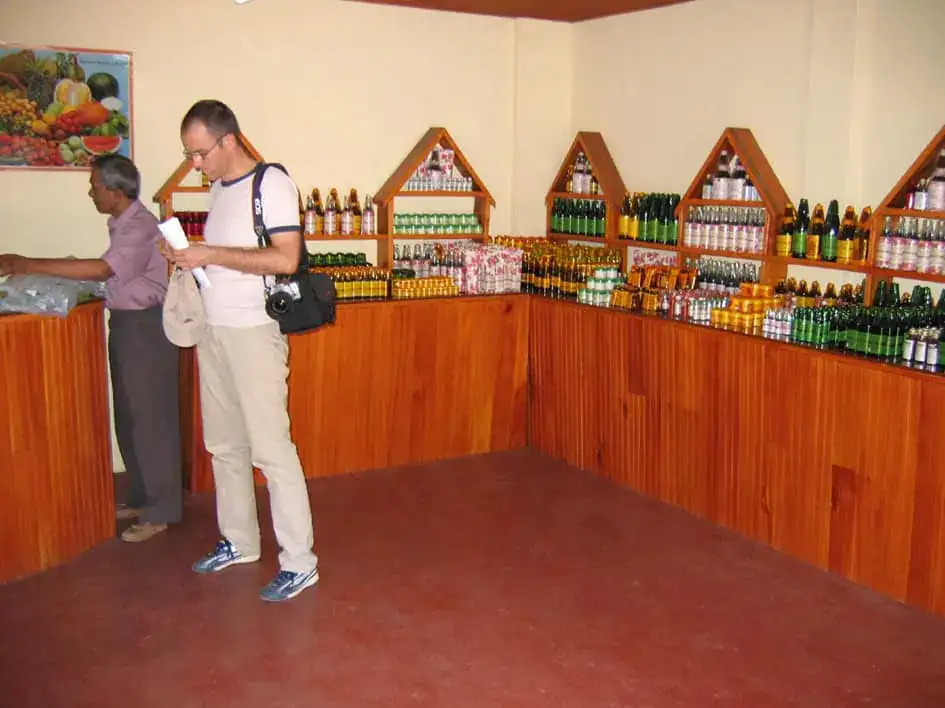
Shopping for Spices in Sri Lanka (Photo: Petr Kosina, CC BY-NC 2.0)
How to Avoid Tourist Traps
Tourist-oriented shops exist in many destinations around the world, and Sri Lanka is no exception.
Travellers benefit from comparing prices before making expensive purchases.
Reading recent reviews helps identify reputable businesses. Recommendations from hotels, guides, and experienced travellers often prove useful.
Authorised tourist shops offer additional confidence when purchasing gemstones, jewellery, handicrafts, batik products, and souvenirs.
Trusting your instincts remains important. If a deal seems suspicious, walking away often represents the best decision.
The Future of Shopping in Sri Lanka
The shopping sector continues to evolve alongside changing traveller preferences.
Several trends are shaping the future of shopping in Sri Lanka.
Sustainable and Ethical Tourism
Modern travellers increasingly consider the impact of their purchases.
Many visitors prefer products that support local communities, protect traditional skills, and promote responsible production methods.
Businesses across Sri Lanka have responded by offering more ethical and environmentally responsible products.
This shift benefits both travellers and local producers.
We recommend reading about sustainable and responsible travel in Sri Lanka.
Experiential Shopping
Many tourists now seek experiences rather than simple transactions.
Tea factory tours, batik workshops, craft demonstrations, cooking experiences, and gemstone-related activities continue to grow in popularity.
These experiences create stronger memories than traditional shopping alone.
Visitors leave with both a product and a story connected to its creation.
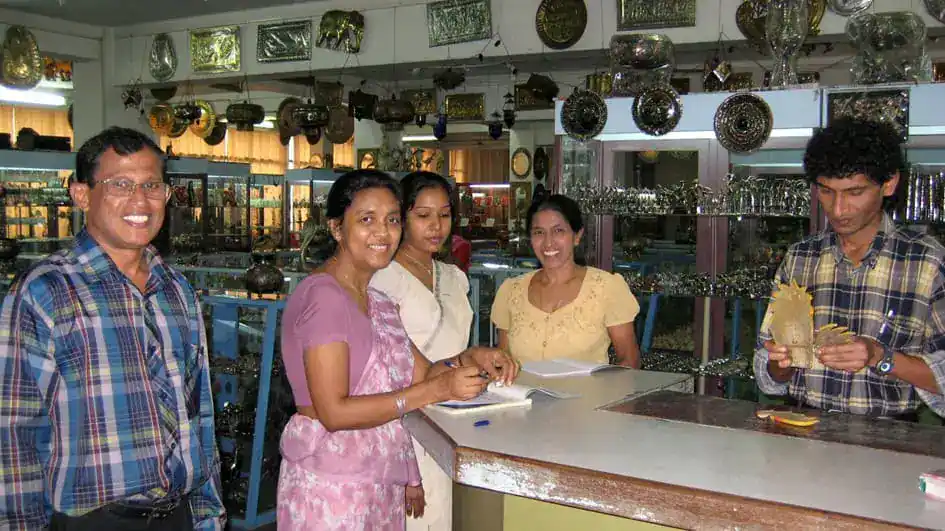
An Art & Craft Shop in Kandy (Photo: Towle N, CC BY 2.0)
Rise of Sri Lankan Designer Brands
Local designers continue to gain international attention.
Fashion, jewellery, home décor, and lifestyle products inspired by Sri Lankan culture attract growing interest from global audiences.
Travellers increasingly seek locally designed products for their originality and authenticity.
Wellness Tourism and Ayurvedic Products
Global interest in wellness continues to expand.
Sri Lanka’s Ayurvedic heritage positions the country well within this growing market.
Demand for herbal products, natural skincare, wellness treatments, and health-focused souvenirs continues to increase among international visitors.
Shopping in Sri Lanka: Frequently Asked Questions
Is shopping in Sri Lanka expensive?
Sri Lanka offers options for almost every budget. Local markets offer affordable products, while luxury boutiques and gemstone stores cater to higher spenders.
What is the best souvenir from Sri Lanka?
Ceylon tea, spices, gemstones, batik products, wooden masks, and Ayurvedic products rank among the most popular souvenirs.
Can tourists bargain in Sri Lanka?
Bargaining is common in some markets and independent shops. It is less common in shopping malls, department stores, and fixed-price retailers.
Is it safe to buy gemstones in Sri Lanka?
Yes. Travellers should purchase from reputable dealers and request certification for valuable gemstones.
Where is the best shopping in Colombo?
Many visitors combine modern malls such as One Galle Face Mall and Colombo City Centre with traditional experiences at Pettah Market.
What should I buy before leaving Sri Lanka?
Tea, spices, batik products, handicrafts, Ayurvedic products, and certified gemstones remain popular last-minute purchases.
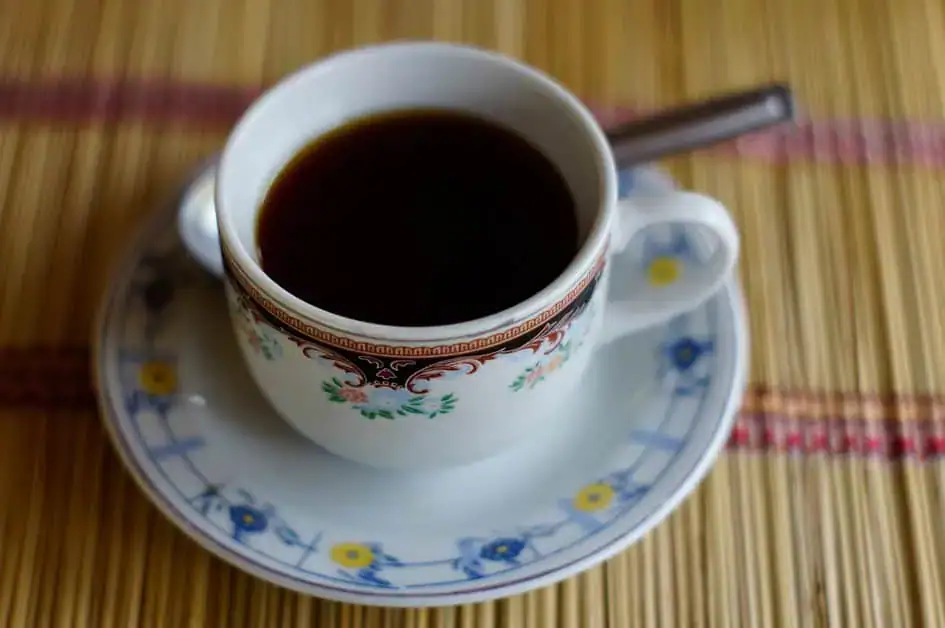
Shopping in Sri Lanka is not complete without Ceylon Tea (Photo: Jose Hernandez, CC BY-NC-SA 2.0)
If you are planning a first-time visit to Sri Lanka, we recommend reading our ultimate Sri Lanka travel guide.
Final Thoughts
Shopping in Sri Lanka offers far more than a chance to fill your suitcase. It provides a meaningful connection to the island’s culture, history, traditions, and people. Every purchase tells a story. A packet of tea reflects generations of expertise in the hill country. A handcrafted mask represents centuries of artistic tradition. A gemstone connects you to one of the world’s oldest gem-producing regions.
The best things to buy in Sri Lanka are often the products that carry a sense of place. Whether you choose premium Ceylon tea, colourful batik, certified sapphires, fragrant spices, or handcrafted souvenirs, your purchases become reminders of experiences shared across the island.
From the modern malls of Colombo to the bustling streets of Pettah, from artisan workshops in Ambalangoda to boutique stores in Galle Fort, the country offers shopping experiences for every type of traveller.
As you plan your journey, leave room in your itinerary for exploration beyond the beaches, wildlife parks, and ancient cities. Some of the most memorable moments happen while speaking with artisans, tasting tea at a plantation, browsing local markets, or selecting the perfect souvenir from Sri Lanka.
Shopping in Sri Lanka is not simply about what you take home. It is about understanding the people, traditions, and stories behind every purchase.
Map – Where to Shop in Sri Lanka
Sources and References:
- Sri Lanka Tourism Development Authority (SLTDA). Tourism Research and Statistics.
- Sri Lanka Tourism Development Authority (SLTDA). Monthly Tourist Arrivals Reports.
- Sri Lanka Tourism. Tourist Shops in Sri Lanka.
- Sri Lanka Tourism. Official Sri Lanka Tourism Website.
- Sri Lanka Tea Board. Official Website.
- Sri Lanka Tea Board. Pure Ceylon Tea.
- Sri Lanka Tea Board. Lion Logo, Symbol of Quality.
- Sri Lanka Tea Board. Official Ceylon Tea Portal.
- National Gem and Jewellery Authority of Sri Lanka (NGJA). Official Website, National Gem and Jewellery Authority of Sri Lanka. Gem Identification and Certification Services.
- Department of Export Agriculture, Sri Lanka. Spice Sector Information.
- Export Development Board of Sri Lanka (EDB). Sri Lankan Spices Industry Overview.
- Laksala, State-Owned Handicrafts Retail Network. Official Website.
- Good Market Sri Lanka. Official Website.
- One Galle Face Mall. Official Website.
- Colombo City Centre. Official Website.
- Marino Mall. Official Website.
- UNESCO World Heritage Centre. Old Town of Galle and Its Fortifications.
- Central Bank of Sri Lanka. Annual Reports and Economic Statistics.
- Ministry of Industries, Sri Lanka. Handicrafts Sector Information.
- Reuters. “Sri Lanka targets 3 million tourists to aid recovery.” Published 5 January 2026.
- Sri Lanka Export Development Board. National Export Strategy and Product Sector Reports.
- Sri Lanka Ayurveda Department. Official Website.
- Department of Census and Statistics, Sri Lanka. Official Publications and Statistical Reports.
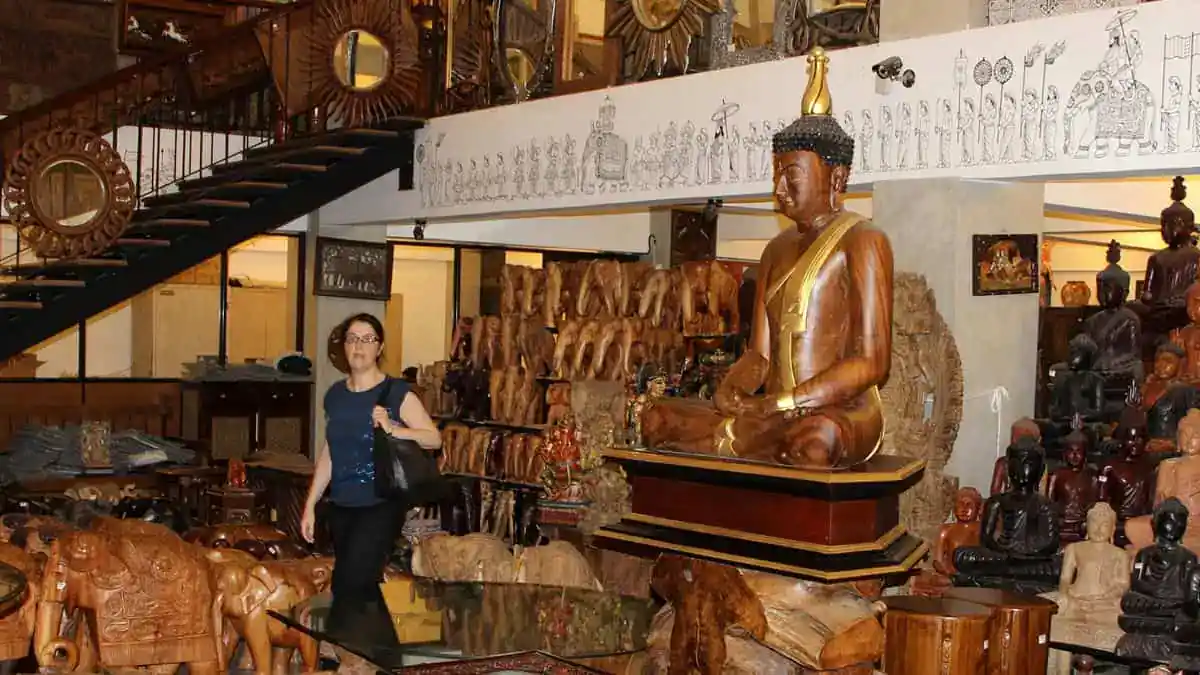
Featured image: Shopping in Sri Lanka – A Craft Market in Kandy (Photo: Trevor Claringbold, CC BY-NC 2.0)

I am a Sri Lankan medical doctor who spends my free time travelling, exploring new destinations, and documenting the beauty of the island I call home. I have journeyed across almost every corner of Sri Lanka with my wife and daughter — from wildlife parks and misty mountains to ancient cities, deep forests, rugged landscapes, and quiet beaches.
Travel is not just a hobby for me — it’s a way of life. I love nature, enjoy road trips, and find joy in wildlife photography. I also read widely about tourism, travel trends, and destination culture. Through my writing, I aim to help travellers experience Sri Lanka through real stories, meaningful insights, and honest recommendations — the same way I explore it with my own family.