
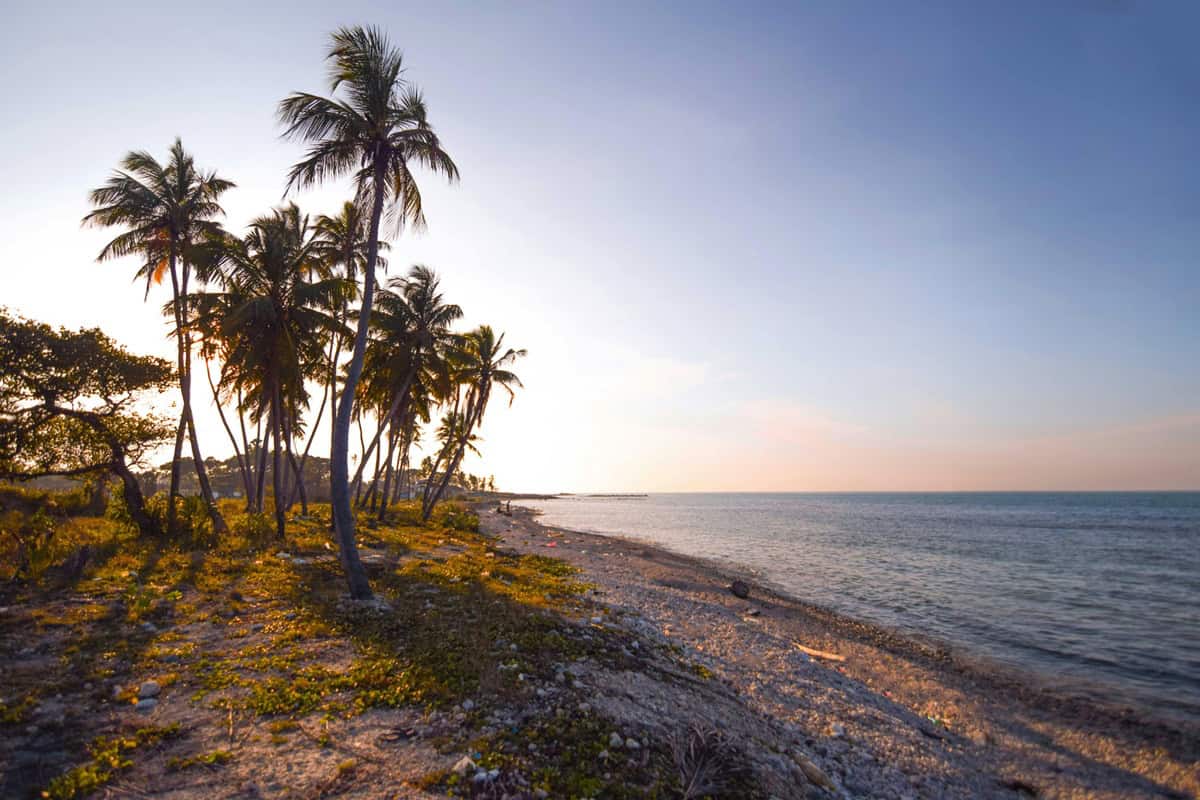

The best Beaches in Sri Lanka reward brilliant timing and simple planning—soft sand. Warm water. Short transfers. Clear seasonal windows. This guide covers ten proven spots. You learn where they are, when to go, how to get there, and what to do on arrival. Use it to build a route that fits your dates, budget, and pace.
How to Plan Your Route Across the Best Beaches in Sri Lanka
Choose your months first. December to March suits the west and south coasts. May to September suits the east and parts of the north. Suppose your trip spans both windows, split time between coasts. Add the Hill Country for cooler air and views. Keep transfer days short—trains and the Southern Expressway speed up the west and south. The east needs a longer road leg. Book near the water if beach time is your priority. Book inland if you want quiet nights and easy parking.
Read more about the best time to visit Sri Lanka.
1. Unawatuna Beach
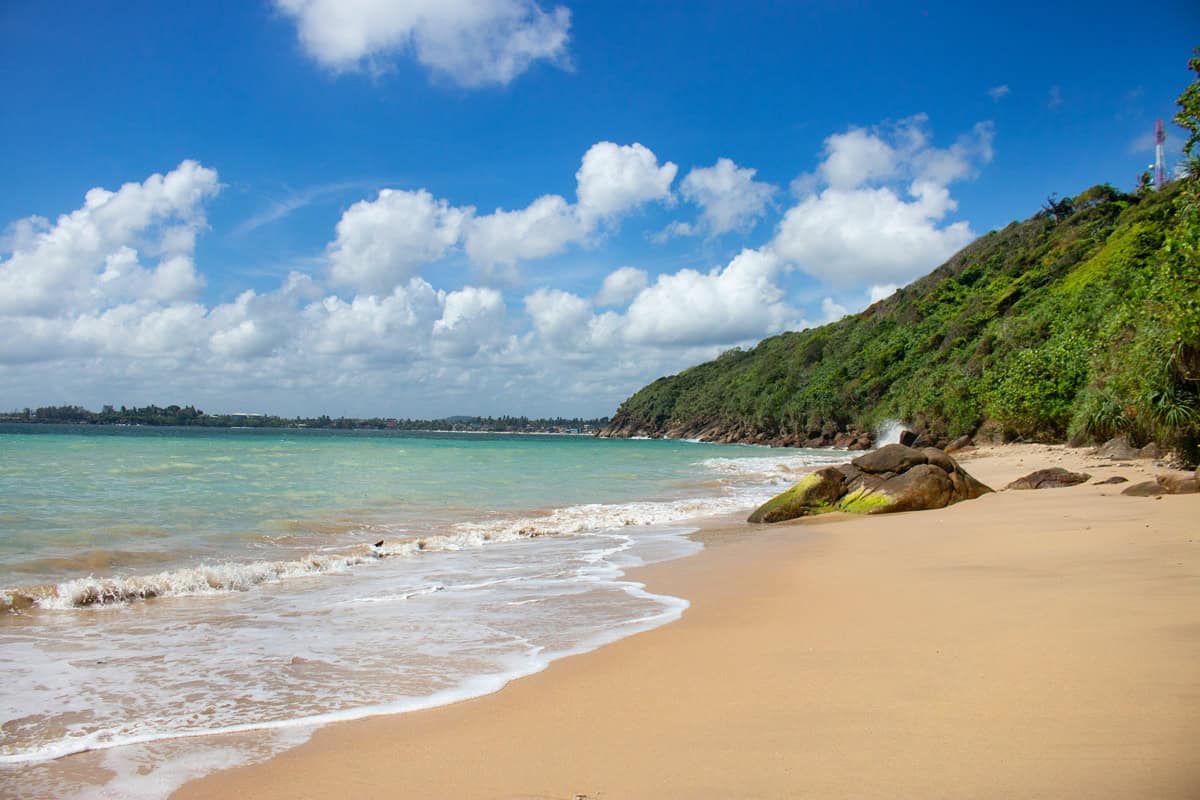
Unawatuna Beach (Photo: Chathura Anuradha Subasinghe)
Location
Unawatuna is situated in the Galle District on the south coast. The bay lies a few kilometres southeast of Galle Fort. Colombo to Unawatuna is about 125 kilometres by road.
Best Time to Visit and Why
December to March brings calmer seas and bright mornings. April stays warm with short showers. From May to September, the coast sees stronger winds and rougher surf. Unawatuna in Sri Lanka works best from December to March.
How to Get There
Take the Southern Expressway from Colombo to Galle, then a short tuk-tuk ride to the bay. The coastal train runs from Colombo to Galle with scenic views. From Galle station, you reach the beach in minutes by tuk-tuk or bus.
Why is It Special
A sheltered horseshoe bay with easy swimming in season. Snorkelling near the rocks. Cafes and small hotels close to the sand. Galle Fort is nearby for evening walks.
Unawatuna frequently appears on the south coast shortlists. Reviews praise calm morning swims, quick access to Galle Fort, and a variety of food options. Scores rise in peak months and dip when seas turn rough.
Popular Activities
Swim early. Snorkel along the headlands on clear days. Visit Galle Fort at sunset. Take a short boat ride on Koggala Lake. Add Jungle Beach and Rumassala hikes.
Must Do and Do Not Miss
Walk the cliff path to Jungle Beach. Eat fresh seafood at a beach cafe. Watch the sunset from the fort walls. Avoid long swims on red flag days. Follow the lifeguard’s advice.
Conditions and Highlights
Mornings stay calm in peak season. A sea breeze builds after lunch. Out of season, the shore break grows and rips form. Water clarity drops after heavy rain. Weekends are busier in December and January.
Book a room inside the bay for quieter nights. Ask local crews about safe snorkelling entry points. Use reef-safe sunscreen. Carry small cash for tuk-tuks. Check the flags before swimming and follow the directions on the beach.
Read The Ultimate Traveller’s Guide to Unawatuna Beach.
2. Bentota Beach
Location
Bentota Beach is situated on the southwest coast of the Kalutara District. The beach spans both sides of the mouth of the Bentota River. Colombo to Bentota is about 80 kilometres by road.
Best Time to Visit and Why
December to March brings more sun and smaller waves. Lagoon and river trips run smoothly in this window. April is hot with brief showers. From May to September, the winds strengthen and the seas become rougher.
How to Get There
Take the coastal train from Colombo to Bentota or Aluthgama. The Southern Expressway also links Colombo by road. Tuk-tuks cover the last leg to most hotels.
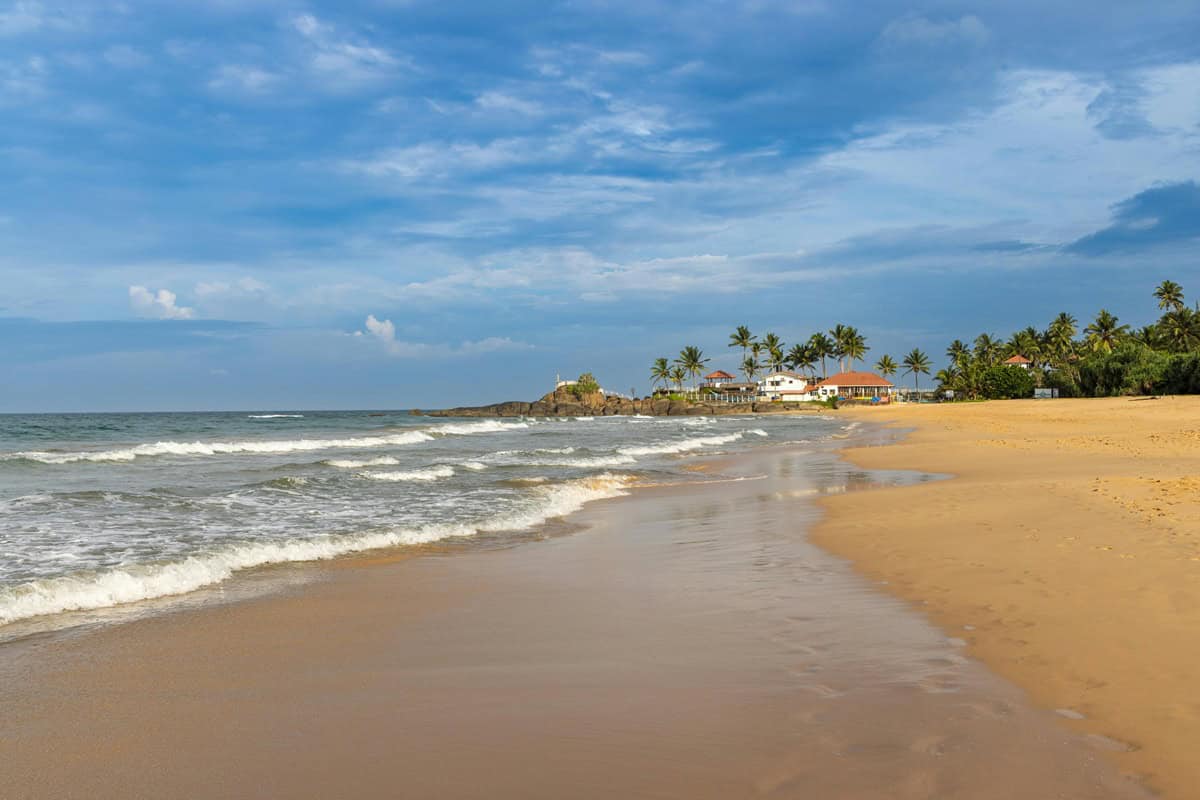
Bentota Beach (Photo: Mohan Nannapaneni)
Why is It Special
A broad curve of sand for long walks. A calm lagoon and a mangrove river for boat tours. Resorts with direct beach access. Families like the flat beach—couples like sunsets and easy dining.
Bentota Beach ranks well in visitor polls for first-time trips from India and China. Reviews note clean beachfronts, solid service, and good pool access. Jellyfish appear during hot spells, so check recent reports.
Popular Activities
Swim in the morning. Walk at low tide. Take a boat through the mangroves. Try a jet ski in the lagoon. Visit Kosgoda Turtle Care. Ride the train to Hikkaduwa for a snorkel day when the seas are calm.
Must Do and Do Not Miss
Take a sunrise walk. Book a river safari with a licensed guide. Try fresh river prawns. Avoid tours that disturb wildlife. Skip ocean swims on red flag days.
Conditions and Highlights
Seas are gentle on many mornings during the peak season. Wind lifts after lunch. Out of season, the shore break grows and currents shift. The lagoon remains usable even when the ocean becomes rough.
Travel Tips
Pick a hotel with lifeguards. Ask for daily sea reports. Carry small notes for trains and tuk-tuks. Use the expressway for fast airport runs.
Read The Ultimate Traveller’s Guide to Bentota Beach.
3. Mirissa Beach
Location
Mirissa Beach is situated in the Matara District on the south coast—the bay curves around a small headland with a popular viewpoint.
Best Time to Visit and Why
December to March brings bright mornings, light wind, and smaller surf. Whale trips run from approximately December to April, with the strongest schedules occurring early in the year. April stays warm with brief showers. From May to September, the winds rise and the seas become rougher. Mirissa Beach is best suited for the period from December to March.
How to Get There
Drive the Southern Expressway from Colombo to Matara, then follow the coast road to Mirissa. Trains run to Weligama or Matara. Tuk-tuks handle the final stretch.
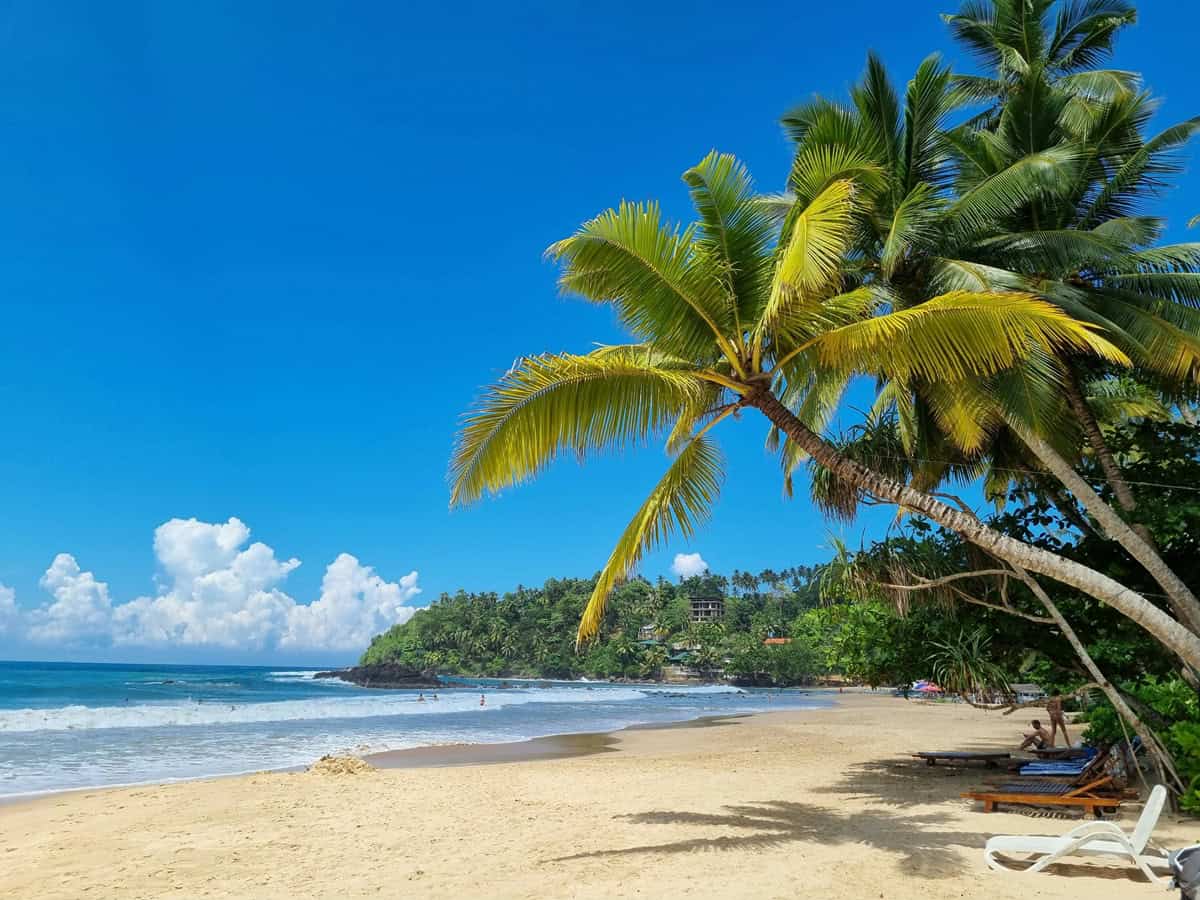
Mirissa Beach (Photo: Tatiana Kachanovetskaia)
Why is It Special
A compact bay with shelter in season. A viewpoint for sunrise or sunset. A lively strip with small hotels and cafes. Whale trips launch from nearby ports. Weligama and other bays sit close by.
Mirissa Beach often appears in the South Coast top tens. Reviews highlight the viewpoint, early swims, and whale access. Nightlife stays moderate compared to larger hubs.
Popular Activities
Swim early. Walk to the viewpoint at first light. Book a responsible whale trip with a licensed operator. Try a bodyboard on small days. Eat seafood at beach shacks.
Must Do and Do Not Miss
Catch sunrise from the headland. Swim when flags are green. Spend half a day in Weligama for your first surf lesson. Skip boat trips when the forecast is rough. Select operators who provide safety briefings and offer lifejackets.
Conditions and Highlights
Mornings stay calm in season. Afternoons get breezy. Out of season, the shore break grows. Rain affects water clarity. Evenings suit easy walks.
Travel Tips
Stay within walking distance of the headland. Ask for an early breakfast for sunrise starts. Use reef-safe sunscreen. Bring footwear for rocky patches.
Read The Ultimate Traveller’s Guide to Mirissa Beach.
4. Hikkaduwa Beach
Location
Hikkaduwa is situated on the southwest coast of the Galle District. The beach runs beside the main coastal road. Colombo to Hikkaduwa is about 100 kilometres by road or rail.
Best Time to Visit and Why
December to March brings clearer seas and smaller waves near the reefs. Snorkelling improves in this window. April stays warm. From May to September, winds strengthen and rain increases.
How to Get There
Take the coastal train from Colombo. Buses run often. The expressway links Colombo to Galle; a short road transfer then follows.
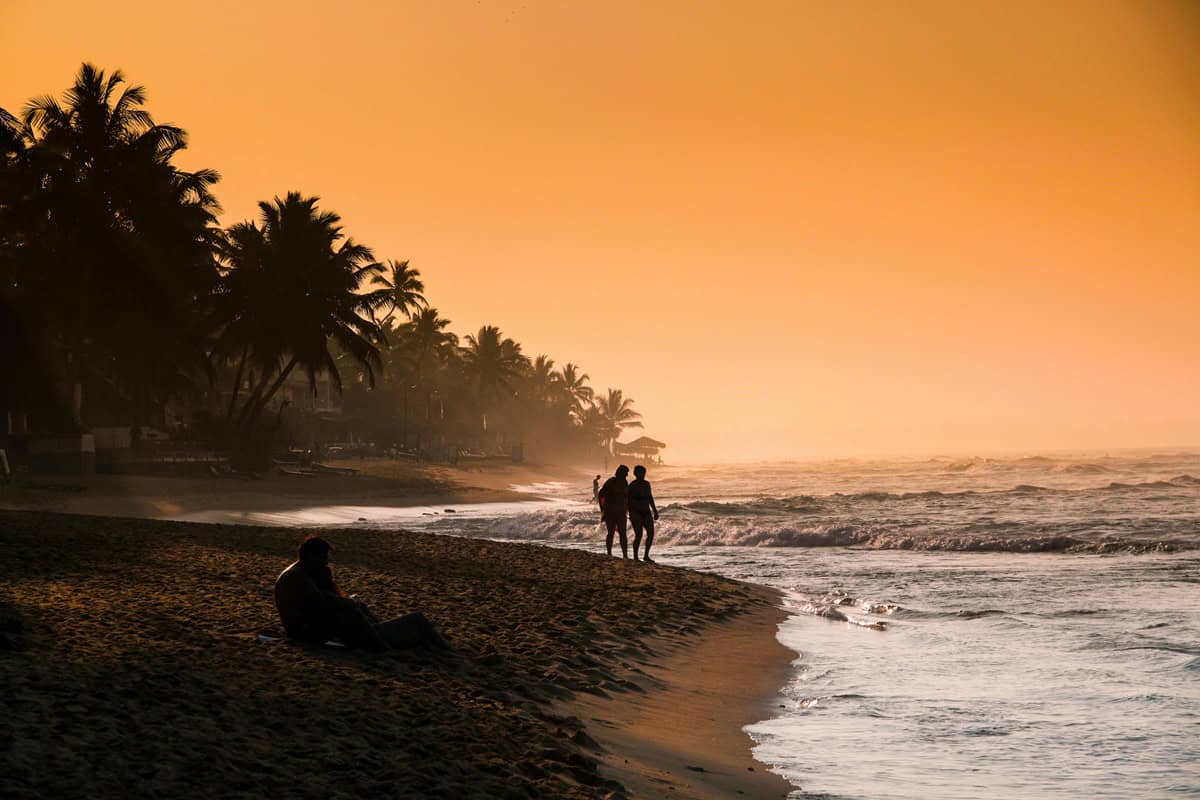
Hikkaduwa Beach (Photo: Dinusha Hemal Fernando)
Why is It Special
A near-shore reef with marked snorkelling areas. Turtle sightings on calm mornings. A long strip of cafes, rentals, and budget stays—a lively scene for families and backpackers.
Hikkaduwa appears in many lists for easy snorkelling in Sri Lanka. Reviews note the house reef and turtles during calm spells. Responsible behaviour keeps the reef healthy.
Popular Activities
Snorkel near marked zones with a guide. Swim in flagged areas. Rent a board on small days. Visit the Seenigama Temple on the small island. Explore Galle Fort for half a day.
Must Do and Do Not Miss
Snorkel early on a clear morning. Get a reef briefing from a local guide. Take a sunset swim when flags are green. Do not feed turtles. Avoid operators who touch wildlife.
Conditions and Highlights
Water clarity shifts after rain. Morning is best for snorkelling. Rips form on rough days. Traffic runs close to the beach in town, so choose a quiet lane for sleep.
Travel Tips
Please bring your own mask for a proper fit and hygiene. Ask lifeguards about safe entry points each day. Reserve train seats for weekends.
If you are planning your visit to Hikkaduwa, take a look at the guide to Hikkaduwa – Sri Lanka’s Energetic Coastal Escape.
5. Negombo Beach
Location
Negombo lies north of Colombo near the Bandaranaike International Airport. The beach runs beside Lewis Place and the hotel strip.
Best Time to Visit and Why
December to March brings more sun and lighter wind. The sea is calmer on many mornings. February is often the driest month on the West Coast. April stays warm. From May to September, the winds strengthen and the seas become rough.
How to Get There
The airport is close. Taxis reach the beach in under an hour in most traffic. Trains and buses run from Colombo Fort to Negombo town. Tuk-tuks cover the last leg.
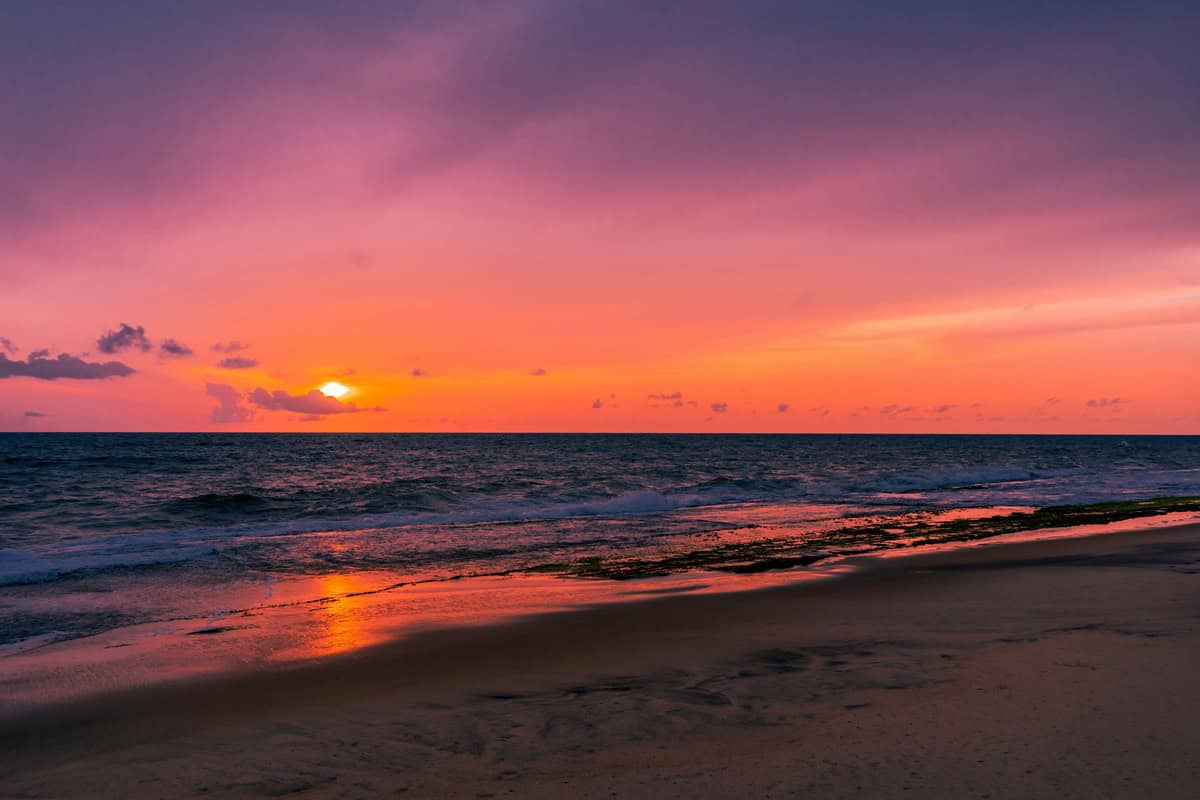
Negombo Beach (Photo: Nisal Rajapakshe)
Why is It Special
Fast access on arrival or before departure. Wide sand for long walks. Hotels across budgets. Lagoon trips and fish markets add local colour—a strong base for your first night in Sri Lanka.
Negombo rates well for convenience. Reviews praise sunsets, hotel pools, and leisurely walks. Sea conditions change more often than in sheltered bays. Watch daily flags.
Popular Activities
Walk at sunrise and sunset. Visit the fish market in the morning. Book a lagoon ride—cycle along canal lanes. Try seafood on the strip.
Must Do and Do Not Miss
Take a sunset walk. Join a short lagoon tour with a licensed guide. Visit the Dutch canal and church area in the morning. Avoid ocean swims on red flag days. Use hotel pools when seas turn rough.
Conditions and Highlights
A long open beach with afternoon wind. Out of season, the shore break grows heavy. The lagoon remains calm for short trips.
Travel Tips
Use Negombo for your first or last night to cut transfers. Check for lifeguards on your hotel stretch. Carry small cash for tuk-tuks. Choose rooms away from the main road for quiet sleep.
Read Negombo Beach: A Complete Traveller’s Guide to Sri Lanka’s Gateway Coast.
6. Weligama Beach
Location
Weligama sits on the south coast, east of Galle and west of Mirissa. The bay is broad with a gentle slope.
Best Time to Visit and Why
December to March brings small, tidy waves near shore. Suitable for beginners and families. April stays warm with light shifts. From May to September, the winds rise and the seas become rough.
How to Get There
Trains run from Colombo and Galle to Weligama. The Southern Expressway links Colombo to Matara, then a short road leg to the bay. Tuk-tuks connect Mirissa, Midigama, and Weligama throughout the day.
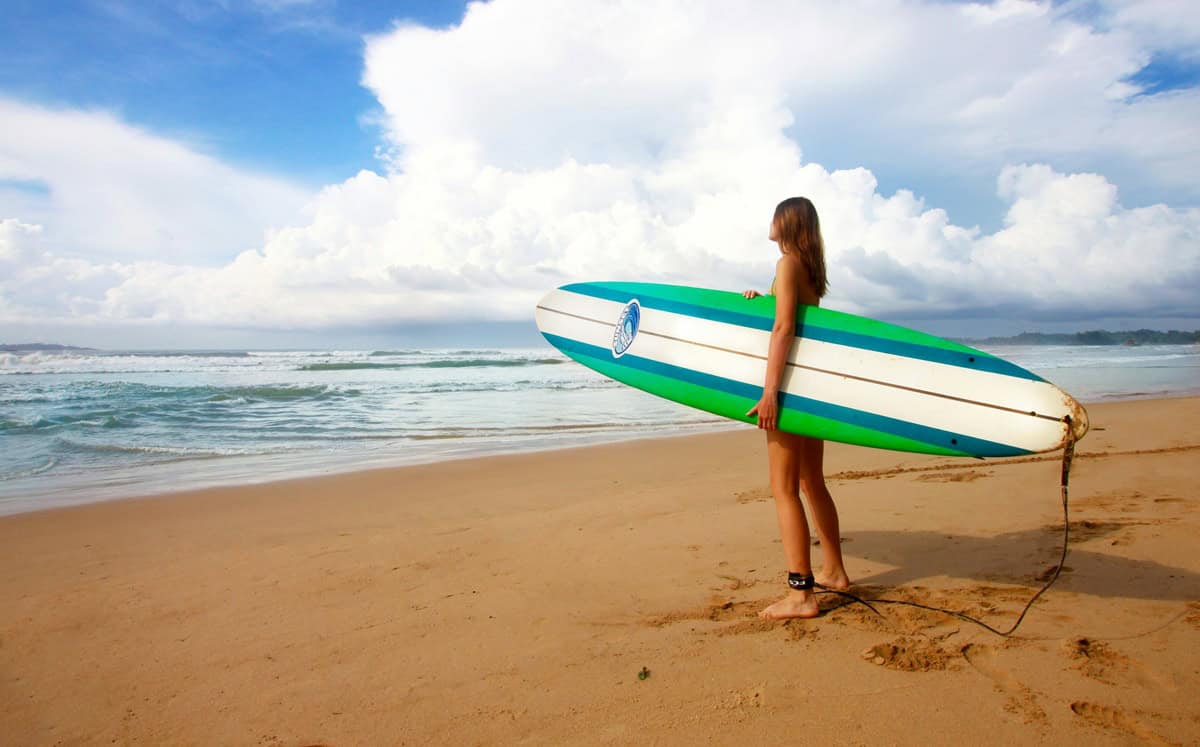
Weligama Beach (Photo: Filipp Nekhaev)
Why is It Special
One of the best places to learn to surf in Sri Lanka. Sandy bottom and gentle takeoff zones. Many schools and rentals line the road. Cafes and hostels keep a relaxed pace.
Weligama ranks high in learner surf guides across South Asia. Reviews praise gentle waves and easy access. Families like shallow zones and lifeguards in peak months.
Popular Activities
Book a sunrise surf lesson. Swim in flagged zones. Ride reef waves in Midigama if you are an experienced surfer. Walk to the Taprobane Island viewpoint at low tide.
Must Do and Do Not Miss
Take a sunrise lesson on a small day. Grab roti and tea after your session. Ride to Mirissa for the headland view. Skip reef breaks until a coach shows channels and tides.
Conditions and Highlights
Small waves in peak months. Wind grows after lunch. Out-of-season cross-shore winds and chop cut swim time. Local coaches track tides and pick the best slots.
Travel Tips
Rent boards from schools with insurance and safety gear. Stay on the inland side for quieter nights. Use zinc for sun protection. Drink water between sessions.
Read about Weligama Beach, Everything You Need for a Perfect Beach Holiday.
7. Trincomalee Beach
Location
Trincomalee sits on the northeast coast. Main resort beaches lie around Uppuveli and Nilaveli, north of the town.
Best Time to Visit and Why
May to September brings dry weather and calm seas. Water is clear. Trips to Pigeon Island run well. From October to January, the Northeast Monsoon brings heavy rain and rough seas. Plan this area for May to September.
How to Get There
From Colombo, follow the A6 through Dambulla and Habarana. Allow a full day by road. Trains run via Gal Oya Junction. Limited flights reach China Bay. Transfers from Sigiriya or Dambulla work well.
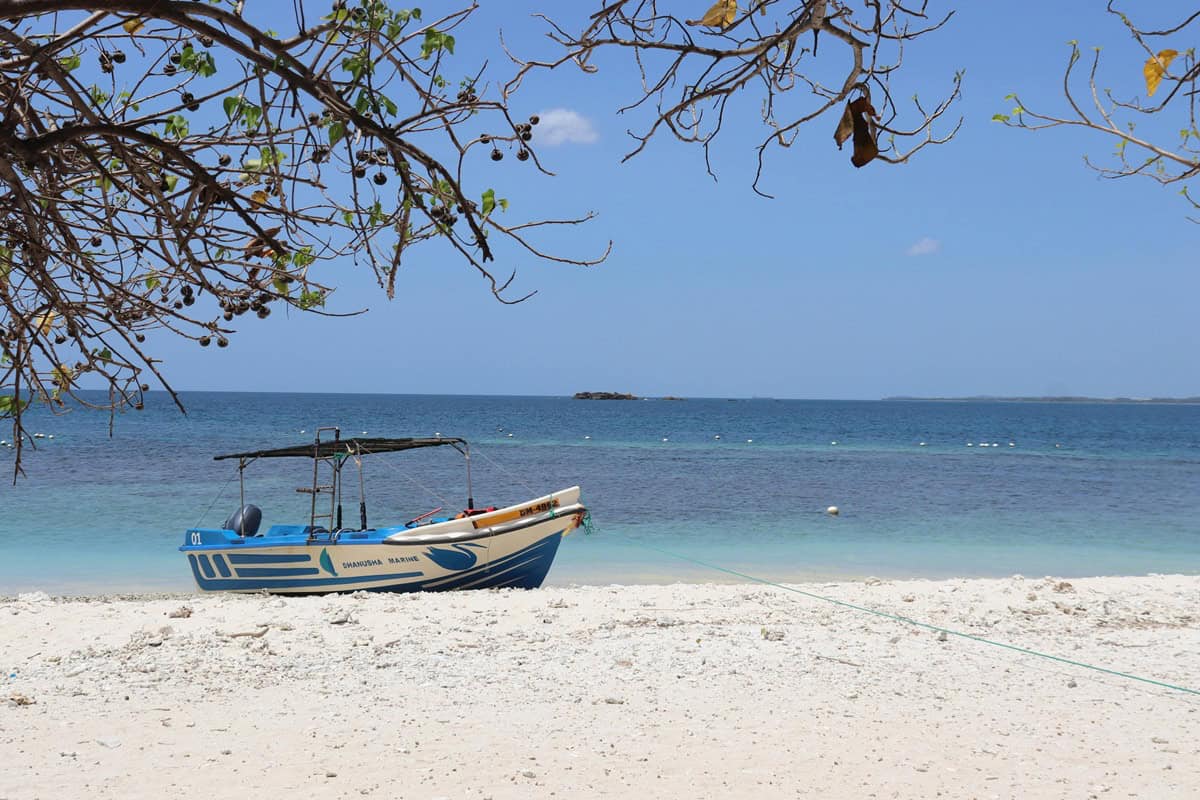
Trincomalee Beach (Photo: H.M.R.B.H.S.Bandara)
Why is It Special
White sand and clear water in season. Easy entry for swimmers. Pigeon Island Marine Park sits offshore with coral reefs and varied marine life, including reef fish. The pace is slower than on the south coast.
Trincomalee often appears on East Coast snorkelling lists. Reviews note clear water in season and family-friendly entries. Visiting a marine park requires tickets and adherence to strict rules.
Popular Activities
Swim early. Snorkel at Pigeon Island with a guide and lifejacket. Book a glass-bottom boat on clear days. Visit Koneswaram Temple and Lovers Leap. Try whale trips early in the east season.
Must Do and Do Not Miss
Visit Pigeon Island on a calm day. Swim early at Nilaveli. Watch the sunset from Swami Rock. Do not stand on coral. Follow marine park rules.
Conditions and Highlights
Mornings are tranquil through much of the season. Wind builds later. Out of season, the sea turns rough and trips pause. Jellyfish appear in some months. Ask locals for current notes.
Travel Tips
Book marine park permits with licensed guides. Wear a rash guard for sun protection. Bring cash for small boats. Stay near the beach to reduce tuk-tuk rides.
8. Arugam Bay Beach
Location
Arugam Bay Beach sits on the southeast coast near Pottuvil. The beach arcs around a point with several breaks.
Best Time to Visit and Why
May to September brings morning offshore winds and steady swell. Main Point suits advanced riders. Baby Point suits learners. From October to January, the Northeast Monsoon brings heavier rain and unreliable surf. Arugam Bay Beach is best in the midyear window.
How to Get There
From Colombo, drive the A2 and A4 via Hambantota and Moneragala. From Ella or the Hill Country, drive past Wellawaya and Moneragala. Allow a full day by road. Private transfers save time over buses.
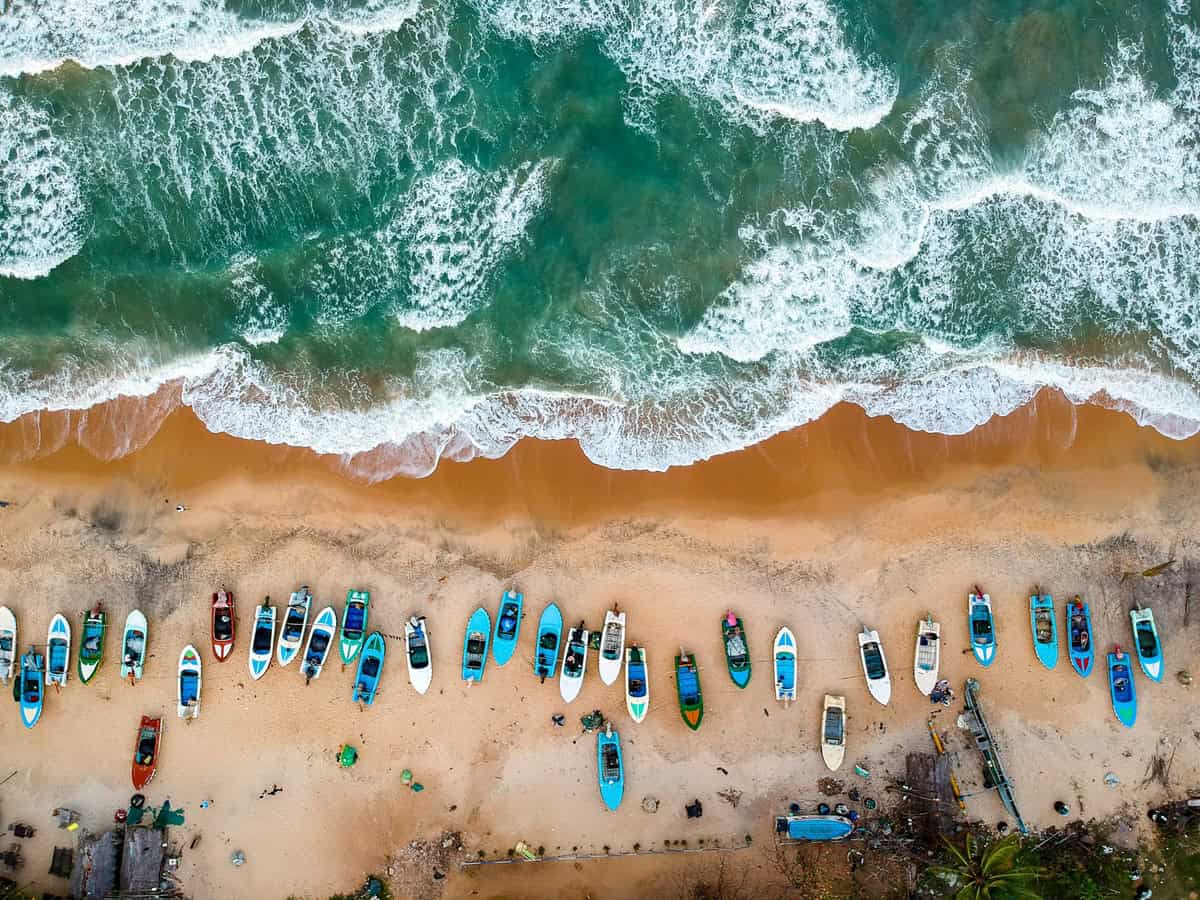
Arugam Bay Beach (Photo: Tomáš Malík)
Why is It Special
One of the top surf hubs in the country. Many breaks occur within short tuk-tuk rides. A friendly village surrounds the point. Nearby parks add wildlife days.
Surf media places Arugam Bay Beach among the best sand-bottom points in South Asia. Reviews praise sunrise sessions, beach cafes, and options for all levels.
Popular Activities
Surf Main Point at first light if you are advanced. Start at Baby Point if you are learning. Explore Peanut Farm and Whisky Point. Book a dawn safari in Kumana when access opens.
Must Do and Do Not Miss
Watch or join a sunrise surf. Take a late swim in safe zones after the wind drops. Hike to Elephant Rock for views. Do not paddle into reef zones without local guidance—respect locals in the lineup.
Conditions and Highlights
Morning offshore wind and midday onshore breeze. Strong sun exposure. Reef cuts are common, so wear booties over rock—out of season brown water and heavy shore break return.
Travel Tips
Pack zinc and a hat. Rent from shops with strong leashes and first aid kits. Ask about currents before you swim. Stay near the point to walk to the dawn sessions.
Read about Arugam Bay: The Complete Travel Guide to Sri Lanka’s East Coast Surf Paradise.
Location
Tangalle is situated on the deep south coast in the Hambantota District. The shoreline spreads across coves from Medaketiya to Silent Beach.
Best Time to Visit and Why
December to March brings clear skies and calmer seas in sheltered coves. Open sections can still show shore break. April is warm and workable. From May to September, the weather turns windy and rough along open stretches.
How to Get There
Follow the Southern Expressway to the Hambantota exits, then head west along the coast. Trains reach Matara, then continue by road. Buses run along the A2.
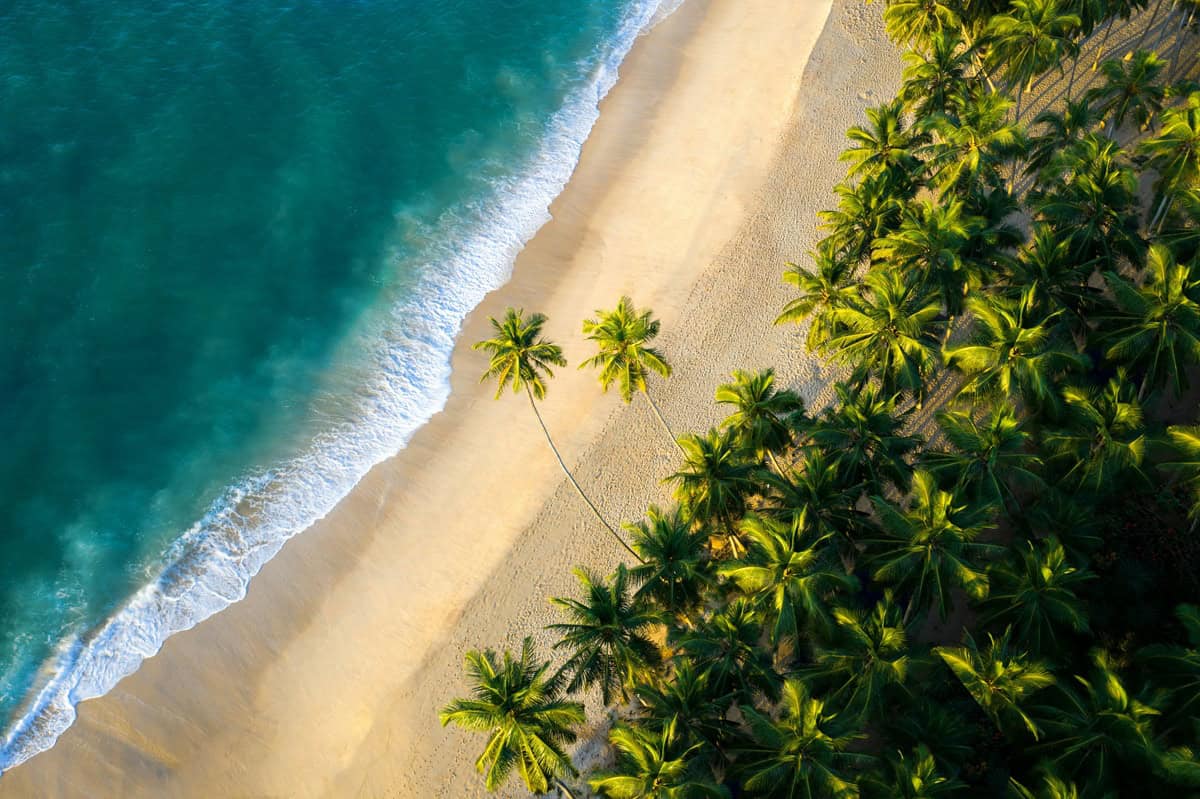
Tangalle Beach (Photo: Amal Prasad)
Why is It Special
Space and quiet. Long arcs of sand and palm shade. Sheltered coves for safer swims in season. Rekawa turtle nesting with licensed guides. A strong base for day trips to Mulkirigala and the Hummanaya blowhole.
Tangalle features in lists for quieter stays on the south coast. Reviews praise clean sand and peaceful nights. Many note a stronger shore break on open days.
Popular Activities
Swim in flagged coves. Walk long sections at sunrise. Join a guided turtle watch at Rekawa. Visit the rock temples inland. Read in the afternoon shade.
Must Do and Do Not Miss
Visit Silent Beach on a still morning. Join a Rekawa turtle watch with a conservation group. Take a day trip to the Mulkirigala Rock Monastery. Avoid open ocean swims on rough days. Follow nesting rules at night.
Conditions and Highlights
Open stretches bring shore break and rips on windy days. Sheltered coves behave better. Out of season, the sea grows rough and discoloured. Afternoon wind builds.
Travel Tips
Stay near a sheltered cove. Carry cash for tuk-tuks between bays. Ask hotel staff for daily sea notes. Pack a small torch for turtle programs.
10. Kalpitiya Beach
Location
Kalpitiya is situated on the northwest coast, occupying a narrow peninsula that separates a lagoon from the Indian Ocean. The main village lies north of Puttalam.
Best Time to Visit and Why
Two wind windows drive the season. From mid-May to September, strong southwest trades prevail. From mid-December to March, a second-wind season arrives. Dolphin trips often run from November to March when the seas improve. Choose dates around wind sports or wildlife days.
How to Get There
Drive from Colombo via the A3 to Chilaw, then to Puttalam and north to Kalpitiya. Allow several hours by road. Private transfers help with boards. Buses reach Puttalam, then vans take the last leg.
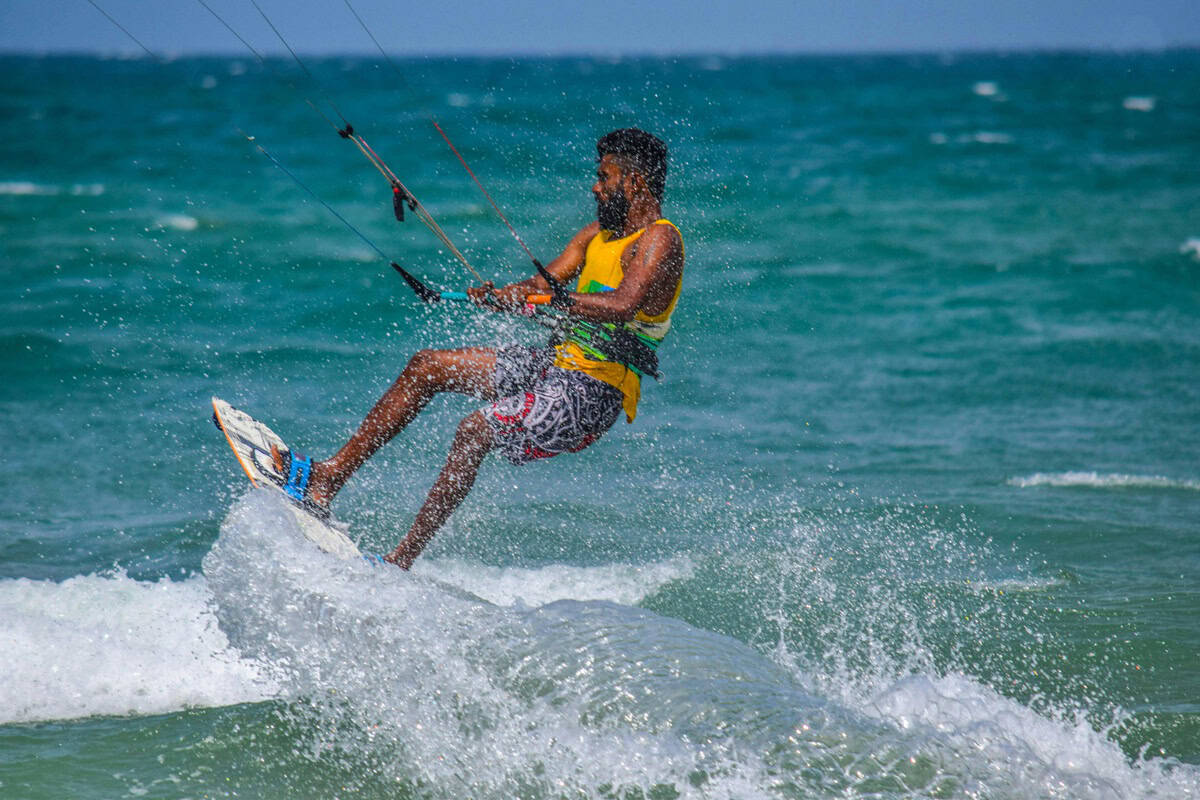
Kitesurfing – Kalpitiya Beach (Photo: Namal Siriwardana)
Why is It Special
One of the best kitesurfing lagoons in South Asia. Flat water on the lagoon side. Waves on the ocean side. Sandbanks and islands for day trips. A relaxed village scene.
Kalpitiya appears in global kitesurf lists for wind consistency and flat water. Reviews praise the school’s quality and safety boats.
Popular Activities
Kitesurf in the lagoon with a school if you are learning. Book a dolphin trip on calm mornings. Snorkel at Bar Reef on clear days—cycle along sand lanes.
Must Do and Do Not Miss
Try a downwinder between sandbanks with a support boat. Take a dawn dolphin trip. Spend a half day at Bar Reef when visibility is high. Skip reef trips after storms. Stay in the lesson zones if you are new to the area.
Conditions and Highlights
Strong winds in two seasons. Flat lagoon water. Choppy ocean side in the afternoon. Out of season, the wind drops and trips slow. Sand gets hot at midday.
Travel Tips
Book lessons with certified schools. Wear booties for shells and coral. Carry water and a hat. Use operators who follow dolphin distance rules.
Why These Ten Work for Your First or Second Trip
It offers balanced access, variety, and seasonal matches—the South and West provide short transfers from the airport and the Hill Country. The east brings clear water in the midyear window. The northwest adds wind and wildlife days. You move with the seasons. You keep transfers short between clusters. You spend more time swimming and walking at dawn and dusk.
Local Etiquette and Safety
Swim in flagged zones. Listen to lifeguards. Rips change daily. Use reef-safe sunscreen. Do not touch corals or turtles. Pack your trash. Respect dress codes at temples on day trips. Tip guides who add value. Confirm prices before hiring. Check forecasts during October and November when showers are common.
Costs and Planning Tips
Rates shift by season. December to March is higher in the south and west. May to September runs higher in the east—book early for peak months. Combine a guesthouse stay with a resort night for a well-rounded experience. Use trains where service is frequent, such as the Colombo to Galle route. Use expressway taxis for airport days. Carry small notes for tuk-tuks. Buy a local SIM for maps and calls.
Food and Drink Near the Beach.
Drink bottled or filtered water. Eat seafood at busy spots. Try kottu, hoppers, and roti for quick meals. South coast towns open early for surfers. In the east, look for grills near Nilaveli and Uppuveli. In the south, look for family-run places off the main strip for curry and pol sambol.
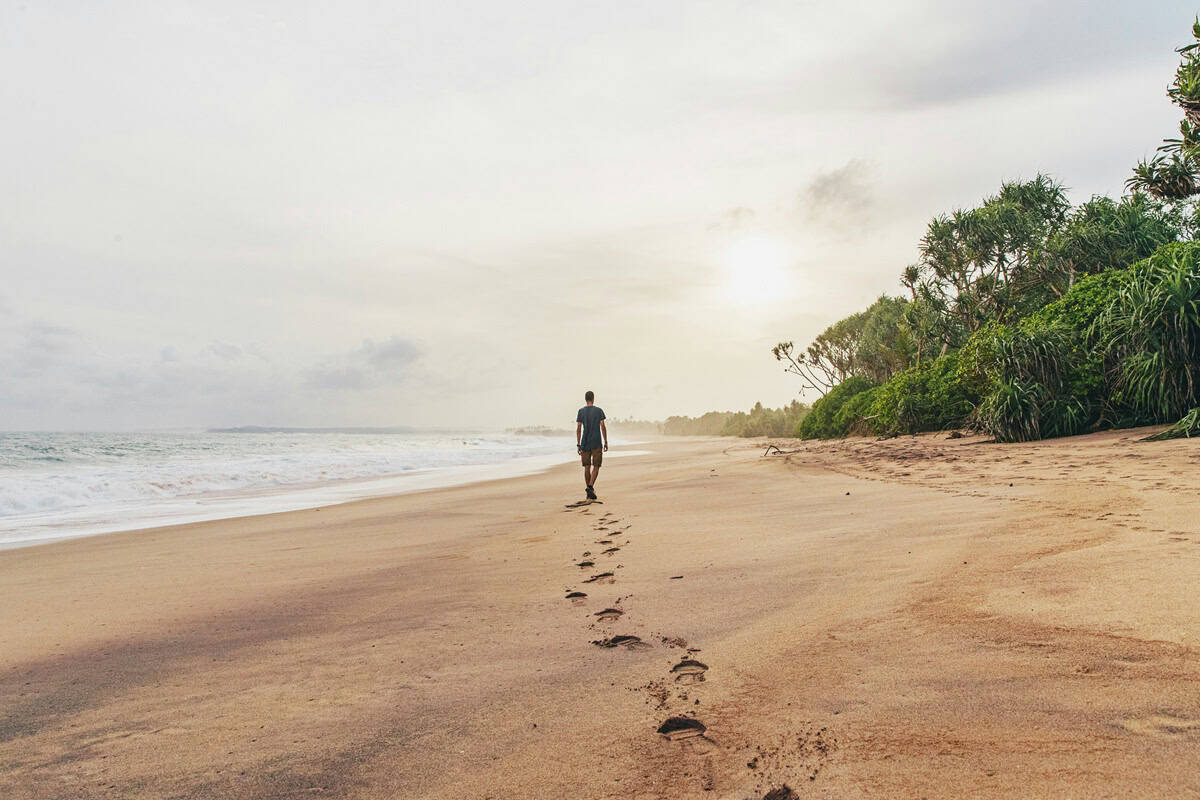
Tangalle Beach (Photo: Jannes Jacobs)
Packing List for Beach Travel
Pack light clothing, a hat, sunglasses, and high SPF sunscreen. Add a rash guard for long swims. Bring flip flops and sandals with grip. Carry a small dry bag for phones on boat trips. Use motion bands for whale or dolphin days. Keep photocopies of your passport in your day pack.
Transport Links You Will Use Often
Trains and the Southern Expressway speed up the west and south. For the east, plan a road trip and break it with a stop at the Cultural Triangle in Sigiriya or Polonnaruwa. For the northwest, roads run through Chilaw and Puttalam—reserve train seats for weekends. Hire a driver if you carry surfboards or dive gear.
How to Match the Best Beaches in Sri Lanka to Your Month
January to March. Base in Galle or Mirissa. Add Unawatuna and Hikkaduwa day trips. End with a night in Negombo.
April. Split time between South Coast mornings and Hill Country evenings. Choose sheltered coves in Tangalle.
May to September—base in Trincomalee or Nilaveli. Add a leg in Arugam Bay for surf days. Finish in Kalpitiya for a chance to spot wind or dolphins.
October and November. Focus on inland sites, short city breaks, and quick beach checks between showers.
Unawatuna suits Galle day trips and snorkelling—Bentota Beach pairs river safaris with a gentle ocean window. Mirissa Beach offers whale trips and a clear bay viewpoint. Arugam Bay Beach anchors the surf season with clear guidance on points, safety, and wind.
The Best Beaches in Sri Lanka offer plans that match the season. The west and south shine from December to March. The east and parts of the north lead from May to September. Use this guide to choose ten reliable shores with clear steps and simple rules. Start near the airport in Negombo for an easy first night. Move to Bentota, Hikkaduwa, Unawatuna, or Mirissa beaches for calm mornings and crystal-clear waters. Add Weligama for surf lessons. Cross to Trincomalee for clear snorkelling or head south to Arugam Bay for point breaks. Include Tangalle for quiet coves. Finish in Kalpitiya for wind and wildlife. Swim in flagged zones. Use trains or the expressway to cut transfer time. Ask your hotel for daily sea notes. Match your route to your dates and budget for safe, straightforward days.
Are you new to Sri Lanka? It is advisable to read the ultimate travel guide for first-time visitors and How to Plan a Sri Lanka Trip Step by Step: Complete Travel Guide.
Is Sri Lanka Worth Visiting? Yes, of course. The best beaches in Sri Lanka are one of the reasons to add Sri Lanka to your bucket list.
The Map of the Top 10 Beaches
(Featured image: Kankasanthurai, Sri Lanka, by Namal Siriwardana)

I am a Sri Lankan medical doctor who spends my free time travelling, exploring new destinations, and documenting the beauty of the island I call home. I have journeyed across almost every corner of Sri Lanka with my wife and daughter — from wildlife parks and misty mountains to ancient cities, deep forests, rugged landscapes, and quiet beaches.
Travel is not just a hobby for me — it’s a way of life. I love nature, enjoy road trips, and find joy in wildlife photography. I also read widely about tourism, travel trends, and destination culture. Through my writing, I aim to help travellers experience Sri Lanka through real stories, meaningful insights, and honest recommendations — the same way I explore it with my own family.