
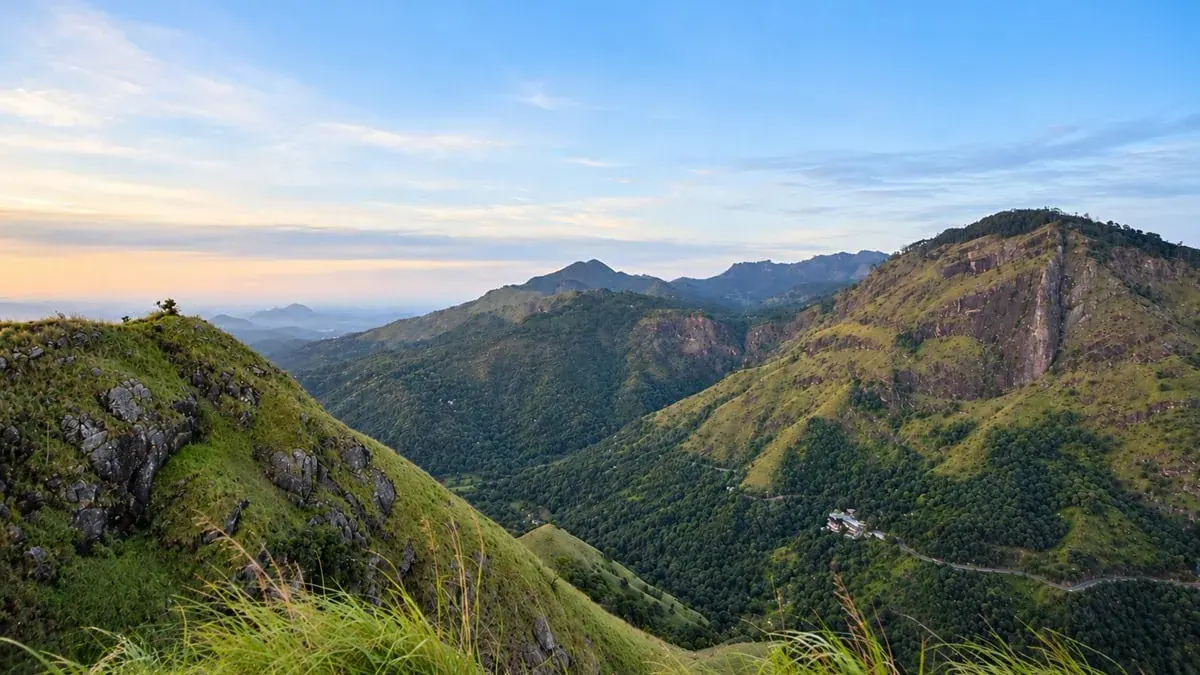

Why 3 Weeks in Sri Lanka in October and November Needs Flexible Planning
Planning 3 weeks in Sri Lanka in October and November means planning around change. Both months fall within the second inter-monsoon, a period of light, variable winds when rain is fairly widespread across the island and afternoon thunder showers are common. That doesn’t mean three weeks of grey skies. It means conditions shift from region to region and from week to week, so a good route has to bend without breaking.
This itinerary is built that way. It starts with five unhurried nights in the Cultural Triangle, where early starts give you the best chance of climbing and exploring before the afternoon weather builds. From there it heads south through Kandy and into the tea country, rides the scenic railway to Ella, and drops to Udawalawe for a wildlife safari. The final week follows the South Coast through Hiriketiya, Mirissa and Galle, as November usually brings that side of the island closer to its main beach season.
Three weeks matter here. With a shorter trip, one washed-out afternoon can cost you a highlight. With 21 days, most bases hold you for two or more nights, so a rained-off hike or a choppy sea can usually move to the next morning rather than disappear.
If you’re still deciding when to travel, read our guide to the best time to visit Sri Lanka. First-time visitors will also find our Sri Lanka travel guide for first-timers useful.
21-Day Sri Lanka Itinerary at a Glance
Duration: 21 days / 20 nights
Season: October and November
Start: Bandaranaike International Airport (BIA) → Negombo
Finish: Galle → BIA
Pace: Active but balanced, with planned recovery days after big hikes and long transfers
Themes: Heritage, nature & wildlife, Hill Country, scenic rail, hiking, popular beaches, surfing, Sri Lankan food and Galle Fort
Planning style: Weather-flexible. Outdoor activities are timed for mornings where possible, and several days have built-in alternatives.
Overnight bases:
- Negombo – 1 night
- Sigiriya/Habarana – 5 nights
- Kandy – 2 nights
- Nuwara Eliya – 2 nights
- Ella – 3 nights
- Udawalawe – 1 night
- Hiriketiya – 2 nights
- Mirissa – 2 nights
- Galle – 2 nights
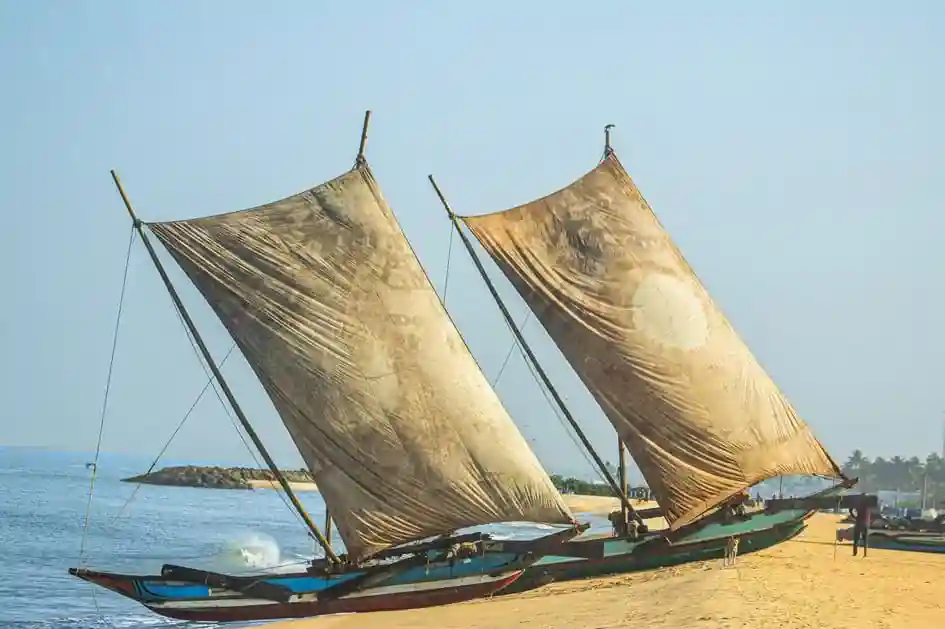
Traditional Fishing Boats – Negombo Beach (Photo: Amod S Pallemulla, via Pexels)
What This Itinerary Covers
The route links four very different parts of Sri Lanka. In the Cultural Triangle, you’ll climb Sigiriya and Pidurangala, visit Dambulla’s cave temple, explore medieval Polonnaruwa and go on an elephant safari. Kandy adds the Temple of the Sacred Tooth Relic. The Hill Country brings tea estates, Horton Plains, the train to Ella and a choice of hikes or waterfalls. The South gives you Udawalawe’s grasslands, surf at Hiriketiya, optional whale watching from Mirissa and the old streets of Galle Fort.
What it leaves out matters too. This 3-week Sri Lanka itinerary skips the East Coast, Jaffna and the far north, and it uses one southern national park rather than several. Trying to fit them in would turn rest days into driving days. The aim is a coherent journey with time to enjoy each place.
Who This Itinerary Is Best For
This route suits first-time visitors, couples, solo travellers and families with older children who are happy with a fairly active trip. Expect several early alarms, a few steep climbs, three safaris or long walks in national parks, and some full transfer days. You’ll also need patience when weather moves an activity to a different time or day.
It’s a good fit if you want cultural heritage, wildlife, mountains and beach in one trip without rushing any of them.
If you prefer a slower holiday, have limited mobility, or don’t enjoy hiking, keep the same route but drop the optional climbs. Pidurangala, Ella Rock, and Horton Plains can all be skipped or swapped without breaking the itinerary, and the five-night Sigiriya stay makes it easy to add rest.
Why This Route Works in October and November
The route follows a simple seasonal logic: inland first, coast last. The inland heritage and Hill Country sites work reasonably well in showery weather if you start early, and most have a covered or low-key alternative nearby. The South Coast comes at the end of the trip, which in most years gives the sea more time to settle as the season turns.
That’s a tendency, not a promise. October and November aren’t the same, and late November can differ sharply from early November. That is why this Sri Lanka travel itinerary relies on flexible days and long stays rather than tight connections. We cover the weather in more detail later, along with ready-made swaps for rain, rough seas, and tired legs.
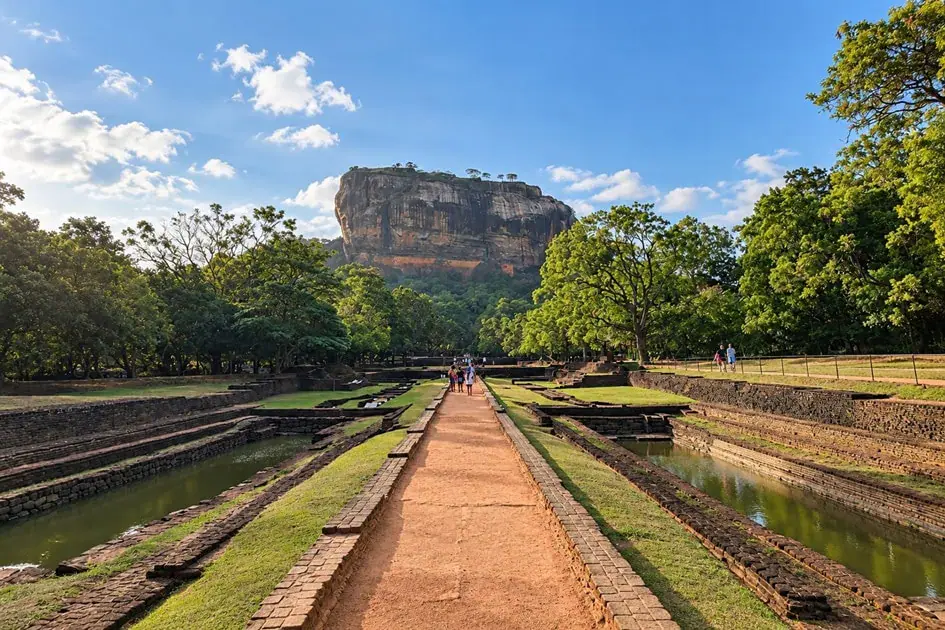
Sigiriya Lion’s Rock from the water garden (Photo: Nalaka Priyantha)
Transport and Route Logic
The route runs as a single, mostly one-way loop:
Negombo → Sigiriya → Kandy → Nuwara Eliya → Ella → Udawalawe → Hiriketiya → Mirissa → Galle → airport
Negombo sits close to the airport, so the first night begins with a short drive rather than Colombo traffic. Sigiriya or Habarana then works as a hub, with Dambulla, Polonnaruwa, Minneriya and Kaudulla all within day-trip range. Kandy lies south on the road towards the mountains. After the Hill Country, the route descends to Udawalawe and reaches the coast, with short transfers. There’s no major backtracking until the final airport run.
Most travellers use a mix of transport:
- Private car and driver for most transfers. This is the most flexible option in changeable weather, as you can leave early or wait out a storm.
- Public buses for budget travellers on routes such as Negombo to Dambulla, though journeys take longer and luggage space is limited.
- The train from Nanu Oya to Ella.
- Tuk-tuks for short local trips. Agree on the fare first or use a ride-hailing app where available.
- Safari jeeps inside national parks.
The railway needs a current check. Train services between Nanu Oya and Badulla, which pass through Ella, restarted on 20 June 2026 under a special timetable after Cyclone Ditwah repairs, while work continued on damaged sections between Rambukkana and Nanu Oya. At the time of writing (October 2026), this means you can’t ride the train from Kandy, but the scenic Nanu Oya–Ella section is running. This route already travels from Kandy to Nuwara Eliya by road, so the train journey on Day 11 isn’t affected. Check the Sri Lanka Railways website before you travel, and see our Transport in Sri Lanka guide for more detail.
Route Snapshot by Day
| Day | Route/Base | Experience(s) | Overnight |
| 1 | Airport → Negombo | Arrival and recovery | Negombo |
| 2 | Negombo → Sigiriya | Transfer, optional village experience | Sigiriya/Habarana |
| 3 | Sigiriya | Sigiriya Rock Fortress | Sigiriya/Habarana |
| 4 | Sigiriya | Pidurangala, Dambulla Cave Temple | Sigiriya/Habarana |
| 5 | Day trip | Polonnaruwa | Sigiriya/Habarana |
| 6 | Day trip | Minneriya or Kaudulla safari | Sigiriya/Habarana |
| 7 | Sigiriya → Kandy | Transfer via Matale | Kandy |
| 8 | Kandy | Temple of the Tooth, Kandy Lake | Kandy |
| 9 | Kandy → Nuwara Eliya | Tea country | Nuwara Eliya |
| 10 | Day trip | Horton Plains | Nuwara Eliya |
| 11 | Nanu Oya → Ella | Scenic train | Ella |
| 12 | Ella | Little Adam’s Peak, Nine Arch Bridge, Ravana Falls | Ella |
| 13 | Ella | Ella Rock OR Diyaluma Falls | Ella |
| 14 | Ella → Udawalawe | Afternoon safari | Udawalawe |
| 15 | Udawalawe → Hiriketiya | Transfer, beach time | Hiriketiya |
| 16 | Hiriketiya | Beach, surf, and rest | Hiriketiya |
| 17 | Hiriketiya → Mirissa | Transfer, beach | Mirissa |
| 18 | Mirissa | Optional whale watching | Mirissa |
| 19 | Mirissa → Galle | Galle Fort | Galle |
| 20 | Day trip | Unawatuna and Dalawella | Galle |
| 21 | Galle → BIA | Departure | – |
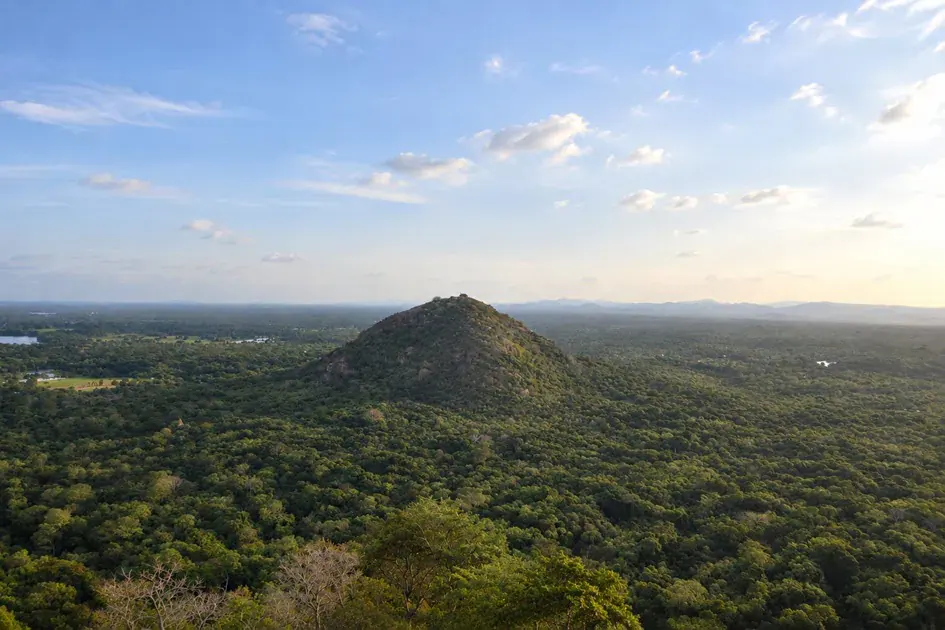
Pidurangala Rock from the top of Sigiriya (Photo: Nalaka Priyantha)
Approximate Road and Rail Times
Distances in Sri Lanka don’t translate neatly into driving times. Mountain bends, town traffic, roadworks, and heavy rain can all slow you down. Use these figures as rough guides only, and add time for meals and photo stops.
| Journey | Mode | Approximate Time |
| BIA → Negombo | Road | 20–40 minutes |
| Negombo → Sigiriya/Habarana | Road | 4–4.5 hours |
| Sigiriya → Kandy (via Matale) | Road | 2–3 hours |
| Kandy → Nuwara Eliya | Road | 2.5–3.5 hours |
| Nuwara Eliya → Nanu Oya station | Road | 15–25 minutes |
| Nanu Oya → Ella | Train | About 2.5–3 hours |
| Ella → Udawalawe | Road | 2–2.5 hours |
| Udawalawe → Hiriketiya | Road | 2–2.5 hours |
| Hiriketiya → Mirissa | Road | 45 minutes–1 hour |
| Mirissa → Galle | Road | 45 minutes–1 hour |
| Galle → BIA | Road (expressways) | 2.5–3 hours |
Trains often run late. If the train is cancelled, the same journey takes roughly two to two and a half hours by road.
Day-by-Day Sri Lanka Itinerary
Day 1: Arrive in Sri Lanka — Negombo
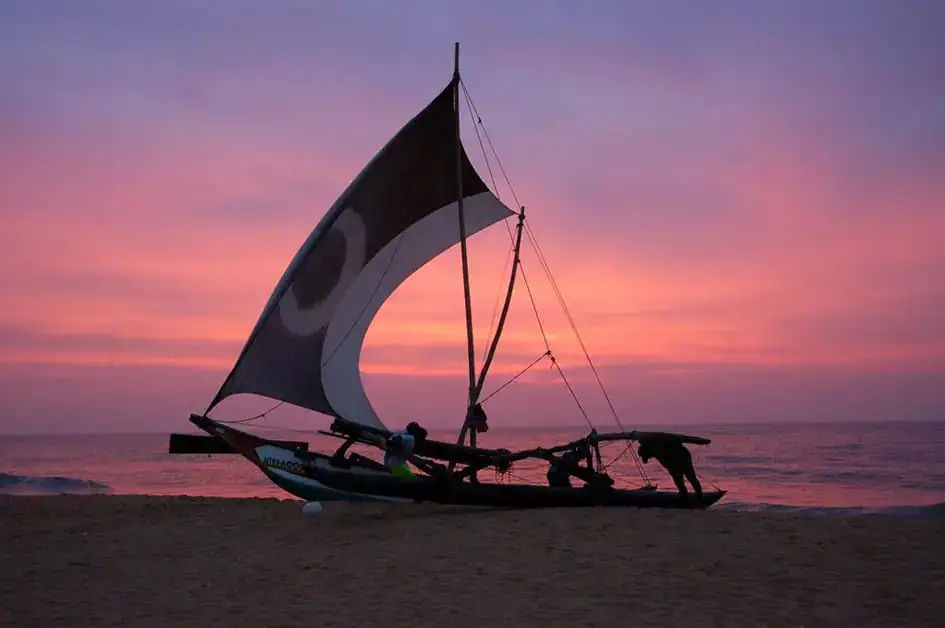
Traditional Fishing Boat and Sunset – Negombo Beach (Photo: e y e / s e e, CC BY-NC-ND 2.0)
Morning/Afternoon
Clear immigration at Bandaranaike International Airport and head to Negombo. It’s a short drive, which is exactly what you want after a long flight. Check in, shower, and sleep if you need to.
Evening
If you have the energy, take an easy walk along the beach or through town. Negombo has long been a fishing town, and you may see boats and nets along the shore. If the sky clears, stay for sunset; if a shower rolls in, the hotel pool or restaurant will do just fine.
Where to stay
Negombo, near the beach – Where to stay in Negombo
Accommodation guidance
Pick somewhere quiet with good air conditioning. A pool helps on a jet-lagged first day.
Food
Start gently. A king coconut from a roadside stall is the classic welcome drink. For dinner, try a seafood curry, ideally asking for it mild on your first night.
Practical notes
Arrange your driver before you land. You can get local SIM cards and change money at the airport.
Day 2: Negombo to Sigiriya
Morning
Leave after breakfast for the Cultural Triangle. The road heads inland through coconut country and rice fields towards Dambulla.
Afternoon
Check in and rest. Your next five nights are here, so unpack properly.
Optional village experience
Many hotels near Sigiriya and Habarana arrange village tours. These usually include a bullock-cart ride, a canoe trip across a reservoir and lunch cooked in a village home. They’re tourist programmes organised with local families, not a window into untouched rural life. Still, a good one gives you an easy introduction to farming life in the dry zone. Choose an operator whose hosts are paid fairly, and skip it if you’d rather recover.
Where to stay
Sigiriya or Habarana – Where to stay in Sigiriya
Accommodation guidance
Sigiriya puts you closest to the rock and Pidurangala. Habarana is slightly better placed for Minneriya and Kaudulla. Either works for five nights.
Food
Today is a good moment for your first full rice and curry spread, with several small vegetable dishes, dhal and a sambol.
Practical notes
Bring insect repellent for evenings. October and November can be humid inland, and mosquitoes like the paddy fields as much as you will.
Day 3: Sigiriya Rock Fortress
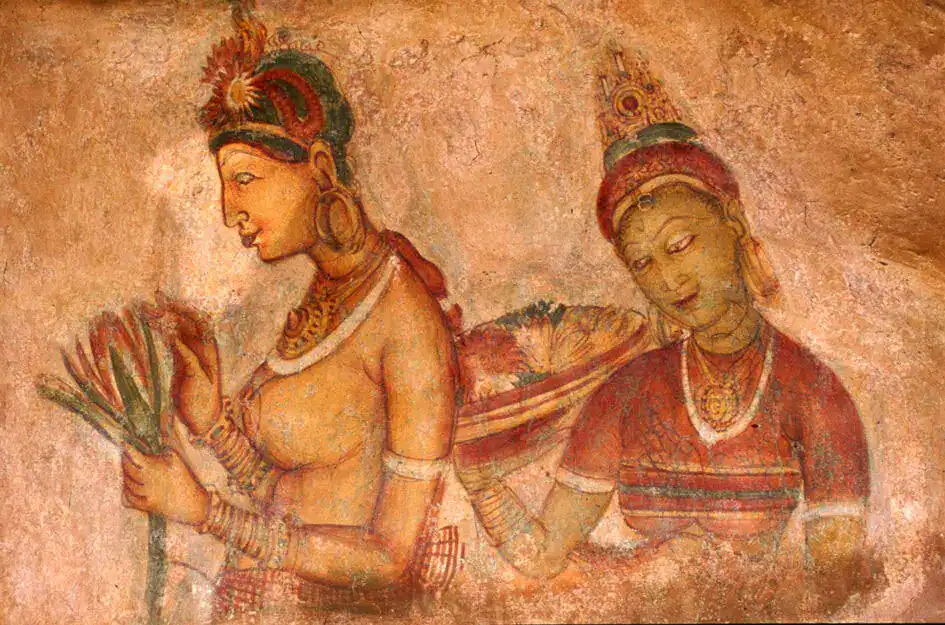
Rock Paintings in the Sigiriya Rock Fortress (Photo: Gerd Eichmann, CC BY-SA 4.0)
Morning
Arrive at Sigiriya Rock Fortress as early as you can. King Kashyapa turned this rock into a fortified palace in the 5th century. The climb takes you past symmetrical water gardens, the painted frescoes, the polished Mirror Wall and the great lion paws before the final staircase to the summit ruins. The site is also part of Sri Lanka’s group of UNESCO World Heritage Sites.
Allow around three hours for the whole visit. The climb involves roughly 1,200 steps, including exposed metal stairways. An early start helps you avoid both the midday heat and any thunderstorms that build later.
Sigiriya opens between 5:00 am and 6:30 pm every day. Tickets are issued between 5:00 am and 5:00 pm. However, the frescoes area closes for tourists at 5:45 om.
Afternoon
Rest. That’s the plan, not a gap in it.
Evening
A quiet dinner at your hotel.
Where to stay
Same accommodation
Food
Before the climb, try kiribath, a firm milk rice cut into diamonds, often served with lunu miris, a spicy onion and chilli relish.
Practical notes
Wear shoes with good grip, as the steps can be slippery after rain. If thunder is close, don’t push for the summit. Stay quiet near the hornet nests on the upper rock. Check current opening hours and fees with the Central Cultural Fund before you go. Ticket counters close at 5 pm, so don’t arrive late. You can book tickets through the Central Cultural Fund’s eTicketing system. However, you still need to collect the ticket at the site counter with your receipt. Carry your passport.
Day 4: Pidurangala Rock and Dambulla Cave Temple
Morning
Climb Pidurangala early, if the trail is dry enough. The walk begins at a working Buddhist temple. It passes a large brick reclining Buddha before ending with a scramble over boulders. From the top, you look straight across at Sigiriya. Sigiriya is about history; Pidurangala is about the view of it.
The ticket counters open between 5:00 am and 6:00 pm.
Afternoon
After a midday break, drive to Dambulla Cave Temple, about 30 minutes away. Its caves hold rows of Buddha statues beneath ceilings covered in paintings, and the temple is still a place of worship. Climb slowly, then spend time inside. The dim, cool caves feel very different after the morning’s rock.
Dambulla Cave Temple opens from 7:00 am to 5:00 pm.
Evening
Return to your hotel.
Where to stay
Same accommodation
Food
Try a glass of divul, or wood apple juice. It’s tangy, earthy, and popular in the dry zone.
Practical notes
Cover your shoulders and knees for both sites, as Pidurangala starts at a temple. At Dambulla, you’ll remove your shoes and hat before entering the caves. The final section at Pidurangala needs care, especially after rain.
Day 5: Ancient Polonnaruwa
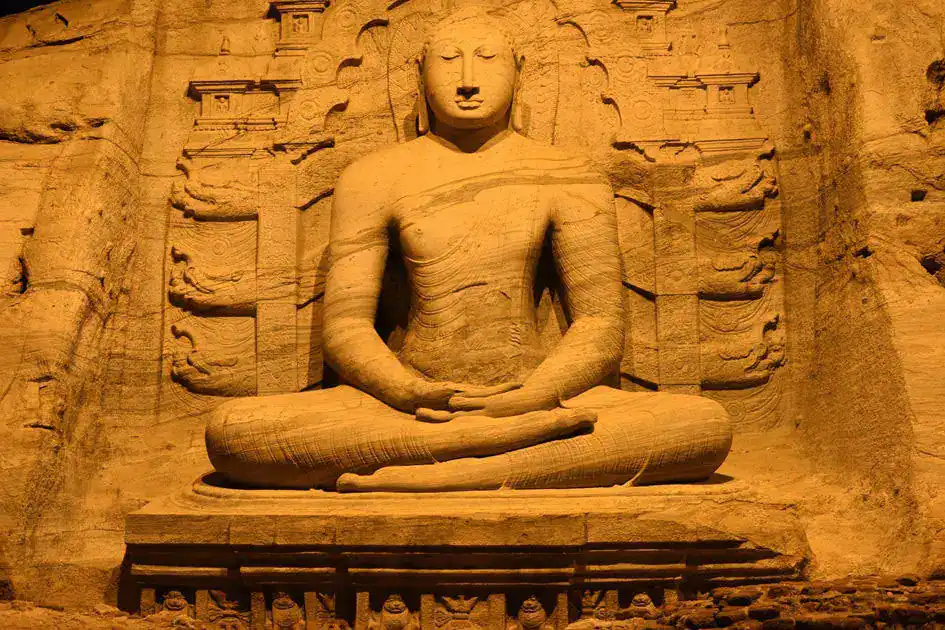
A Buddha statue – Gal Viharaya, Polonnaruwa (Photo: Nalaka Priyantha)
Morning
Drive about an hour to Polonnaruwa, which became the island’s capital after Anuradhapura. Start at the museum near the lake for context, then explore the Royal Palace, the Quadrangle with its circular relic house, and the large stupas. Finish at Gal Vihara, where four Buddha figures are carved into a single granite outcrop.
The site is spread out, so hire a bicycle if the heat allows, or use your driver between stops. Three to four hours is enough to see the main monuments without rushing.
Ticket counters close around 5 pm.
Afternoon
Return to your base before the hottest hours or any afternoon storm.
Evening
Keep it easy.
Where to stay
Same accommodation
Food
Look out for buffalo curd served with kithul treacle, a dark syrup made from the sap of the kithul palm. It’s a simple, much-loved Sri Lankan dessert.
Practical notes
Remove your shoes at the stupas and image houses. The stone gets hot, so thick socks help. Bring water, a hat, and a light rain jacket in October, when showers can arrive quickly.
Day 6: Minneriya or Kaudulla Wildlife Safari
Morning
Sleep in or take a slow walk around your hotel grounds. Many lodges in this area sit beside paddy fields or reservoirs, and early morning is good for birdlife.
Afternoon
Head out on an elephant safari in Minneriya or Kaudulla. Don’t fix the park months in advance. Elephants here follow water and fresh grass, so their movements shift with the rains. Large groups are typically associated with Minneriya from around July to September, with many local operators reporting that herds tend to move towards Kaudulla in October and November as reservoirs fill. That pattern changes from year to year, which is exactly why you should ask your driver or lodge which park is better that week.
The famous Minneriya “Gathering” peaks before this travel window, so don’t expect it. What you can reasonably hope for is a quiet afternoon on open grassland around a reservoir, with elephants, deer, water birds, and perhaps a crocodile. Nothing is guaranteed, but a good driver who knows where herds were feeding recently gives you the best chance. Read more in our guide to wildlife safaris in Sri Lanka.
Minneriya and Kaudulla National Parks are open between 6:00 am and 6:00 pm.
Evening
Return for an easy dinner. Tomorrow is a travel day.
Where to stay
Same accommodation
Food
Try lotus root curry, or nelum ala, a gentle, slightly crunchy dish often found in the dry zone, where reservoirs are common.
Practical notes
Afternoon storms can roll in quickly at this time of year. Bring a light rain layer, binoculars, and a bag to keep the camera safe from showers and dust. Ask your safari driver not to crowd or block the elephants.
Day 7: Sigiriya to Kandy via Matale
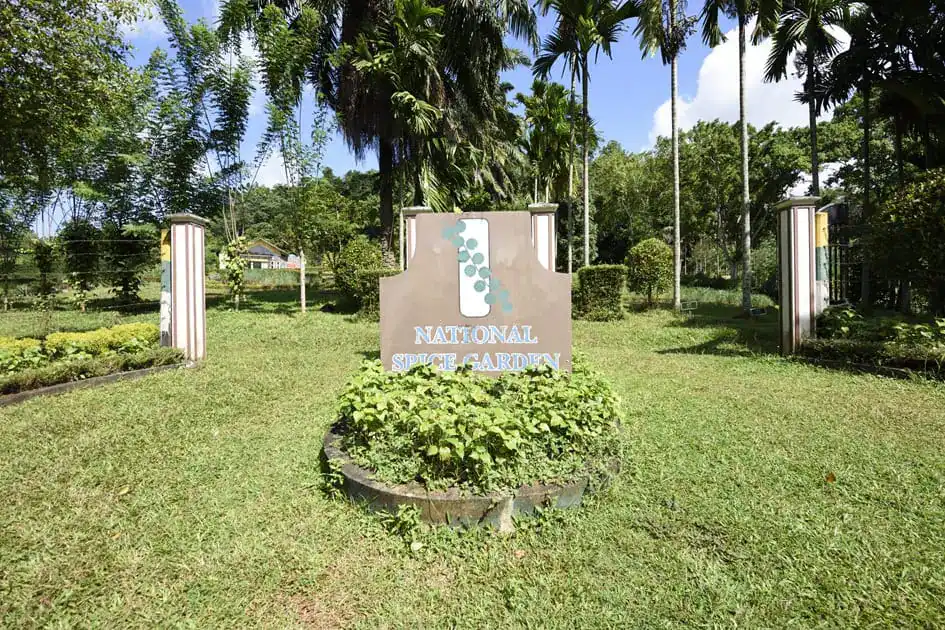
National Spice Garden – Matale (Photo: Nalaka Priyantha)
Morning
Leave after breakfast and head south. The road runs through Dambulla and Matale before climbing into the hills around Kandy.
Optional stop
Matale is known for spice gardens, where guides show you cinnamon, cardamom, pepper, and other plants. A good visit can explain how spices shape Sri Lankan cooking. Some gardens, though, focus heavily on selling oils and remedies at high prices. Choose a place recommended by your driver or recent travellers, and feel free to look without buying. If spice gardens don’t appeal, the rock temple at Aluvihare, also near Matale, makes a quieter stop.
Afternoon
Arrive in Kandy and check in. Kandy traffic builds in the late afternoon, so don’t plan anything that depends on a fixed time.
Evening
If you have energy, stroll part of the path around Kandy Lake.
Where to stay
Kandy
Accommodation guidance
Stay near the lake for walkability, or in the hills above town for quieter nights and views. Hillside hotels often require a tuk-tuk ride into the centre.
Food
Try “short eats” from a bakery on the way. These are small savoury snacks such as fish buns, vegetable rotis, and patties, perfect for a travel day.
Practical notes
This is a transfer day. Keep it simple and don’t add more than one stop.
Day 8: Temple of the Tooth and Kandy
Morning
Visit the Temple of the Tooth, the most important Buddhist shrine in Sri Lanka. The relic itself isn’t shown, but the temple comes alive during the daily puja, when drummers play and worshippers bring flowers. Go early for a calmer visit and check that day’s ceremony times locally. Afterwards, walk part of the lake path nearby.
The Temple of the Tooth opens from 5:30 am to 8:00 pm.
Afternoon
Add one more experience, not three. The Royal Botanic Gardens at Peradeniya, about 20 minutes away, is a good choice if the weather is dry. Its giant bamboo, palm avenues, and huge trees deserve a couple of unhurried hours. If it’s raining, choose an indoor alternative instead, such as Kandy’s central market.
Opening hours of the Peradeniya Royal Botanical Gardens are between 7:30 am and 6:00 pm. Ticketing hours are between 7:30 am and 5:00 pm.
Evening
Kandyan dance performances are popular in town, with drumming and costumed dancers. Learn more in our guide to traditional dances in Sri Lanka.
Where to stay
Same accommodation
Food
Start the day with string hoppers, small nests of steamed rice-flour noodles served with dhal and kiri hodi, a mild coconut-milk gravy.
Practical notes
At the temple premises, wear clothing that covers your shoulders and knees. You’ll leave your shoes at the entrance and should keep your voice low inside. Never pose with your back to a Buddha statue.
Day 9: Kandy to Nuwara Eliya — Into Tea Country
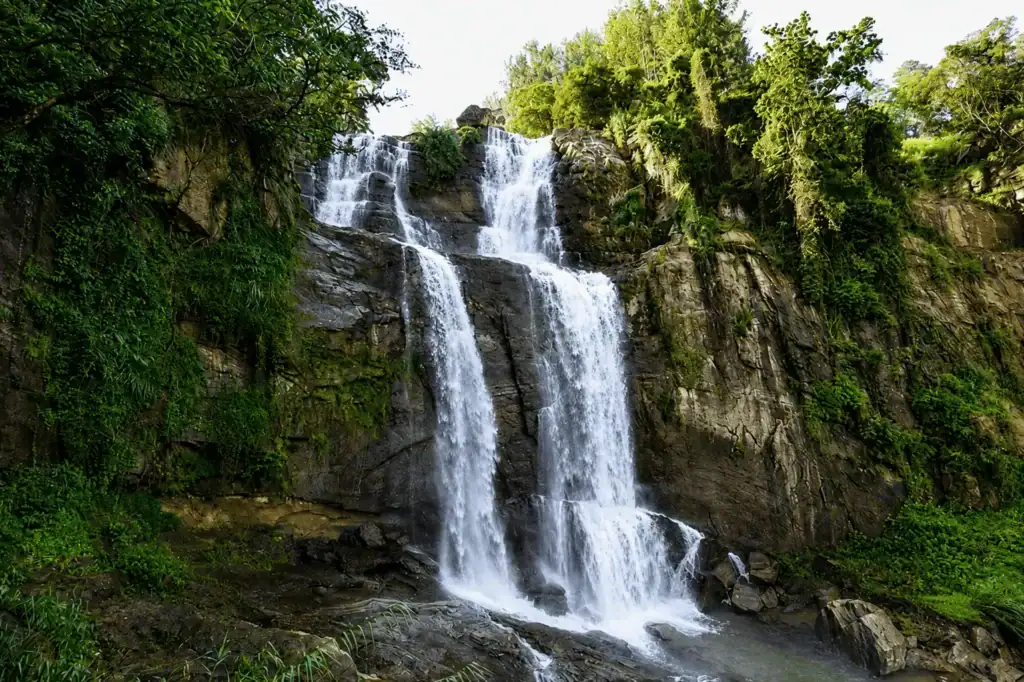
Ramboda Falls, Nuwara Eliya (Photo: Nalaka Priyantha)
Morning
Leave Kandy for Nuwara Eliya. The road climbs past Ramboda and onto steep hillsides covered in tea. The air cools noticeably, and clouds can close in quickly.
Afternoon
Stop at a tea factory along the way. Damro Labookellie Tea Centre, on the main road shortly before Nuwara Eliya, is one of the easiest roadside options, offering factory visits and tasting. Tours can be brief, and the experience depends on whether the factory is processing that day. Our guide to Ceylon tea explains how tea is grown and processed.
Evening
Arrive in Nuwara Eliya. Walk around Gregory Lake or the town centre, where the old post office and colonial-era buildings recall the town’s past as a cool-climate retreat for British planters.
Where to stay
Nuwara Eliya
Accommodation guidance
Stay near town for easy access to restaurants, or choose a tea estate bungalow for a quieter, more atmospheric stay. Check whether your room has heating or extra blankets.
Food
Order a cup of high-grown tea with milk. Vegetables such as leeks, carrots, and cabbage are grown widely around Nuwara Eliya, so look for simple vegetable curries and tempered dishes on local menus.
Practical notes
Bring a warm layer and a rain jacket. Mountain roads can be slow in heavy rain, so start early if the forecast looks wet.
Day 10: Horton Plains National Park
Morning
Leave before dawn for Horton Plains National Park. This high plateau of grassland and cloud forest is part of the Central Highlands World Heritage property. The main loop takes you to World’s End, a sheer escarpment, and Baker’s Falls. Most people take three to four hours to walk it.
Early starts matter here. Mist often rises from the valleys by mid-morning, and the view at World’s End can disappear completely. Even early starts won’t guarantee a clear view, but the walk itself, across open grassland and through moss-draped forest, still makes the day worthwhile.
Horton Plains National Park is open between 6:00 am and 6:00 pm.
Afternoon
Return to Nuwara Eliya and rest. Don’t plan another hike.
Where to stay
Same accommodation
Food
If your hotel offers it, try kola kanda for breakfast. This green herbal porridge is made with rice and coconut milk, and is often served with jaggery.
Practical notes
Wear waterproof walking shoes and bring layers, a rain jacket, and water. Parts of the trail are uneven. The trail can get muddy after rain. Plastic is restricted inside the park, so expect bag checks at the entrance.
Day 11: Nanu Oya to Ella by Scenic Train
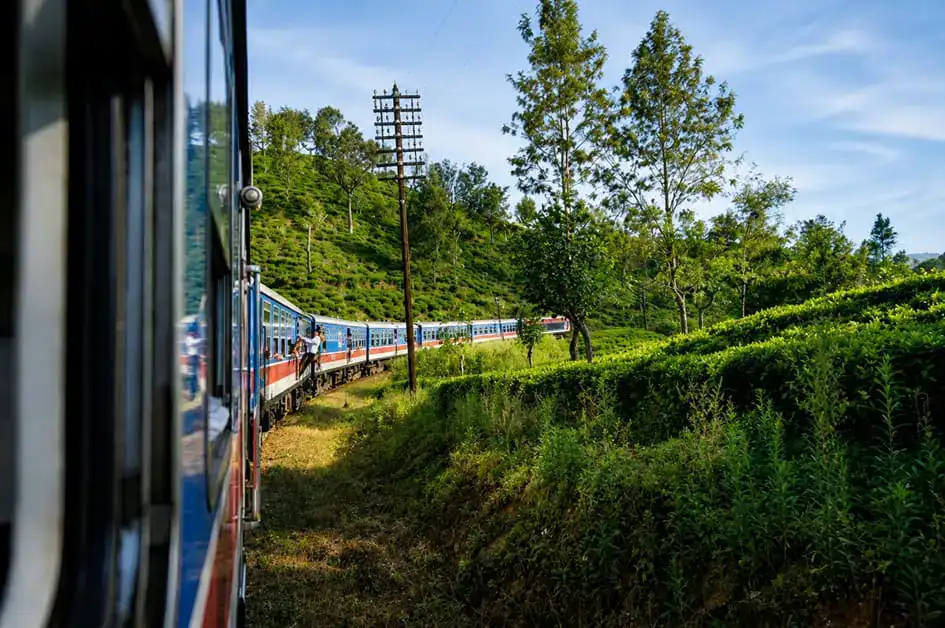
Nanu Oya to Ella Train Ride through Tea Plantations (Photo: Nalaka Priyantha)
Morning
Transfer to Nanu Oya, the station that serves Nuwara Eliya, about 8 kilometres from town. Board the scenic train to Ella. At the time of writing, this section runs under a temporary timetable, so confirm departure times shortly before your trip.
Afternoon
The train winds through tea estates, pine plantations, forests, tunnels, bridges, villages, valleys, and small hill-country stations. After Pattipola, the highest station on the network, it gradually descends towards Ella. Learn more in our guide to scenic train rides in Sri Lanka.
Evening
Check in and relax. Ella is easy to explore on foot.
Where to stay
Ella
Accommodation guidance
Stay in the centre for convenience, or on the hillside for quieter nights and views. Hillside stays may involve steep paths or steps.
Food
Try kottu, chopped flatbread stir-fried on a hot griddle with vegetables, egg or meat.
Practical notes
Reserve seats through the official Sri Lanka Railways seat reservation system where available. Trains often run late. Stay inside the carriage and never hang from doors for photographs. If the train is cancelled, your driver can take you to Ella by road.
Day 12: Little Adam’s Peak, Nine Arch Bridge, and Ravana Falls
Morning
Climb Little Adam’s Peak early, before heat or rain sets in. The path passes through tea bushes and up a series of steps, taking around 45 minutes each way. From the top, you look over Ella Gap and the lowlands.
Trails – Little Adam’s Peak and Nine Arch Bridge:
- AllTrails Map – Little Adam’s Peak (1.6 km)
- AllTrails Map – Little Adam’s Peak and Lookout (2.9 km)
- AllTrails Map – Nine Arches Bridge – Little Adam’s Peak (5.8 km)
- AllTrails Map – Nine Arch Bridge from Ella Rd (1.9 km)
- AllTrails Map – Nine Arch Bridge (1.3 km)
- AllTrails Map – Nine Arch Bridge Viewpoint Loop (1.3 km)
Late morning
Continue to Nine Arch Bridge, a colonial-era railway viaduct of stone and brick, set in a forested valley. If you want to see a train cross, ask locally for approximate times, as they change and trains often run late.
Afternoon
Drive a short way down the Ella–Wellawaya road to Ravana Falls. After rain, the falls can be impressive. Admire them from the viewing area rather than climbing the rocks.
Evening
Dinner in town and an early night if you’re planning Ella Rock tomorrow.
Where to stay
Same accommodation
Food
Try pol roti, a coconut flatbread, with katta sambol, a fiery chilli and onion relish.
Practical notes
Railway tracks around Nine Arch Bridge are live. Stay well clear when a train is due, and never stand on the bridge for photographs as a train approaches.
Day 13: Ella Rock or Diyaluma Falls
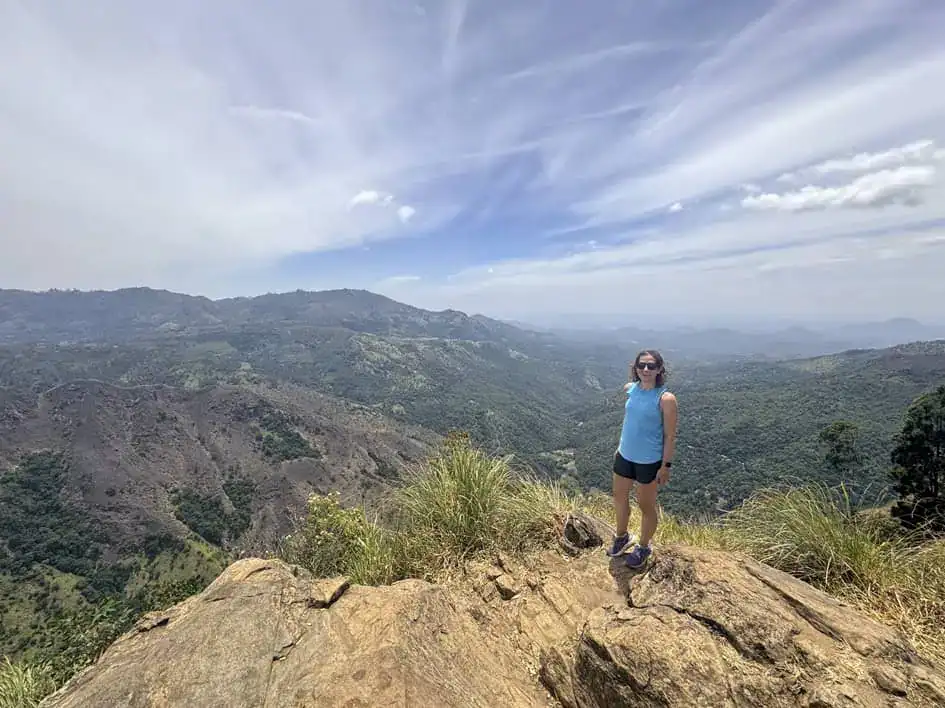
The view from Ella Rock (Photo: Bex Walton, CC BY 2.0)
Today is a choice, not a double-header. Pick one option, based on your fitness, energy and the weather forecast.
Option A: Ella Rock
Ella Rock suits fit, confident hikers. The round trip usually takes three to four hours, with a steep final climb. Parts of the route follow the railway, and some junctions are unmarked, so a local guide or reliable offline map helps. Start at first light to avoid heat and afternoon storms.
The trail can be muddy and slippery after heavy rain. If conditions look poor, choose Option B or rest in Ella instead. Read more in our guide to hiking and trekking in Sri Lanka.
Trails – Ella Rock:
- Footpath to Ella Rock Loop (3.7 km)
- Ella – Ella Rock (9.7 km)
- Ella Rock Trail (5.8 km)
- Ella Rock Sunrise Viewpoint (3.4 km)
- Amba to Ella via Ella Rock (8.7 km)
Option B: Diyaluma Falls
Diyaluma Falls, about a 1- to 1.5-hour drive from Ella, is one of Sri Lanka’s tallest waterfalls. You can view it from the base, or walk a steep path to the upper pools. That trail takes effort, but it is less demanding than Ella Rock.
The upper pools are popular for swimming, but they aren’t always safe. Rain can raise water levels quickly, rocks become slippery, and the edges above the main drop are dangerous. Swim only if local guides say conditions are safe, and stay well back from the edge.
Afternoon
Rest after either option.
Evening
Pack for tomorrow’s transfer.
Where to stay
Same accommodation
Food
Try wattalappam, a rich coconut custard sweetened with jaggery and spiced with cardamom. It has Malay roots and is now enjoyed across Sri Lanka.
Practical notes
Wear shoes with good grip and carry water, sun protection and a rain layer. Safety matters more than completing a hike, so turn back if the weather or trail conditions worsen.
Day 14: Ella to Udawalawe — Afternoon Safari
Morning
Leave Ella mid-morning and drive down through Wellawaya to Udawalawe, about two to two and a half hours. The road drops out of the hills quickly, and the air turns warm again.
Afternoon
Check in, then head into Udawalawe National Park for an afternoon jeep safari. The park’s open grassland and scrub, set around a large reservoir, make wildlife relatively easy to spot. Udawalawe is best known for elephants, and you may also see water buffalo, deer, crocodiles, and birds of prey. Sightings still aren’t guaranteed. If heavy rain sets in, ask your lodge whether a morning safari tomorrow makes more sense before you continue to the coast.
Udawalawe National Park is open between 6:00 am and 6:00 pm.
Evening
A quiet night at your lodge.
Where to stay
Near Udawalawe
Accommodation guidance
Choose a lodge close to the park entrance to keep the transfer short.
Food
Pick up a “lunch packet” on the way, a rice and curry meal wrapped to go, sold at roadside shops across the island.
Practical notes
Don’t visit the elephant transit home’s feeding times or any facility offering rides or bathing with elephants. Watching wild elephants in the park is the responsible option.
Day 15: Udawalawe to Hiriketiya
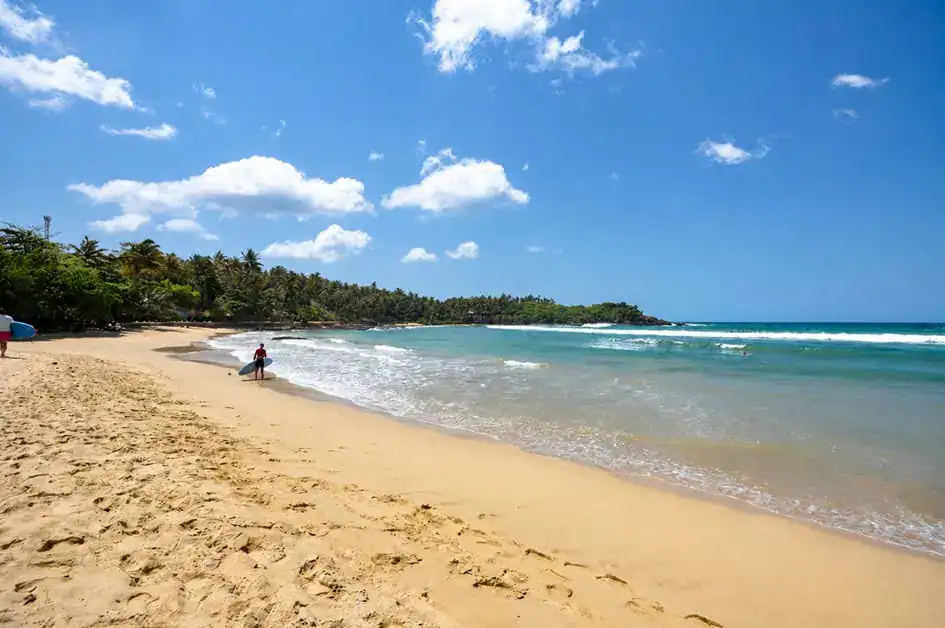
Hiriketiya Beach (Photo: Nalaka Priyantha)
Morning
Drive south to the coast, roughly two to two and a half hours. Hiriketiya is a small horseshoe bay near Dikwella, popular for its surf and laid-back atmosphere.
Afternoon
Check in and head to the beach. Swim only if the sea looks calm and local surf schools or lifeguards say conditions are suitable. In October especially, waves can be bigger and currents stronger than the postcard view suggests.
Evening
Dinner close to the bay.
Where to stay
Hiriketiya
Accommodation guidance
Stay within walking distance of the bay, or on the hillside behind it for quieter nights.
Food
Try ambul thiyal, a sour, dry fish curry made with goraka, a tart fruit used to preserve fish. It’s strongly associated with the South Coast.
Practical notes
Ask locally about currents before swimming, and avoid swimming near reefs or rocks.
Day 16: Hiriketiya Beach and Surf Day
This day is intentionally slow. After two weeks of early starts, safaris and hikes, it gives your body a break.
Morning
Take a surf lesson if conditions suit your level. Local schools can tell you whether the waves are manageable for beginners. See our guide to surfing in Sri Lanka.
Afternoon/Evening
Read, nap, swim if safe, or walk along the bay. Nothing here is compulsory.
Where to stay
Same accommodation
Food
Try isso wade, crisp lentil fritters topped with whole prawns, often sold by beach and roadside vendors.
Practical notes
Use reef-safe sunscreen and drink plenty of water. Even on cloudy days, the sun is strong.
Day 17: Hiriketiya to Mirissa
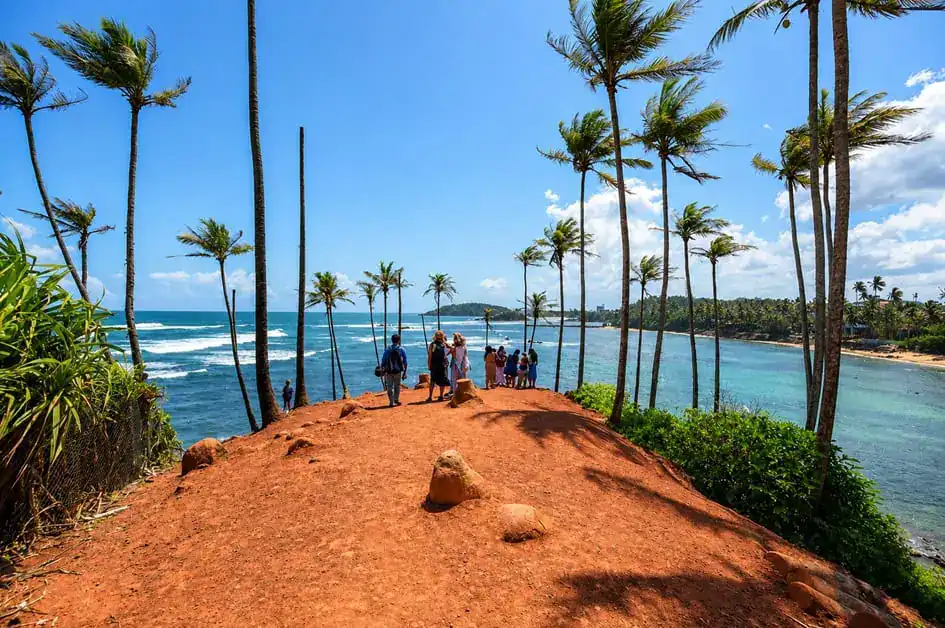
Coconut Tree Hill, Mirissa (Photo: Nalaka Priyantha)
Morning
Make the short drive west along the coast to Mirissa, about 45 minutes to an hour.
Afternoon
Spend time on the beach. If the sea is calm, swimming is usually easier on the more sheltered parts of the bay.
Evening
Walk up Coconut Tree Hill, a small headland lined with palms. It’s a pleasant viewpoint, but it can get crowded. If the sky clears, stay for sunset.
Where to stay
Mirissa
Accommodation guidance
Choose somewhere close to the beach, but not right beside the busiest bars if you want an early night before whale watching.
Food
Try devilled prawns or fish, stir-fried with onions, peppers, and chilli in a sweet-spicy sauce. The style has Chinese-Sri Lankan roots and is popular across the island.
Practical notes
Book tomorrow’s whale-watching trip only after checking sea conditions and current operations.
Day 18: Mirissa — Whale Watching or a Relaxed Coastal Day
Morning
Whale watching from Mirissa is usually available from November to April. In October, many boats don’t operate, and seas are often rough. In November, trips may restart, but conditions can still be choppy. If boats are running and the sea is suitable, join an early morning trip with a reputable operator. Read our guide to whale watching in Sri Lanka.
Whales, dolphins, and turtles may appear, but none are guaranteed. Trips can last several hours, and seasickness is common.
Alternative: If whale watching isn’t running or the sea looks rough, enjoy a slow morning instead. Walk to Secret Beach if access is open, take a surf lesson in suitable conditions, or relax by the pool.
Afternoon/Evening
Rest on the beach or explore Mirissa at your own pace.
Where to stay
Same accommodation
Food
Try hoppers, bowl-shaped rice-flour pancakes with crisp edges, often served with an egg in the centre.
Practical notes
Choose operators who keep a respectful distance from whales and limit the number of boats around them.
Day 19: Mirissa to Galle Fort
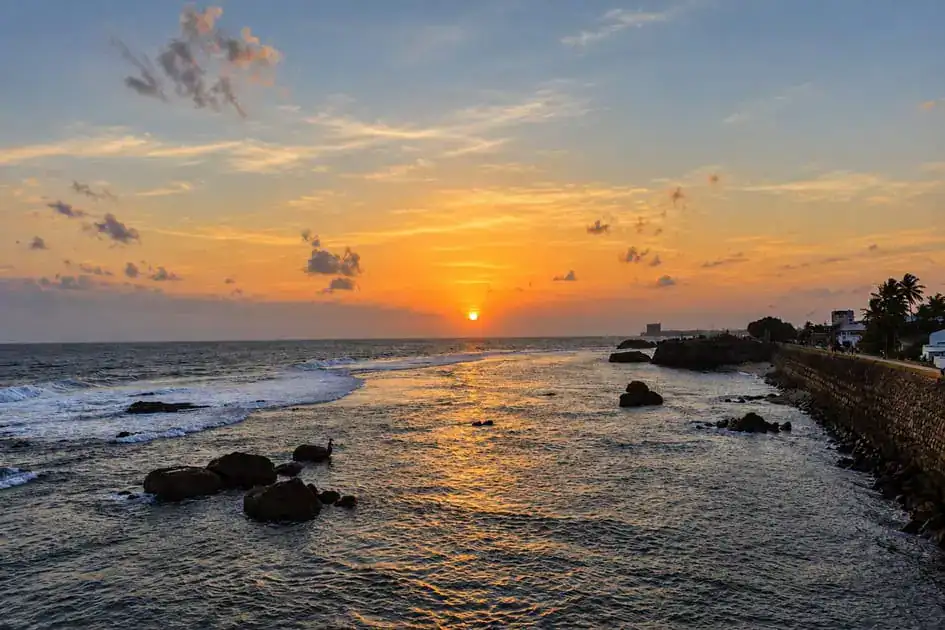
Sunset from the Flag Rock Bastion, Galle Fort (Photo: Nalaka Priyantha)
Morning
Drive west to Galle, about 45 minutes to an hour.
Afternoon
Explore Galle Fort, a UNESCO World Heritage Site. Built by the Portuguese and greatly expanded by the Dutch, it still feels like a lived-in town, with churches, mosques, old warehouses, and quiet streets inside thick coral-stone walls. Walk the ramparts, visit the lighthouse, and slip into side streets away from the busiest shops.
Evening
If the weather allows, walk the ramparts at sunset.
Where to stay
Galle – Where to stay in Galle
Accommodation guidance
Staying inside the fort means you can explore early and late on foot. Hotels outside the walls are often quieter and better value.
Food
Galle’s cafés offer everything from coffee to fusion menus. For something linked to the island’s Dutch Burgher heritage, try lamprais, rice and curries baked in a banana leaf.
Practical notes
Some rampart edges have no railings, so take care, especially after rain or in the dark.
Day 20: Unawatuna and Dalawella Beaches
Morning
Take a short drive to Unawatuna, a sheltered bay that is often one of the calmer swimming spots near Galle. If the sea is rough, walk up to the Japanese Peace Pagoda instead.
Afternoon
Continue a little further to Dalawella, known for its palm-fringed shoreline. It’s best for relaxing rather than swimming, as reefs and currents can make the water tricky. Skip the rope swing if it looks unsafe.
Evening
Return to Galle for a final dinner.
Where to stay
Same accommodation
Food
Try a bowl of fresh tropical fruit, such as mango, pineapple, or papaya, depending on what’s in season.
Practical notes
Turtles sometimes appear near the shore. Don’t touch or feed them, and keep your distance in the water. If you have an early flight tomorrow, move closer to the airport this evening instead.
Day 21: Galle to Bandaranaike International Airport
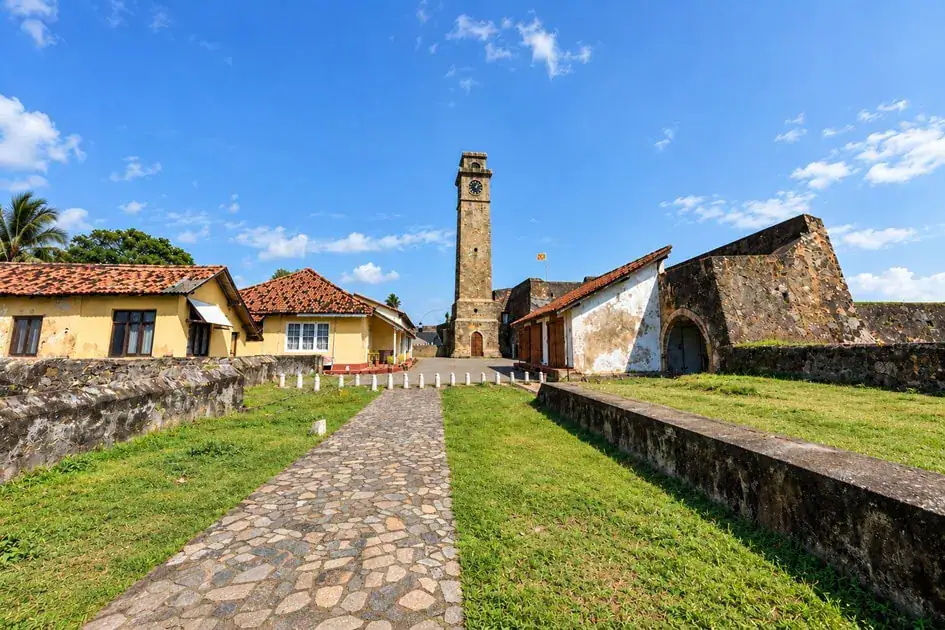
The Clock Tower, Galle Fort (Photo: Nalaka Priyantha)
Morning/Afternoon
Drive to Bandaranaike International Airport. Using the expressways, the journey usually takes around two and a half to three and a half hours, but traffic around Colombo, roadworks, rain, and stops can add time.
Flight planning
Your flight time decides how this day works. For an afternoon or evening flight, leaving Galle in the morning is usually practical. For an early-morning flight, spend your last night in Negombo or near the airport instead of Galle. Check your airline’s recommended check-in time and add a generous buffer.
Food
Pack some Ceylon tea before you leave Galle.
Practical notes
Don’t add sightseeing today. A relaxed departure is worth more than one final stop.
Accommodation Guidance Throughout the Itinerary
Location matters more than luxury on this route. We chose each base to keep travel time short.
In Negombo, choose a quiet beach hotel close to the airport. In Sigiriya or Habarana, pick a comfortable base for five nights, ideally with a pool for hot afternoons. In Kandy, decide between the convenience of the lake area and the quiet of the hills. In Nuwara Eliya, warmth matters, so check for heating or good bedding. In Ella, choose between a walkable centre and quieter hillside views. In Udawalawe, stay close to the park entrance. In Hiriketiya and Mirissa, stay close to the beach but away from loud bars. In Galle, decide whether you want the atmosphere of staying inside the fort or the quieter value outside it.
Book popular places early for November, when demand on the South Coast can rise. We recommend reading about how to choose where to stay in Sri Lanka.
Food Experiences Across the Three Weeks
This route introduces Sri Lankan food gradually, from mild seafood and rice and curry early on to string hoppers, kottu, fiery sambols, and southern fish curries later. Most local food is cooked fresh and shared, so don’t be afraid to ask questions about what you’re eating.
If you prefer less heat, ask for food “not too spicy”. Vegetarians will find plenty of choice, as many Sri Lankan meals revolve around vegetables, pulses, and coconut. Bakeries, roadside shops and local cafés are good places to try short eats and simple meals.
Food varies by region too. Inland menus often feature vegetables, rice, and freshwater fish, while the coast brings seafood and southern curries. See our foods and drinks guide and the best restaurants in Sri Lanka for more ideas.
Cultural and Local Experiences
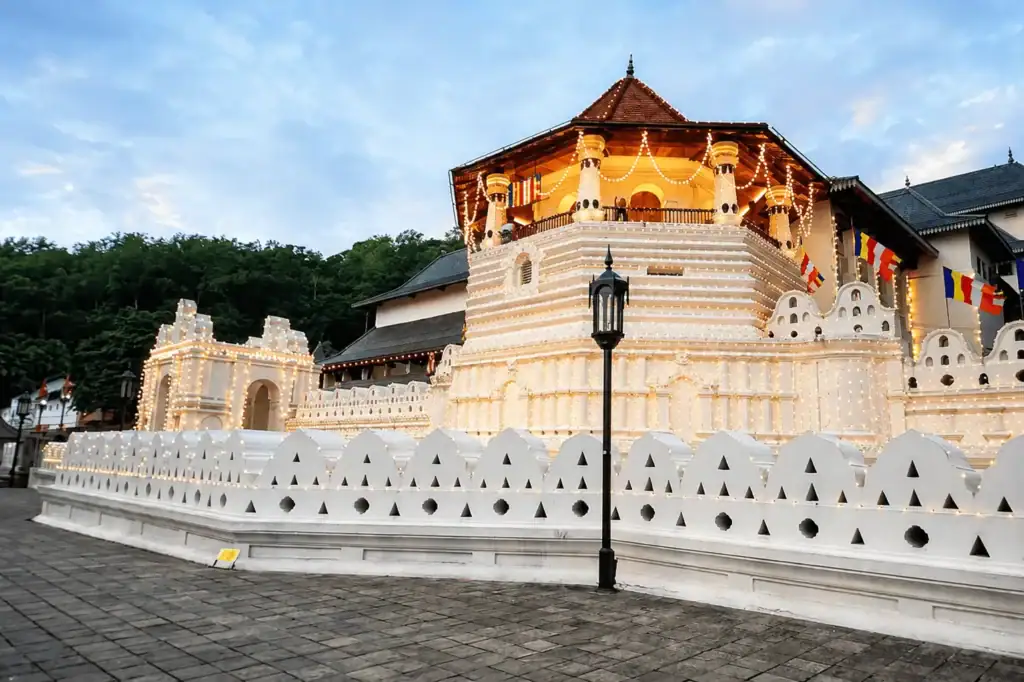
Temple of the Tooth – Kandy (Photo: Nalaka Priyantha)
At temples and religious landmarks, cover your shoulders and knees, remove your shoes and hat where required, and keep your voice low. Never pose with your back to a Buddha statue or touch monks.
Ask before photographing people, especially at religious sites, markets, and tea estates. Many workers are busy, and some may not want to be photographed.
A smile and a simple “ayubowan”, the Sinhala greeting meaning “may you live long”, go a long way. Slow down where you can. Chatting with a guesthouse owner, buying fruit at a market, or watching a puja quietly can stay with you longer than another photo stop.
Flexibility and Alternatives
This itinerary works because most days can bend without changing the route.
- Heavy rain: Move outdoor sights to the next morning. Swap Peradeniya for Kandy’s market, or Galle’s ramparts for its museums and cafés.
- Poor hiking conditions: Skip Pidurangala or Ella Rock. On Day 13, Diyaluma (viewed from the base) or a rest day are good alternatives.
- Rough seas: Swap beach time at Hiriketiya or Mirissa for a pool day, a coastal walk or an extra morning in Galle.
- Unsafe swimming: Stay out of the water. A calm-looking sea can still hide strong currents.
- Whale-watching cancellation: Treat it as a bonus, not the centrepiece. Enjoy a slow morning instead.
- Safari conditions: Let your driver choose between Minneriya and Kaudulla. If heavy rain disrupts the Udawalawe afternoon, ask about a morning safari instead.
- Fatigue: Drop one activity rather than pushing through. The five Sigiriya nights and the coastal week give you room.
- Railway disruption: Travel from Nuwara Eliya to Ella by road, which takes roughly two to two and a half hours.
Weather in Sri Lanka in October and November
October and November belong to the second inter-monsoon. Winds are light and variable, rain is widespread, and thunderstorms are common, often building in the afternoon or evening.
October is usually the more unsettled of the two months, with showers possible in many regions, including the South Coast. November is still transitional. In many years, the South and Southwest start to settle as the month goes on, but early and late November can feel very different, and no date marks a clear switch.
In the Hill Country, rain and mist can arrive quickly, and viewpoints may vanish within an hour. On the coast, sea conditions matter as much as sunshine, as waves and currents can remain strong after the rain stops.
Don’t rely on long-range forecasts. Check the Department of Meteorology and local advice a few days ahead, then adjust daily plans. See our Sri Lanka weather guide for month-by-month detail.
What to Pack for October and November:
- Lightweight, quick-drying clothes
- Modest temple wear covering shoulders and knees, plus socks for hot temple floors
- A light rain jacket or compact umbrella
- Walking shoes with good grip, plus sandals
- A warm layer for Nuwara Eliya and Horton Plains
- Sunscreen, sunglasses, and a hat
- Insect repellent
- Swimwear and a quick-dry towel
- A dry bag for phones and cameras
- A refillable water bottle
- Motion-sickness tablets if you plan to watch whales
Practical Details: Tickets, Hours, Bookings, and Dress Codes
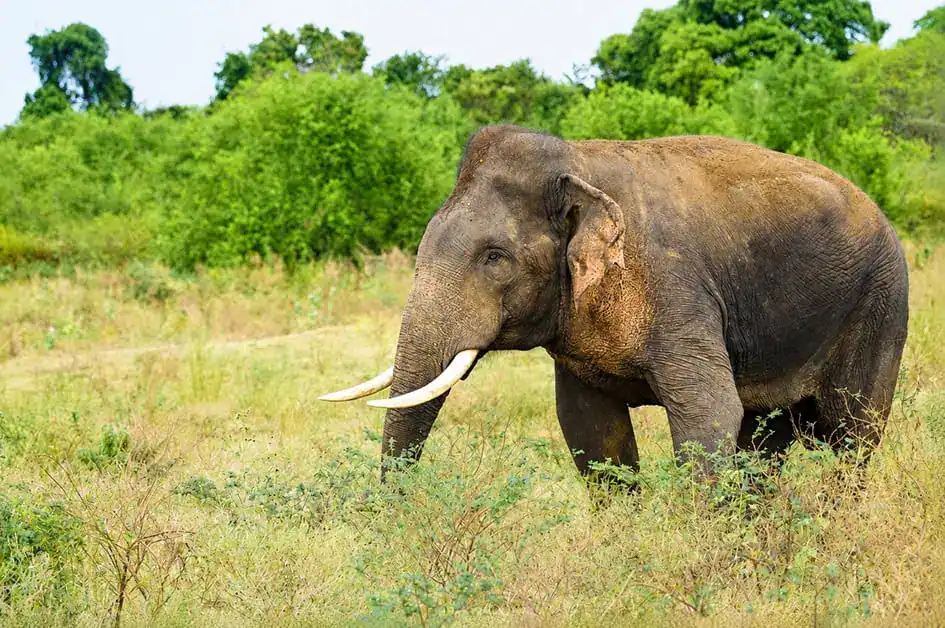
A tusker in Udawalawe National Park (Photo: Nalaka Priyantha)
Heritage sites: Sigiriya, Polonnaruwa and the Temple of the Tooth charge foreign visitors separate entry fees. As of 2026, Sigiriya’s fee for non-SAARC foreign adults is reported at USD 35. Check current prices and opening hours with the Central Cultural Fund before you go. Fees are quoted in US dollars but often paid in rupees.
- Check the current ticket prices for the cultural sites.
- Check the current ticket price for the Temple of the Tooth, Kandy.
National parks: You’ll pay the park ticket and the jeep separately, so ask whether quotes include both. Park permits can also be booked through the Department of Wildlife Conservation eService.
Trains: Reserve Nanu Oya–Ella seats through the official seat reservation system where available, and check the temporary timetable close to your travel date.
Whale watching: Book only after checking that boats are running and sea conditions are suitable.
Dress codes: Cover your shoulders and knees at temples, and remove your shoes and hat where required.
Poya days: Each full moon is a public holiday. Alcohol sales are usually restricted, and temples get busier.
Prices and operating details were checked in October 2026 and can change. Confirm them before you travel.
Safety, Health, and Comfort Notes
Buy travel insurance that covers medical care, trip disruption and any hiking, surfing or boat trips you plan to do.
Heat and humidity are the most common problems. Drink water often, rest through midday and use sun protection even on cloudy days. Use insect repellent at dawn and dusk, as mosquito-borne illnesses, including dengue, occur in Sri Lanka.
On hikes, wet rock and mud are the main risks. Turn back if storms approach. Swim only where conditions are safe, and follow lifeguard or local advice. On safari, stay in the vehicle and keep your distance from animals. Wear a seat belt where available, and avoid long night drives.
Larger hospitals are in Colombo, Kandy, and Galle. Regional hospitals serve Anuradhapura, Polonnaruwa, and other main towns, and private clinics are common in tourist areas. National parks and parts of the Hill Country are more remote.
For emergencies, call 119 for police or 1990 for an ambulance. The Sri Lanka Tourism hotline is 1912.
Estimated Cost for 3 Weeks in Sri Lanka
Your total depends mostly on three things: accommodation style, whether you hire a private driver, and how many paid sites and safaris you include. A private car and driver for most of the route is often the highest single cost after accommodation. However, it’s much cheaper when shared.
Budget for heritage-site fees, three jeep safaris with park tickets, train tickets, an optional whale-watching trip and occasional tuk-tuks. Budget travellers can save by using buses and guesthouses. At the same time, higher-comfort trips will spend more on boutique hotels and private guides. Exchange rates and November demand on the coast can also affect prices.
For realistic planning, get quotes for your accommodation and driver first, then add fees and activities. Our guides to budget travel and luxury travel in Sri Lanka can help.
Responsible Travel Notes
On safari, ask your driver not to chase, crowd, or block wildlife. Avoid elephant rides and any attraction that lets you handle wild animals. Don’t touch or feed wild animals. Keep a safe distance from wildlife. At sea, choose whale-watching operators who keep their distance and limit boat numbers.
Don’t touch coral, turtles, or archaeological remains. Take your rubbish with you on trails and beaches, and refill water bottles where possible. Respect temple customs, ask before photographing people, and remember that tea estates are homes as well as workplaces. Spending with locally owned guesthouses, restaurants, and guides helps tourism benefit communities. See our guide to sustainable travel in Sri Lanka.
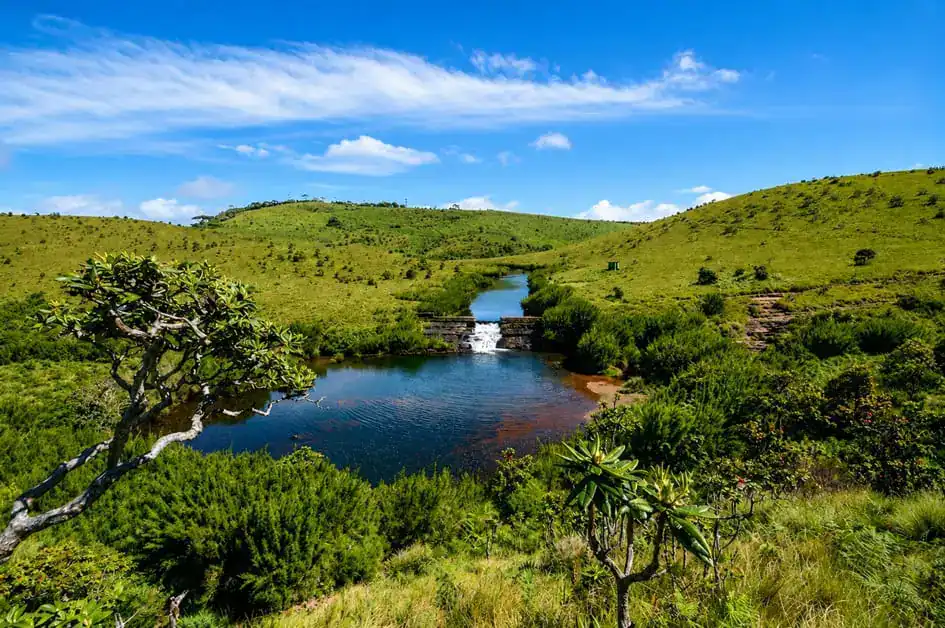
Chimney Pond – Horton Plains National Park (Photo: Nalaka Priyantha)
Highlights Summary
The trip begins in the dry plains, among ancient capitals, rock fortresses, and elephant country. It climbs into cool tea estates and cloud forest, then follows the railway down to Ella’s hills and waterfalls. From Udawalawe’s grasslands, it reaches the South Coast for surf, slow beach days and, if conditions allow, a morning at sea. It ends among the old streets and ramparts of Galle.
Final Thoughts
Spending 3 weeks in Sri Lanka in October and November works best when you plan for change rather than perfect weather. Start early, keep your bases long enough to absorb a rainy afternoon, and treat sea- and weather-dependent activities as possibilities rather than promises. That approach lets you enjoy heritage, wildlife, tea country, and the coast without rushing.
Three weeks gives this route room to breathe. If you’re still comparing options, explore our best Sri Lanka itineraries for every travel season, then start shaping a trip that fits your pace.
Map – 3 Weeks in Sri Lanka in October and November
Sources and References:
- Sri Lanka Department of Meteorology — Official weather forecasts, warnings and climatological information, including Sri Lanka’s monsoon and inter-monsoon weather patterns.
- Sri Lanka Tourism — Official destination and travel information for Sri Lanka, including places to visit, experiences and general trip-planning information.
- Sri Lanka Tourism Development Authority (SLTDA) — Official tourism-sector information, registered tourism services and traveller-related resources.
- Central Cultural Fund (CCF) — Official information on Sri Lanka’s major archaeological and heritage sites, including Sigiriya and Polonnaruwa, together with current visitor and ticketing information.
- Central Cultural Fund eTicketing — Official online ticketing service for participating Sri Lankan heritage sites.
- Department of Wildlife Conservation, Sri Lanka — Official information on Sri Lanka’s national parks and protected areas, relevant to Minneriya, Kaudulla, Horton Plains and Udawalawe.
- Department of Wildlife Conservation eServices — Official online service for national park permits and related visitor services.
- Sri Lanka Railways — Official railway information and service updates. Check here for the latest operating status and timetable information before travelling between Nanu Oya and Ella.
- Sri Lanka Railways Online Seat Reservation — Official online railway seat-reservation service for reservable trains and classes.
- UNESCO World Heritage Centre — World Heritage information for Sri Lanka’s cultural and natural sites, including Anuradhapura, Polonnaruwa, Sigiriya, Dambulla, Kandy and the Central Highlands of Sri Lanka.
Information checked: October 2026. Entrance fees, railway operations, park access, opening hours, weather conditions, whale-watching operations and other time-sensitive details may change. Confirm current information with the relevant official authority or operator before travelling.
Featured image: The view from Little Adam’s Peak, Ella (Photo: Nalaka Priyantha)

I am a Sri Lankan medical doctor who spends my free time travelling, exploring new destinations, and documenting the beauty of the island I call home. I have journeyed across almost every corner of Sri Lanka with my wife and daughter — from wildlife parks and misty mountains to ancient cities, deep forests, rugged landscapes, and quiet beaches.
Travel is not just a hobby for me — it’s a way of life. I love nature, enjoy road trips, and find joy in wildlife photography. I also read widely about tourism, travel trends, and destination culture. Through my writing, I aim to help travellers experience Sri Lanka through real stories, meaningful insights, and honest recommendations — the same way I explore it with my own family.