
Can you pack that bottle of airport gin? What about the vape in your pocket, a month’s supply of prescription tablets, or the drone you hoped to fly over the tea estates? And on the way home, can you fill your bag with Ceylon tea, a carved Ambalangoda traditional mask and a couple of sapphires? Sri Lanka’s customs regulations answer all of these. The trouble is that the official guidance is split between several government bodies and doesn’t always fit together neatly. This guide pulls it into one place for international tourists travelling with ordinary personal baggage. It doesn’t cover commercial cargo, shipped household goods, or concessions for returning residents.
Important information: Customs regulations, duty-free allowances, import and export restrictions, and declaration requirements may change. This guide is general travel information, not official legal or customs advice. Confirm current requirements with Sri Lanka Customs and the relevant authorities, especially for restricted goods, medication, valuable equipment, or large amounts of currency. Last reviewed: 27th November 2026.
Sri Lanka Customs Regulations at a Glance
| Item | General rule for tourists | Important conditions |
| Personal effects | Clothing and essentials for your own use are exempt | Not in commercial quantities, not for sale, not someone else’s property |
| Alcohol | Two regular-size bottles of wine and 1.5 litres of spirits | Subject to passenger eligibility; brought on arrival or purchased at an approved arrival duty-free store |
| Cigarettes, cigars, beedi, snuff | Not permitted | No personal baggage allowance |
| Vapes and e-cigarettes | Do not bring | Tobacco-containing electronic cigarettes are legally prohibited; broader restrictions are reported in practice |
| Other tobacco and nicotine products | Prohibited or subject to regulatory clarification | Check with Sri Lanka Customs before travelling |
| Perfume and toiletries | Up to 250 ml of eau de toilette and a small quantity of perfume | Personal use; applicable Customs conditions |
| Souvenirs and gifts | Non-commercial souvenir allowance up to US$250 | Gifts do not automatically qualify for duty-free exemption |
| Foreign currency | No general upper limit for legally acquired foreign exchange crossing the border | Declare total foreign exchange exceeding US$15,000 on arrival or departure. Separate declaration requirements apply to foreign banknotes exceeding US$10,000. |
| Sri Lankan rupees | Maximum LKR 20,000 | Applies to both arrival and departure. |
| Medicines | Quantity required for your stay or 90 days, whichever is less | Restrictions apply to Schedule III medicines and certain injectables |
| Injectable medicines and medical equipment | Product-specific requirements apply | Intramuscular and intravenous medicines are not permitted under published traveller instructions. Seek written NMRA clarification for essential treatments. |
| Fresh fruit, plants, animals | Many items are not allowed | Quarantine rules apply |
| Laptops and cameras | Fine for personal use | Professional kit may need an ATA Carnet or a deposit |
| Drones | Import and flight requirements must be checked separately | Obtain applicable CAASL registration, flight approvals, and other required clearances before flying |
| Loose gemstones | Declare on arrival; export clearance required on departure | Exports must follow NGJA and Customs procedures |
| Personal jewellery | Permitted in reasonable quantities | Declare gold jewellery on arrival; check requirements for newly purchased valuable jewellery |
| Antiques | Need an export approval | Department of Archaeology |
| Wildlife products | Often prohibited | Permits are needed for protected species |
Sources: Sri Lanka Customs – Travellers; Passenger Services Directorate; NMRA; CAASL.
Understanding How Sri Lanka Customs Regulations Work
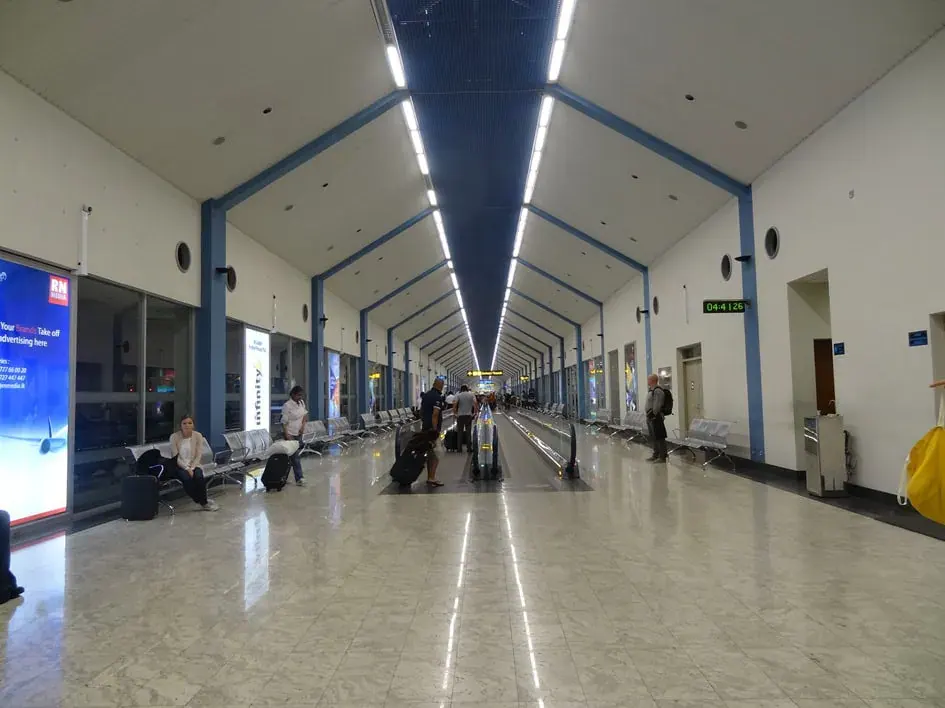
Inside the Bandaranaike International Airport (Photo: Cherubino, CC BY-SA 3.0)
Who Is Considered a Tourist Under Sri Lanka Customs Regulations?
Sri Lanka Customs sorts passengers into four groups: residents, crew, tourists, and transit passengers. The “resident” group covers Sri Lankan passport holders and foreign nationals with a Sri Lankan residence visa. Dual citizens are treated as residents, not tourists. If you’re staying on a long-stay or non-tourist visa, ask Customs which group you fall into before you rely on any allowance in this guide.
Personal Baggage vs Commercial Goods
The tourist exemption covers the personal effects you wear or bring for your own use. It specifically excludes goods in commercial quantities, goods for sale or exchange, and goods that belong to someone else. That last point matters if a friend asks you to carry a parcel. Under customs law, what’s in your bag is your responsibility, so don’t carry sealed packages for anyone.
Customs Regulations vs Other Travel Restrictions
Customs is only one of several checks. Immigration deals with your visa or ETA. Airport security and your airline decide what goes in hand or hold luggage. The Central Bank sets the currency rules, and separate quarantine services control plants, food, and animals. An item can pass airline screening and still need declaring at customs.
What Can You Bring into Sri Lanka?
Personal Belongings and Everyday Travel Essentials
Clothes, toiletries, books, baby supplies, and ordinary travel gear are all covered by the personal-effects exemption. Packing for a normal holiday rarely causes problems.
Read about Packing List for Sri Lanka.
Personal Electronic Devices and Recreational Equipment
A phone, laptop, camera, binoculars, hiking boots, a surfboard for Arugam Bay or your own dive kit are all reasonable personal effects. Things change when the quantity looks unusual, the equipment is for paid work, or you plan to leave it in the country. Professional equipment that will be taken out again may be brought in under an ATA Carnet, or released against a deposit or guarantee.
Bringing Gifts for Friends and Family
Bringing gifts for friends or relatives in Sri Lanka requires particular attention. The tourist personal-effects exemption primarily applies to belongings intended for your own use. Goods intended for other people, particularly items that will remain in Sri Lanka after your departure, may be subject to different customs requirements.
Although official passenger guidance includes an allowance of up to US$250 for qualifying non-commercial souvenirs, this should not be interpreted as an automatic duty-free exemption for every gift. If you are bringing valuable presents, electronic equipment, or other goods for someone living in Sri Lanka, declare them and allow Customs to determine whether any exemption applies.
Sri Lanka Duty-Free Allowances for Tourists
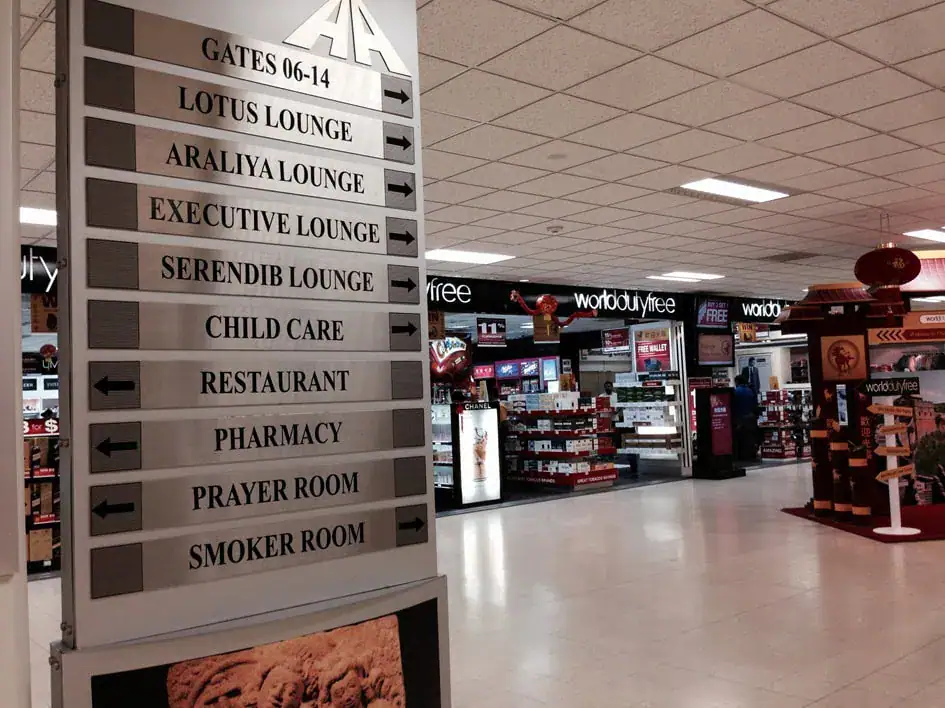
Duty-Free Shops – Bandaranaike International Airport (Photo: Max Kawagishi, CC BY 2.0)
Alcohol and Wine
According to Sri Lanka Customs, eligible foreign tourists may bring two regular-size bottles of wine and 1.5 litres of spirits into Sri Lanka duty-free. Alcohol must be brought from abroad on arrival or purchased from an approved Sri Lankan arrival duty-free store. Alcohol sent separately as unaccompanied baggage does not qualify for this exemption.
Official airport guidance specifies that these allowances apply to passengers over 18 years of age and that exemptions for families travelling together are generally limited to two family members. Families and groups should confirm their individual entitlements with Sri Lanka Customs rather than assuming that allowances can be combined or transferred between passengers.
Cigarettes, Cigars, and Other Tobacco Products
Older guidebooks and some third-party websites still list a 200-cigarette allowance. That information is outdated. According to Sri Lanka Customs, cigarettes, cigars, beedi, and snuff cannot be imported as personal baggage, whether accompanied or unaccompanied. This restriction applies even to small quantities intended for personal use. Travellers who bring prohibited tobacco products into Sri Lanka may face confiscation of the goods and applicable penalties.
Electronic Cigarettes, Vapes, and Nicotine Products
Regulations issued under the National Authority on Tobacco and Alcohol Act, published in Gazette Extraordinary No. 1982/33 on 1 September 2016, prohibit the importation and sale of electronic cigarettes containing tobacco and smokeless products containing tobacco. Although the legislation specifically refers to products containing tobacco, the prohibition has reportedly been applied more broadly to electronic cigarettes in practice.
The regulatory position concerning certain vaping accessories, nicotine-free e-liquids and tobacco-free nicotine pouches is less clearly established in published passenger guidance. Heated tobacco products are also treated as prohibited by regulators. To avoid complications at the airport, leave vaping devices, disposable vapes, pods, e-liquids, heated tobacco products, and nicotine pouches at home unless you have obtained written confirmation from Sri Lanka Customs that your specific product is permitted.
Perfume, Toiletries, and Travel Souvenirs
Sri Lanka Customs lists up to 250 ml of eau de toilette, a small quantity of perfume and non-commercial travel souvenirs, subject to its published US$250 value limit. Ordinary toiletries required for your personal use generally fall within the personal-effects exemption.
The allowance does not provide an unrestricted entitlement to import cosmetics, perfumes, or other goods for resale or distribution. If you are carrying unusually large quantities, expensive gifts, or multiple items of the same product, seek clarification from Sri Lanka Customs and declare them where required.
Shopping at Duty-Free Stores
Bandaranaike International Airport has duty-free shops in its arrivals area. Purchases made at these shops count towards your applicable passenger allowances and do not automatically provide an additional duty-free entitlement. Buying a product at a duty-free store does not exempt it from Sri Lanka’s import restrictions or declaration requirements.
You may encounter online allowance tables showing different US dollar amounts based on the number of days spent overseas. These tables apply to eligible Sri Lankan residents, residence visa holders, and qualifying returning citizens rather than ordinary foreign tourists. International visitors should refer specifically to the tourist allowances published by Sri Lanka Customs.
Keep your duty-free purchase receipts until you have completed Customs clearance.
| Tourist allowance | Limit |
| Wine | Two regular-size bottles |
| Spirits | 1.5 litres |
| Eau de toilette | 250 ml |
| Perfume | Small quantity |
| Travel souvenirs | Up to US$250, subject to Customs conditions |
| Gifts | Subject to applicable Customs exemptions and duties |
| Cigarettes, cigars, beedi, and snuff | Importation as personal baggage is prohibited |
These allowances are subject to passenger eligibility and applicable import restrictions. Confirm age-related eligibility, family allowances, and the treatment of gifts with Sri Lanka Customs before travelling.
Source: Sri Lanka Customs – Official Passenger Guide.
Bringing Money into and Taking Money Out of Sri Lanka
Bringing Foreign Currency into Sri Lanka
There is no general upper limit on the amount of legally acquired foreign exchange you can bring into Sri Lanka. However, you must declare it to Customs on arrival if its total value exceeds US$15,000 or the equivalent in other foreign currencies. This includes foreign currency notes, bank drafts, cheques, and travel cards.
A separate rule applies if you intend to take unused foreign currency banknotes worth more than US$10,000 back out of Sri Lanka. In this case, you must also make a declaration upon arrival. Keep your currency declaration receipt safely, as you may need it when leaving the country.
These requirements are set out in the Foreign Exchange Act No. 12 of 2017 and the regulations published in Gazette Extraordinary No. 2182/33 of 1 July 2020.
Taking Foreign Currency Out of Sri Lanka
When leaving Sri Lanka, you must declare your legally acquired foreign exchange to Customs if its total value exceeds US$15,000 or the equivalent in other foreign currencies. You must also make a declaration if you are carrying foreign currency banknotes worth more than US$10,000, even when your total foreign exchange is below US$15,000.
If you declared foreign currency when entering Sri Lanka, retain your original declaration receipt and present it to Customs when required. Keep any relevant currency exchange receipts as well.
Bringing Sri Lankan Rupees into and Taking Them Out of the Country
Travellers may bring up to LKR 20,000 in Sri Lankan currency into the country and take up to the same amount when leaving. Unlike the foreign currency declaration thresholds, this is a permitted currency limit rather than simply an amount above which a declaration is required.
As this represents a relatively small amount of travel money, plan to spend or exchange most of your remaining Sri Lankan rupees before leaving the country.
| Arriving | Departing | |
| Total foreign exchange (currency notes, bank drafts, cheques, and travel cards) | Declare if exceeding US$15,000 | Declare if exceeding US$15,000 |
| Foreign currency banknotes | Declare if you intend to take more than US$10,000 back out of Sri Lanka | Declare if exceeding US$10,000 |
| Sri Lankan rupees | Maximum LKR 20,000 | Maximum LKR 20,000 |
It is important to understand the difference between a declaration threshold and a legal currency limit. The US$15,000 and US$10,000 foreign exchange thresholds determine when a customs declaration is required, rather than establishing maximum amounts that can be carried across the border. However, the LKR 20,000 limit for Sri Lankan currency is a maximum permitted amount. All foreign exchange carried by travellers must be legally acquired.
Practical Currency Advice for Travellers
Change money at banks or authorised money changers and keep the receipts. Card payments are widely accepted in larger shops and hotels. However, you’ll still want cash for tuk-tuks, temple donations and village markets. Plan to have only a small amount of rupees left by your last day.
Bringing Medicines and Medical Equipment into Sri Lanka
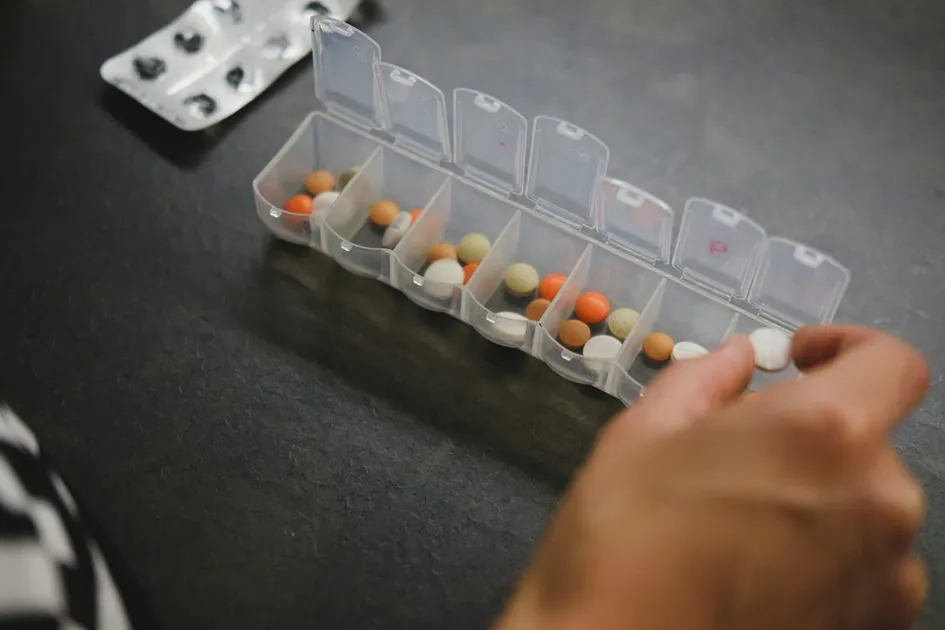
Preparing a pill organiser (Photo: Laurynas Me on Unsplash)
Prescription and Over-the-Counter Medicines
Sri Lanka’s National Medicines Regulatory Authority (NMRA) allows travellers to bring medicines for personal use without prior approval, subject to specific conditions and restrictions. The permitted quantity of each medicine is the amount required for the duration of your stay or 90 days, whichever is less. Prior NMRA approval is required for quantities exceeding a 90-day supply. If you need to carry more medication than is required for your planned stay, contact the NMRA in advance to confirm the applicable requirements. Restrictions also apply to certain scheduled medicines and injectable medications.
Controlled Medicines and Special Restrictions
The NMRA’s official traveller guidance states that medicines listed in Schedule III are not permitted under the published personal medication rules. Certain prescription painkillers, sedatives, ADHD medicines, and other psychoactive medicines may also be subject to additional controls.
If you take a controlled or potentially restricted medicine, contact the NMRA well before travelling to confirm whether your specific medication can legally be brought into Sri Lanka and whether any special authorisation is available. A valid prescription from your home country does not automatically override Sri Lankan import restrictions. Never discontinue essential medication or alter your treatment without consulting your doctor.
Injectable Medicines and Medical Devices
Travellers who depend on injectable medicines should take particular care when preparing for a trip to Sri Lanka. The National Medicines Regulatory Authority (NMRA) states that medicines administered through intramuscular or intravenous routes are not permitted under its published traveller instructions. This restriction is particularly relevant to people who carry adrenaline auto-injectors for severe allergic reactions.
The published restrictions do not explicitly mention subcutaneous injections, such as insulin and certain other injectable treatments. However, this does not automatically mean that every subcutaneous medicine can be brought into the country without restrictions.
If you depend on injectable medication, contact the NMRA well before travelling to obtain written clarification about your specific medicine, its route of administration, the required quantity and whether any special authorisation is available.
Travellers carrying insulin pumps, continuous glucose monitors, blood glucose meters, CPAP machines, nebulisers, needles, syringes, or other essential medical equipment should also confirm applicable customs and airline requirements. Carry appropriate medical documentation and arrange suitable storage and transportation for temperature-sensitive medicines.
Never discontinue essential medication, change your prescribed treatment, or travel without access to life-saving medicines because of customs restrictions. Discuss your travel plans with your doctor and resolve any regulatory issues before departure.
Vitamins, Supplements, and Herbal Products
The NMRA’s published traveller guidance does not specify a separate general allowance for vitamins, dietary supplements, or herbal products. If you travel with these products, carry reasonable quantities for personal use in their original, clearly labelled packaging. Products containing medicinal ingredients, controlled substances or restricted plant or animal materials may be subject to additional regulations. Check with the relevant Sri Lankan authority before travelling if you are uncertain about a particular product.
Documents You Should Carry
To minimise complications at Customs, carry the following documents and keep your medicines clearly identifiable:
- A copy of your valid prescription for prescription medicines.
- A doctor’s letter explaining your treatment, particularly if you take essential or restricted medication.
- Details of the medicine’s generic name, strength, dosage, and instructions for use.
- Any required written authorisation from the NMRA or other relevant authorities.
- Written confirmation concerning essential injectable medication, medical devices, and associated supplies, where applicable.
Keep medicines in their original containers whenever possible. If you use alternative containers, they must be appropriately labelled with the medicine’s name, strength, and instructions for use. Be prepared to produce prescriptions or medical records if requested by the authorities.
Bringing Food, Plants, and Animal Products into Sri Lanka
Packaged Food, Snacks, and Special Dietary Products
The National Plant Quarantine Service prohibits bringing in plants and plant products without prior permission. On arrival, you must declare any you carry and tell the plant quarantine officer. The quarantine rules mainly target fresh and unprocessed products. Sealed commercial packaging doesn’t automatically make a product exempt, though. If you need specific infant formula or allergy-safe foods, carry a sensible quantity in sealed, labelled packs and declare anything you’re unsure about.
Fresh Fruit, Vegetables, Plants, and Seeds
Don’t bring fresh fruit. Sri Lanka Customs says fruit arriving by air is referred to plant quarantine and destroyed. Live plants, cuttings, seeds, and soil need an import permit before you travel, and some species aren’t allowed at all.
Meat, Dairy, and Other Animal Products
Under the Department of Animal Production and Health (DAPH) rules, animal products need an import permit. Leave meat, cheese, cured sausages, and similar foods at home.
Travelling to Sri Lanka with Pets
You need a DAPH import permit before travelling with a pet. Imported animals are subject to at least 30 days’ quarantine. Start the process with DAPH months in advance.
Bringing Cameras, Drones, and Professional Equipment into Sri Lanka
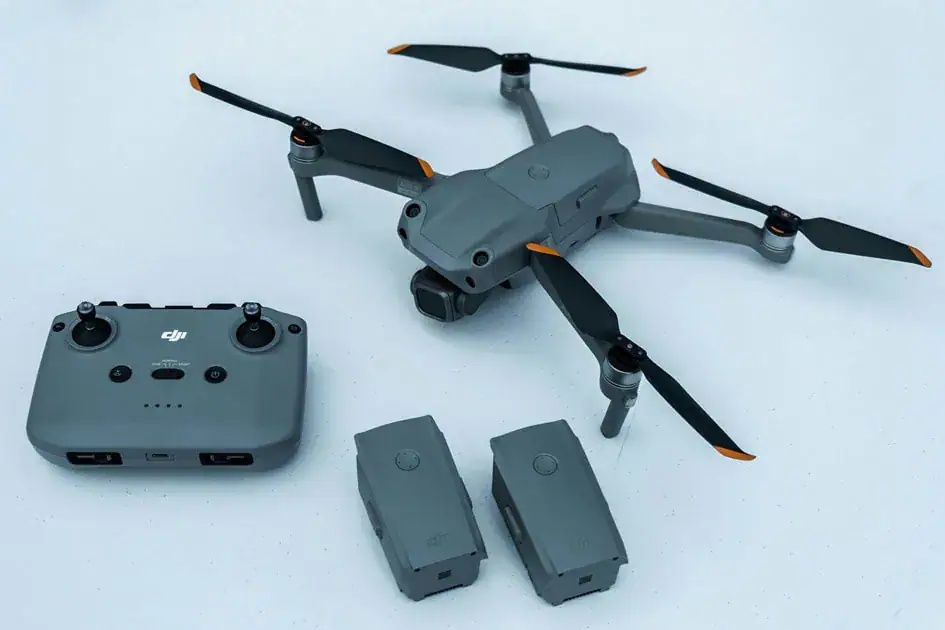
A drone (Photo: Zac Gudakov on Unsplash)
Cameras, Laptops, and Personal Electronics
A personal camera, laptop, tablet, and phone count as normal personal effects. Carry receipts for expensive new equipment in case Customs asks about it.
Drones for Recreational Photography and Filming
Bringing a drone in and flying it are two separate steps. The Civil Aviation Authority of Sri Lanka (CAASL) says its import procedure for drones applies only to drones imported permanently. Visitors apply for flying approval through its online portal. CAASL requires every drone to be registered. The only exception is a drone under 200 g with no camera or other data-capturing device. The Ministry of Defence also requires prior approval for civilian drone flights. Apply well before you travel and keep your approvals with the drone. Flying without permission, especially near military sites, airports, or major heritage sites, can lead to the drone being seized.
Professional Photography and Filming Equipment
Paid shoots involve more than holiday filming. As covered earlier, professional equipment that will leave the country again can enter under an ATA Carnet or against a deposit or guarantee. Contact Customs before travelling.
Satellite Phones, Radios, and Special Communication Equipment
Satellite phones, two-way radios and other transmitting equipment need approval from the Telecommunications Regulatory Commission and the Ministry of Defence. An ordinary mobile phone for your own use doesn’t need any of this.
Prohibited and Restricted Items in Sri Lanka
Prohibited Items
Some goods can’t be brought in at all. They include narcotics, pornography, and any publication, whether printed or digital, considered derogatory to a religion or religious leader. Cigarettes, cigars, beedi, snuff, and electronic cigarettes containing tobacco are also prohibited. Given the broader reported enforcement of vaping restrictions, travellers should avoid bringing other vaping products, as explained earlier. Schedule B of the Customs Ordinance sets out the full list.
Restricted Items Requiring Permission
Restricted goods aren’t banned outright. You can bring them in, but only with approval from the right authority, usually arranged before you travel.
| Item | Status | Authority | What to do |
| Firearms, ammunition, explosives | Restricted | Ministry of Defence | Don’t travel with them without prior approval |
| Drones | Approval needed to fly | CAASL and Ministry of Defence | Apply before you travel |
| Radios, satellite phones | Licence needed | TRCSL and Ministry of Defence | Apply before you travel |
| Personal medicine supplies exceeding 90 days | Prior approval required | NMRA | Obtain approval before travelling |
| Controlled medicines and restricted injectable treatments | Certain medicines are prohibited under published traveller rules | NMRA | Obtain written clarification about permissibility and whether special authorisation is available |
| Plants, seeds, animal products | Permit needed | NPQS / DAPH | Declare them, or leave them at home |
Everyday Travel Items That May Cause Confusion
A pocket knife, pepper spray, or CBD oil might seem harmless at home. Sri Lanka’s passenger guidance doesn’t say clearly how it treats these items. Leave them behind, or get written confirmation from Customs before you pack them. Remember that airline security rules also apply on top of customs rules.
Sri Lanka Airport Customs Procedures on Arrival
Step-by-Step Arrival Procedures
At Bandaranaike International Airport, the usual sequence is:
- Clear immigration with your passport and visa or ETA.
- Visit the arrival duty-free shops if you want to (purchases count towards your allowance).
- Collect your checked baggage.
- Choose the green or red customs channel.
- Put your bags through screening if officers ask you to.
- Exit to the arrivals hall.
Green Channel – Nothing to Declare
Airport guidance says to declare currency, valuable equipment, jewellery, and gems. Use the green channel only if you have none of these to declare. By walking through it, you’re telling Customs you have nothing to declare. Bags in the green channel can still be X-rayed or searched.
Red Channel – Goods to Declare
Use the red channel if you’re over the allowances or carrying declarable currency, gems, gold jewellery, plants, animal products, commercial goods, or anything restricted. If you’re not sure which channel to use, choose the red one and ask. Making an honest declaration costs you a few minutes. A false declaration means losing your exemptions and possibly further action under the Customs Ordinance.
What Happens If You Need to Pay Customs Duty?
Permitted goods exceeding your duty-free allowance may be subject to customs duties, taxes, and other applicable charges. Pay only at an official Customs counter and retain your receipt. Restricted goods without the necessary approvals may be detained or confiscated. Paying customs duty does not override import prohibitions or licensing requirements.
What Can You Take Home from Sri Lanka?
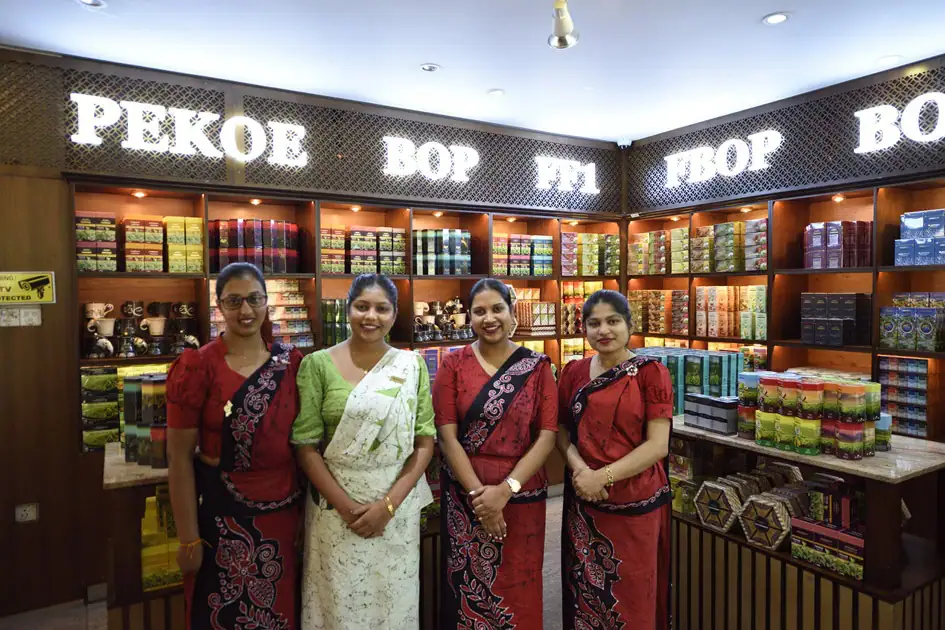
Labookellie Tea Centre – One of the best places to buy Ceylon Tea in Nuwara Eliya (Photo: Nalaka Priyantha)
Ceylon Tea, Cinnamon, and Sri Lankan Spices
Sri Lanka’s passenger guidance doesn’t list packaged tea or spices as restricted exports. Bringing home tea from a Nuwara Eliya estate or Ceylon Cinnamon from a spice garden near Matale is normal. Some destination countries require a phytosanitary certificate for plant products. The National Plant Quarantine Service issues these certificates to air passengers at Katunayake.
Traditional Food Products and Local Delicacies
Kithul treacle, jaggery, and sealed sweets are popular gifts to take home. Check that liquids meet your airline’s hand-luggage limits. Your home country’s food rules usually matter more than Sri Lanka’s.
Handicrafts, Textiles, and Traditional Souvenirs
Ambalangoda masks, batik, handloom textiles, Dumbara mats, Beeralu lace, lacquerware, pottery and brassware are ordinary handicrafts. You can pack them in your suitcase. The exceptions are pieces made from protected materials and genuine antiques. Wooden furniture also needs Forest Department approval for export. Shopping in Sri Lanka and Craft Workshops in Sri Lanka cover where to buy these crafts.
Ayurvedic and Herbal Wellness Products
Ayurvedic oils, balms, and herbal teas are usually fine to take home as long as they’re commercially packaged and labelled. Products made with protected plants are not. Sandalwood is protected, and exporting any part of it is prohibited. Check your home country’s rules on herbal medicines before buying large quantities.
Read about Spas and Ayurveda in Sri Lanka.
Duty-Free Purchases Before Departure
Purchasing goods at a departure duty-free shop in Sri Lanka does not automatically exempt them from customs duties or import restrictions in your destination country. Alcohol, tobacco products, perfumes, and other purchases remain subject to the allowances and regulations of the country you are entering.
If you purchase duty-free liquids, retain the receipt and keep any tamper-evident security bag sealed until your final destination. If you have connecting flights, check the transit airport’s security requirements, as additional screening or restrictions may apply.
Buying and Exporting Gemstones and Jewellery from Sri Lanka
Purchasing Gemstones from Reputable Dealers
When purchasing gemstones or jewellery in Sri Lanka, choose reputable dealers licensed by the National Gem and Jewellery Authority (NGJA). Request a detailed invoice identifying the gemstones, their weight, purchase price, and any disclosed treatments. For valuable gemstones, obtain a certificate from a recognised gem-testing laboratory.
Before completing your purchase, ask the dealer to explain the applicable export procedures and whether they can arrange the necessary documentation and clearance on your behalf. Allow sufficient time for these arrangements before your departure.
For more information about Sri Lanka’s gemstone industry, mining regions and purchasing advice, read our guide to Gemstones in Sri Lanka.
Customs Declarations and Export Documentation
A purchase receipt or gemstone certificate of authenticity is not a substitute for export clearance. According to Sri Lanka Customs and the Sri Lanka Export Development Board, gemstones purchased in Sri Lanka must undergo the applicable inspection and approval procedures before being exported.
Under the standard hand-carry export procedure, gemstones are submitted to the NGJA for inspection and valuation. Once approved, the sealed consignment is transferred to the Customs duty officer at the departure terminal of Bandaranaike International Airport. The departing passenger can collect it after obtaining a boarding pass and presenting the required documentation.
Ask your licensed gemstone dealer to arrange the appropriate export formalities and confirm the collection arrangements well before your departure. Do not assume that gemstones can be packed in your luggage because you have a purchase receipt or authenticity certificate. Exporting gemstones without the required clearance may result in confiscation and penalties.
The Role of the National Gem and Jewellery Authority
The National Gem and Jewellery Authority (NGJA) regulates Sri Lanka’s gemstone and jewellery industry, licenses dealers, provides gemstone testing and certification services, and oversees export clearance in cooperation with Sri Lanka Customs.
Travellers may bring genuine personal jewellery into Sri Lanka and take it out again in reasonable quantities. Sri Lanka Customs requires gold jewellery to be declared on arrival. Retain relevant declaration records and documentation, particularly for valuable items.
If you purchase new gemstone jewellery or other valuable jewellery during your stay, confirm the applicable export and declaration requirements with your dealer, the NGJA or Sri Lanka Customs before departure. Do not assume that all newly purchased jewellery automatically qualifies as ordinary personal jewellery.
Rough or unfinished jewellery, gold ingots, and gold biscuits are not permitted as passenger baggage.
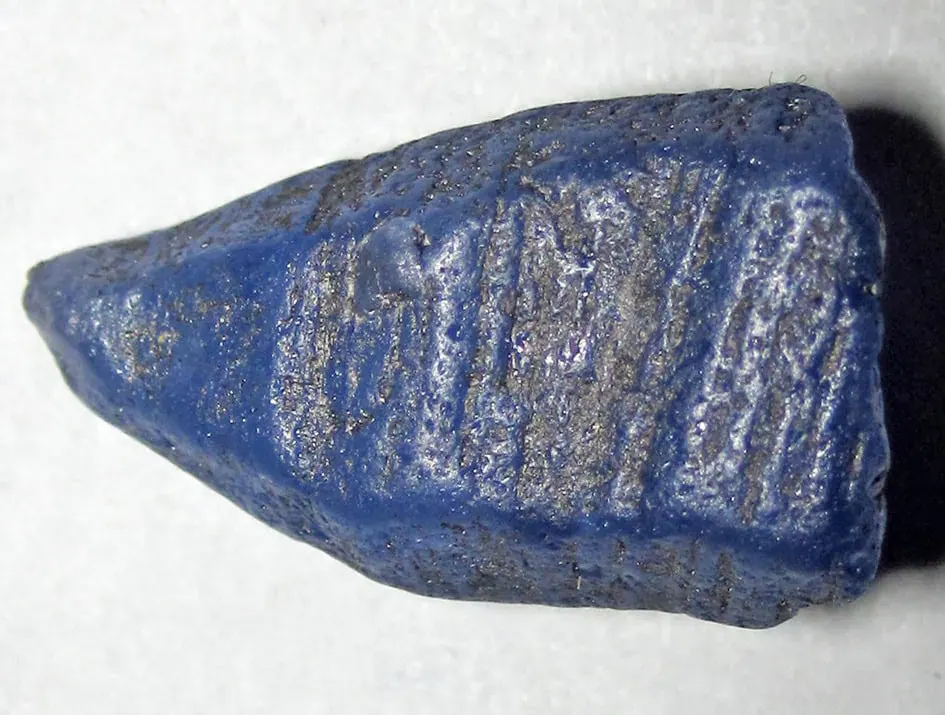
A Blue Sapphire from Ratnapura (Photo: James St. John, CC BY 2.0)
Souvenirs and Natural Products You Should Not Take Home
Wildlife Products and Protected Species
You need a licence to export wild animals or any part of one, alive or dead. That includes skins, feathers, horns, shells, and eggs. Ivory, turtle shell, and products from CITES-listed species need permits from the Department of Wildlife Conservation, and the destination country often won’t accept them even with a permit.
Seashells, Coral, and Other Marine Materials
Customs says exporting seashells breaches the Customs Ordinance read with the Fauna and Flora Protection Ordinance. Exporting chank shells needs a Department of Fisheries permit. Coral is protected too. Leave shells and coral on the beach, and be wary of shell souvenirs sold to tourists.
Antiques, Archaeological Objects, and Cultural Artefacts
According to Customs, items over 100 years old need export approval from the Department of Archaeology. Customs also won’t release replicas unless you can prove they’re replicas. Old coins, ola-leaf manuscripts, and statues all fall under these rules. Ask the seller for documents showing a piece is new or a replica.
Protected Plants, Seeds, and Timber Products
Many native plants, seeds, and some timbers are protected. Don’t pack seeds, cuttings, or orchids without the right permits.
Read about Conservation Programmes & Experiences in Sri Lanka.
Sri Lanka Customs Procedures When Leaving the Country
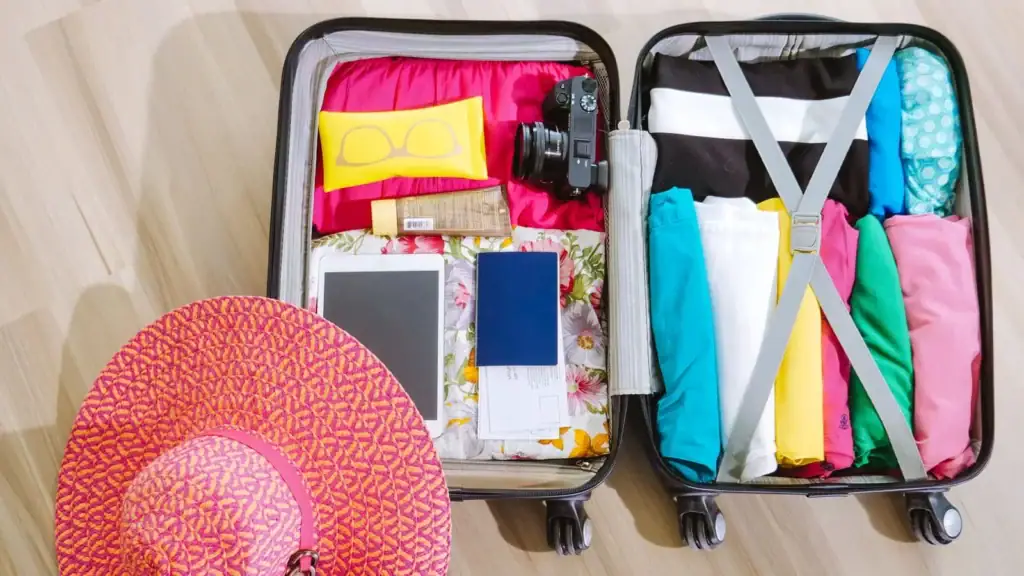
Packing luggage (Photo: Kindel Media, via Pexels)
Preparing Your Luggage Before Departure
Pack receipts for valuable purchases where you can reach them easily. Keep NGJA paperwork and any export permits with your passport. Kithul treacle, arrack, and oils count as liquids, so put them in your checked bag.
Declaring Goods Before Leaving Sri Lanka
Before leaving Sri Lanka, you must declare foreign exchange exceeding US$15,000 in total value or foreign currency banknotes exceeding US$10,000, or their equivalent in other currencies. Hand-carried gemstones must follow the applicable NGJA and Customs export procedures described earlier. Antiques, protected wildlife products, and certain timber products may require export permits. Arrange all necessary approvals before travelling to the airport.
Re-exporting Items Temporarily Brought into Sri Lanka
If professional equipment came in under an ATA Carnet, or against a deposit or guarantee, present it to Customs when you leave so the paperwork can be closed. Bring your arrival currency declaration receipt if you’re taking declared money back out.
Customs Clearance During Connecting Flights
If you’re connecting on one ticket, your bags usually go straight through to your final destination. On separate tickets, you may have to collect your bags and clear customs at the transit airport. Duty-free liquids may also be screened again there, even in a sealed bag, so check the rules for your transit airport.
Customs Regulations in Your Home or Destination Country
Being allowed to take something out of Sri Lanka doesn’t mean your home country will let it in. Many countries strictly control food, plant and animal products, alcohol, tobacco, and high-value goods. Australia and New Zealand are especially strict about seeds, wooden items, and anything plant-based. Check the official guidance before you buy:
- EU: European Commission – Taxation and Customs Union
- UK: Bringing goods into the UK for personal use
- USA: US Customs and Border Protection
- Canada: Canada Border Services Agency
- Australia: Australian Border Force
- New Zealand: New Zealand Customs Service
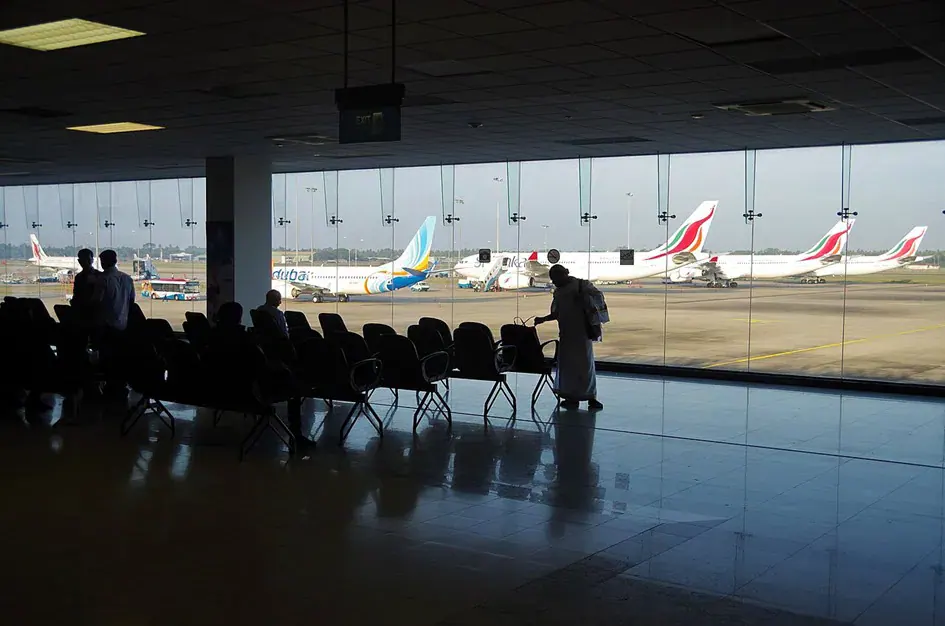
Just Before Leaving Sri Lanka – Bandaranaike International Airport (Photo: Balou46, CC BY-SA 3.0)
Common Customs Mistakes Travellers Should Avoid
- Packing cigarettes, vaping devices or other restricted tobacco and nicotine products without checking current import regulations
- Reading the resident allowance tables and assuming they apply to tourists
- Assuming duty-free purchases are extra to your allowance
- Forgetting to declare currency over the thresholds
- Bringing medicines without appropriate documentation, exceeding the permitted personal medication allowance, or carrying restricted medicines without confirming their legal status
- Assuming sealed food or seeds are automatically allowed
- Flying a drone without approval
- Assuming that a gemstone purchase receipt or certificate of authenticity replaces the required NGJA and Customs export clearance.
- Buying antiques, shells, or wildlife products without checking the rules
- Carrying a package for someone else
- Going through the green channel when unsure
- Forgetting your home country’s import rules
Depending on the item, the consequences can include delays, duty, confiscation, losing your exemptions, or legal action.
Essential Customs Checklist for Travellers
Before arrival
- [ ] Alcohol within the permitted allowance; no prohibited tobacco products or unverified vaping and nicotine products
- [ ] Medicines within the permitted personal allowance, in original or appropriately labelled containers, with relevant prescriptions and medical documentation.
- [ ] Prior NMRA approval for supplies exceeding 90 days; written clarification and any applicable authorisation for restricted medicines and injectable treatments.
- [ ] No fresh fruit, plants, seeds, meat, or dairy
- [ ] Drone and radio approvals, and ATA Carnet if needed
- [ ] Currency over the thresholds ready to declare
Before departure
- [ ] Receipts for valuable purchases
- [ ] Required NGJA and Customs export clearance for gemstones, with applicable documentation and collection arrangements confirmed.
- [ ] No antiques, shells, coral, or wildlife products without permits
- [ ] Sri Lankan currency within the LKR 20,000 limit; required foreign currency declarations completed and supporting documents available.
- [ ] Destination-country rules checked
- [ ] Carnet or deposit paperwork closed
Where to Find Official Information and Customs Assistance
- Sri Lanka Customs: customs.gov.lk. Hotline 1915 (within Sri Lanka); +94 11 222 1515/6/7; email: [email protected]
- Customs at Bandaranaike International Airport: [email protected], +94 11 2265016
- Medicines (NMRA): nmra.gov.lk, [email protected], +94 11 2698896
- Drones (CAASL): caa.lk
- Gems (NGJA): ngja.gov.lk
- Plant quarantine: doa.gov.lk; animal quarantine: daph.gov.lk
For anything unusual, email the right authority before you travel and keep a copy of the reply.
Sources and References:
- Sri Lanka Customs. Travellers – Official Passenger Guide.
- Sri Lanka Customs. Passenger Services Directorate.
- Sri Lanka Customs. Passenger Services Directorate – Katunayake.
- Sri Lanka Customs. Frequently Asked Questions.
- Airport and Aviation Services (Sri Lanka). Passenger Guide – Arrival Procedures.
- Department of Foreign Exchange, Central Bank of Sri Lanka. Gazette Extraordinary No. 2182/33 of 1 July 2020 – Foreign Exchange Regulations.
- Department of Foreign Exchange, Central Bank of Sri Lanka. Frequently Asked Questions – Foreign Exchange Regulations.
- Government of Sri Lanka. Gazette Extraordinary No. 1982/33 of 1 September 2016 – Prohibited Tobacco Products Regulations.
- National Medicines Regulatory Authority (NMRA). Bringing Personal Medicines into Sri Lanka.
- Department of Agriculture, Sri Lanka. National Plant Quarantine Service.
- Department of Agriculture, Sri Lanka. Plant Quarantine Information.
- Department of Animal Production and Health (DAPH). Animal and Animal Product Import Requirements.
- Civil Aviation Authority of Sri Lanka (CAASL). Drone Regulations and Approvals.
- Telecommunications Regulatory Commission of Sri Lanka (TRCSL). Telecommunications Regulations and Licensing.
- National Gem and Jewellery Authority (NGJA). Gem and Jewellery Export Procedures.
- Sri Lanka Export Development Board (EDB). Gem and Jewellery Export Procedures in Sri Lanka.
- Government of Sri Lanka. National Gem and Jewellery Authority Act No. 50 of 1993.
- Department of Wildlife Conservation, Sri Lanka. Wildlife Conservation and Protection.
- Department of Archaeology, Sri Lanka. Archaeological Heritage and Antiquities Protection.
- Convention on International Trade in Endangered Species of Wild Fauna and Flora (CITES). International Trade Regulations for Protected Species.
- European Commission. Taxation and Customs Union.
- UK Government. Bringing Goods into the UK for Personal Use.
- United States Customs and Border Protection (CBP). Customs and Border Protection.
- Canada Border Services Agency (CBSA). Canadian Customs and Border Regulations.
- Australian Border Force (ABF). Australian Customs and Border Regulations.
- Australian Department of Agriculture, Fisheries and Forestry. Bringing or Mailing Goods to Australia.
- New Zealand Customs Service. New Zealand Customs and Border Regulations.
- New Zealand Ministry for Primary Industries (MPI). Bringing Food into New Zealand.
Customs regulations, duty-free allowances, import and export restrictions, and declaration requirements are subject to change. Travellers are advised to consult Sri Lanka Customs and the relevant regulatory authorities before travelling. Travellers should also verify the customs and biosecurity requirements of their destination and transit countries.
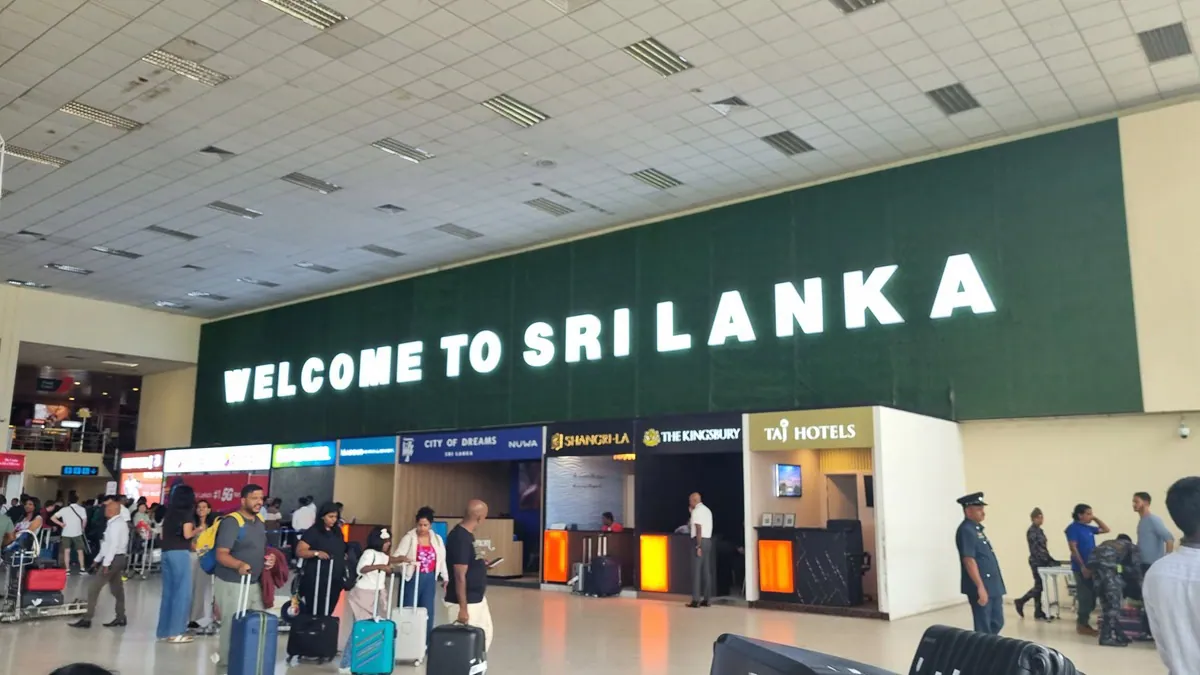
Featured image: Welcome to Sri Lanka – Bandaranaike International Airport (Photo: Nalaka Priyantha)

I am a Sri Lankan medical doctor who spends my free time travelling, exploring new destinations, and documenting the beauty of the island I call home. I have journeyed across almost every corner of Sri Lanka with my wife and daughter — from wildlife parks and misty mountains to ancient cities, deep forests, rugged landscapes, and quiet beaches.
Travel is not just a hobby for me — it’s a way of life. I love nature, enjoy road trips, and find joy in wildlife photography. I also read widely about tourism, travel trends, and destination culture. Through my writing, I aim to help travellers experience Sri Lanka through real stories, meaningful insights, and honest recommendations — the same way I explore it with my own family.